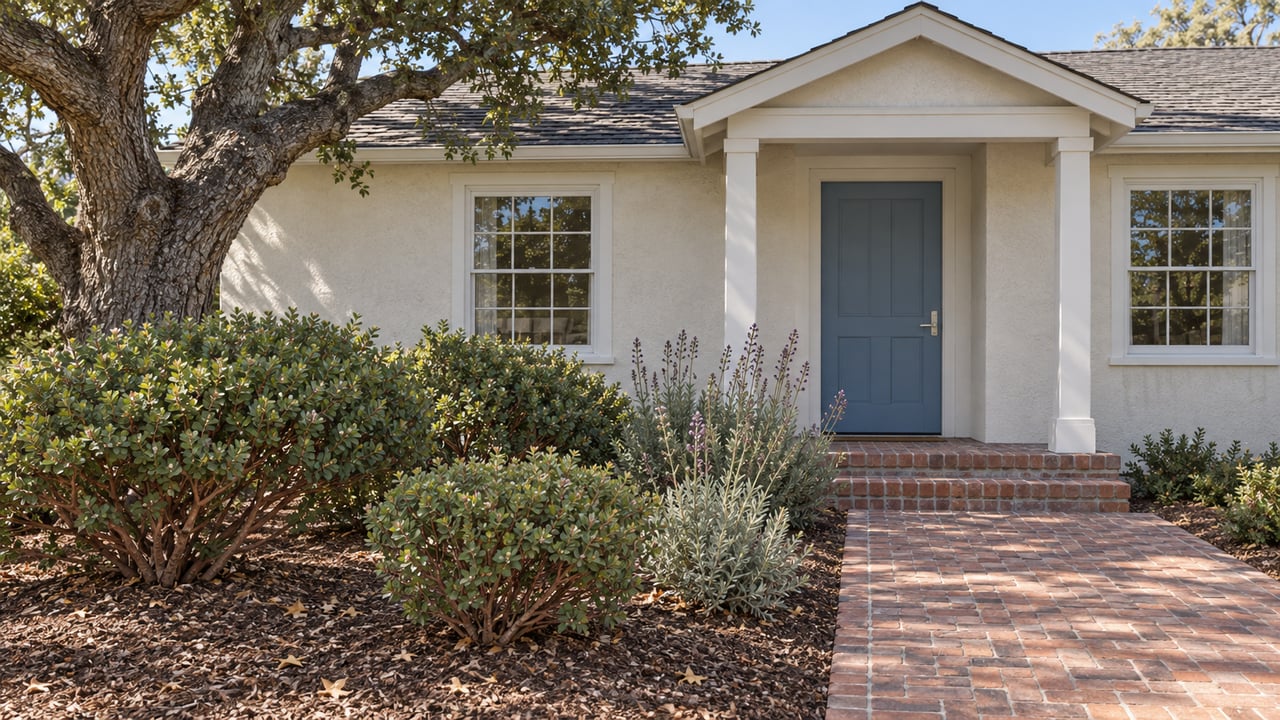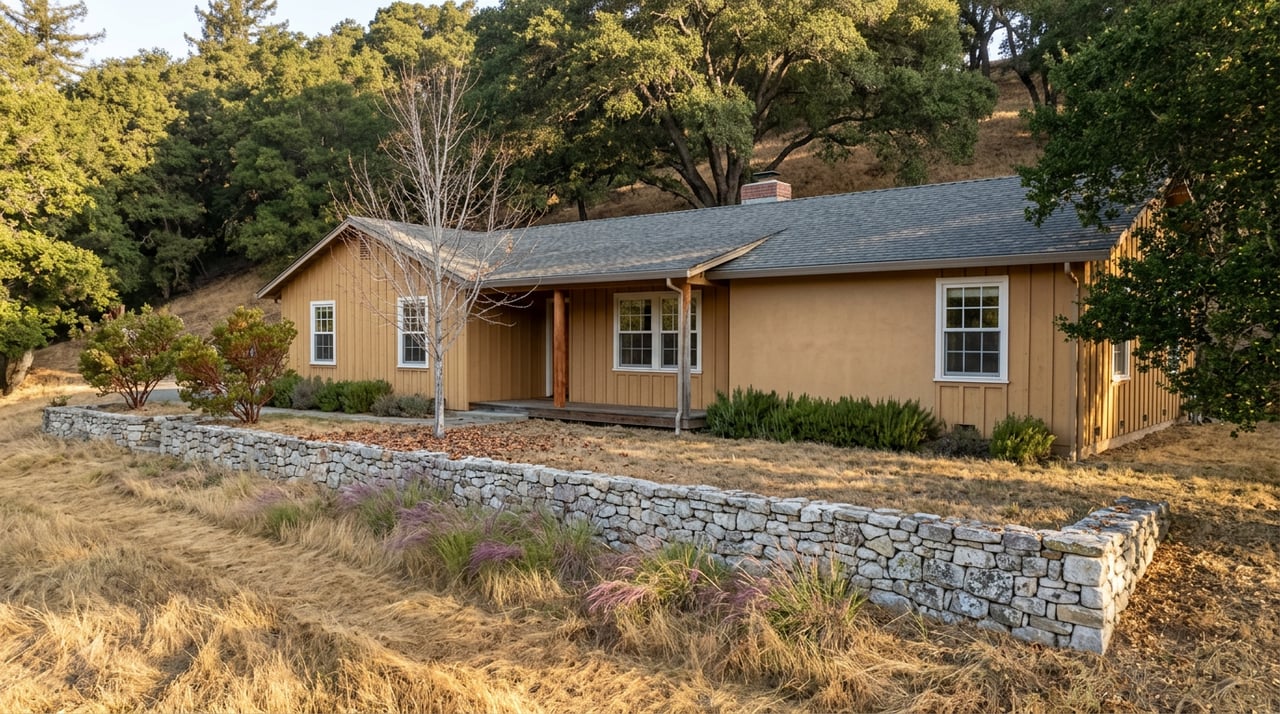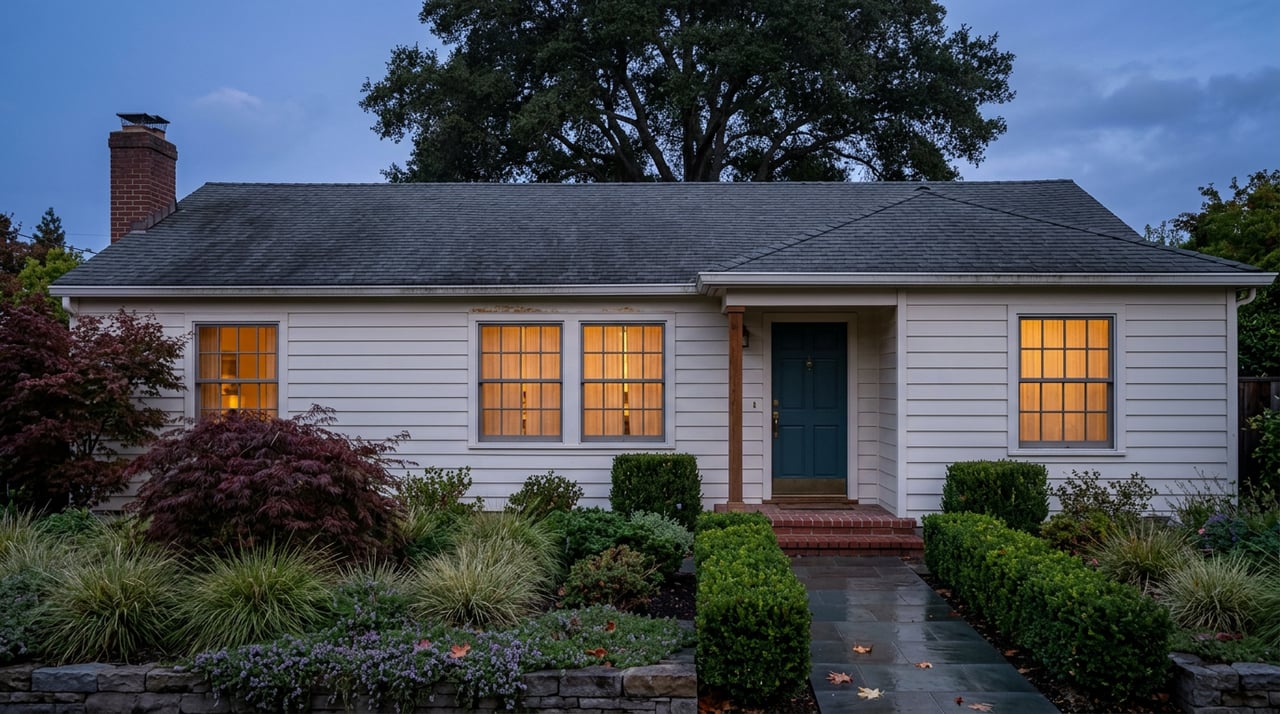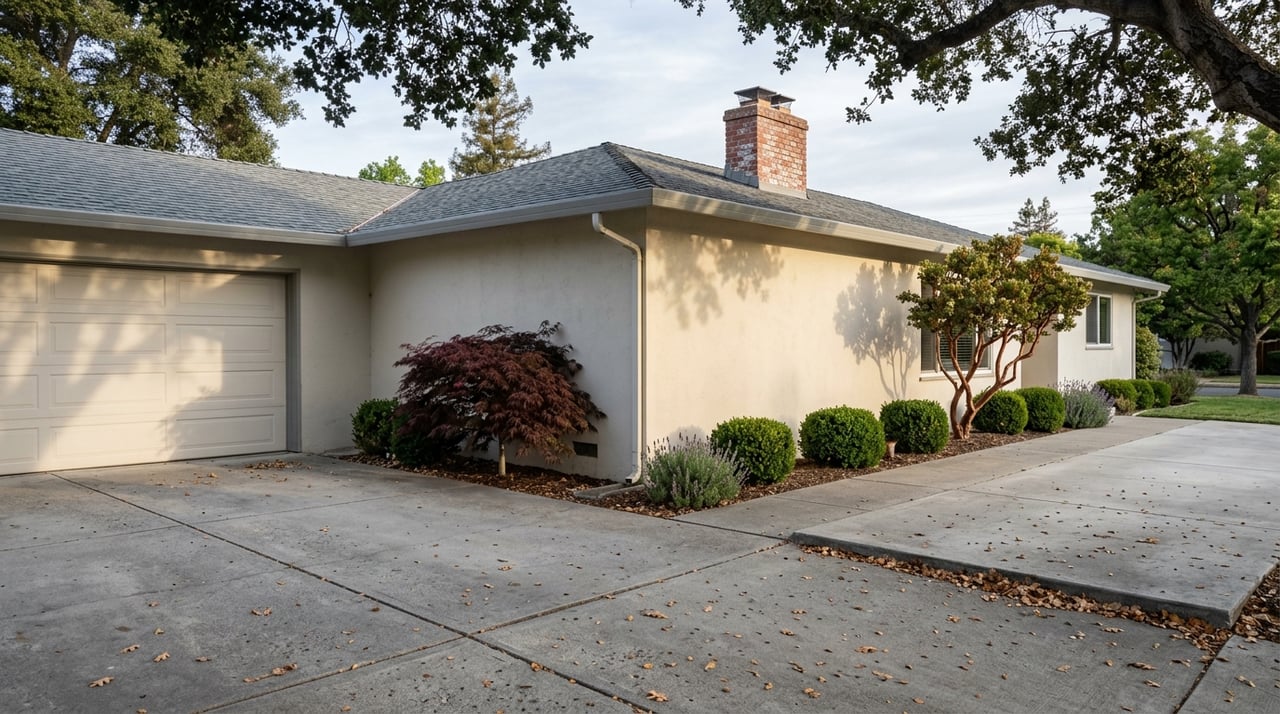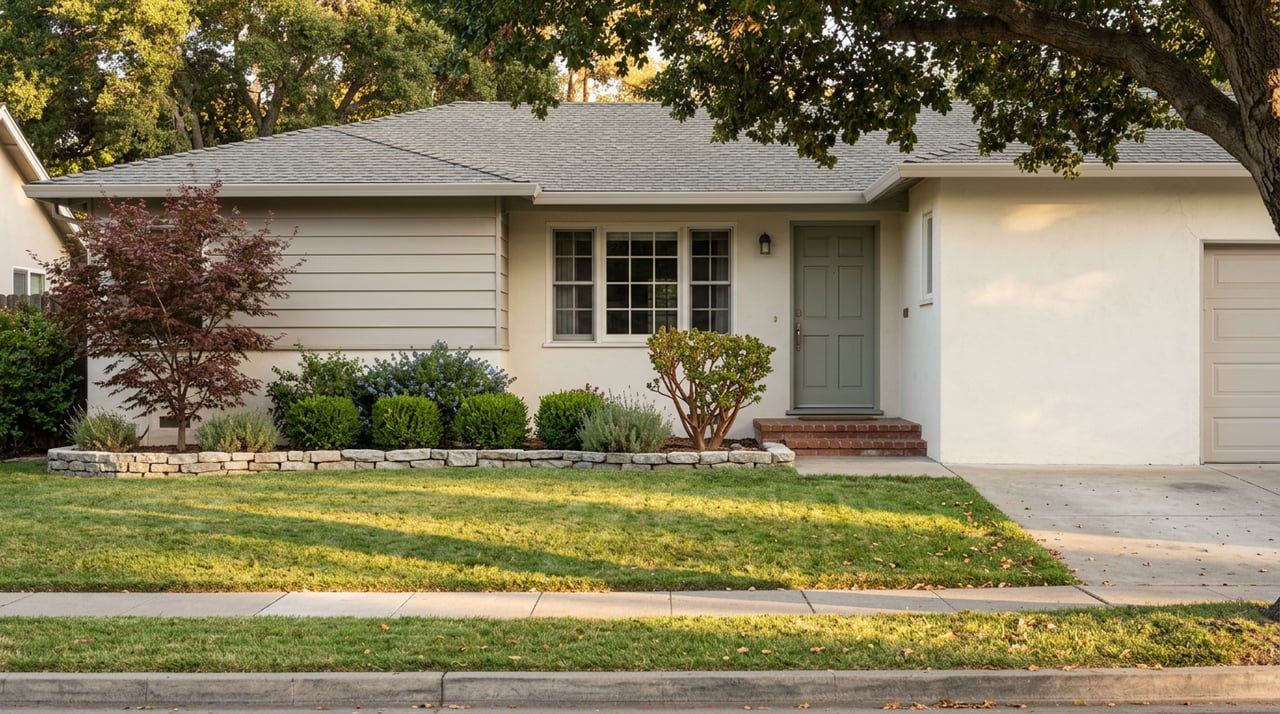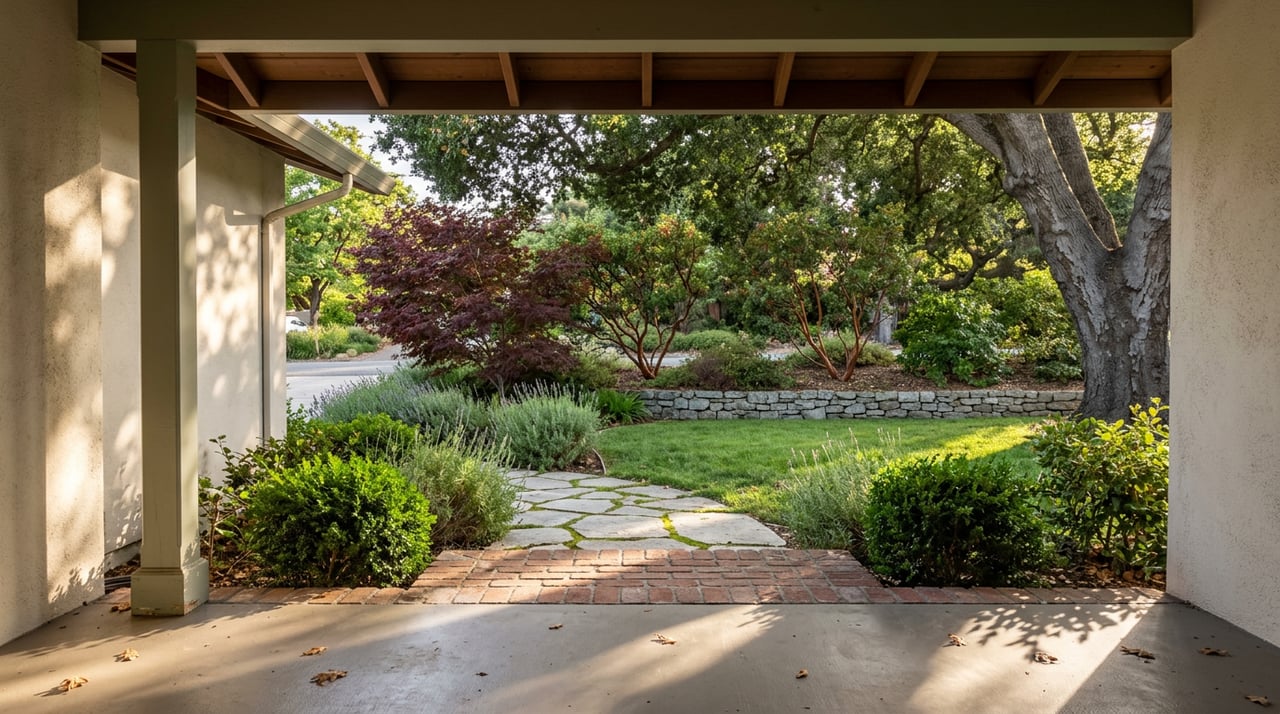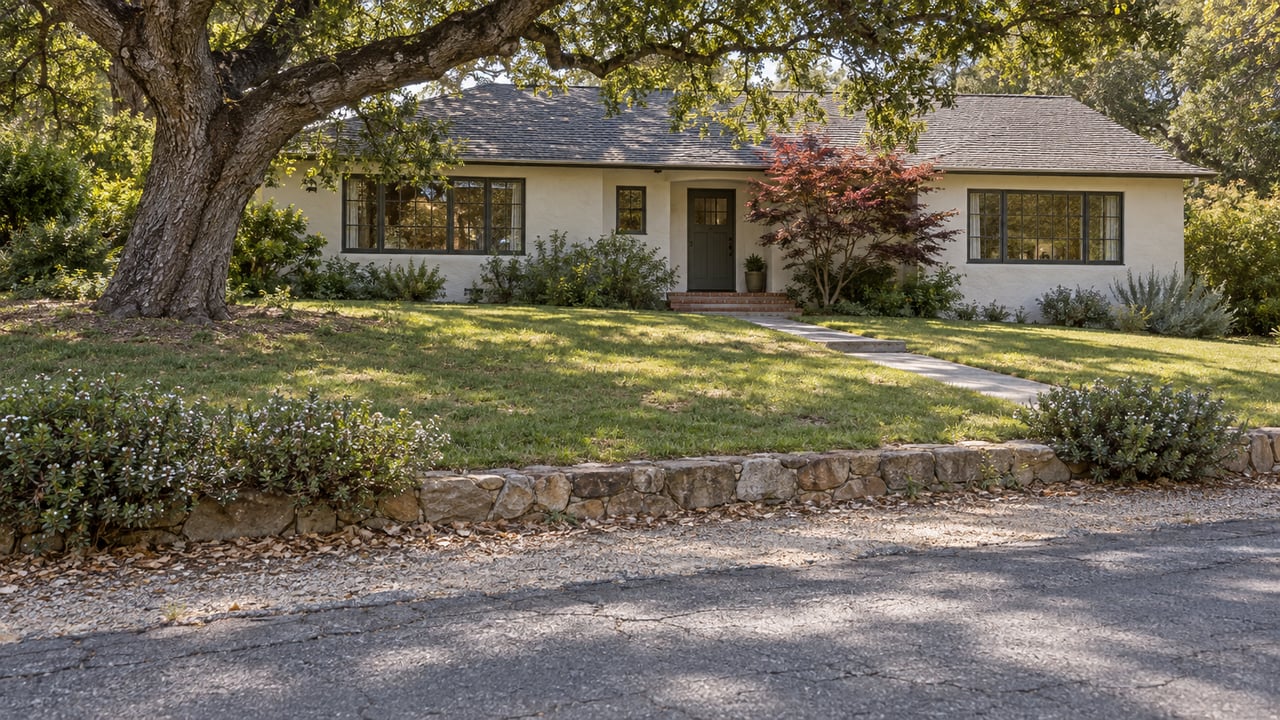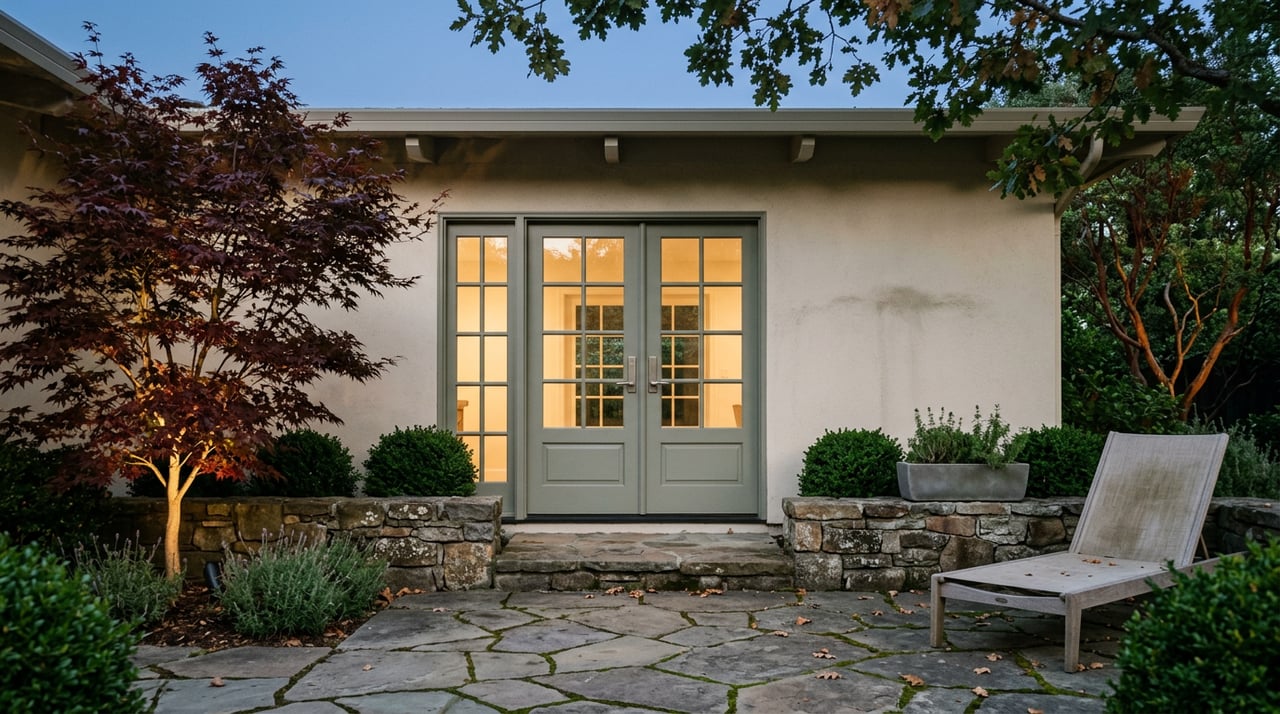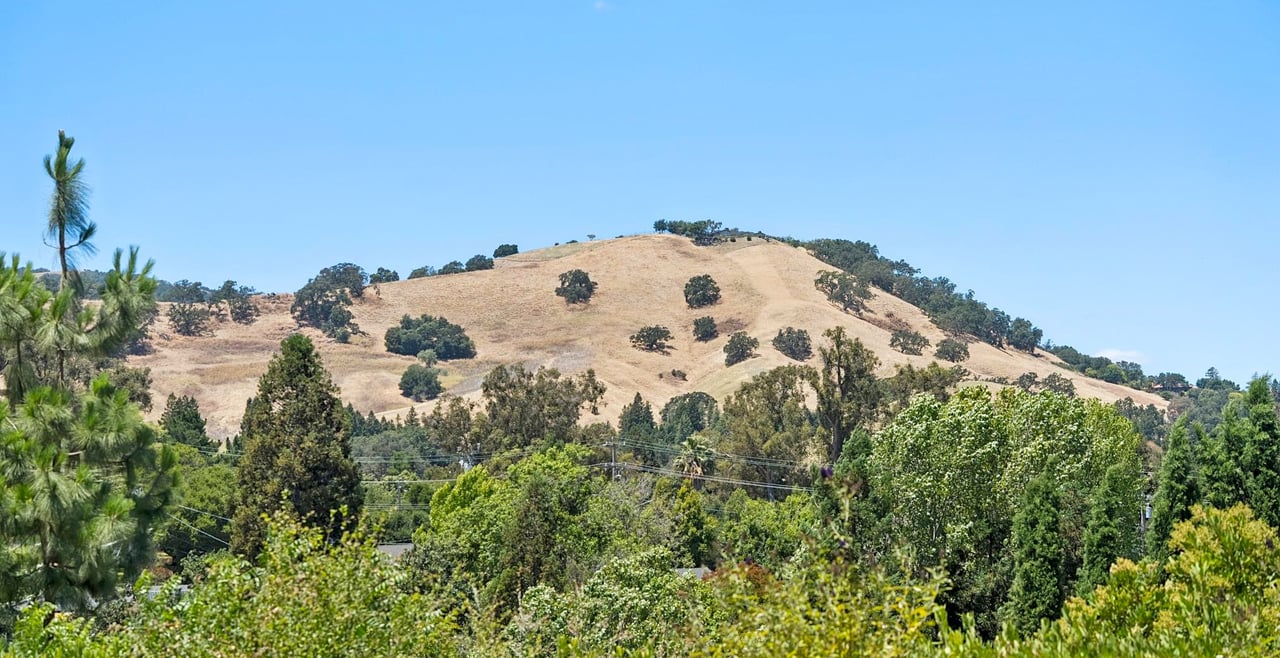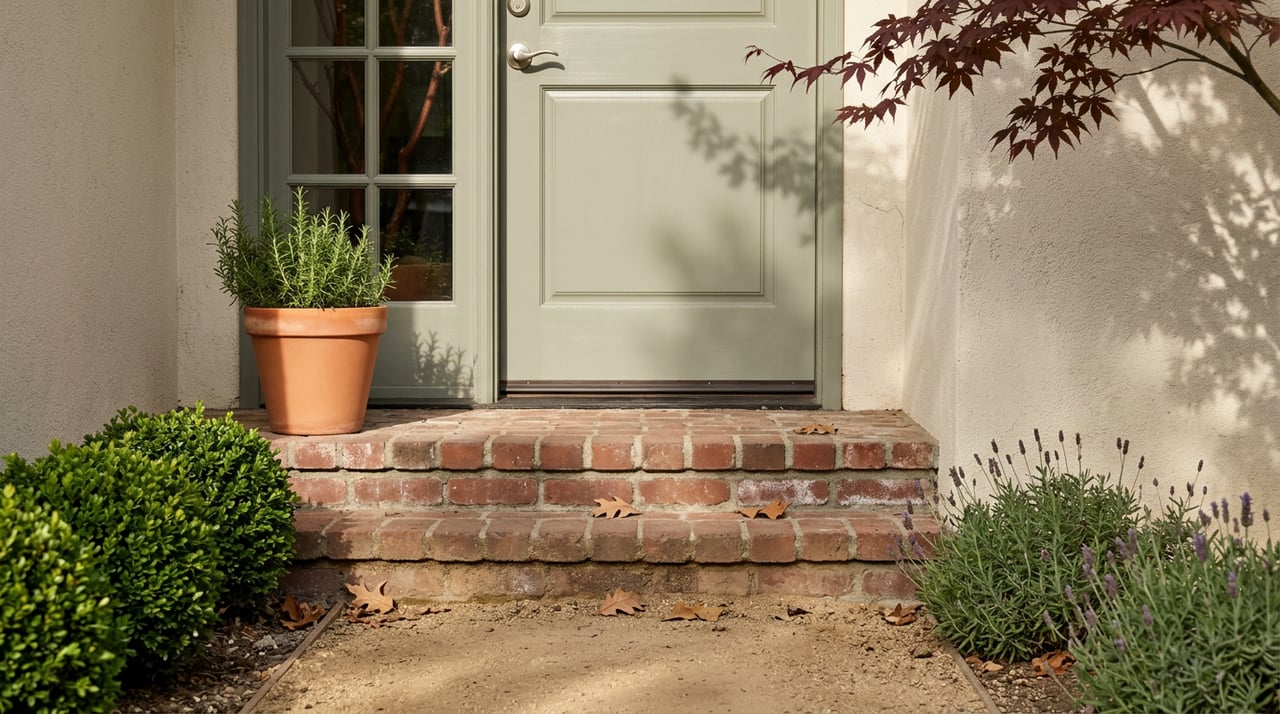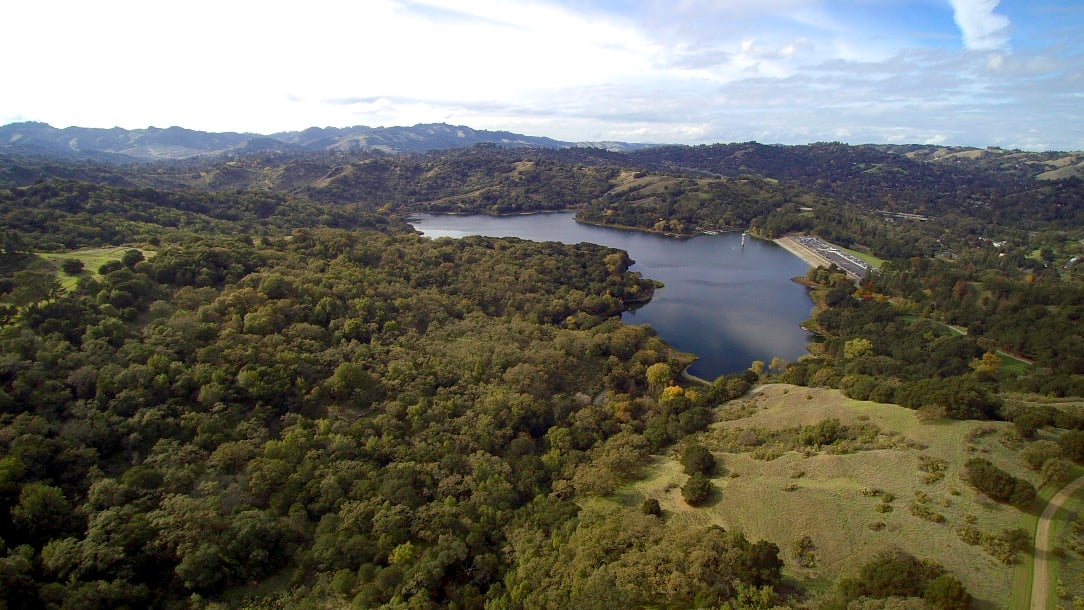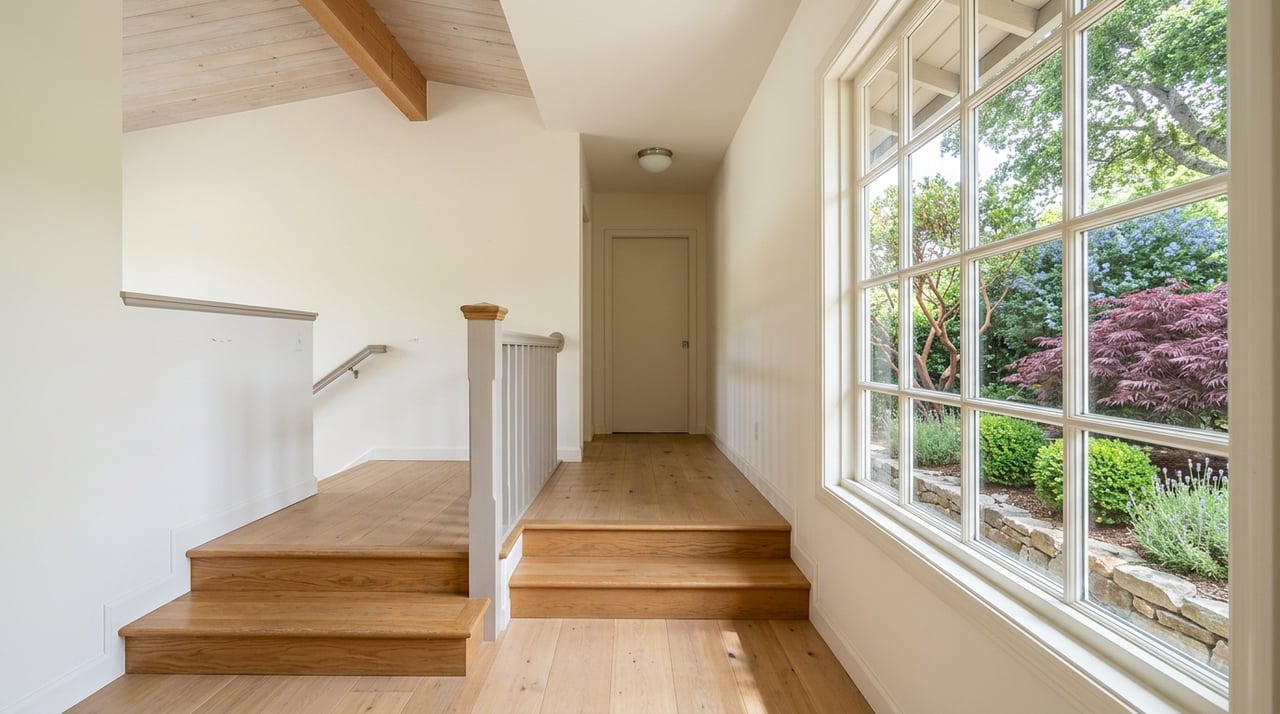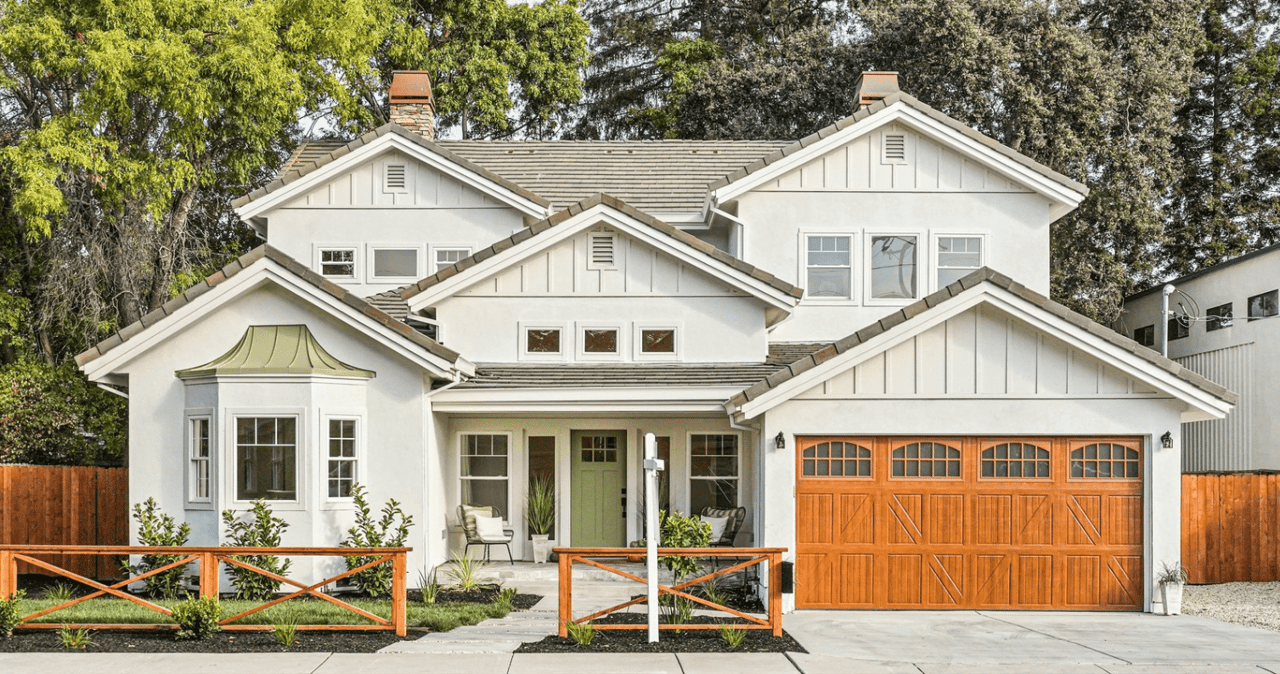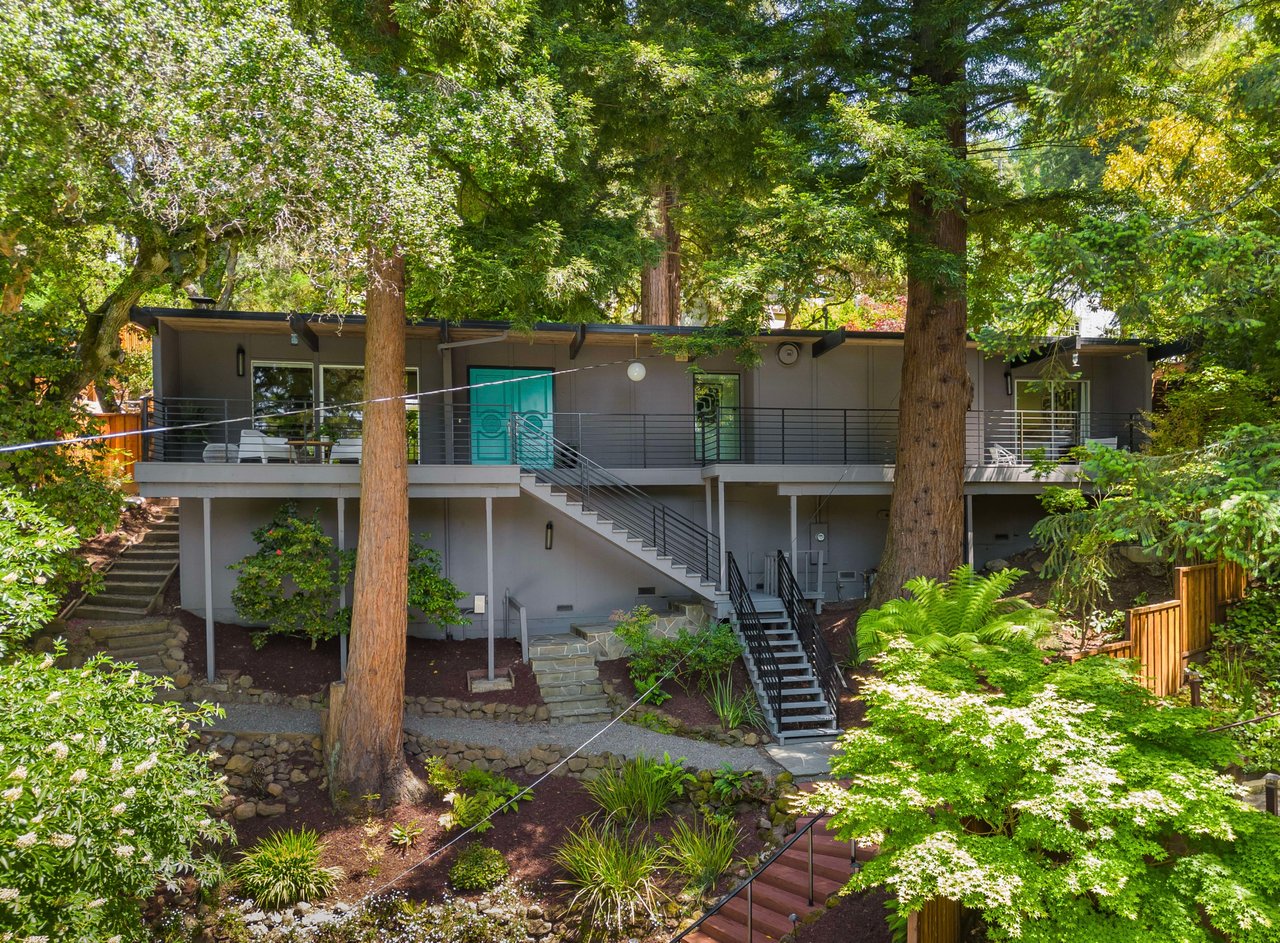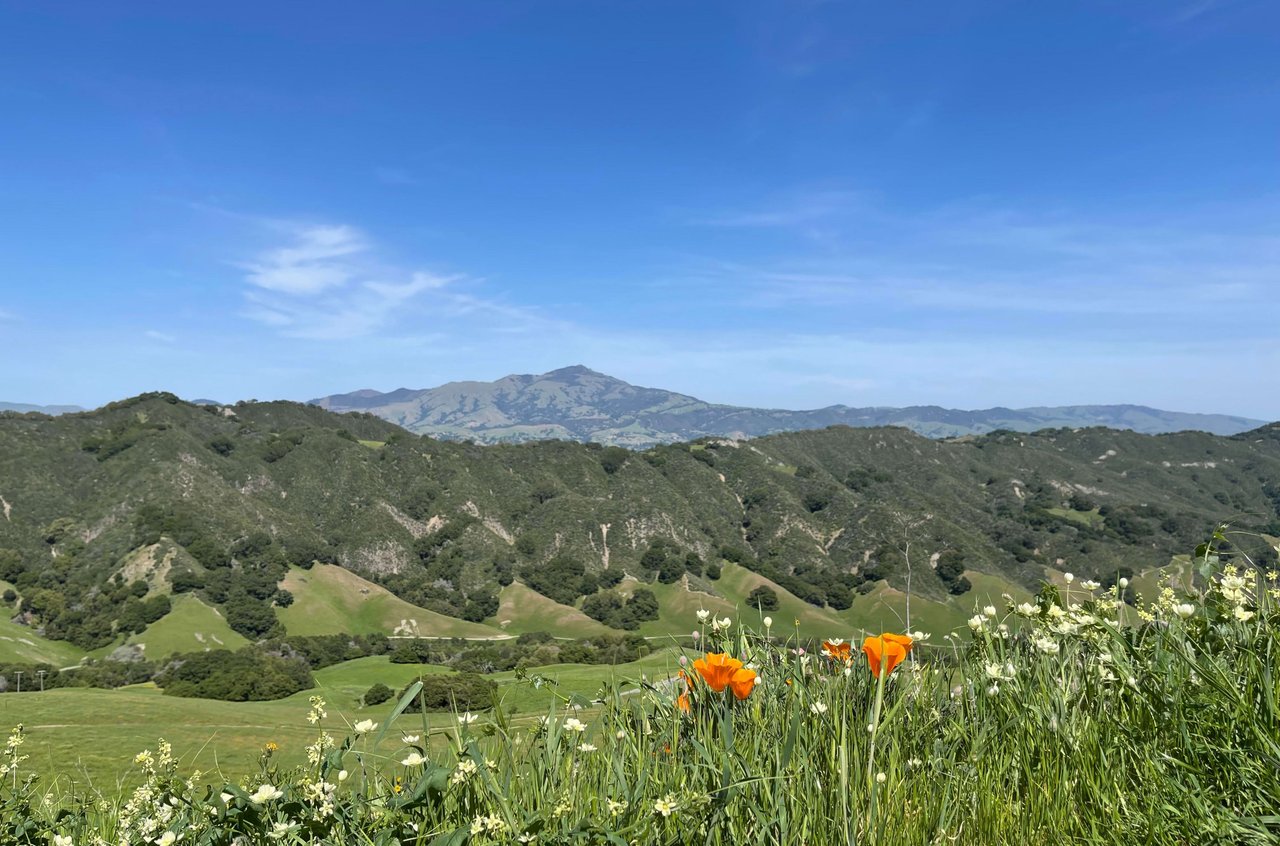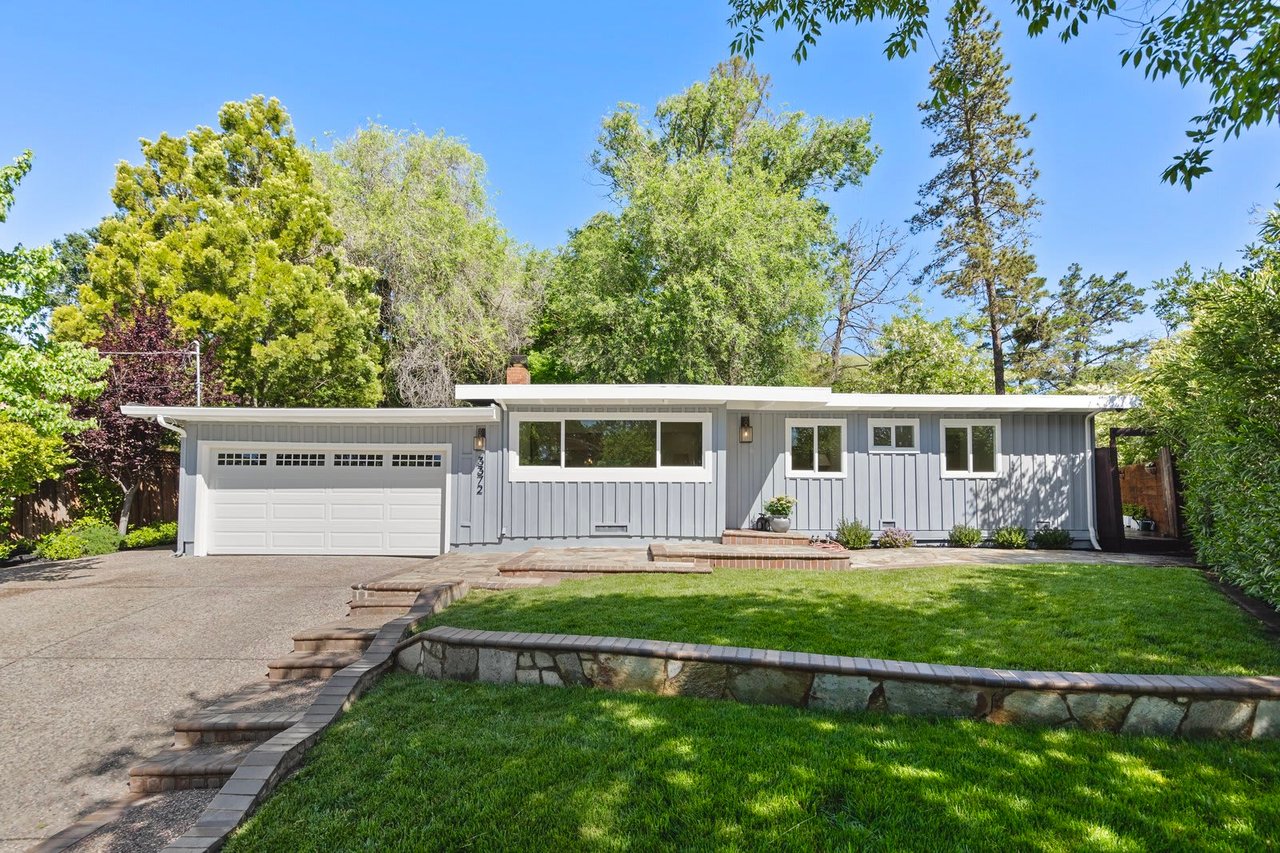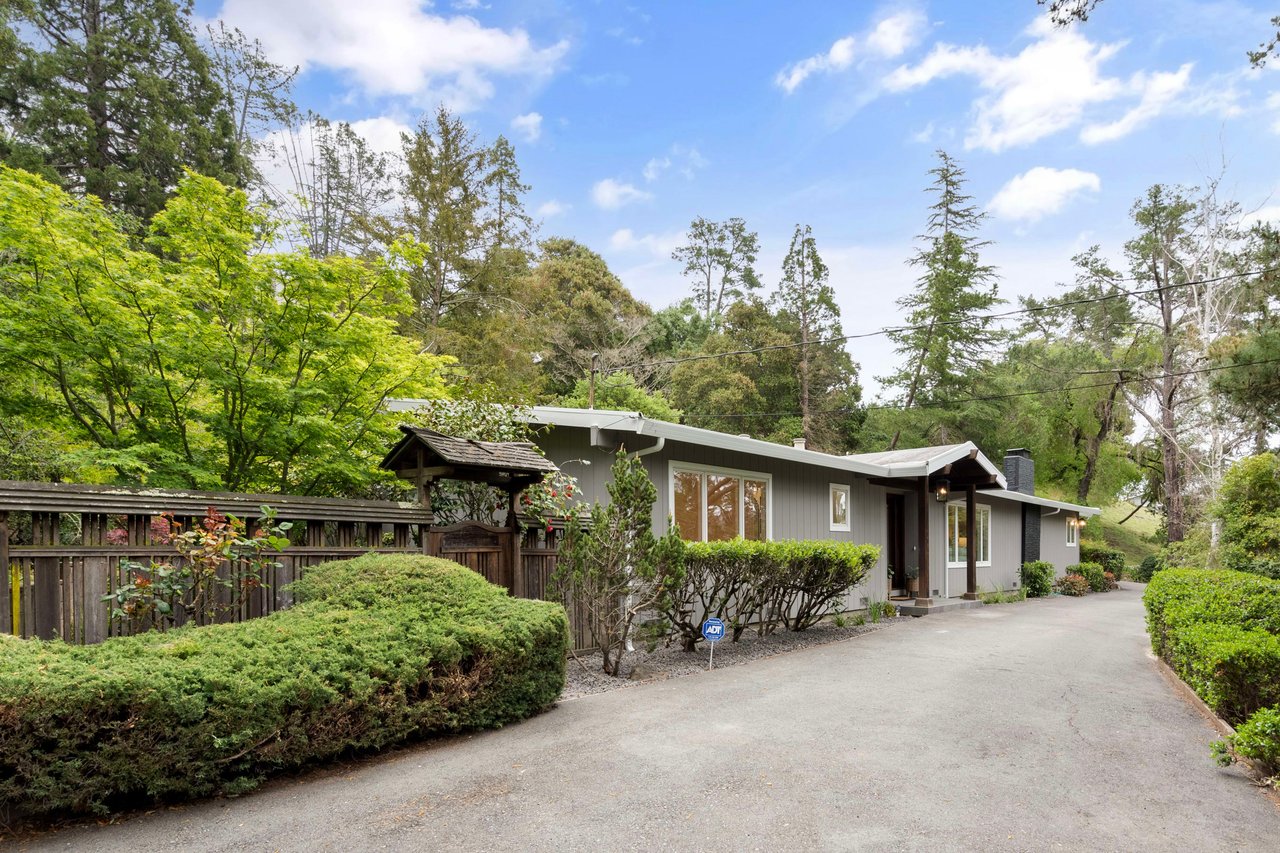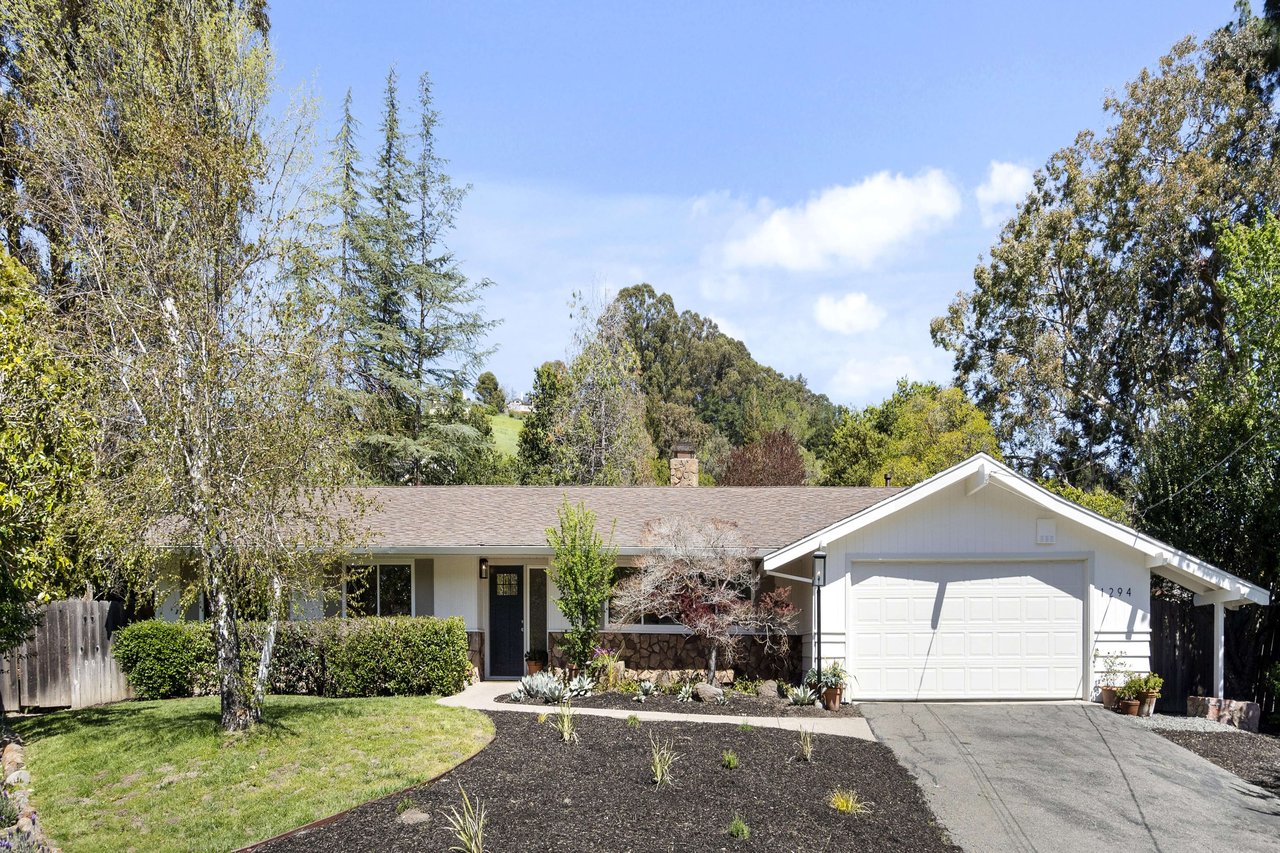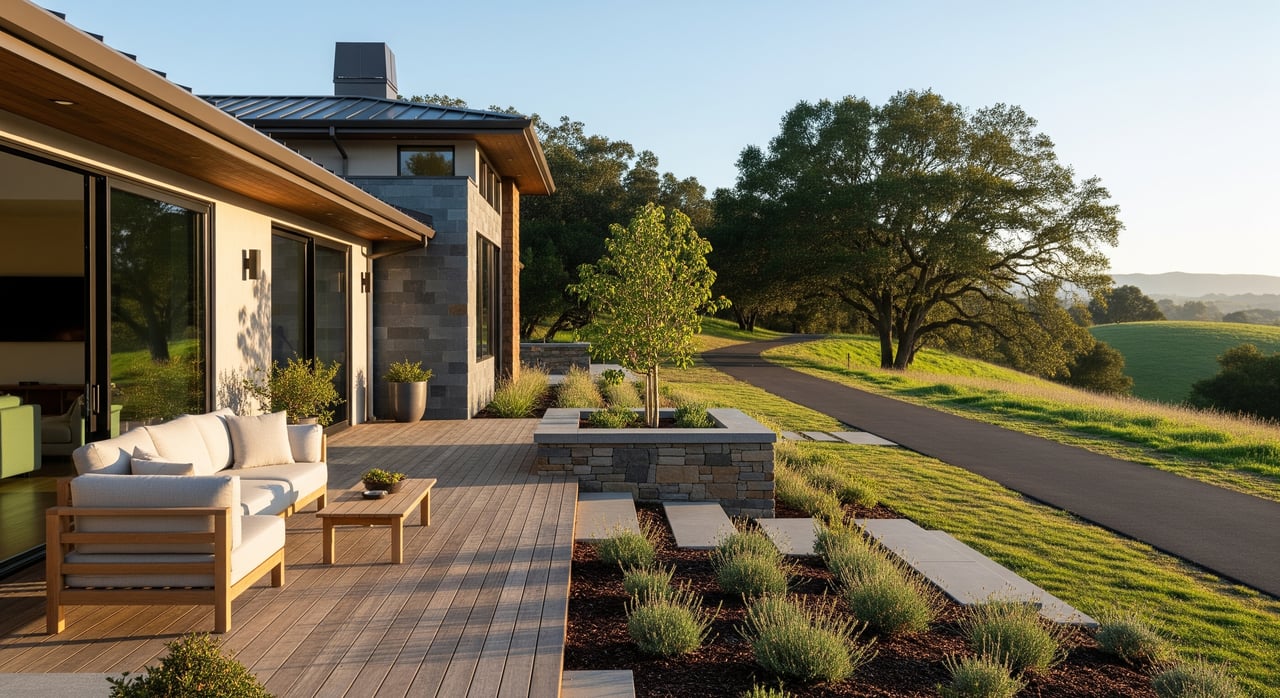
What if your morning workout, school drop-off, and coffee run all started from your front door without getting in the car? If you are looking at Lafayette or Moraga, living near the Lafayette–Moraga Regional Trail can make that your everyday routine. You want a home that fits your lifestyle and protects your investment, and trail access can do both when you understand the tradeoffs. In this guide, you’ll learn how the trail shapes daily life, what buyers value, how sellers can market it, and what to verify before you make a move. Let’s dive in.
The trail at a glance
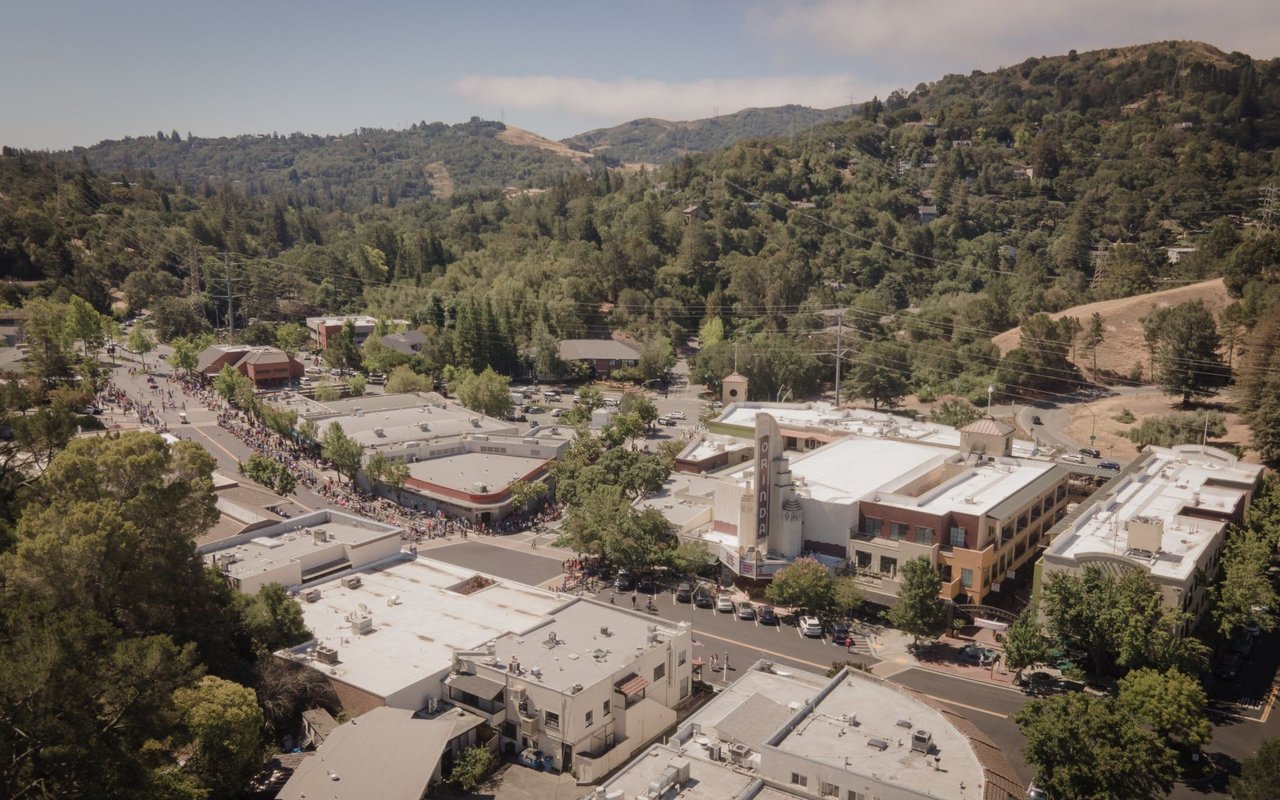
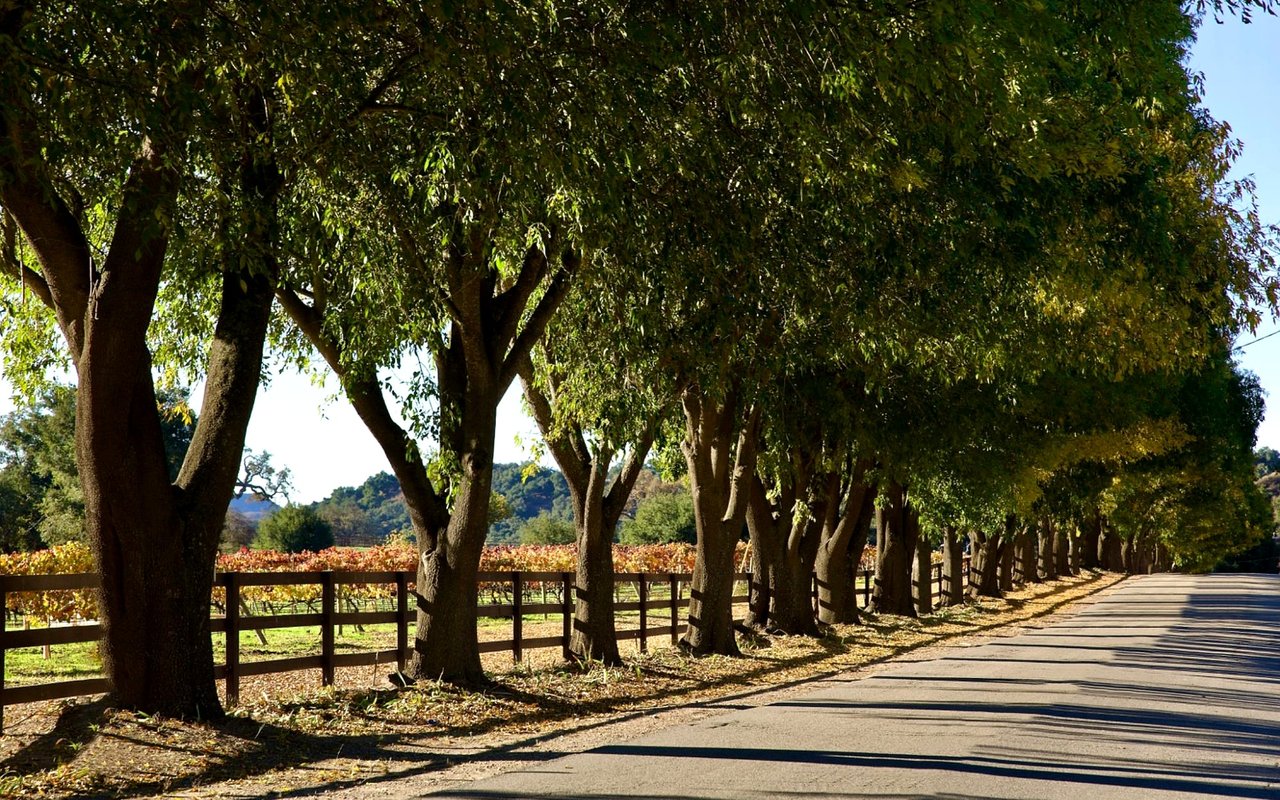
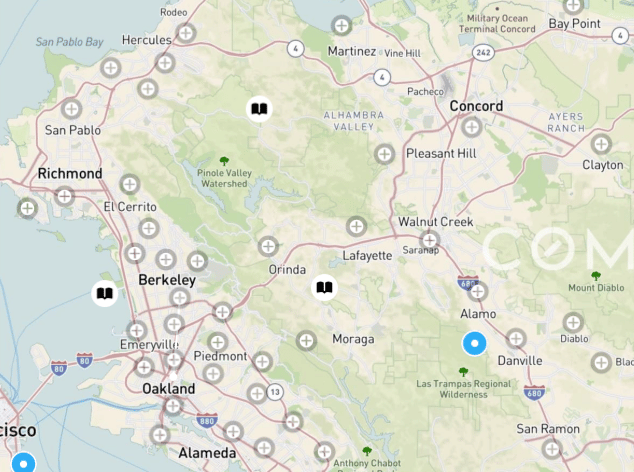
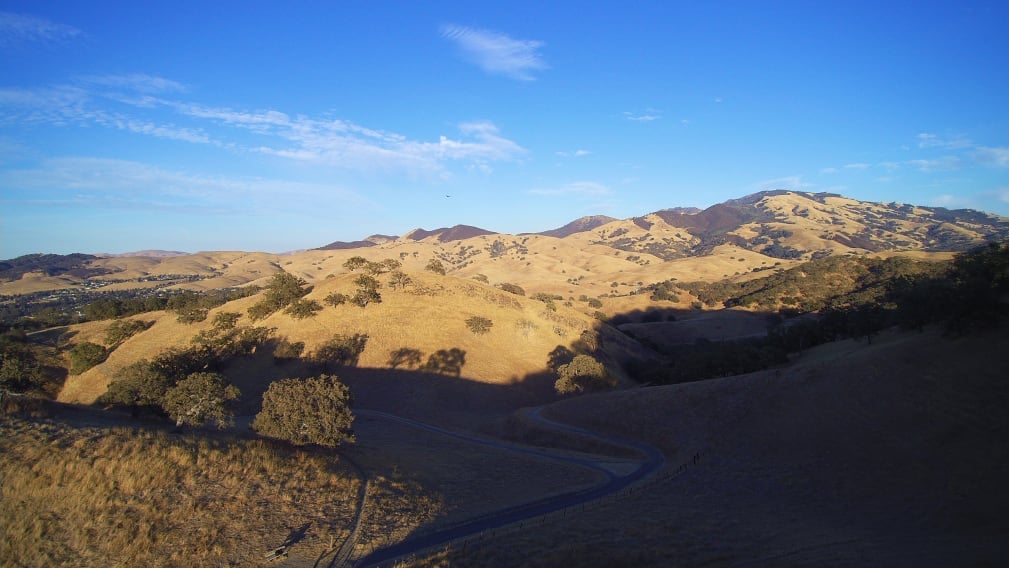
The Lafayette–Moraga Trail is a paved, primarily off-street path that links the towns of Lafayette and Moraga in Contra Costa County. You see walkers, runners, cyclists, strollers, and dog walkers using it throughout the day. The corridor connects neighborhood nodes, parks, schools, and retail districts including downtown Lafayette. It also supports first- and last-mile connections to regional transit and local services.
Trail management, permitted uses, and hours are set by local agencies. Rules for dogs, e-bikes, and events can vary by segment. Before you rely on any specific policy, check current guidance with the City of Lafayette, the Town of Moraga, and regional park or public-works offices. If you are listing a home, confirm rules and note them clearly, since buyers ask.
Daily life near the trail
Weekday routines
Many residents use the trail as a safe, traffic-separated route to downtown Lafayette and nearby schools and activities. For commuters, biking or walking to Lafayette BART can shorten the drive or remove it entirely on some days. Caregivers appreciate the stroller-friendly surface for quick walks between errands. You also see early-morning runners and after-work jogs because the consistent pavement makes it easy to keep a routine.
Weekends and evenings
On weekends the trail becomes a backbone for longer rides and family outings. You might plan a loop that finishes at a playground or a local cafe, then walk home along the same path. Social groups meet for dog walks, and neighbors use it to reach parks and farmer’s markets. The mix of recreation and daily utility gives the area a connected, small-town feel within the East Bay.
Who picks trail living
Trail-adjacent neighborhoods attract buyers who value easy, car-light routines. That includes people who want a practical walking or biking route to transit or town centers. Fitness-focused buyers appreciate the predictable, year-round access for runs and rides. Households with pets often look for quick, off-street walking options that start close to home.
Trail access in your search
Key features to prioritize
Buyers drawn to the trail tend to focus on a few practical features:
- Walkable distance to a trail entry, ideally with a clear route.
- Storage for bikes, e-bikes, strollers, and outdoor gear.
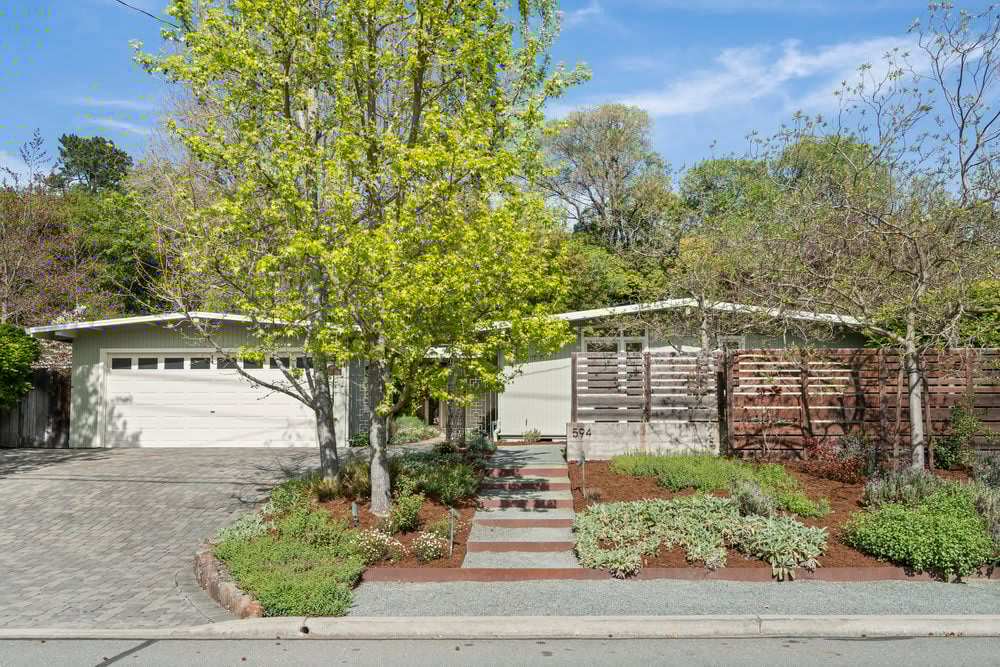
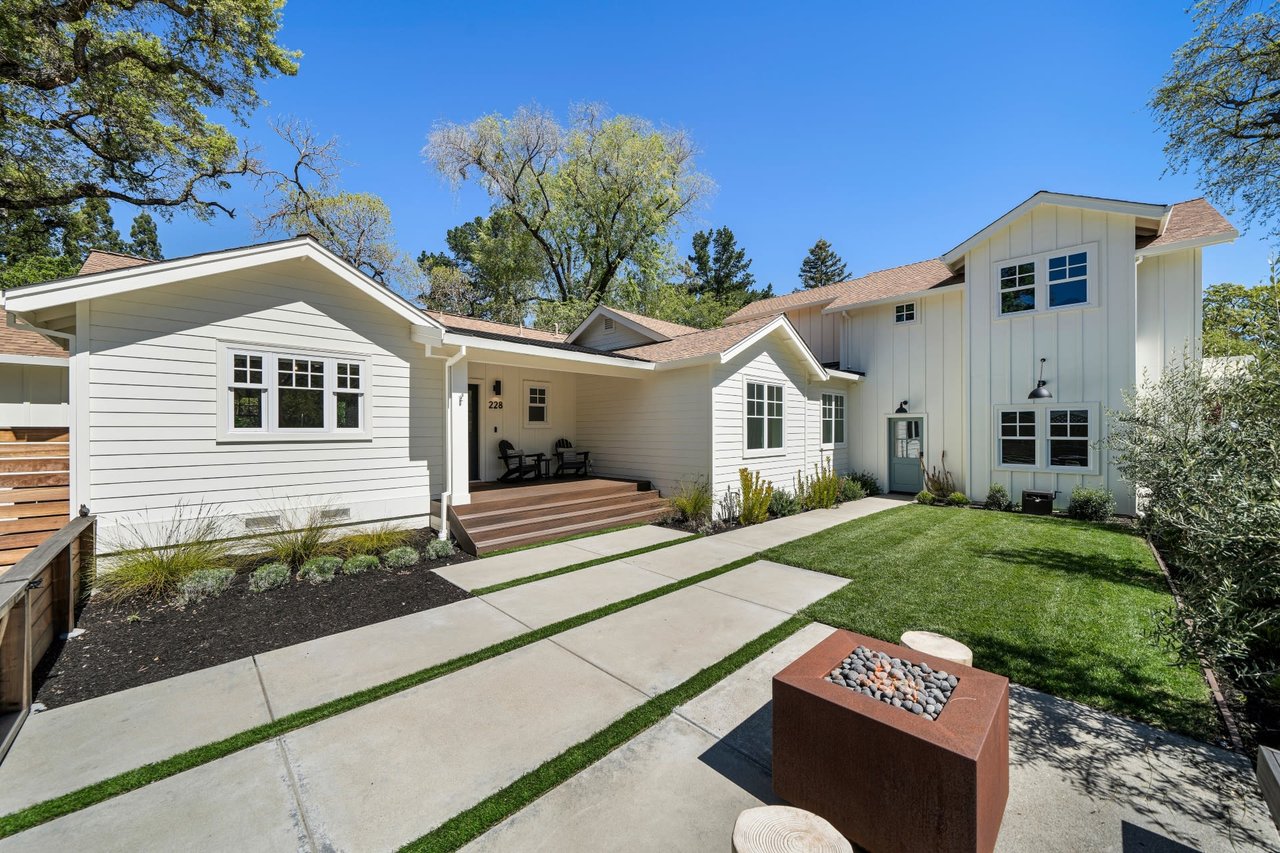
- Durable, low-maintenance yard surfaces that handle foot traffic and pets.
- Private outdoor spaces with screening from public pathways.
- Safe lighting and sightlines around entries and side yards.
When you tour, pay attention to how you would move from the front door to the trail with a bike or stroller. Also consider how the yard feels in relation to any nearby path. The right layout can give you easy access without giving up privacy.
Common tradeoffs to weigh
Every location comes with tradeoffs. A home directly on a busy trailhead may see more weekend activity and parking demand. Lots with open fences or low screening can feel exposed if the path runs behind them. On the other hand, homes a short walk away often balance quick access with more privacy. Think through your tolerance for activity and what improvements would address concerns.
Price and market effects
Proximity to high-quality trails and parks is commonly cited by buyers as a desirable amenity. It can support a pricing premium compared to similar homes that lack easy access. The exact impact depends on local inventory, schools, distance to amenities, and parcel specifics. Highly visible or heavily trafficked adjacencies may not realize the same premium if privacy or noise concerns dominate the buyer’s impression.
Selling near the trail
Messaging buyers want
Lead with lifestyle. Help buyers picture simple routines the home enables, such as “morning run, coffee, and back in time for a 9 a.m. meeting,” or “bike to transit without mixing with car traffic.” When accurate, pair trail access with transit convenience and nearby schools for a complete value story. Be specific about proximity with verified claims such as estimated walking minutes to the nearest trail entry.
Also highlight functional features that matter to active buyers. Note bike or e-bike storage, garage outlets for charging, mudroom hooks and benches, and washable surfaces near entries. These small details show the home supports an everyday trail lifestyle.
Staging that resonates
Staging can showcase a trail-friendly way of living:
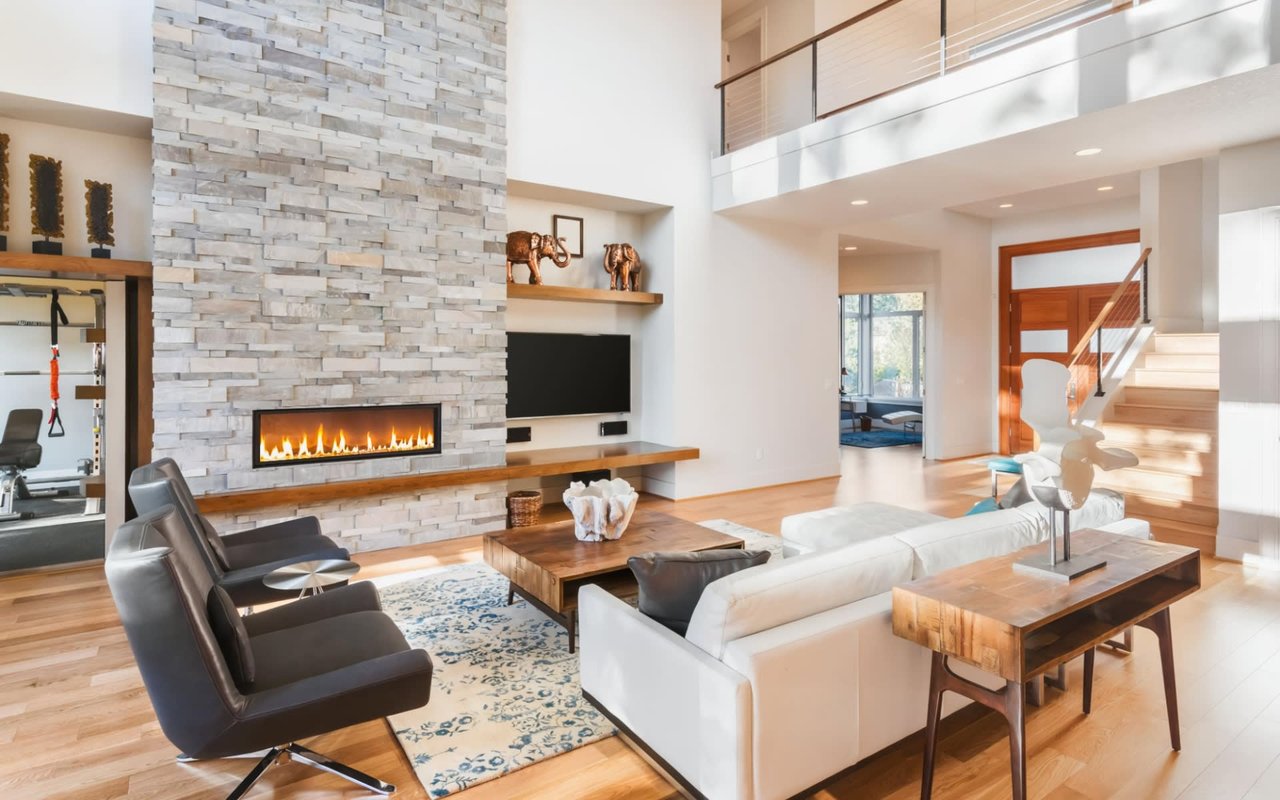
- Create a simple mudroom setup with hooks, a bench, and durable rugs.
- Organize bike racks or wall mounts and show charging access if available.
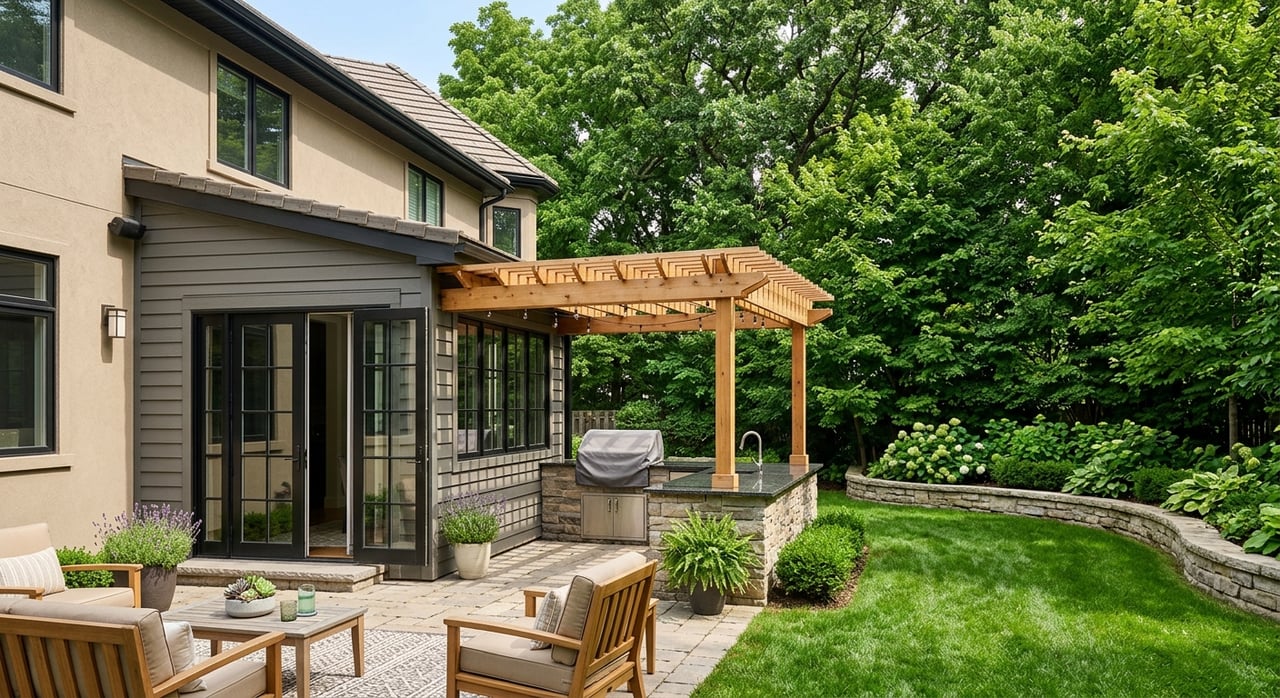
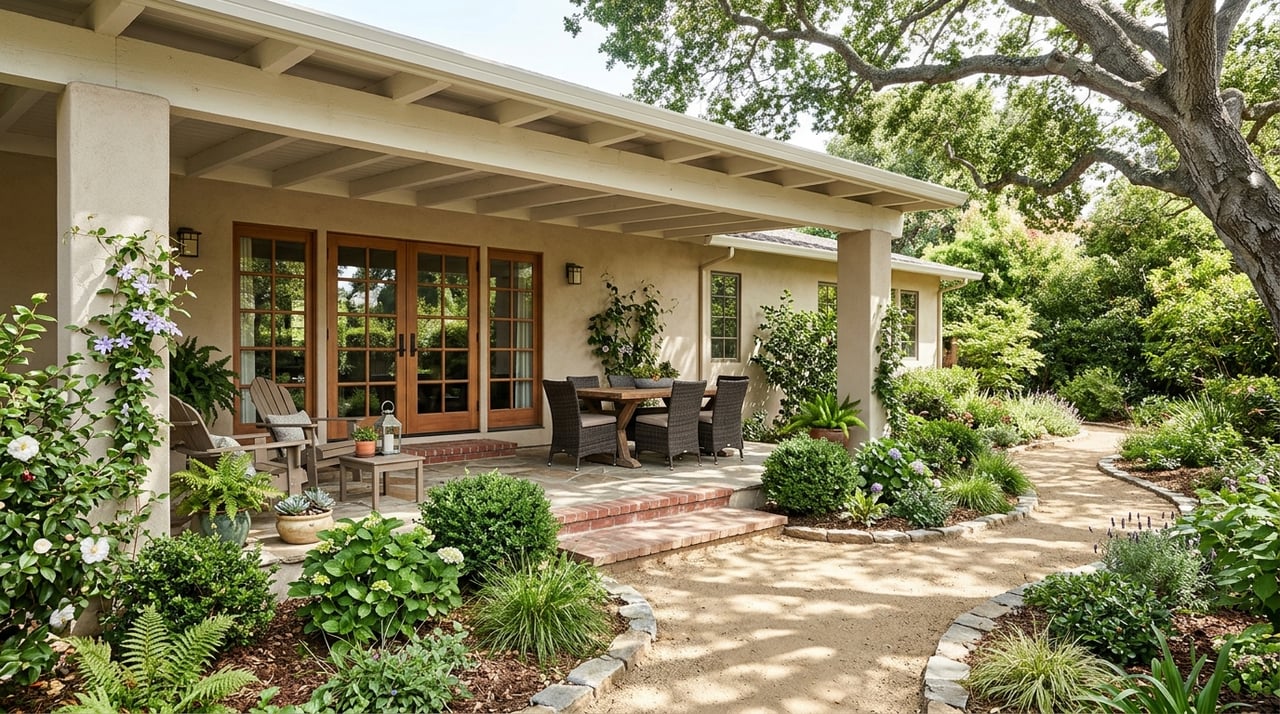
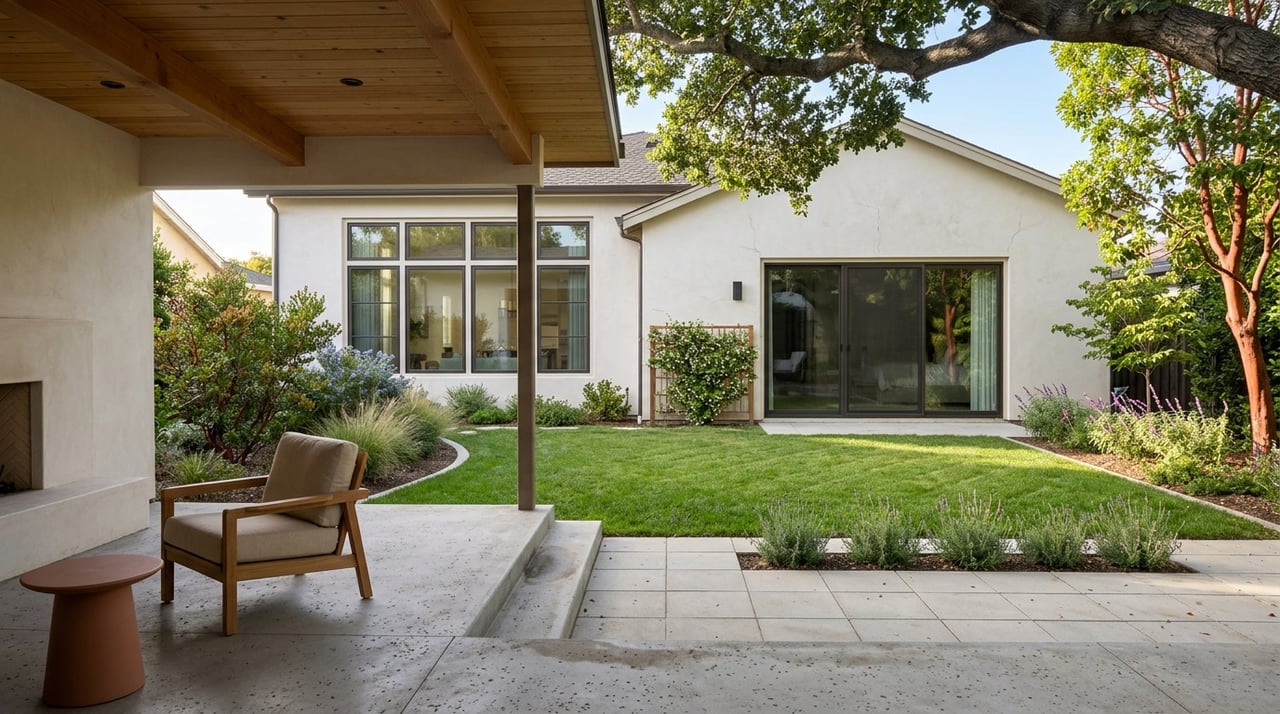
- Emphasize backyard privacy with plants or screens where appropriate.
- Highlight outdoor lighting and secure gates to support safe, easy use.
Photos should include the nearest trail entry if allowed, early-morning light on outdoor spaces, and a clean, organized gear area. Visuals help buyers connect the dots between the house and the trail.
Showings and open houses
Plan for visitors who arrive with bikes or walking gear. Keep paths clear and emphasize the flow from front door to outdoor spaces. If buyers ask about privacy, share common usage patterns, such as typical peak times, and point to any screening or lighting. Small adjustments like tidy side yards and labeled storage can make a strong impression.
Safety and rules to verify
Before you buy or sell, verify the details that affect value and peace of mind. Start with a simple checklist:
- Confirm whether any part of the property borders a public easement or trail right-of-way.
- Review local fence, setback, and planting rules along the trail.
- Check permitted uses for bikes, e-bikes, dogs, and hours with the managing agency.
- Ask about trail maintenance schedules or planned improvements nearby.
- Clarify any homeowner responsibilities for vegetation or drainage along the edge.
- Consider wildfire risk and defensible-space requirements common in the East Bay hills.
- Disclose any known issues related to trail proximity, such as trespass or drainage.
These items are straightforward to confirm with city or town departments and regional park contacts. If you are listing, include relevant facts in your disclosures and marketing copy to build trust with buyers.
Day-in-the-life snapshots
Picture a weekday morning. You step out with the dog, walk a quick loop on the trail, and return to swap shoes for a short bike ride to transit. After work, you jog the same route and end at a neighborhood market for dinner. The routine feels simple because most of it happens off-street.
Now think about a Saturday. You roll out for a longer ride, then meet friends at a park that sits along the corridor. Lunch in town is a short walk, and the afternoon ends with a relaxed family stroll. Even if plans change, the trail ties together errands and recreation without a car-heavy day.
If you are hosting guests, the trail becomes an easy activity that starts at your front door. A shaded afternoon walk, a playground stop, and a quick coffee or ice cream break can all fit into an hour. That flexibility is what draws many people to trail-adjacent living.
Work with a local expert
Trail living rewards careful planning. You want accurate proximity claims, practical staging that proves the lifestyle, and a clear plan for any privacy or maintenance questions. That is where a team with construction literacy and polished marketing can make a difference.
The Paddy Kehoe Team is a boutique, Compass-affiliated group based in Lafayette with deep Lamorinda roots. The team pairs builder-level expertise with productized marketing, which means your home can be improved, staged, photographed, and presented to highlight trail-driven value. For buyers, the same construction lens helps you evaluate storage options, yard screening, lighting, and small upgrades that make daily trail use effortless. You get local relationships and a process designed for measurable results.
If you are considering a move along the Lafayette–Moraga Trail, schedule a free Home Strategy Session with the Paddy Kehoe Team. We will help you verify key details, model your options, and create a plan that fits your goals.
FAQs
Are bikes and dogs allowed on the Lafayette–Moraga Trail?
- The trail is multi-use and commonly serves walkers, runners, and cyclists; dog and e-bike rules can vary by segment, so confirm current policies with city or park agencies.
Does living by the trail increase home value?
- Trail access is a desirable amenity that can support a pricing premium relative to similar homes without it, though the effect depends on market conditions and property specifics.
Is trail proximity noisy or disruptive for homeowners?
- Many residents view the trail as a community asset; homes near busy trailheads may see more activity, and yard screening often addresses privacy concerns.
Who maintains the Lafayette–Moraga Trail?
- Maintenance typically falls to the agency that operates the corridor, which may be a city, town, county, or regional park entity; check local public-works or parks pages for current info.
What should sellers highlight when listing near the trail?
- Verify and share walk-time to the nearest entry, show gear storage and mudroom solutions, and connect trail access with nearby transit and services in your marketing copy.