Thinking about listing your Lafayette home and wondering what buyers will find during inspections? You are not alone. A pre-listing inspection gives you a clear picture of your home’s condition, helps you complete disclosures confidently, and reduces surprises once you go on the market. In this guide, you will learn what a pre-listing inspection covers in Lafayette, which specialty reports matter most, expected costs and timing, and how to use the results to price and negotiate with confidence. Let’s dive in.
Pre-listing basics
A pre-listing inspection is a visual evaluation of your home’s major systems before you hit the market. It helps you decide what to repair, what to disclose, and how to price. You can also order additional specialty inspections based on the age and features of your property.
In California, you must disclose known material facts about your home. Pre-listing inspections give you concrete information to support the Transfer Disclosure Statement and the Natural Hazard Disclosure, so buyers understand the home and you reduce risk of late-stage negotiations.
General inspection scope
A full general home inspection is your starting point. Inspectors typically follow standardized, visual checklists and do not open walls or perform destructive testing. Expect a written report with photos and recommendations. Common areas covered include:
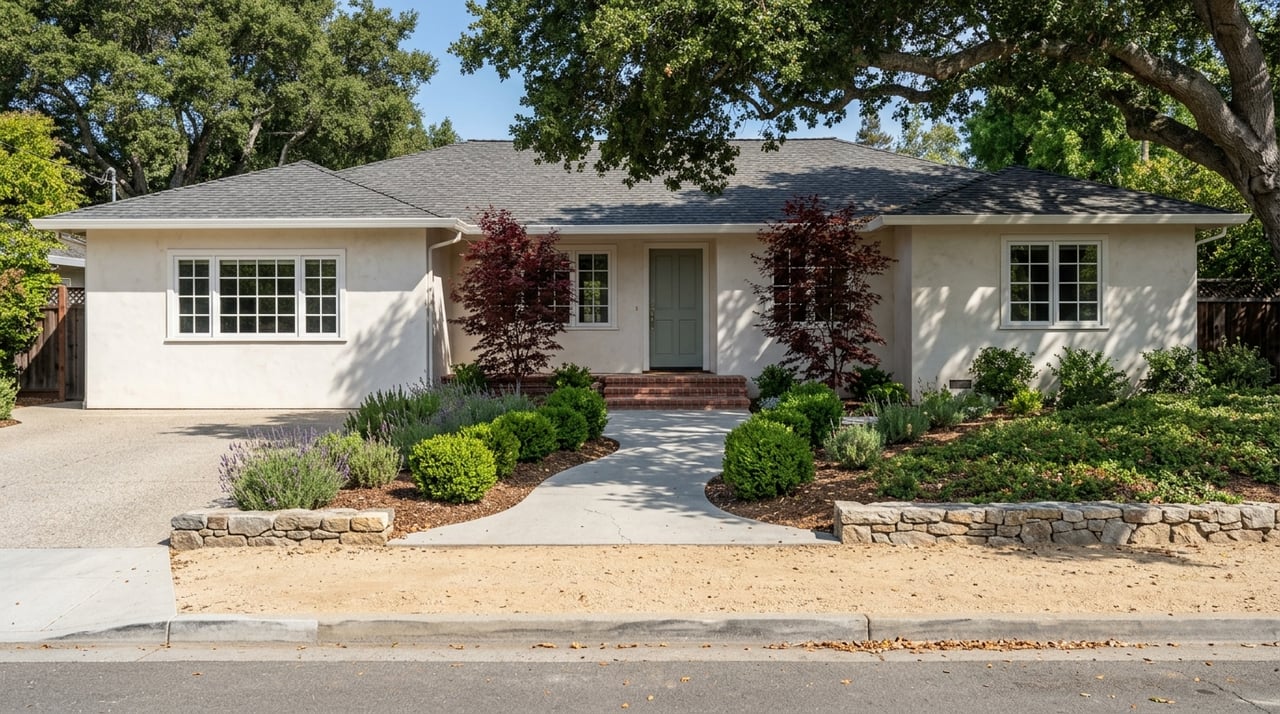
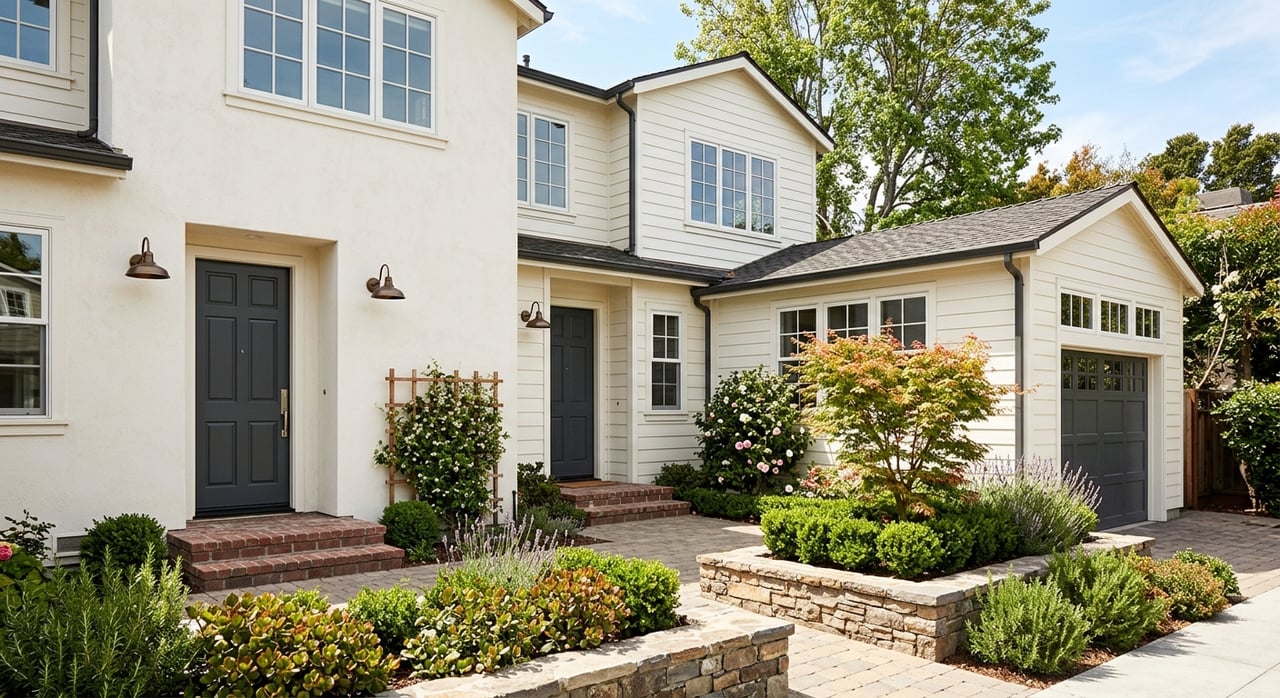
- Exterior: roof covering condition, gutters and downspouts, siding or stucco, windows and doors, grading and drainage, decks and patios, visible retaining walls.
- Structure: visible foundation, signs of settlement or significant cracks, exposed beams or cantilevers.
- Roof and attic: covering age and condition, flashing, penetrations, attic insulation and ventilation, visible roof framing.
- Plumbing: visible supply and drain lines, fixtures, water heater condition and strapping, water pressure, signs of leaks, age and type of piping.
- Electrical: service size, panel condition, visible wiring, and safety devices like GFCI and AFCI where required.
- HVAC: furnace and AC operation, approximate age, visible ducting.
- Interior and safety: walls and ceilings, windows, doors, appliances as inspected, stair conditions, handrails and guardrails, smoke and CO detectors.
- Garage and site: garage door operation and egress, visible site issues that may affect the home.
Specialty inspections to consider
Based on what the general inspection reveals and what is common in Lafayette, you may add targeted inspections to fill in the details.
- Wood-destroying organism (WDO) / termite inspection: A licensed operator documents active infestation, wood decay, and conducive conditions like moisture or wood-to-soil contact. Sellers often use this to address issues proactively.
- Sewer lateral camera scope: Tree roots and older clay laterals can cause intrusion or offsets. A scope identifies clogs, bellies, and collapsed sections. Repairs can be costly, so this is high value for older homes or mature-tree lots.
- Roof inspection by a roofing contractor: Confirms remaining life, flashing details, and whether multiple layers are present. Helpful for precise estimates.
- HVAC, electrical, and plumbing specialists: If older or flagged systems need further evaluation, licensed contractors can provide code-level assessments and written estimates.
- Foundation or structural engineer: For slope movement, significant cracks, retaining walls, or settlement, an engineer’s diagnosis and cost range adds clarity.
- Targeted environmental testing: Mold, lead, asbestos, or radon, as applicable to the home’s age and any visible water damage. These are not part of a standard general inspection unless requested.
- Other features: Pool or spa inspections, chimney inspections, and septic or well inspections if present.
Lafayette-specific findings to expect
Local conditions shape common inspection notes in Lafayette and the East Bay hills:
- Roof age and wear: Many homes show nearing end-of-life roofs or multiple shingle layers that will need planning.
- Drainage and grading: Hilly parcels and heavy seasonal rains highlight grading, gutter, and downspout issues that can affect foundations.
- Stucco and moisture: Older stucco can crack, and inspectors may recommend further evaluation if moisture intrusion is suspected.
- Seismic vulnerabilities: Unstrapped water heaters, unreinforced chimneys, and soft-story elements are common notes in our earthquake region.
- Wood decay and pests: Mature landscaping and irrigation overspray can lead to rot at decks, eaves, and siding; WDO findings are not unusual.
- Sewer lateral defects: Root intrusion and clay pipe degradation occur in older neighborhoods.
- Deck and railing safety: Rot at connections and missing fasteners are frequently flagged.
- Older systems: Outdated electrical service or missing safety devices, plus aging HVAC or water heaters.
Wildfire, seismic, and slope considerations
Lafayette’s setting means hazard awareness adds value to your inspection plan. Inspectors often comment on vegetation clearance, access, and defensible-space considerations due to regional wildfire risk. They also note seismic safety items such as water heater strapping and chimney vulnerabilities. For hilly lots, grading, retaining walls, and erosion control tie directly to foundation health and should be assessed and documented.
Timing and costs
For a smooth sale, order your pre-listing inspection 2 to 6 weeks before going to market. That window gives you time to obtain estimates, complete select repairs, and finalize disclosures. Typical Lafayette ranges:
- General home inspection: about $400 to $800, based on size and age.
- WDO/termite inspection: about $100 to $300.
- Sewer lateral scope: about $150 to $400.
- Roof inspection by contractor: about $200 to $500.
- Specialty trades or engineering: about $300 to $2,000 or more, depending on scope.
Keep in mind these are inspection fees. Repair costs vary widely and are separate.
What to do after the report
Use a simple three-path framework with your agent:
- Proactive repairs: Fix safety hazards, leaks, and high-visibility items. This lowers buyer negotiation leverage, speeds escrow, and can support stronger pricing. Save all invoices and permits.
- Sell “as is” with full transparency: Disclose the reports and offer pricing or credits that reflect known work. This can attract buyers who prefer to manage projects and can still produce a clean, quick close.
- Hybrid approach: Complete low-cost, high-impact fixes and disclose larger items with written estimates. This balances budget and buyer confidence.
Pricing and negotiation impact
Inspection findings help you set a realistic price and anticipate buyer reactions. If you repair major items upfront and provide documentation, buyers have less basis to request large concessions. Sharing reports with your disclosure packet reduces surprises during buyer contingencies and can shorten negotiations. Some sellers market the home as “inspected and repaired” to signal transparency and reduce risk concerns.
Disclosures made easier
California sellers must provide the Transfer Disclosure Statement and a Natural Hazard Disclosure, along with any other required forms. Pre-listing inspections help you disclose known material facts accurately, including condition, repairs completed, and any specialist evaluations. Keep invoices, permits, and warranties organized so buyers can verify that licensed professionals performed the work.
Best practices for Lafayette sellers
- Start with a reputable local general inspector who understands East Bay conditions.
- Add WDO and sewer scopes for older homes or mature-tree lots; consider roof and structural assessments as needed.
- Vet inspectors and contractors: look for credentials, insurance, references, and clear sample reports.
- Get written repair estimates before you list; factor any permits and timelines into your marketing plan.
- Decide your strategy with your agent based on repair costs, market conditions, and your goals.
- Document everything and include appropriate reports in your disclosure packet.
Pre-inspection checklist
Use this quick prep list to get the most from your inspection day:
- Clear access to attic, crawlspace, electrical panels, furnace, and water heater.
- Unlock gates, garages, and accessory spaces.
- Replace burned-out bulbs; test smoke and CO detectors.
- Clean gutters and downspouts; move debris away from the foundation.
- Trim vegetation away from siding, decks, and roof edges where safe to do so.
- Gather any past permits, warranties, and service records for reference.
Ready to put this plan to work? If you want a practical, renovation-savvy strategy that uses inspections to drive price and reduce stress, the Paddy Kehoe Team can help you determine which inspections to order, what to repair, and how to present your home for the strongest market response.
FAQs
What is a pre-listing inspection and is it required in Lafayette?
- A pre-listing inspection is a voluntary, visual assessment of your home’s major systems before you list; it is not required, but it helps you disclose accurately and reduce surprise repair requests later.
Do buyers still do their own inspections if I do one first?
- Yes, most buyers will perform their own inspections, but your pre-listing reports reduce the chance of late-stage surprises and can streamline negotiations.
Which specialty inspection delivers the most value in Lafayette?
- WDO/termite and sewer lateral scopes are high-value for many local homes due to mature landscaping, older plumbing materials, and climate-related moisture concerns.
How much should I budget for common inspections?
- Plan roughly $400 to $800 for a general inspection, $100 to $300 for WDO, $150 to $400 for a sewer scope, and $200 to $500 for a roof evaluation, with specialists as needed.
Should I repair or sell “as is” after I get the report?
- Consider a hybrid: fix safety and high-visibility issues, then disclose larger items with estimates; this balances upfront cost with buyer confidence and negotiation strength.
How do wildfire, seismic, and slope risks factor into inspections?
- Inspectors often note defensible-space considerations, water heater strapping, chimney or soft-story vulnerabilities, and drainage or retaining wall conditions that relate to local hazards.
Do I need to confirm sewer lateral requirements before selling?
- Some Bay Area jurisdictions have sewer lateral rules; verify your property’s specific requirements with local authorities and align your plan with your agent.