Torn between Lafayette’s Trails neighborhood and Downtown Lafayette? You are not alone. You might love the idea of early-morning runs on a paved trail, but you also want a quick walk to coffee, dining, and BART. In this guide, you’ll see how these two sought-after areas compare on walkability, trail access, commute options, housing types and prices, schools, lifestyle, and long-term value. Let’s dive in.
Quick side-by-side
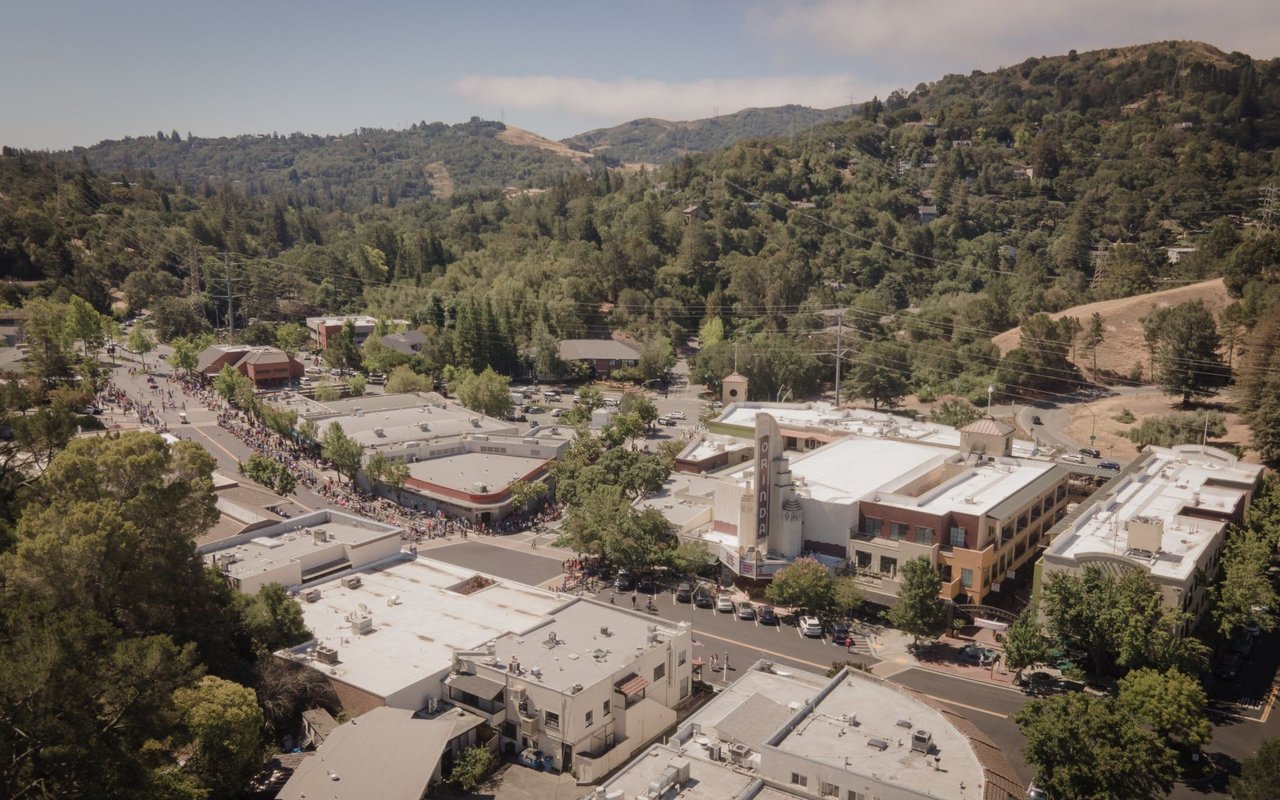
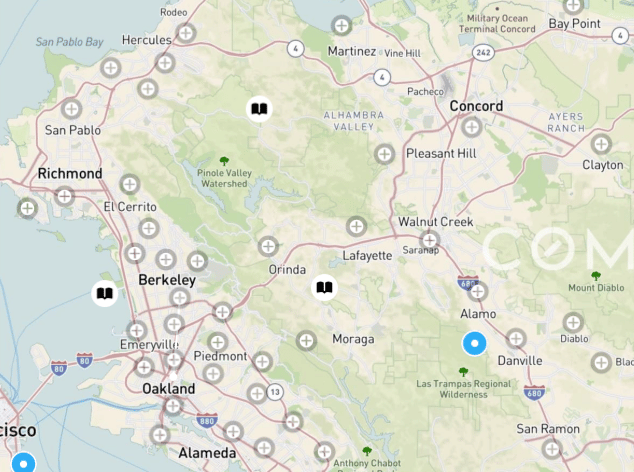
- Lifestyle focus: Trails offers quieter, residential streets with direct Lafayette–Moraga Trail access. Downtown centers on Mt. Diablo Blvd’s restaurants, shops, events, and quick BART access.
- Walkability: Downtown blocks are commonly described as very walkable, with some addresses scoring in the 80s on Walk Score. Trails is more moderately walkable, often in the 40–50 range. Always check the specific address on Walk Score’s Lafayette page.
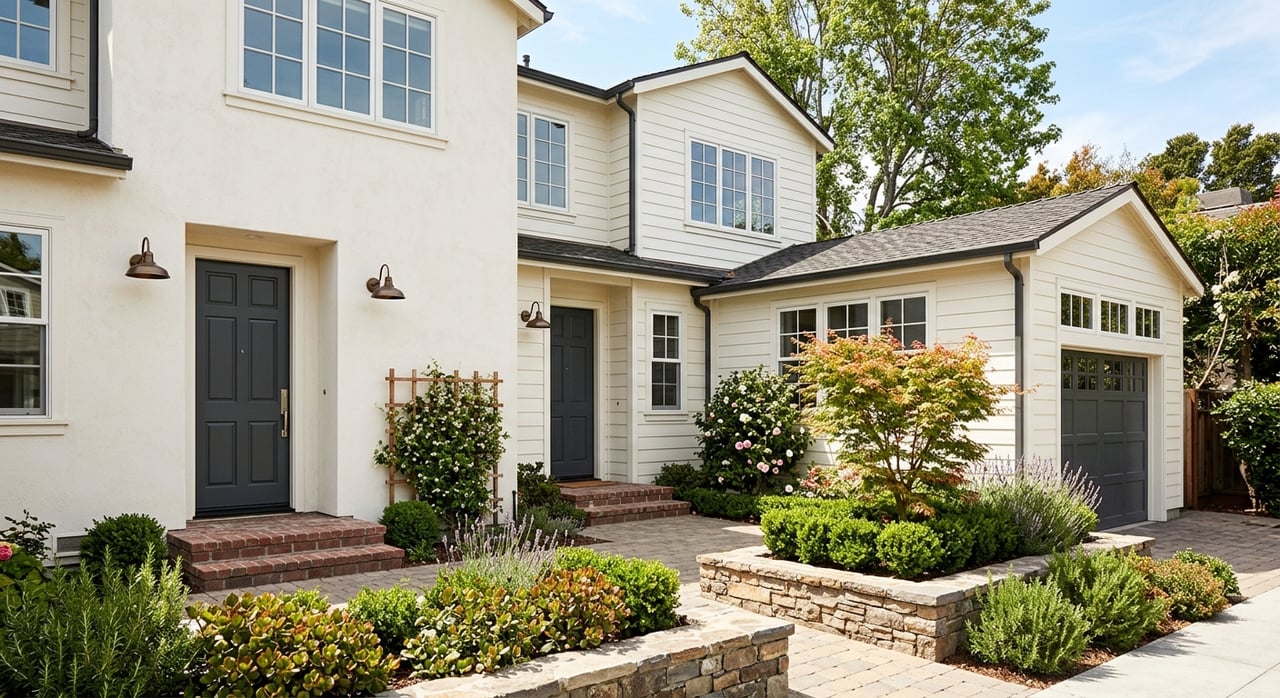
- Housing types: Trails is dominated by single-family homes on larger lots. Downtown adds more condos and townhomes alongside smaller-lot single-family homes.
- Price signals: Redfin reported a Trails median sale price around $2.3M in Dec 2025, while other portals show Trails medians closer to the high-$1M to low-$2M range. Downtown medians are often cited around $1.5M–$1.9M depending on data window. Use these as general ranges and confirm live comps with a local agent.
- Active access vs amenities: Trails puts the multi-use path at your doorstep. Downtown puts daily needs, events, and BART within a short walk.
Walkability and trails
Lafayette–Moraga Trail basics
The Lafayette–Moraga Regional Trail is a paved, multi-use, 7.65-mile corridor used for walking, jogging, and cycling. It runs through Lafayette with staging areas near Olympic Blvd, St. Mary’s, Lucille Lane, and Moraga Rd, with ADA-accessible segments noted by the park district. Learn more from the East Bay Regional Park District’s trail page.
Downtown vs Trails on foot
Downtown addresses near Mt. Diablo Blvd typically score higher for walkability. Many daily errands can be done on foot, and BART is close. In Trails, you trade some retail walkability for easier, quieter access to the paved trail and nearby open space. Check the exact address on Walk Score and map your errands.
City projects improving links
Lafayette is funding safer walking and biking connections between the trail, downtown, and schools through the Connecting Lafayette effort. Design and construction phases are in city documents. See project info on the city’s page for Stanley Middle School area enhancements. These projects aim to make daily non-car trips easier over time.
BART and transit
BART access and improvements
The Lafayette BART station (3601 Deer Hill Rd) is the city’s regional transit anchor with frequent service to Oakland and San Francisco. Station details and schedules are on the BART station page. BART has announced work on an improved Town Center pathway and an unattended bike station project, with construction activity noted for 2026. Read more in the BART project news.
Parking and first/last mile
Downtown has limited curb and garage space. Many condos include assigned parking, but on-street space can be tight. Single-family homes in Trails typically include private driveways and garages. If you drive to BART, review BART’s parking guide for daily and permit options. If you prefer the bus, County Connection operates routes that link neighborhoods with BART and local destinations.
Commute times and planning
The U.S. Census reports a mean travel time to work of about 29 minutes for Lafayette residents (2019–2023 estimate). See the city’s QuickFacts on census.gov. For door-to-door times to Oakland or San Francisco, your results will vary by time of day and transfers. Use real-time trip planners before touring homes.
Housing and prices
Trails housing character
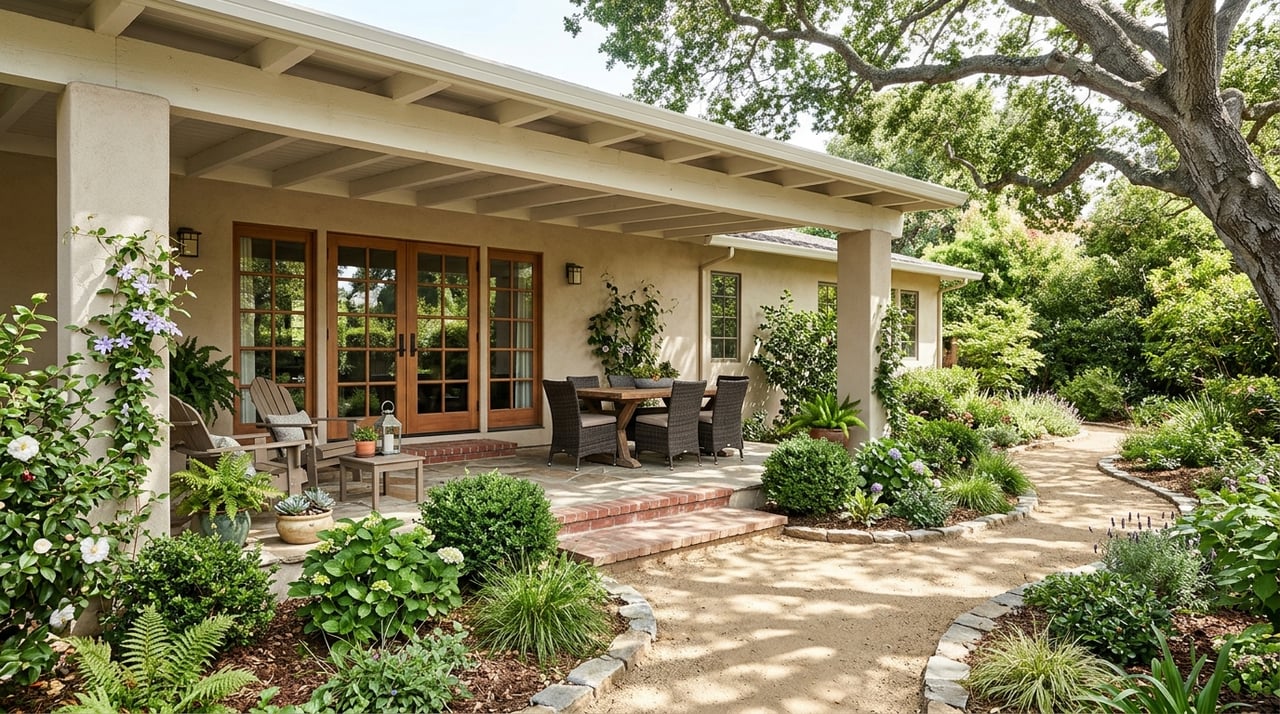
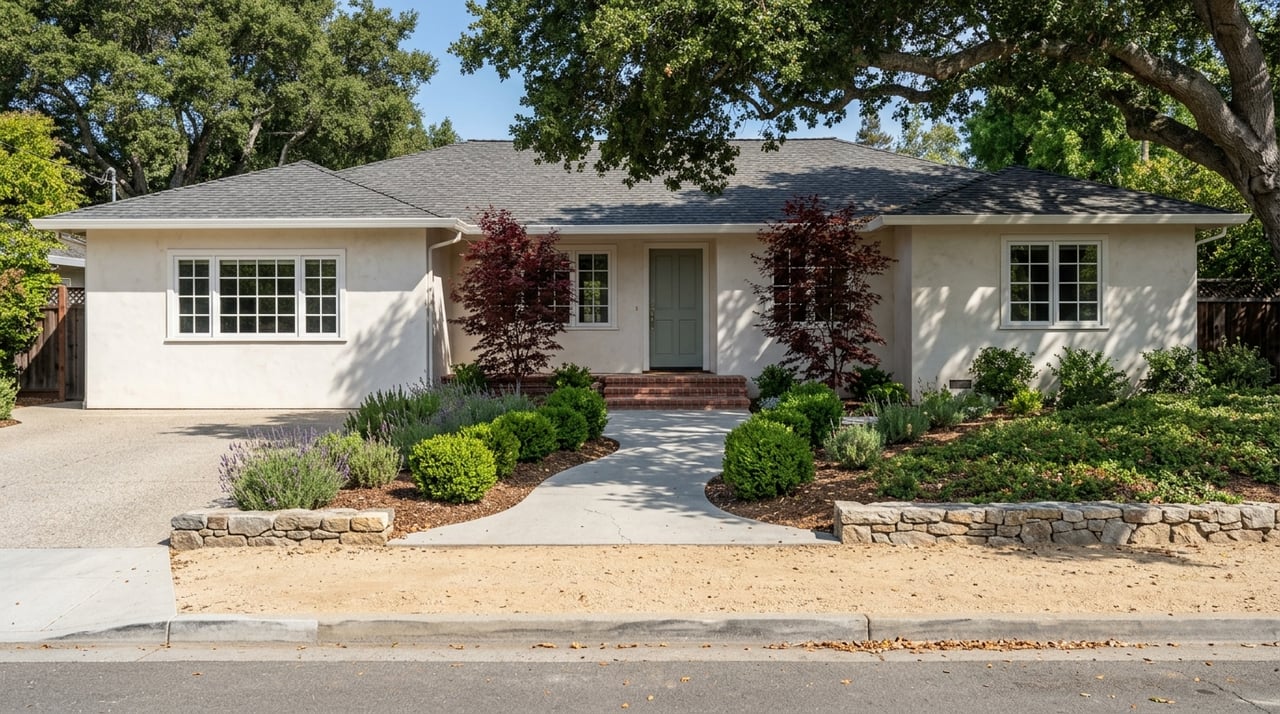
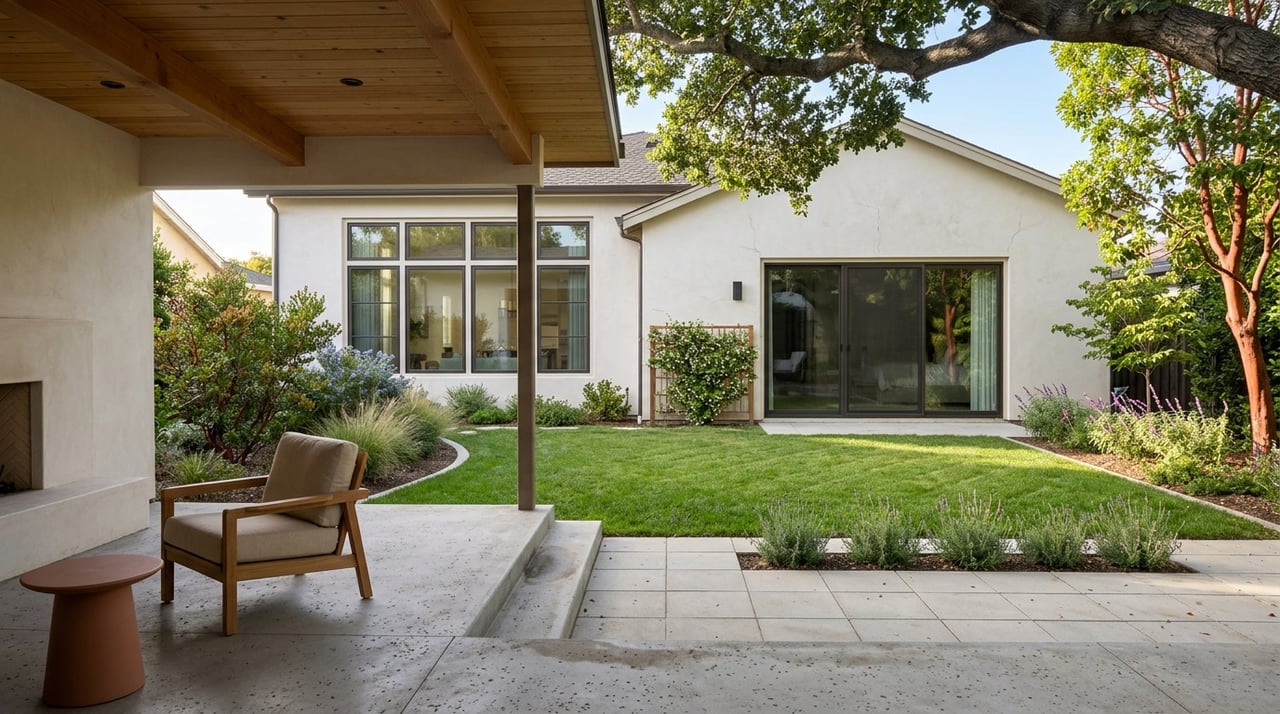
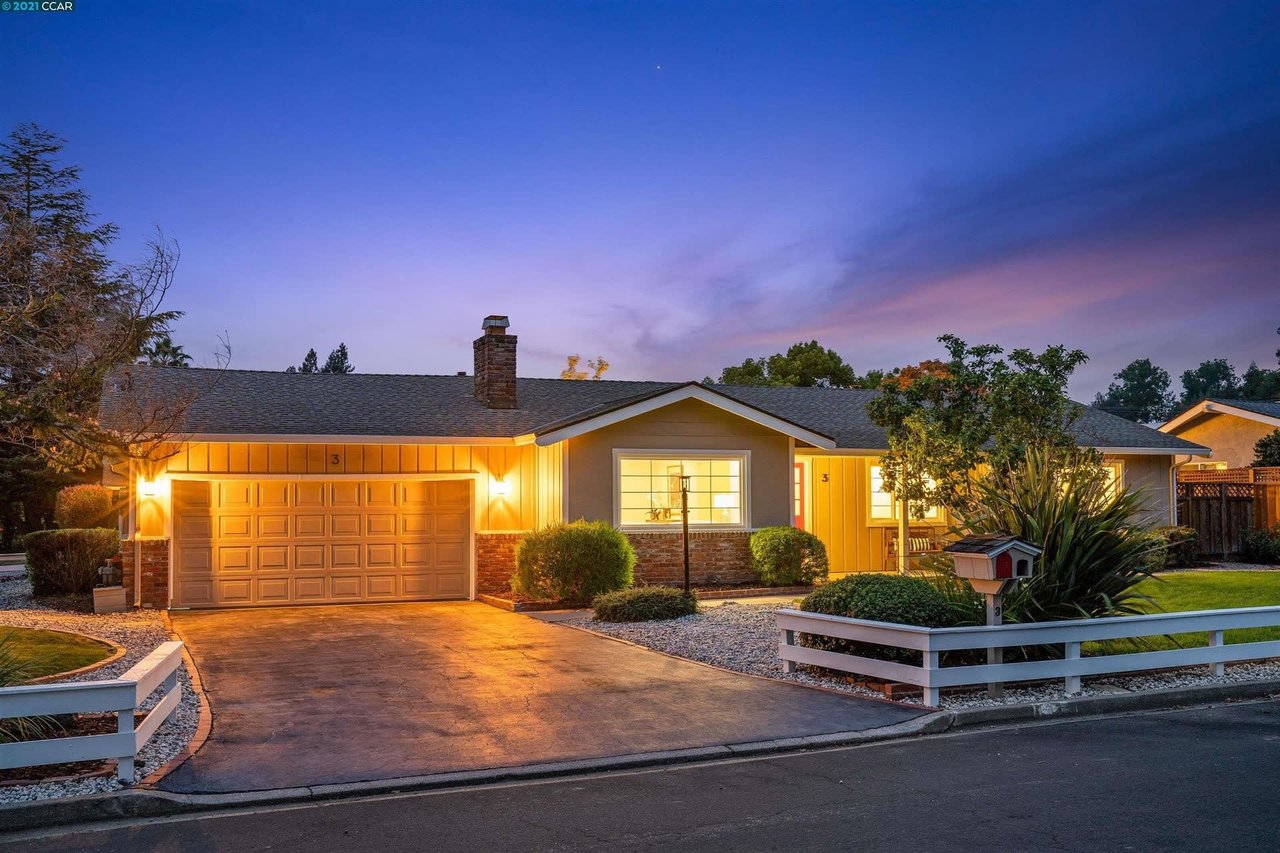
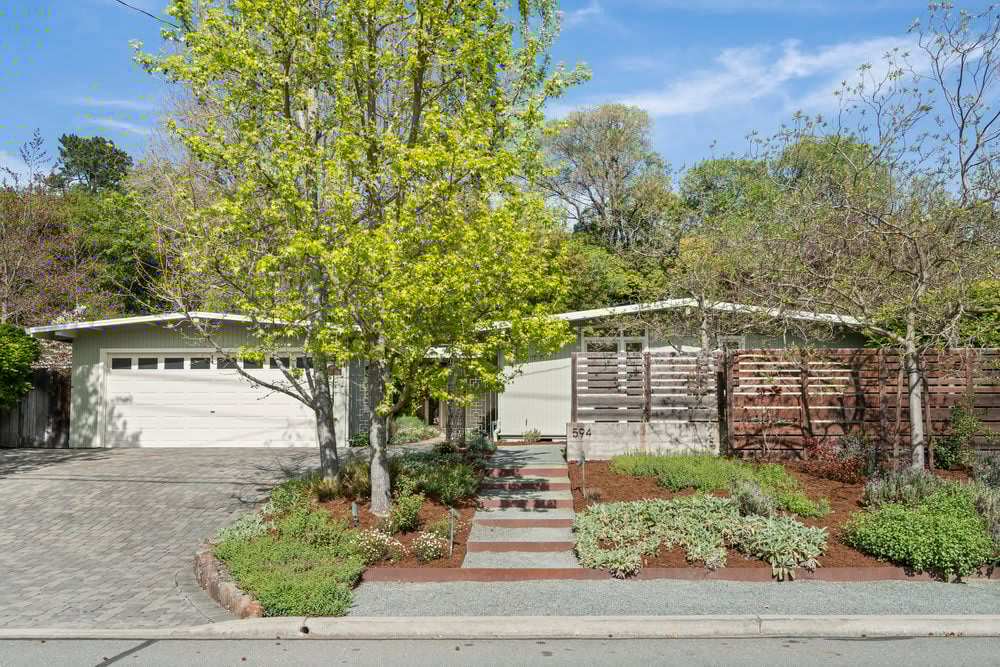
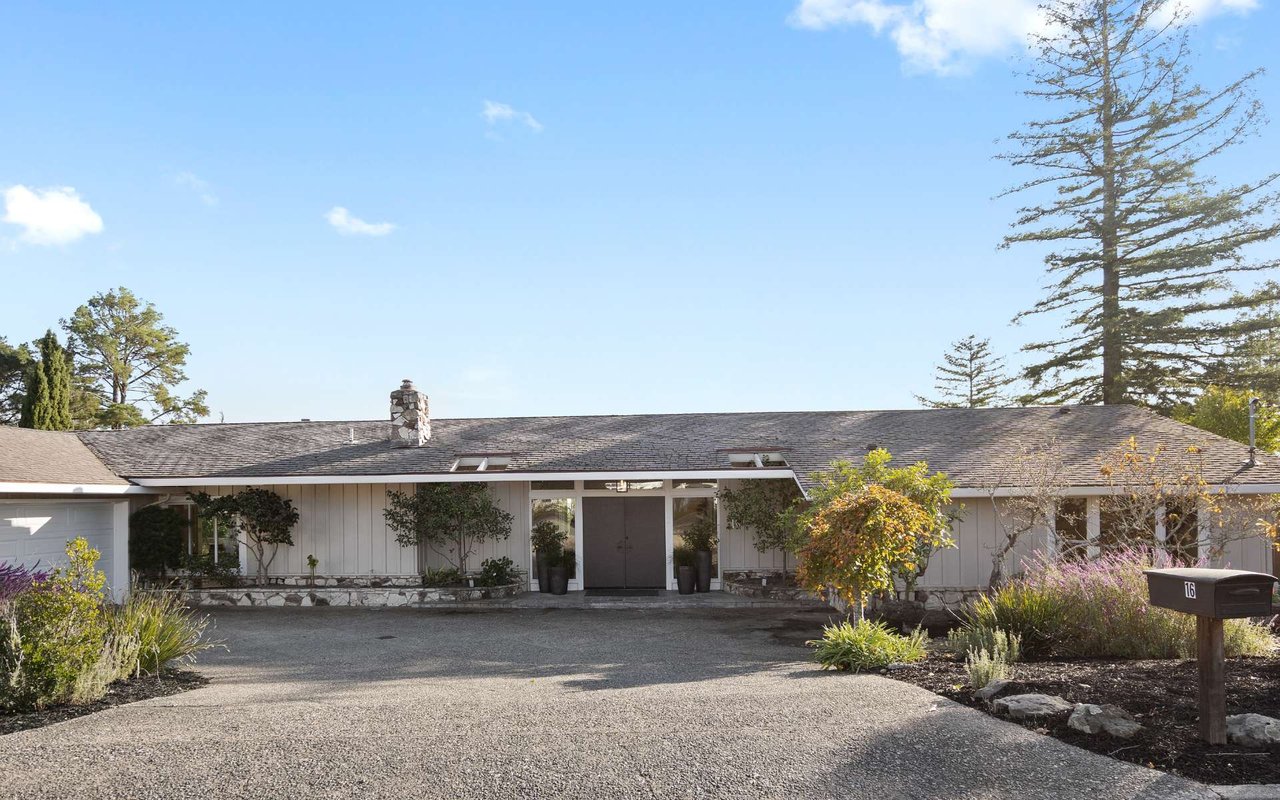
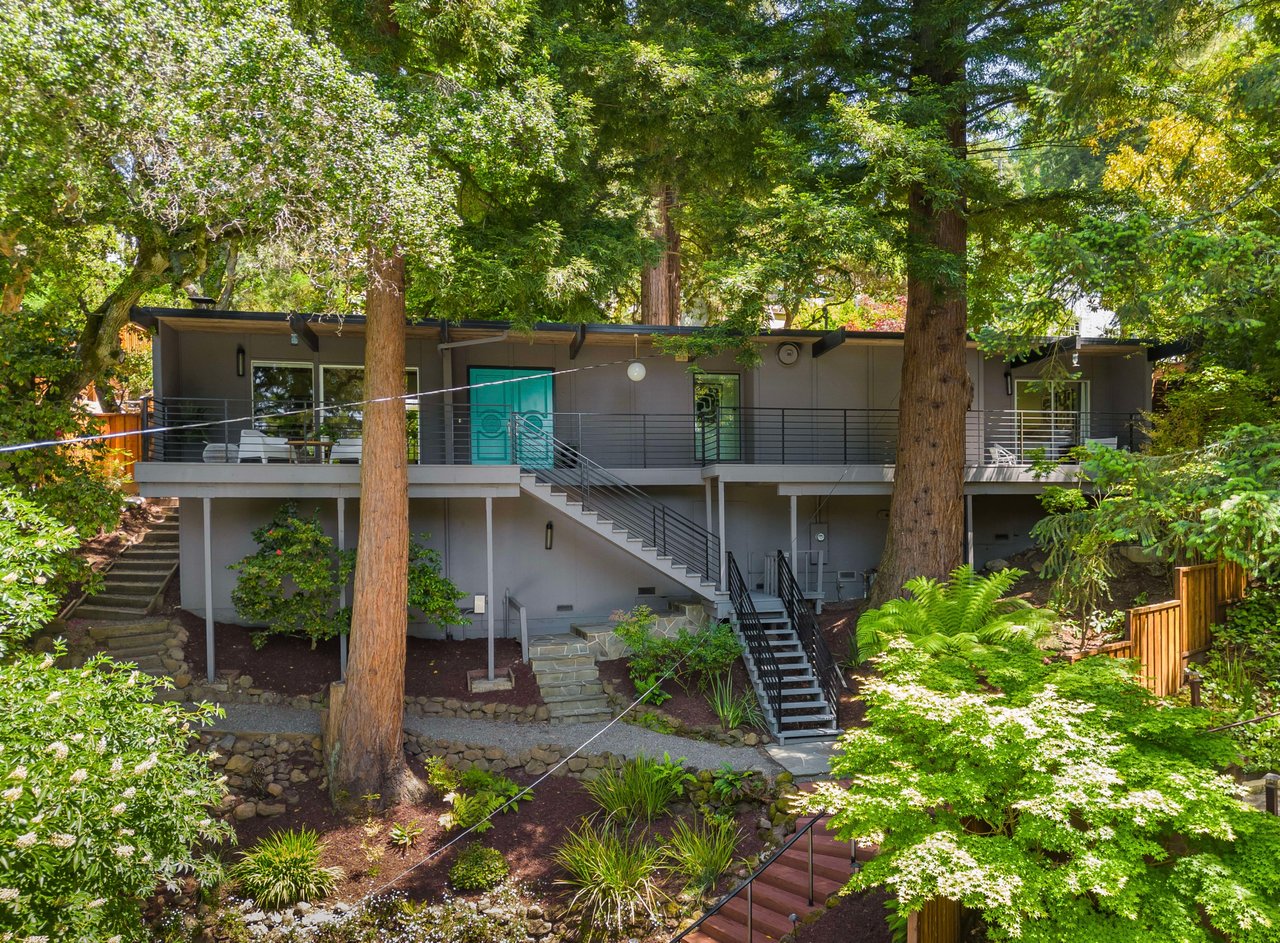
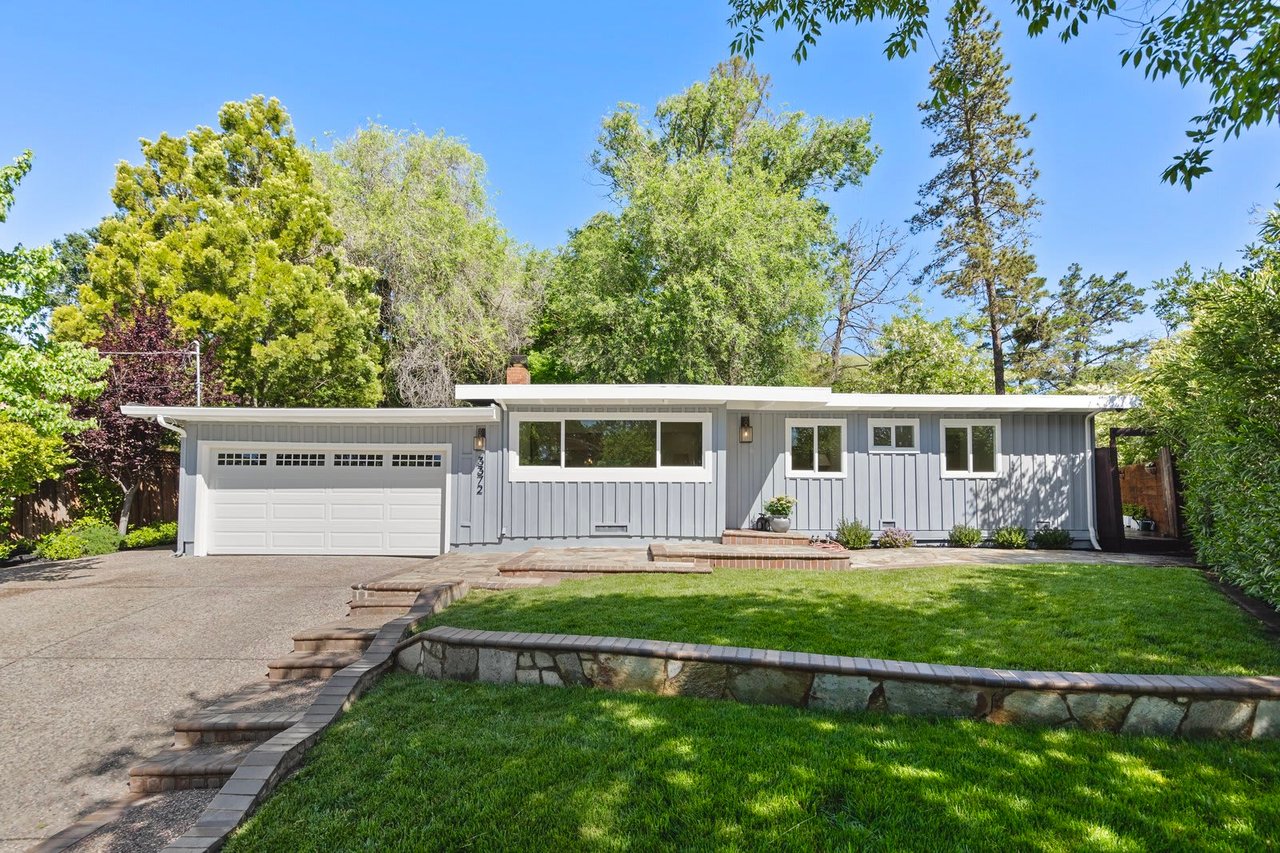
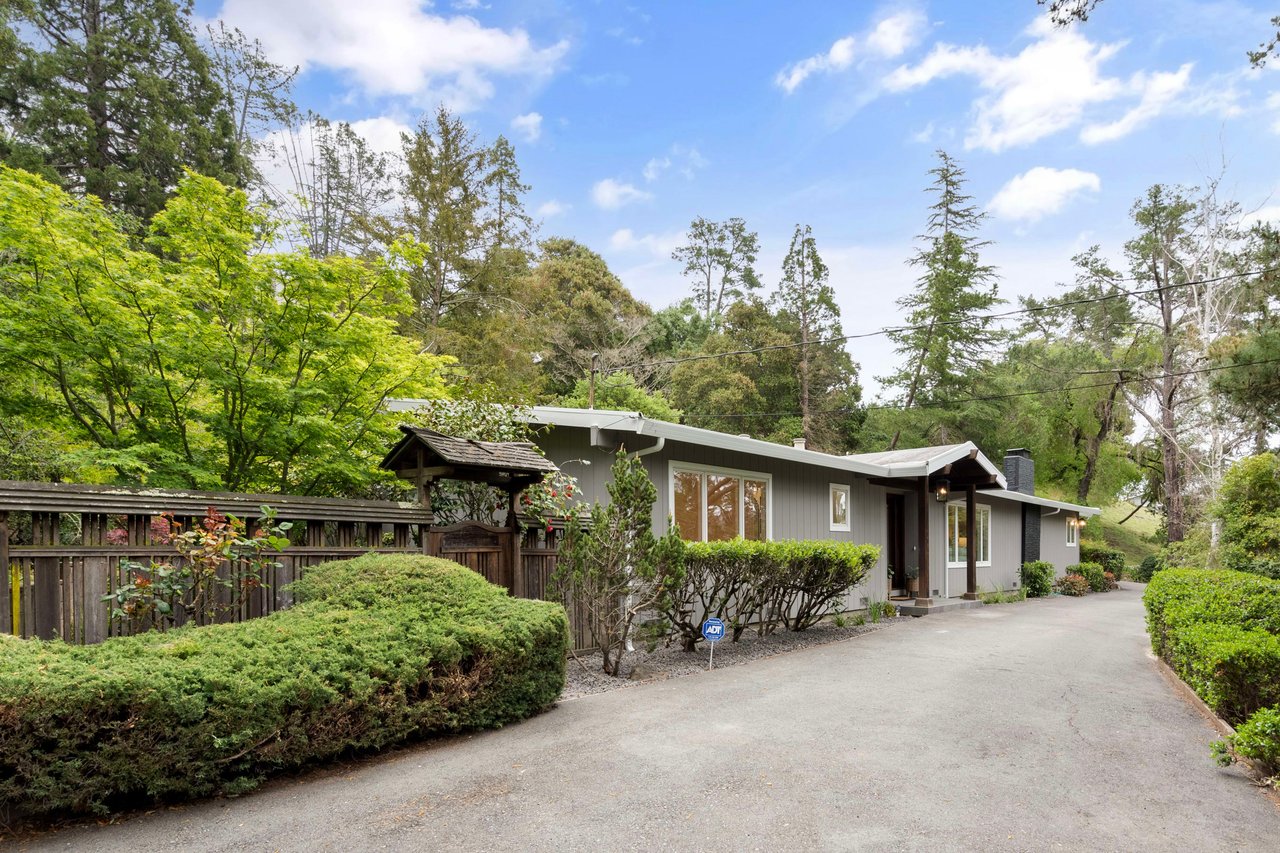
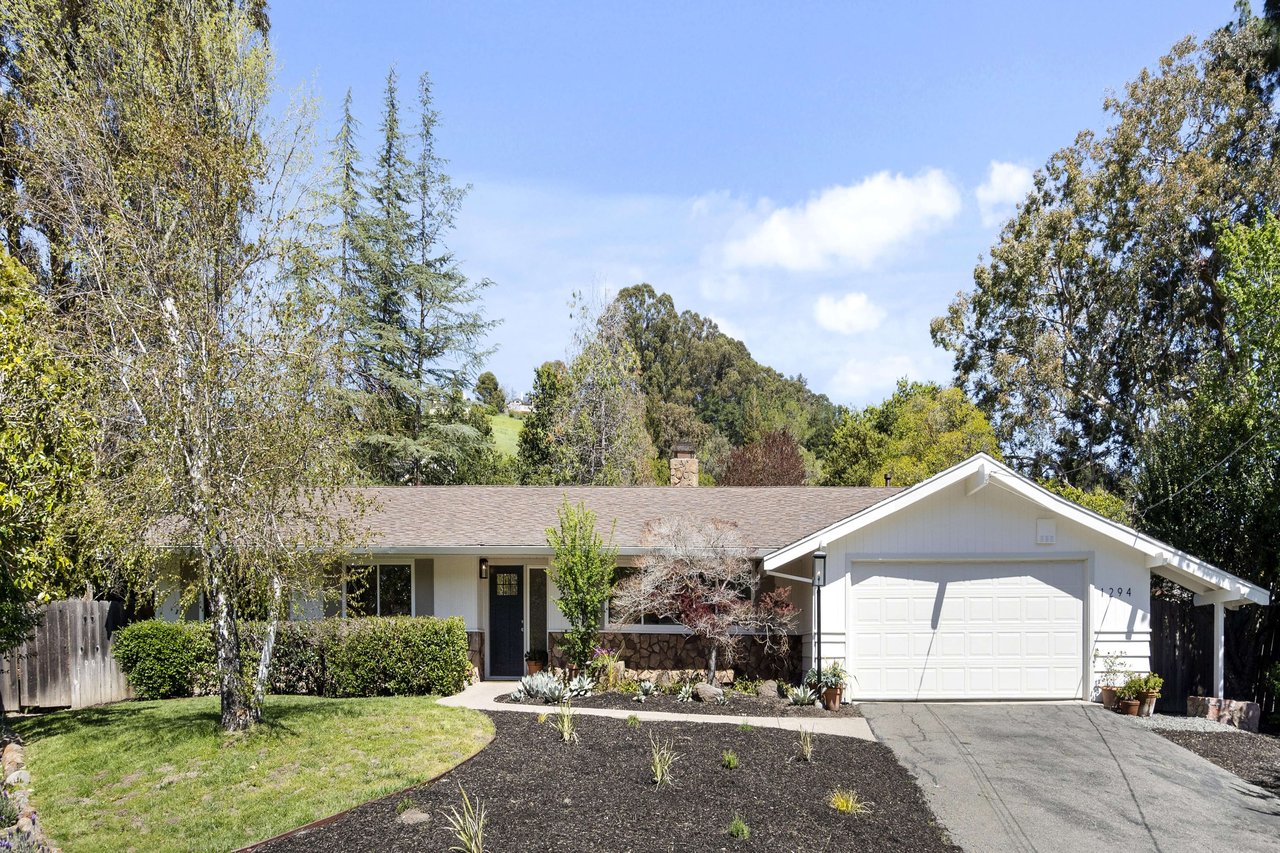
Trails is largely single-family homes, many mid-century or later, on larger lots with a low-traffic, residential feel and easy trail access. Market snapshots show strong demand and quick days on market. If you value space and a calmer street pattern near the trail, Trails checks those boxes.
Downtown housing mix
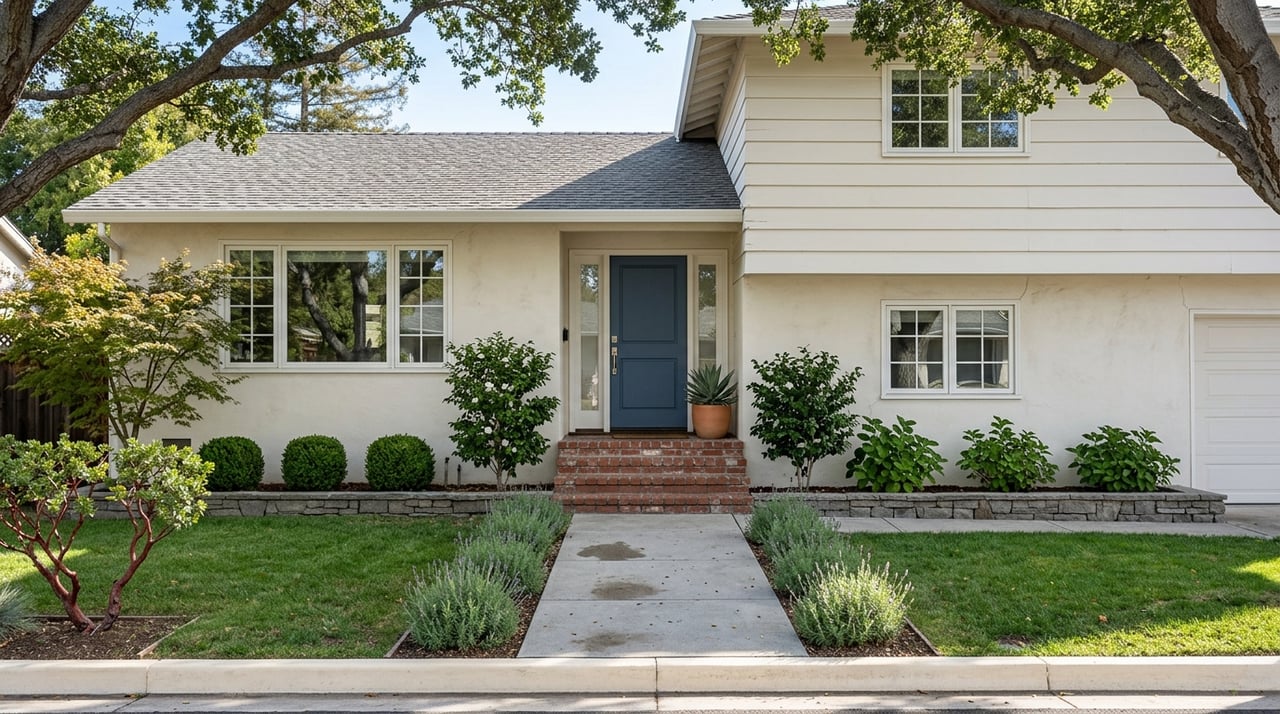
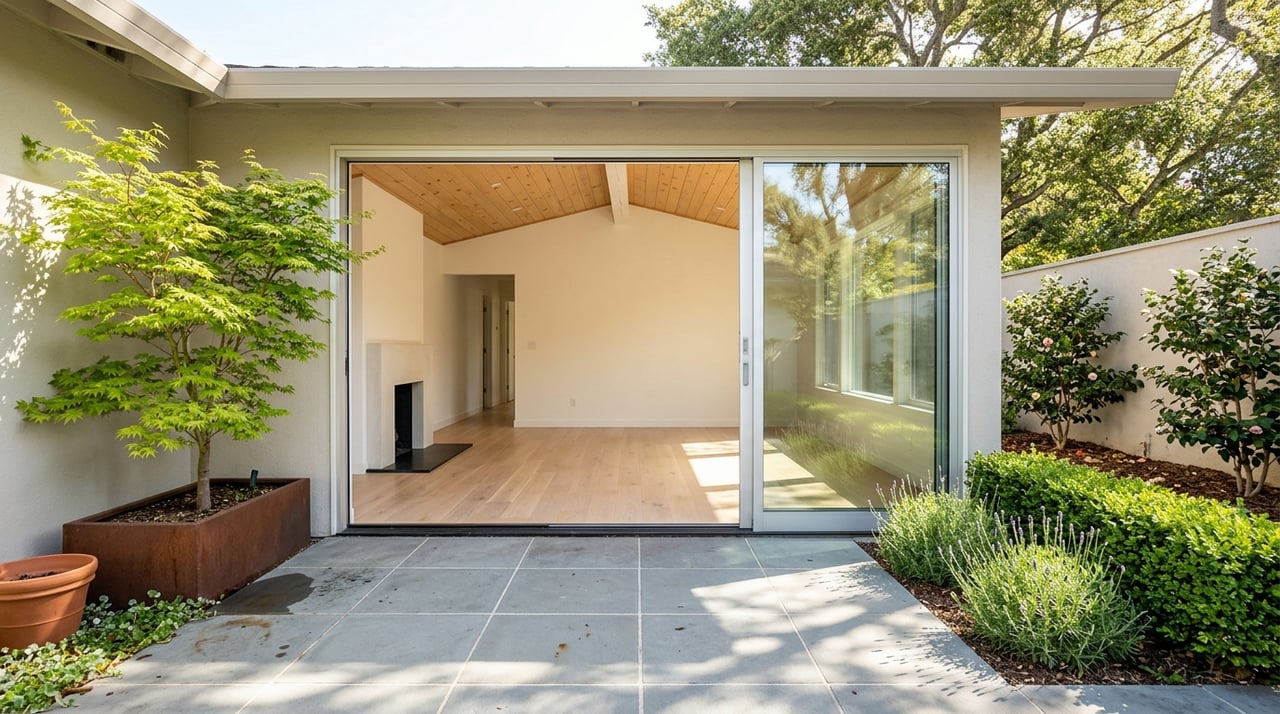
Downtown offers a mix of smaller-lot single-family homes, townhomes, and condos close to shops and BART. Buyers who want low-maintenance living and the ability to walk to dinner, errands, and transit often focus here. Ownership may include HOAs for condos and townhomes, so include dues and rules in your budget and review.
What prices signal right now
Neighborhood-level medians vary by source and timeframe. Redfin reported a Trails median near $2.3M in Dec 2025. Other portals showed Trails medians nearer to $1.6M–$1.95M depending on the 12-month window. Downtown medians are commonly cited in the $1.5M–$1.9M range. Different mixes of condo and single-family sales drive some of that spread. Treat these as directional and ask for current MLS comps before you write an offer.
HOAs, ADUs, and zoning
Downtown condos and townhomes often include HOAs and monthly dues. Many single-family homes in Trails do not have HOAs, but always verify. If you are exploring additions or ADUs, check city zoning and housing resources at lovelafayette.org and review HOA documents where relevant.
Schools and amenities
School districts and routes
Lafayette’s K–8 schools are in the Lafayette School District, and high schools are in the Acalanes Union High School District. Families should confirm attendance boundaries directly with the district and review walking or biking routes to school. Start at the Lafayette School District site. City projects described above are aimed at improving safer connections for students near downtown and Stanley Middle.
Everyday amenities and events
Downtown clusters the Lafayette Library & Learning Center, shops, cafes, regular farmers’ markets, and the annual Art & Wine Festival. If you like weekday convenience and community events within a short walk, downtown delivers. Trails buyers tend to prioritize everyday access to the paved Lafayette–Moraga Trail and quick reach to regional open spaces. Learn more about the trail on EBRPD’s page.
Safety and long term
Wildfire and defensible space
Lafayette’s Fire Hazard Severity Zones were updated in 2025, which can influence defensible space and some permit rules. Check the parcel-level map and local fire requirements before you finalize an offer, especially for hillside locations near open space. See the city’s fire hazard maps and resources.
Trail adjacency, privacy, and noise
Homes directly along the trail offer unmatched convenience for daily walks and rides. They can also see steady foot and bike traffic near the lot line, depending on orientation and buffers. Visit during a weekday evening and a weekend morning to get a feel for activity patterns. For trail details, review the Lafayette–Moraga Trail overview.
Resale signals to consider
Features that often support resale include proximity to BART and downtown amenities, access to high-performing local schools, and protected trail or open-space access. These appeal to different buyer segments, from commuters to active-lifestyle households. Pair these signals with live MLS comps and current conditions before setting price expectations. For transit context, see the Lafayette BART station page.
Buyer checklist
- Confirm your exact walking routes and minutes to coffee, grocery, and BART from the address. Use Walk Score’s Lafayette page and map distances.
- Check the parcel’s Fire Hazard Severity Zone and ask about required defensible-space work using the city’s fire hazard maps.
- Ask about Lafayette BART parking fill times and any planned construction or station changes. See BART’s parking guide and current project news.
- Verify school attendance boundaries with the district before relying on online maps. Start with the Lafayette School District.
- For trail-adjacent homes, visit at multiple times to assess traffic, lighting, and privacy. Get familiar with the Lafayette–Moraga Trail.
- Compare recent, property-type-specific comps with a local MLS agent. Treat portal medians as starting points only.
Choose your fit
If you value a quieter street pattern, larger lots, and daily trail access, Trails is a strong match. If you want a short walk to dinner, errands, and BART, and you like the option of condo or townhome living, Downtown fits well. The City’s Connecting Lafayette projects are improving the links between the two, so many buyers find both areas workable based on priorities.
Want help translating these tradeoffs into a confident offer strategy? With construction and renovation expertise plus deep Lamorinda market knowledge, the Paddy Kehoe Team can help you assess value, spot potential, and move quickly when the right home appears. Schedule a free Home Strategy Session.
FAQs
Is Downtown Lafayette better for walking to BART?
- Yes, most downtown addresses are a short walk from shops and the Lafayette BART station; verify the specific address using the BART station page and Walk Score.
How reliable are neighborhood median prices I see online?
- Treat them as directional; neighborhood-level medians vary by timeframe and sample size, so confirm with current MLS comps and note that sources like Redfin and others may differ.
What should I know about HOAs vs single-family homes?
- Downtown condos and townhomes often have HOAs and dues; many single-family homes in Trails do not, but always verify documents, rules, and fees during due diligence.
Are there projects improving walking and biking to schools and downtown?
- Yes, the City’s Connecting Lafayette efforts include the Stanley Middle School area enhancements to improve non-car connections.
Does living next to the Lafayette–Moraga Trail affect privacy?
- Trail adjacency boosts daily convenience but can bring routine foot and bike traffic near your lot line; visit at peak times and review the trail overview for context.
What are typical commute times from Lafayette to Oakland or San Francisco?
- The citywide mean travel time is about 29 minutes per the Census QuickFacts; door-to-door times vary, so use real-time BART and traffic planners when touring homes.