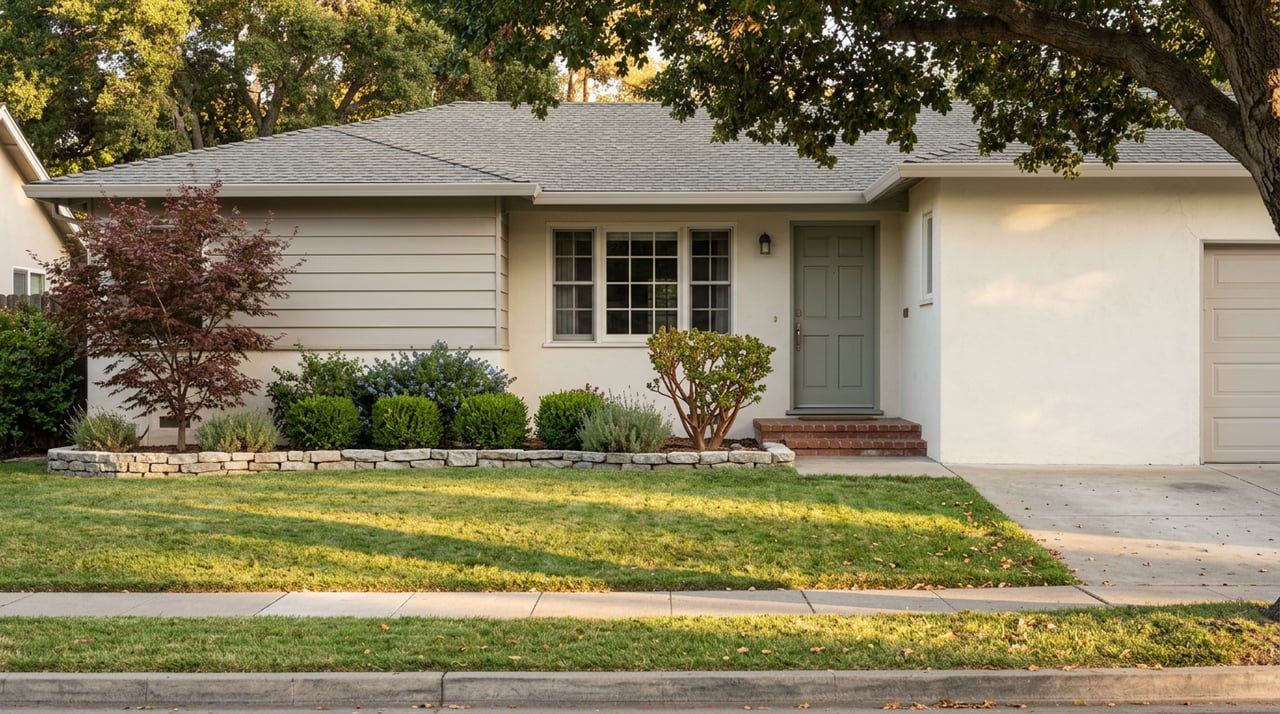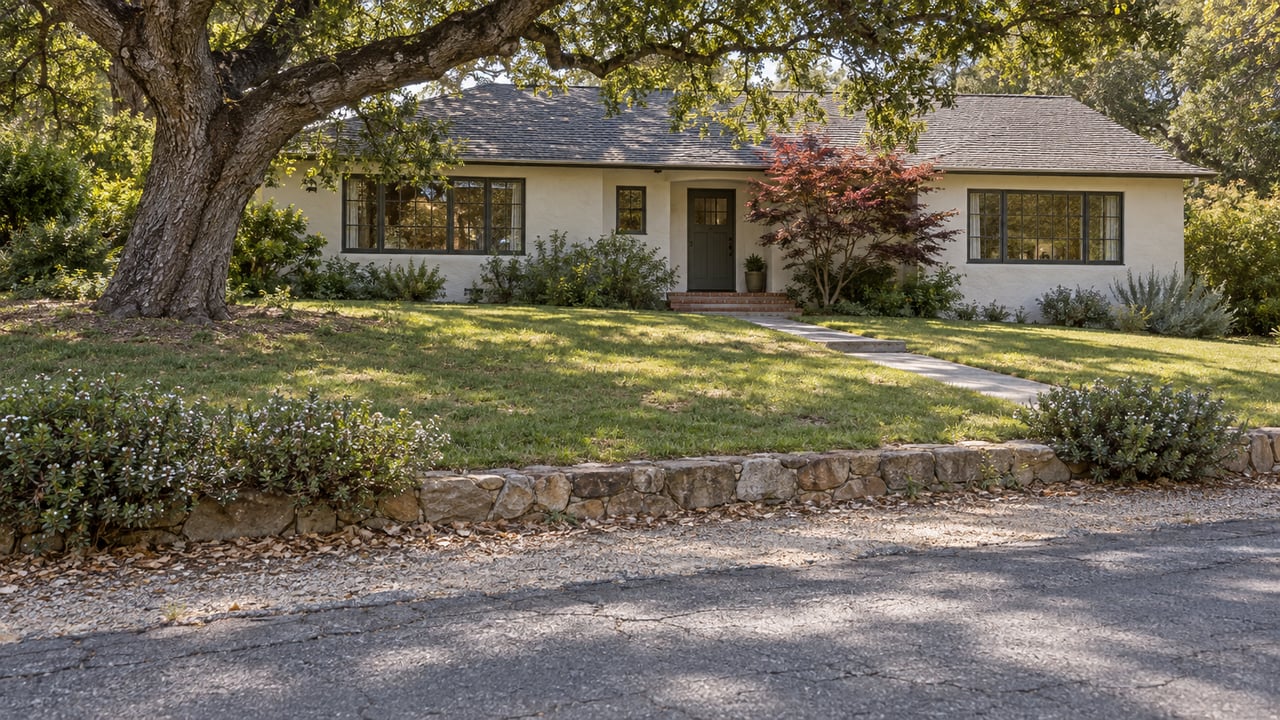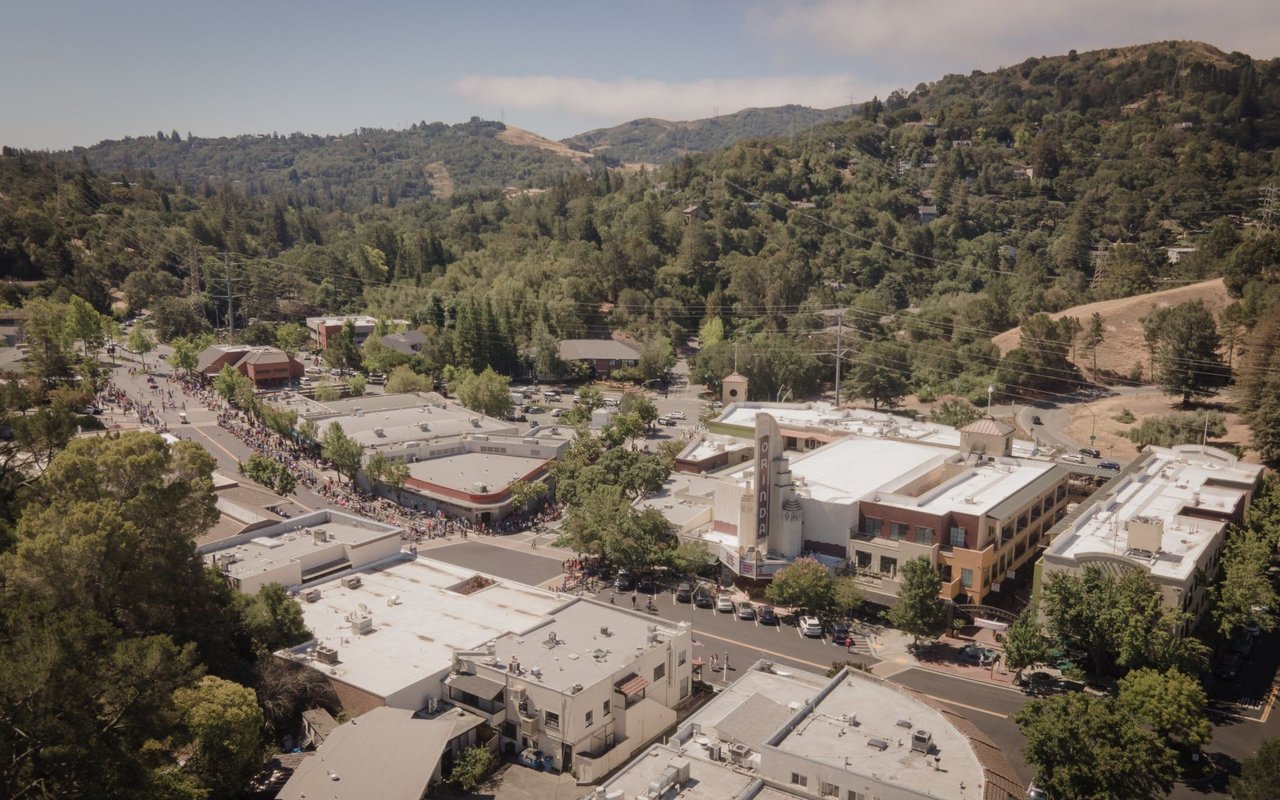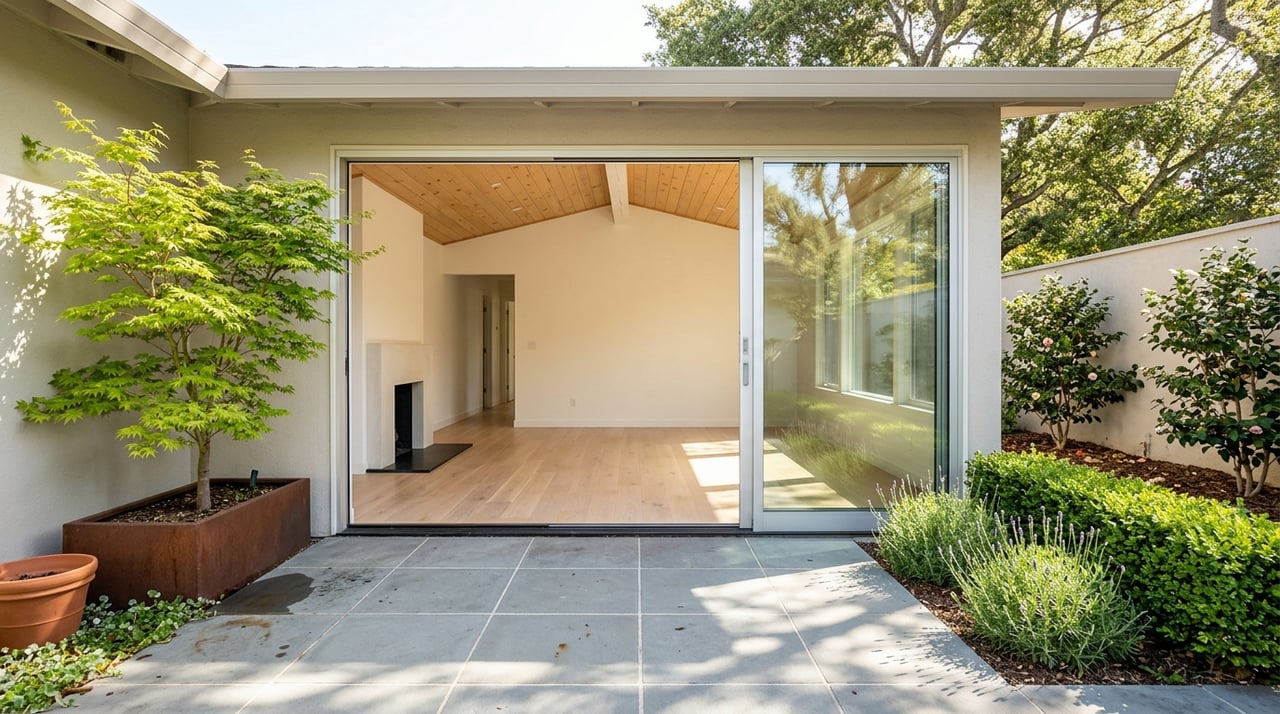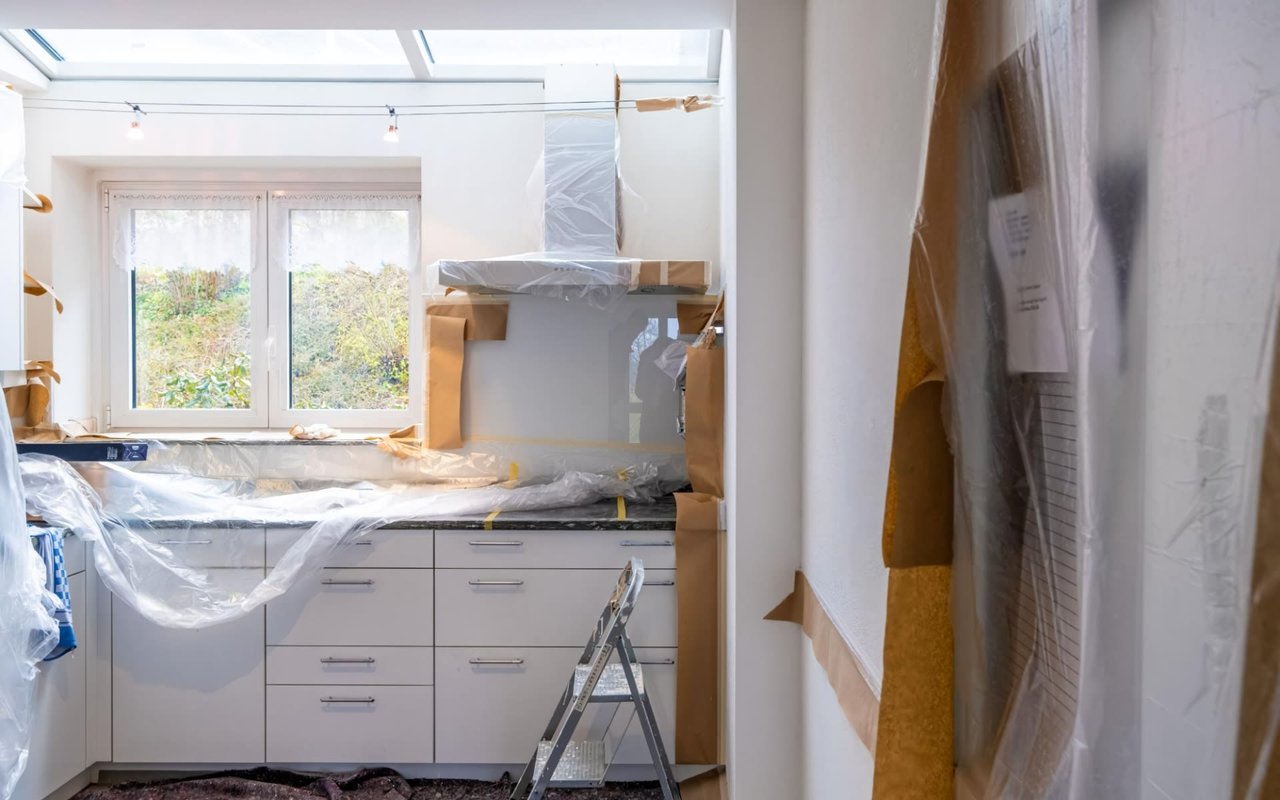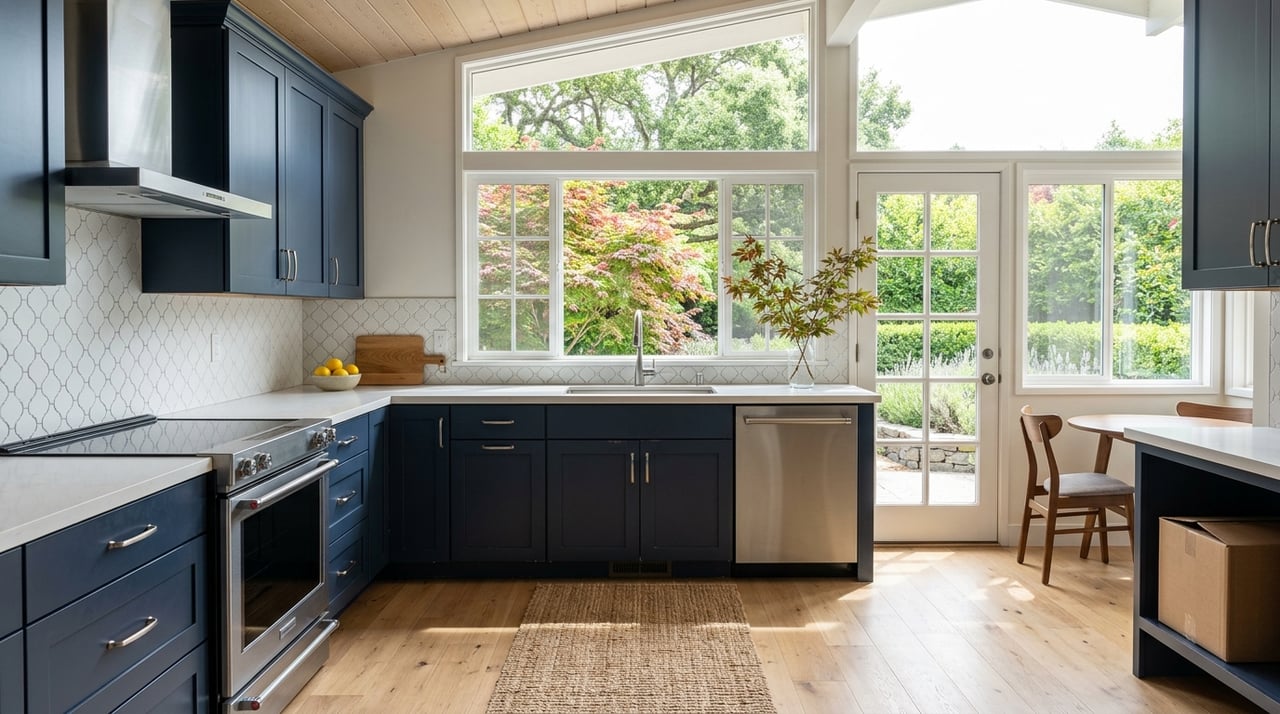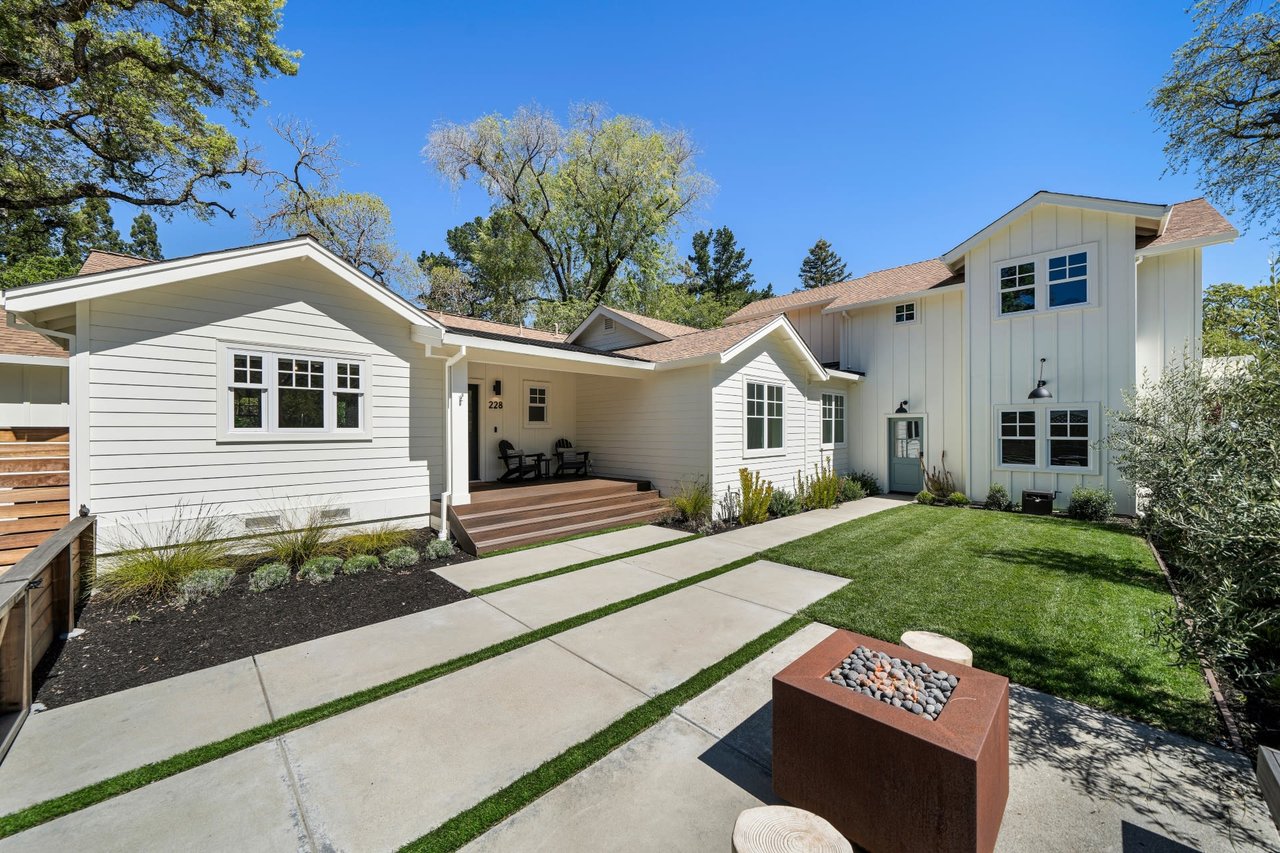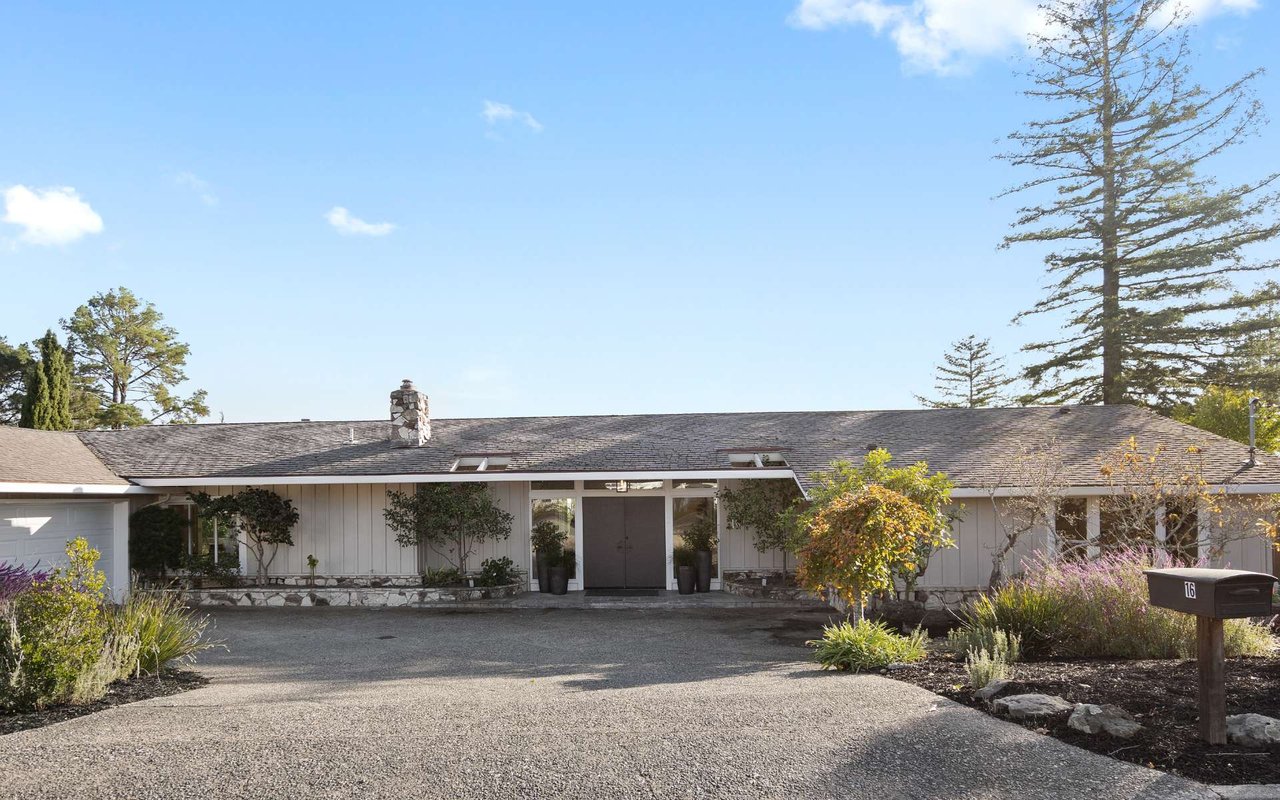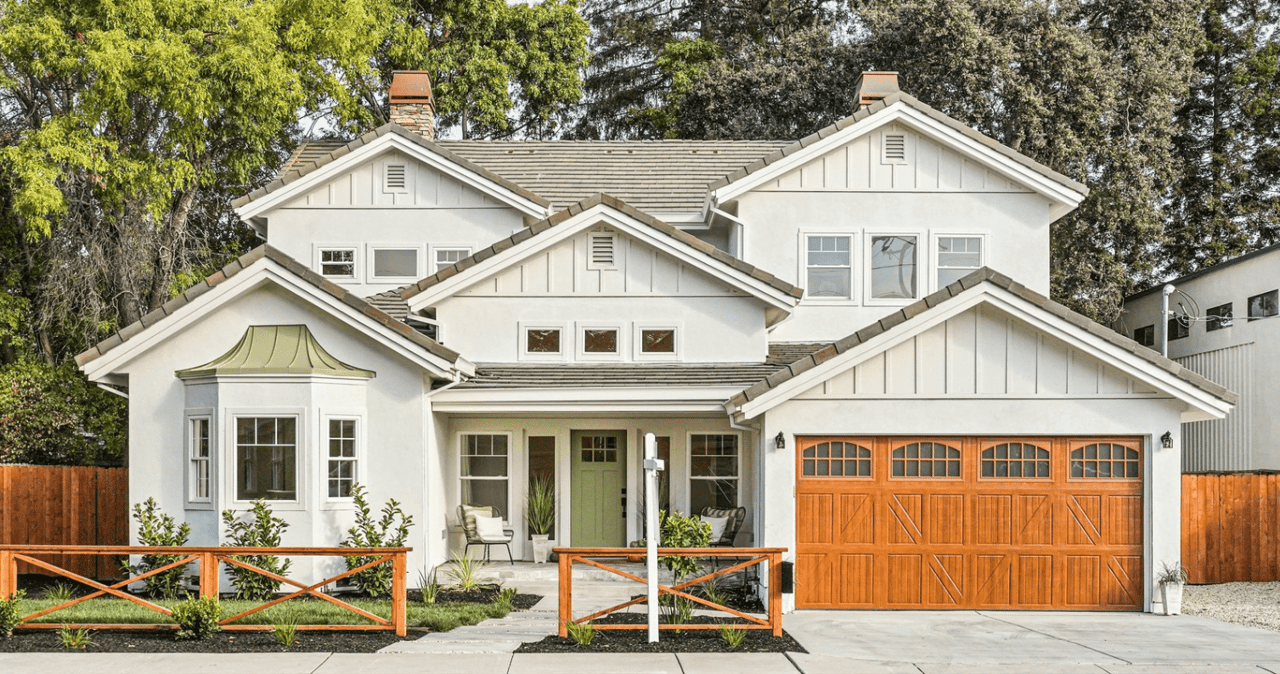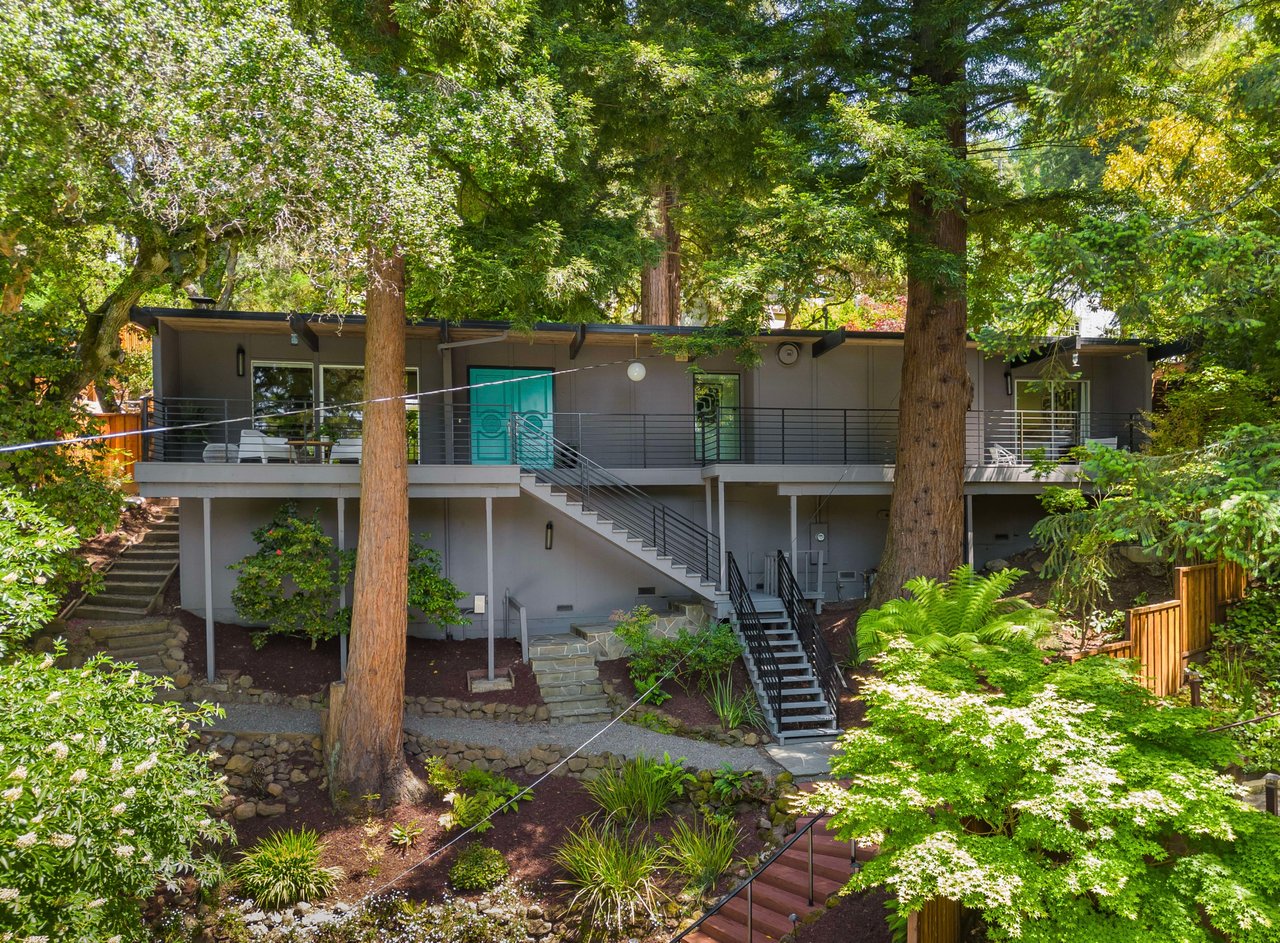
If you’re hunting for real upside in Lamorinda, you already know the best deals are often hiding in plain sight. The trick is spotting parcels and houses where you can add livable space, create a legal second unit, or simplify approvals. You want a clear, local playbook that cuts through hillside risk, fire zones, and permit timelines so you can move fast and with confidence. In this guide, you’ll learn exactly where opportunity tends to show up in Lafayette, Orinda, and Moraga, which paths create the most value, and how to run a quick, practical screen on any address. Let’s dive in.
Why Lamorinda rewards value‑add buyers
Lamorinda is mostly single‑family housing with strong buyer demand. Renovated homes are liquid and tend to command premium pricing, which makes well‑planned improvements a reliable way to create value. Recent medians in Lafayette and Orinda sit in the multi‑million range, with Moraga somewhat lower. That price depth supports both resale flips and long‑term holds.
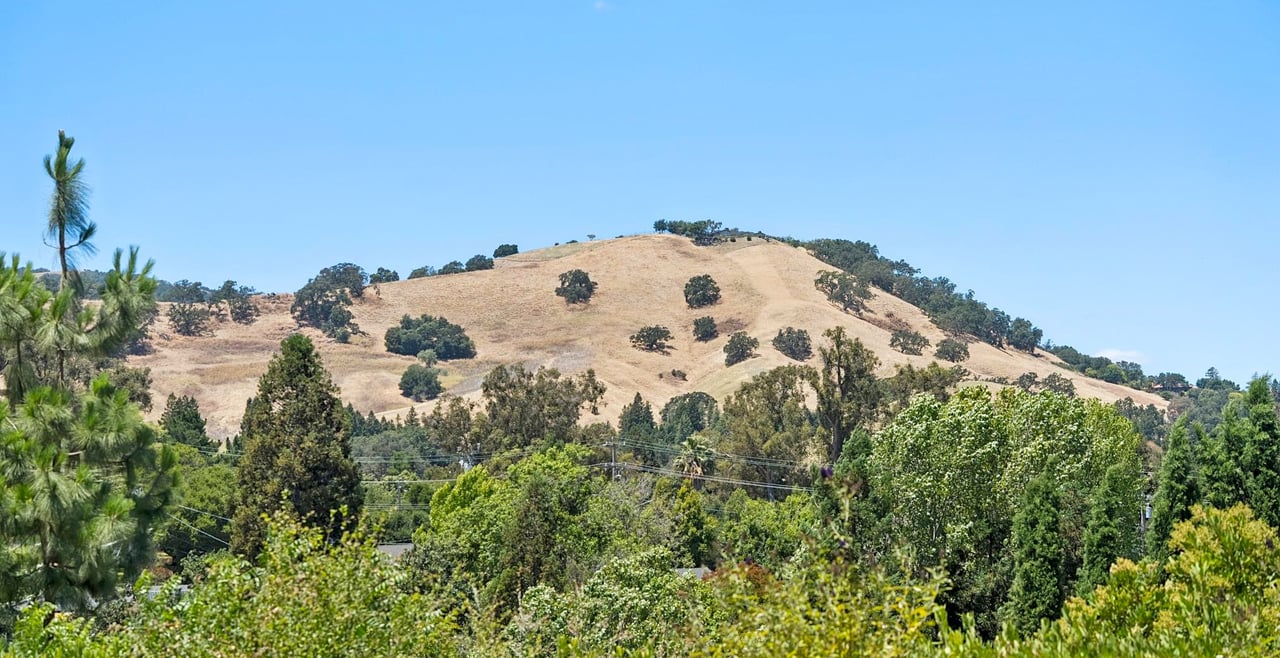
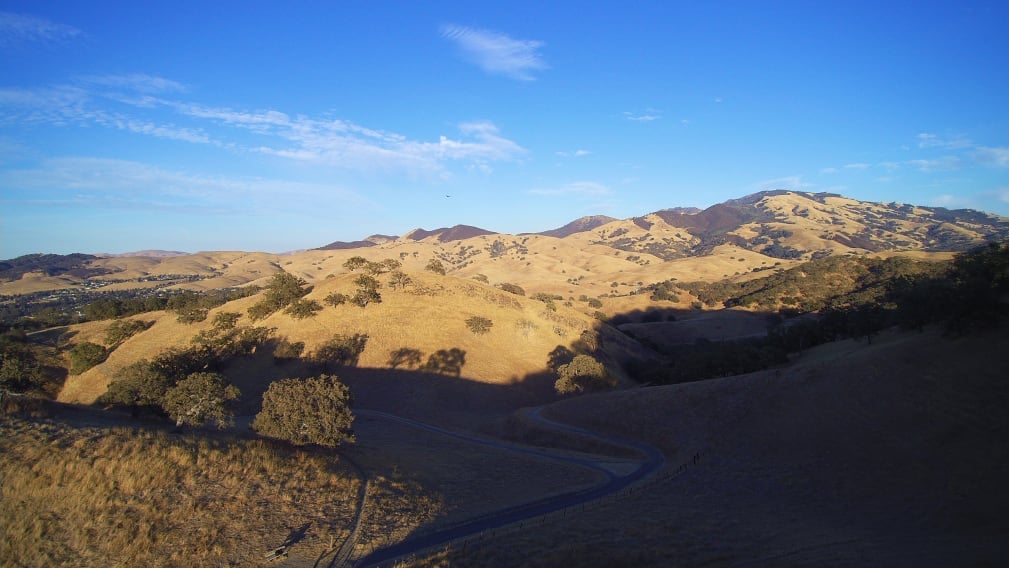
Constraints also shape opportunity. Much of Lamorinda lies in High or Very High Fire Hazard Severity Zones, and many hillsides carry overlay rules that add studies, costs, and time. On flatter valley parcels, you can often move faster with ADUs, additions, and well‑scoped renovations. Use the state’s fire‑hazard map to gauge fire‑hardening and insurance needs for any address. You can review Contra Costa’s map in the state’s Fire Hazard Severity Zone materials for a quick read on risk and likely WUI code impacts. Check the map here to start your screen: CAL FIRE Contra Costa FHSZ Map.
The three most reliable paths to upside
Renovate and reposition
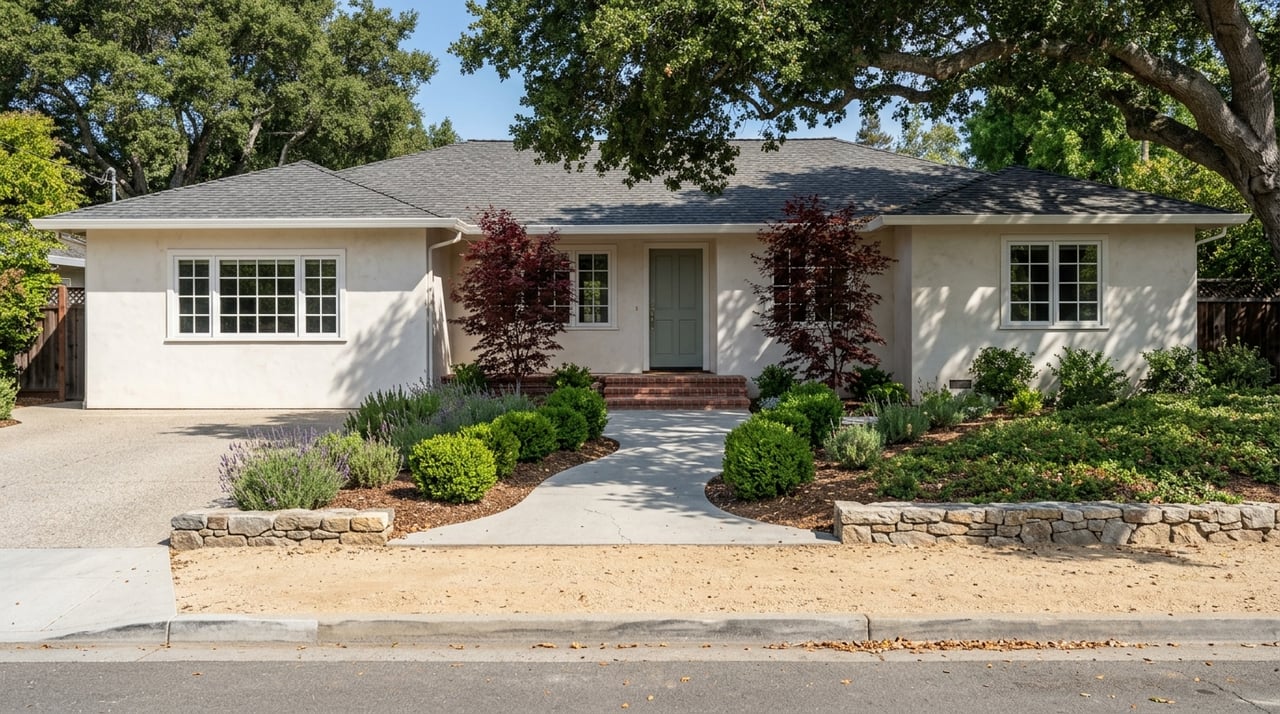
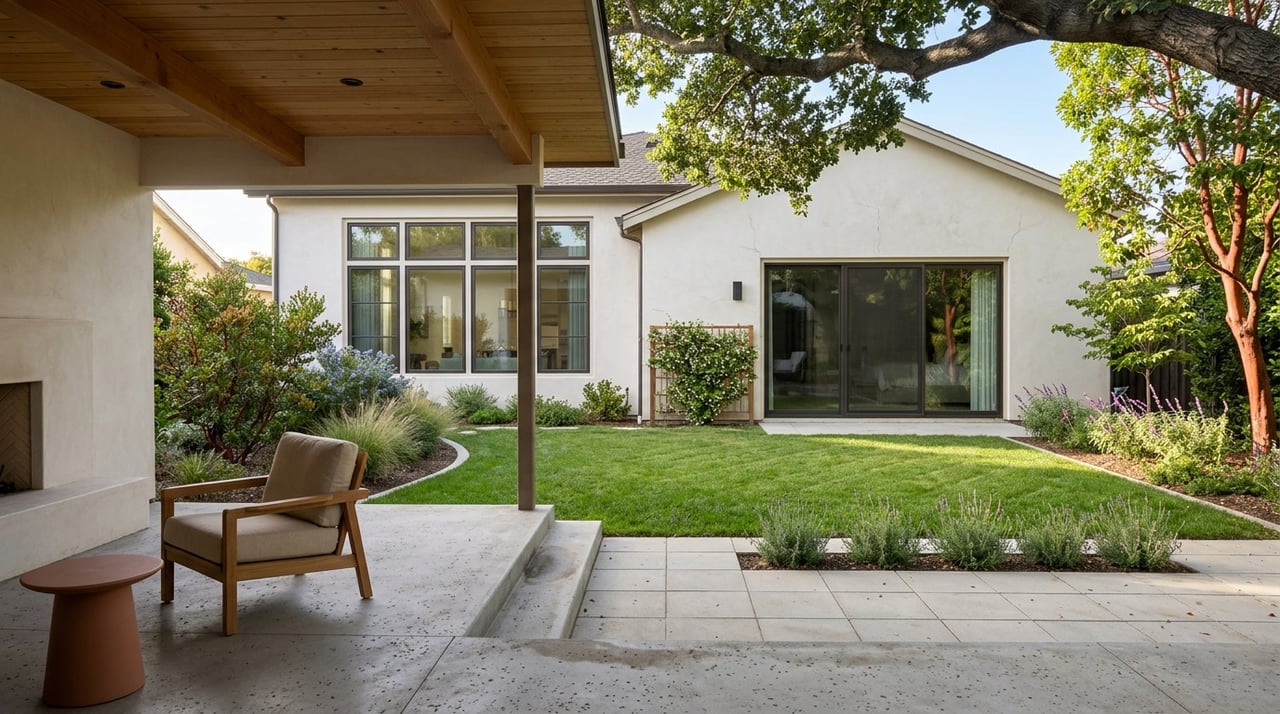
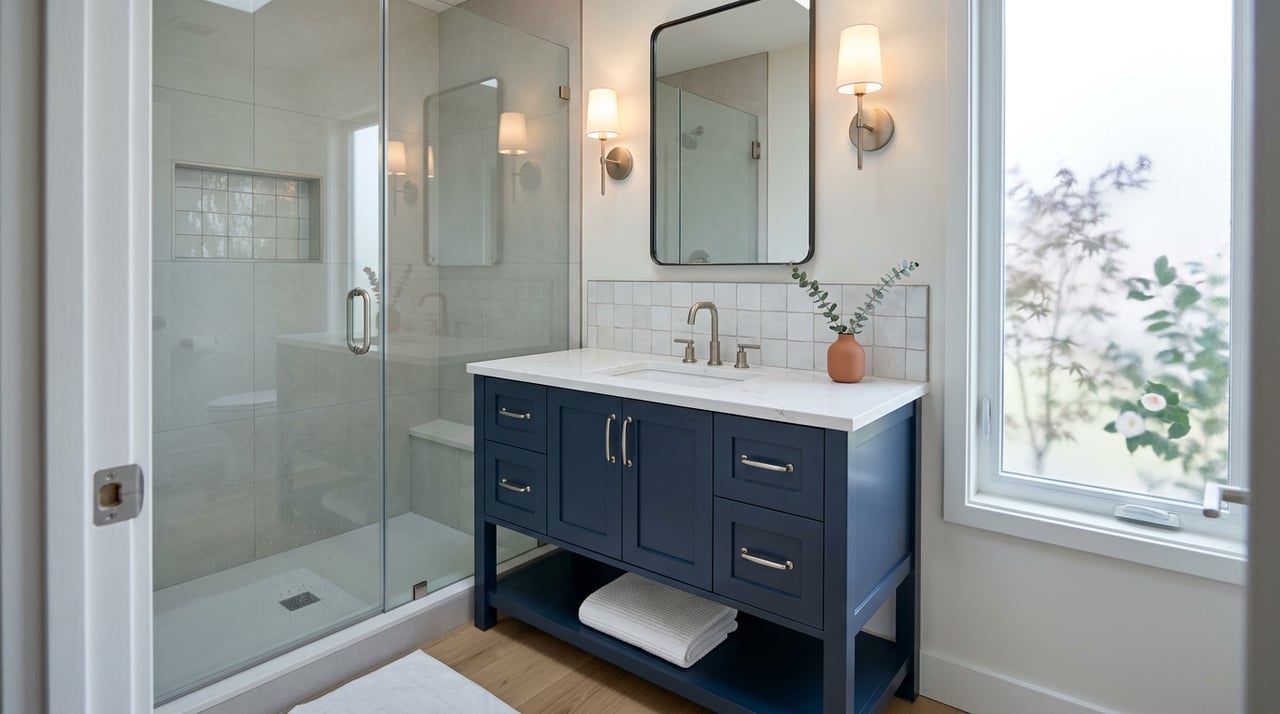
Light to mid‑scale remodels can produce fast, repeatable results. Focus on systems, kitchens and baths, exterior refresh, and yard presentation. On flatter lots outside hillside overlays, permits tend to be more predictable, and market time often shortens once the house shows clean, bright, and move‑in ready.
Add living area or an ADU
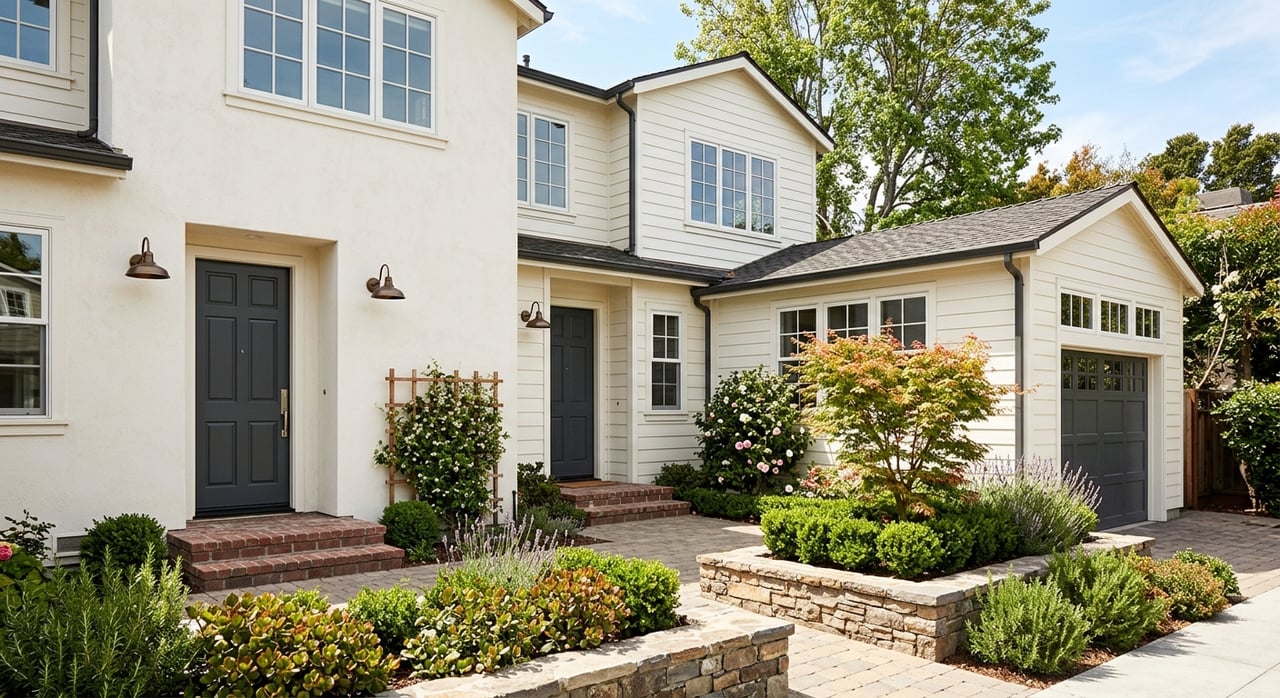
ADUs are one of the most dependable value‑add plays in Lamorinda when the site has utility access and a usable yard or garage. State law streamlines ADU approvals, and cities provide checklists and resources, such as Lafayette’s program page: Lafayette ADU Permit.
Typical costs: A UC Berkeley Terner Center survey pegs the statewide median ADU construction cost near roughly $150,000, with Bay Area builds commonly higher depending on slope and site work. Review the research to set realistic budgets: Terner Center ADU Research.
Practical tip: Start with a detached ADU or a garage conversion where setbacks, utilities, and access align. These often pencil with fewer surprises than hillside rebuilds.
Use SB 9 where eligible
SB 9 can unlock a ministerial two‑unit project or a one‑time urban lot split in qualifying single‑family zones, subject to objective standards and local exceptions. Fire‑hazard, historic, and tenant‑protection exclusions apply, and lot splits typically require an owner‑occupancy affidavit. Get familiar with local processes before underwriting. Lafayette and Orinda publish clear checklists and forms you can use as a first look:
Where to look first in Lafayette, Orinda, and Moraga
Here are the parcel types and building conditions that most often pencil, plus the first checks to run.
Under‑improved homes on large, flat lots
- Why it works: room for an addition, detached ADU, or partial reconfiguration of driveway/garage. On some parcels, SB 9 may be feasible.
- First check: confirm district standards and overlays. Lafayette’s residential zoning chart is a great screen: Lafayette Residential Standards.
Smaller lots with under‑built homes (R‑6 / RL‑6)
- Why it works: ADUs and modest additions tend to fit easier; cosmetic scope can deliver fast resale wins.
- First check: setbacks, parking, and any SB 9 exclusions such as recent rental occupancy. Orinda’s SB 9 page outlines local eligibility.
Corner, double‑wide, or flag lots
- Why it works: extra street frontage can help with access, drainage, and utility runs. It may also simplify ADU design.
- First check: corner‑lot setback rules and curb‑cut permits. City zoning handouts list the basics: Lafayette Zoning Handouts.
Parcels near commercial centers and specific‑plan areas
- Why it works: these areas often target higher density under current Housing Elements and specific plans, which can reduce entitlement risk for small multi‑unit or townhouse infill.
- First check: the Moraga Housing Element highlights Moraga Center opportunities and zoning tables: Moraga 2023–2031 Housing Element.
Homes with aging systems or unpermitted conversions
- Why it works: legalizing a conversion or modernizing mechanicals is often cheaper than a full rebuild and can still boost value or rent roll.
- First check: city ADU/legalization resources and any amnesty programs. Review local handouts and checklists before you scope.
Fast due‑diligence checklist for any candidate
Use this simple screen to decide whether to advance to formal underwriting.
- Confirm zoning and overlays
- Pull zoning, minimum lot size, setbacks, and any hillside or ridgeline overlays. Lafayette’s handouts are a useful model: Zoning Regulations & Handouts.
- Fire and insurance
- Check the state’s fire‑hazard map. Very High zones often trigger WUI construction, defensible space, and insurance complexity. Start here: CAL FIRE FHSZ Map.
- Hillside triggers
- If slope or ridgeline exposure is present, plan for a Hillside Development Permit, geotech, and longer timelines. Review the local process: Lafayette Hillside Development Permit.
- SB 9 screen
- Verify lot‑split history, owner‑occupancy affidavit for splits, tenant protections, and hazard exclusions. Use the city checklists as a starting point: Lafayette SB 9.
- ADU feasibility and cost
- Identify conversion vs detached options, utility runs, and access. Use city resources and set budget ranges with research‑backed medians: Lafayette ADU Permit and Terner Center ADU Research.
- Grading and civil scope
- Even modest earthwork can trigger a grading permit. Check county thresholds and plan retaining walls and drainage early: Contra Costa Grading Permits.
- Title, easements, and utilities
- Look for deed restrictions that limit unit counts or prohibit splits. Confirm utility capacity and any public‑right‑of‑way constraints. If you plan an SB 9 split, confirm your title company will record it.
City‑by‑city cheat sheet
Lafayette
- Zoning ranges from R‑6 to large‑estate districts. The R‑6 minimum lot area is 6,000 sq ft, which helps you identify small‑lot candidates for additions and ADUs.
- Hillside and ridgeline overlays add discretionary review and geotechnical requirements. Valley‑floor parcels often process faster.
- Start your screen with the city’s zoning standards summary to confirm setbacks and heights: Residential Standards Table.
Orinda
- Orinda’s General Plan maps residential categories like RL‑6, RL‑10, and RL‑20. The city maintains objective standards and a clear SB 9 application process.
- Confirm eligibility early where fire‑hazard or resource protections may apply. See the land‑use overview: Orinda Land Use & Zoning.
Moraga
- Single‑family districts are expressed as 1‑DUA, 2‑DUA, and 3‑DUA. The Moraga Center Specific Plan area is an explicit focus for infill and can be attractive for small multi‑unit projects.
- Review the 2023–2031 Housing Element for zoning tables and targeted opportunity sites: Moraga Housing Element.
Exit strategies that fit Lamorinda
Cosmetic refresh and resale
- Scope: systems tune‑up, light kitchen and bath, exterior paint, landscaping, and staging. Works best on flat lots with straightforward permits.
ADU plus hold or resale
- Scope: detached ADU or garage conversion that boosts rent and resale. Use the Terner Center benchmarks to size budget and payback.
SB 9 lot split and build two small homes
- Scope: one‑time urban lot split and ministerial two‑unit pathway, subject to objective standards and owner‑occupancy for splits. Plan your phasing and capital stack around the recording timeline.
Hold and 1031 exchange
- For investors who plan to trade up, a like‑kind exchange can defer taxes when selling one investment property and buying another. Rules are strict, so engage a qualified intermediary early: IRS Like‑Kind Exchanges.
Common pitfalls to avoid
- Fire‑hazard surprises: Very High FHSZ designations can raise construction and insurance costs. Budget for WUI compliance, home‑hardening, and defensible space.
- Hillside creep: Geotech studies, retaining walls, and longer review cycles can expand budgets and timelines. If you want speed, prefer valley parcels when possible.
- Title and deed limits: Certain covenants can restrict unit counts or prevent SB 9 splits. Confirm before you model returns.
- Trees, creeks, and encroachments: Protected trees and creek setbacks can shift building footprints and require extra permits.
- Utility assumptions: Some areas require upgrades or extensions. Confirm capacity and trenching early to avoid scope shocks.
When you want to move from theory to execution, you need a partner who can sight‑read a site plan, spot red flags in minutes, and model ROI with real construction numbers. If you’re evaluating a Lamorinda address now, or you want help sourcing off‑market options, reach out to the Paddy Kehoe Team to Schedule a free Home Strategy Session. You’ll get a clear game plan, local resources, and a path to value that fits your timeline and budget.
FAQs
What makes Lamorinda a strong value‑add market for buyers?
- The area is largely single‑family with strong buyer demand for renovated homes. Supply is constrained by fire‑hazard zones and hillside overlays, so well‑executed improvements on flatter parcels often command premium pricing at resale.
How do I quickly check if a Lamorinda lot is in a fire‑hazard zone?
- Use the state Fire Hazard Severity Zone map for Contra Costa County. A Very High designation often triggers WUI standards, defensible space work, and can affect insurance availability and cost.
What ADU costs should I expect in Lafayette, Orinda, or Moraga?
- The UC Berkeley Terner Center cites a statewide median near roughly $150,000, but Bay Area ADUs often run higher based on site work and slope. Garage conversions tend to cost less than new detached units.
When does SB 9 typically pencil in Lamorinda?
- SB 9 can work on qualifying single‑family parcels with straightforward access and without hazard or historic exclusions. Lot splits require an owner‑occupancy affidavit, and tenant protections apply. Start with the local SB 9 checklist to confirm eligibility.
How do hillside overlays change my renovation plan?
- Hillside projects commonly need geotechnical studies, potential retaining walls, and a Hillside Development Permit. Expect longer timelines and more soft‑costs than a similar project on a valley parcel.
Are there specific areas in Moraga or Orinda that favor small infill?
- Yes. The Moraga Center Specific Plan area and downtown cores targeted in Housing Elements are often prioritized for added housing capacity. These locations can reduce entitlement risk for small multi‑unit or townhouse infill.