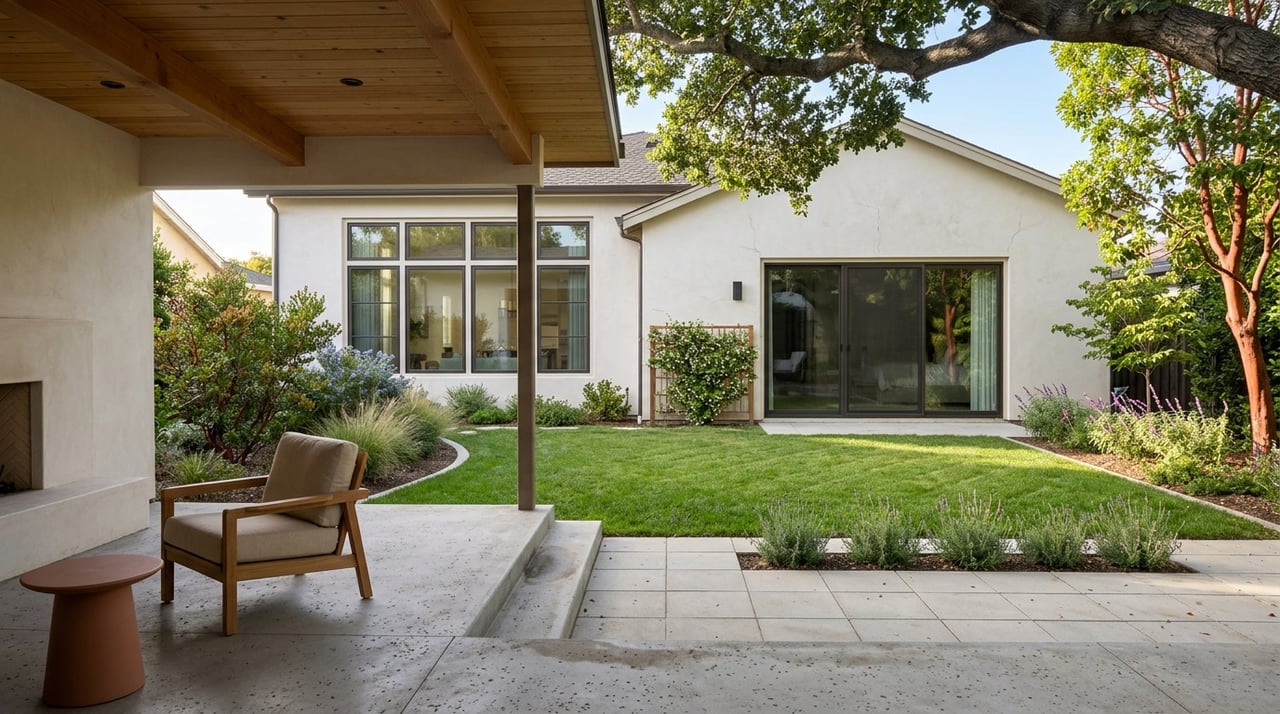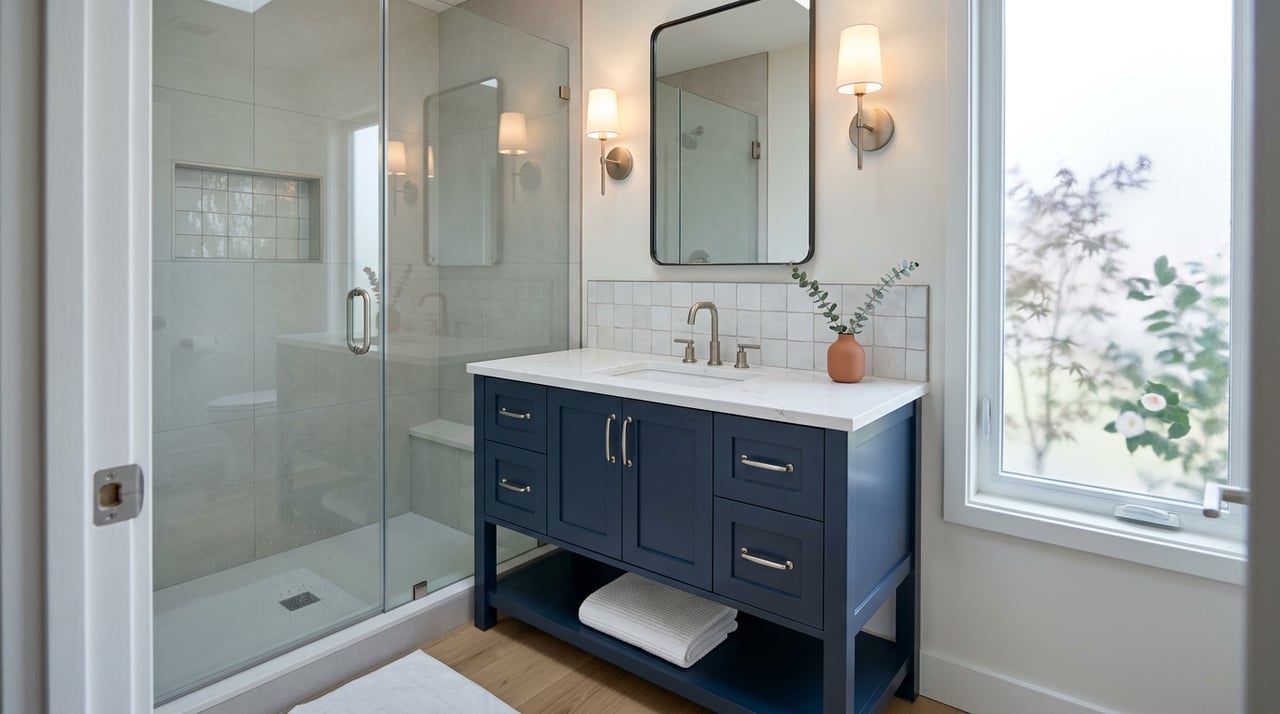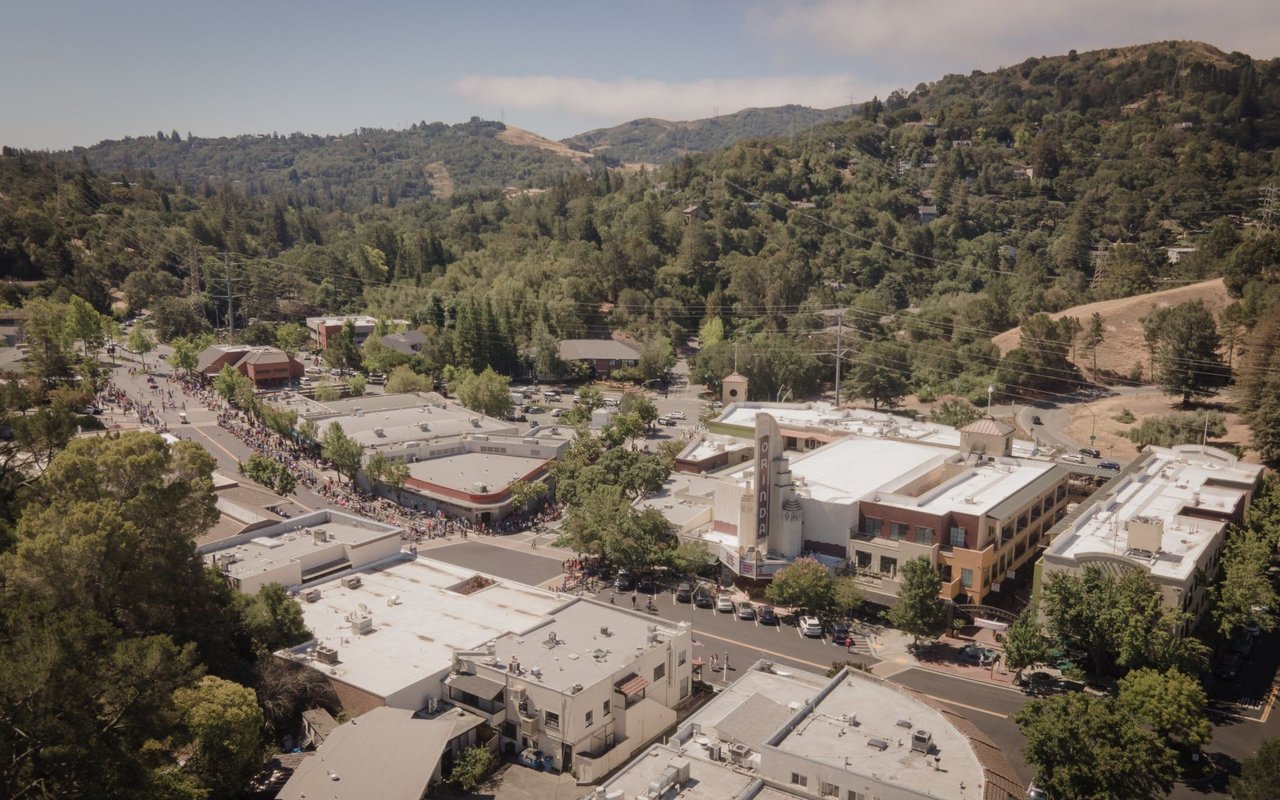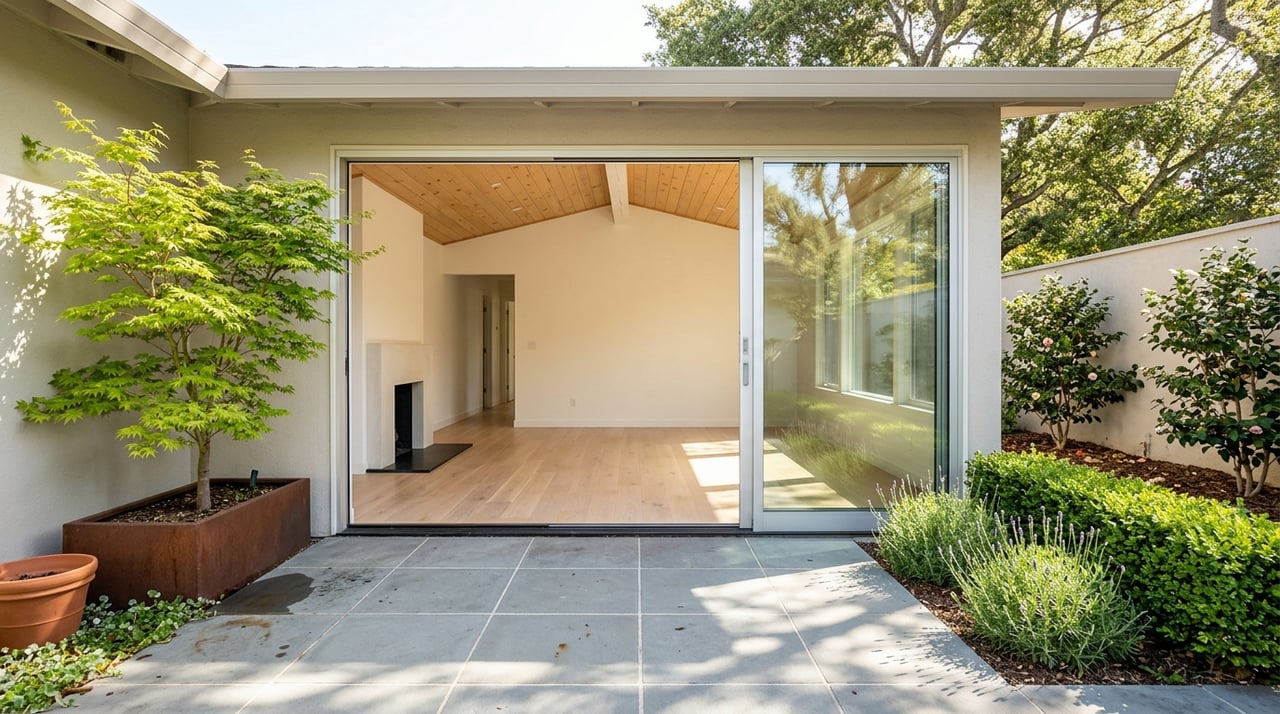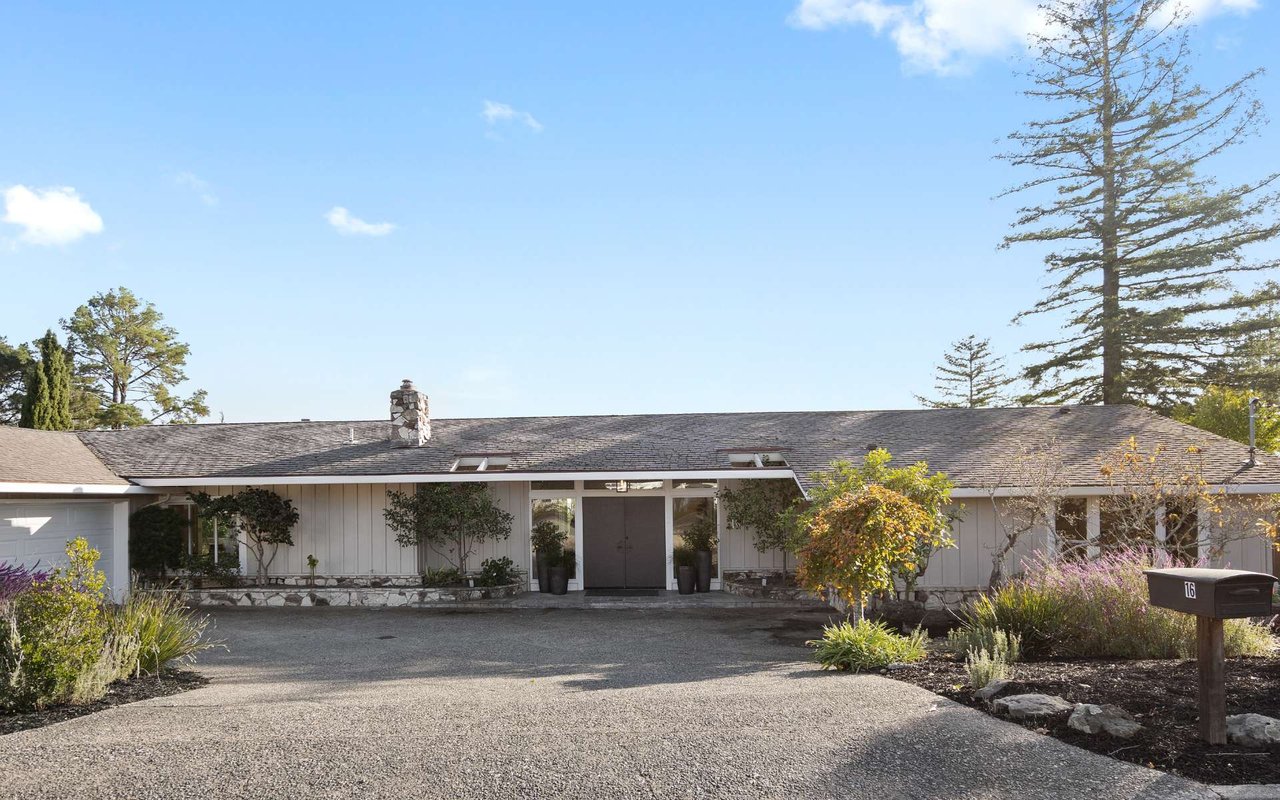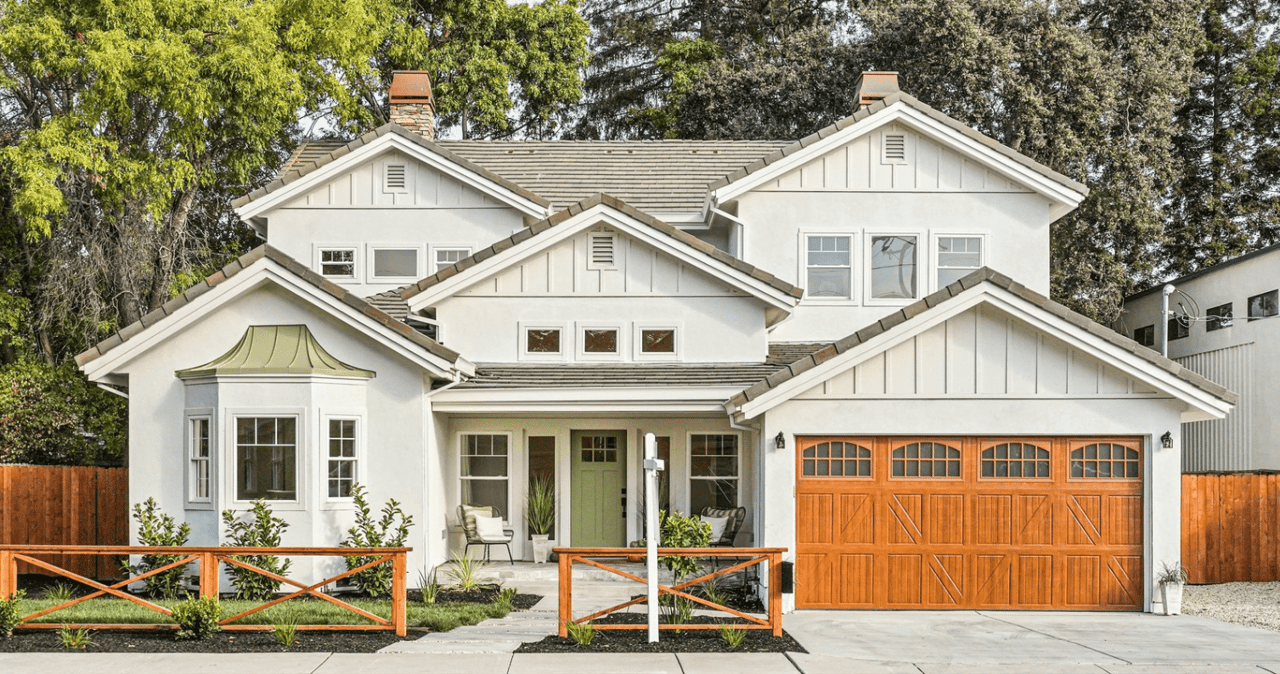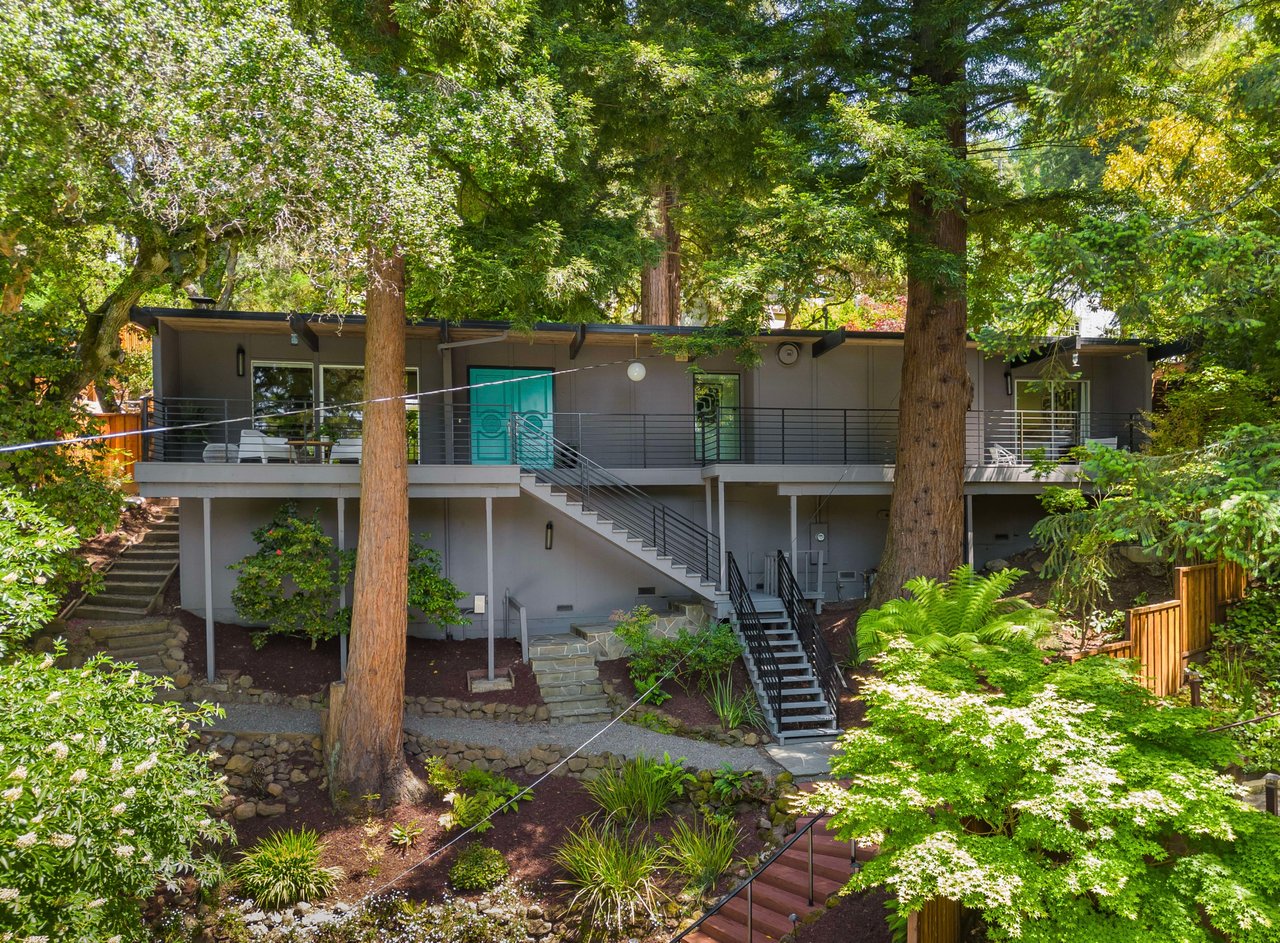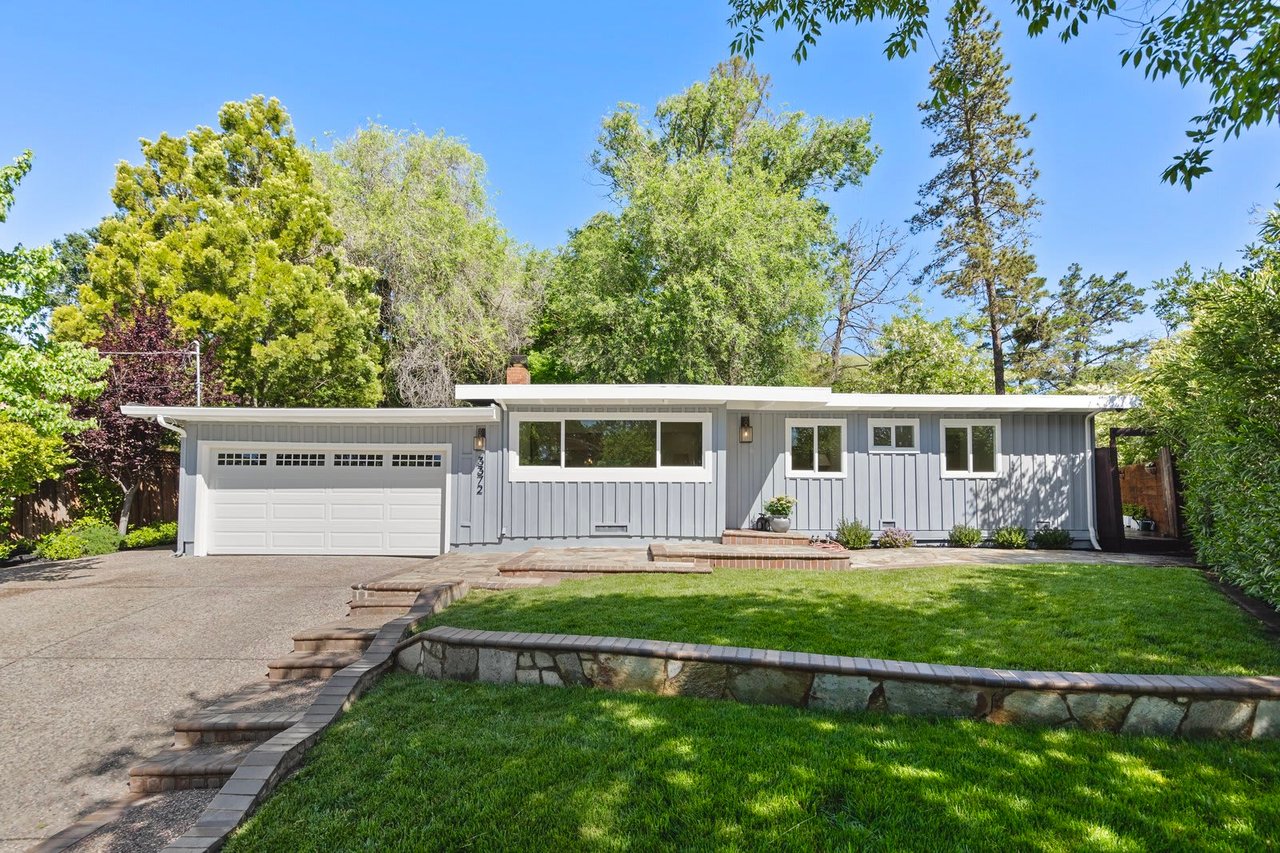
Looking for a home you can lock up and leave without giving up walkability, transit access, and a central Lafayette address? If you are thinking about buying a townhome in Downtown Lafayette, you are shopping in a small, premium market where the right unit can move quickly. This guide will help you understand what is actually available, how downtown attached homes compare with detached Lafayette homes, and what to review before you write an offer. Let’s dive in.
Downtown Lafayette townhome market
Downtown Lafayette is not a large townhome market with endless choices. As of late May 2026, Redfin shows 42 condos for sale in Lafayette overall at a median listing price of $1.28 million, while noting that the citywide townhome pool is very small.
That matters because inventory in the downtown core is even thinner. Redfin’s Downtown Lafayette page shows just 12 homes for sale and a recent sales sample of only 5 homes, so buyers should treat any downtown pricing range as directional rather than exact.
For broader context, Lafayette remains competitive. In March 2026, the citywide median sale price across all home types was $2.54 million, with a median 17 days on market.
What townhome pricing looks like
If you are trying to set a realistic budget, current attached-home listings suggest a practical downtown range from the high $800,000s to the low $2 millions. That spread depends heavily on the age of the building, square footage, bedroom count, and amenity package.
Examples from active listings show how wide that range can be. A one-bedroom Brant unit is listed at $889,880, an older two-bedroom Dewing condo is listed at $949,000, a Woodbury Highlands townhome is listed at $929,000, and a Blue Oak three-bedroom residence is listed at $2,291,389.
The key takeaway is simple: downtown attached homes can offer a lower entry point than Lafayette’s detached-home market, but they are still a premium product. If you want a newer unit, more space, or a stronger amenity package, your price point can rise fast.
Key downtown communities to know
Blue Oak
Blue Oak at 950 Hough Avenue is a four-story condominium community with 20 for-sale homes. The City of Lafayette says it offers two- and three-bedroom residences, shared amenities, and a low-maintenance lifestyle within walking distance of downtown shops, restaurants, and BART.
For buyers, Blue Oak represents the newer, polished end of the downtown attached market. If your priority is convenience and updated design, this is the kind of project worth watching closely.
The Brant
The Brant at 3676 Mt. Diablo Boulevard is a three-story mixed-use development with 66 for-sale condominiums. The project also includes ground-floor commercial space, and the City says it is within walking distance of downtown businesses and the Lafayette BART station.
This kind of mixed-use setting can appeal if you want to be in the middle of downtown activity. It can also mean more street activity and shared infrastructure than you would get in a detached home neighborhood.
Town Center III
Town Center III is another important downtown example. The City says it was completed in 2018 next to BART and includes 62 market-rate condos plus 7 below-market-rate condos.
City materials also describe a pedestrian connection to the south BART entrance and public art along the pathway. If commute ease is high on your list, location features like this can carry real value in day-to-day life.
Woodbury Highlands
Woodbury Highlands sits at Lafayette’s west end rather than directly on Mt. Diablo Boulevard, but many buyers include it in their downtown-adjacent search. City sources describe it as a 99-unit condominium project, and a current listing describes new two-story townhomes with an attached garage, EV charging, and access to a clubhouse, lounge, sun decks, BBQ area, and fitness center.
For some buyers, this is the sweet spot between downtown access and a little more separation from the core. It is still important to confirm how often you would realistically walk or drive to BART, restaurants, and daily errands.
Downtown lifestyle tradeoffs
Buying a townhome in Downtown Lafayette is usually less about getting more land and more about getting more convenience. The City’s Downtown Specific Plan focuses on safer walking, biking, transit connections, and better pedestrian circulation instead of simply widening roads.
In practical terms, that planning vision supports a downtown lifestyle where you can spend less time driving for every errand. The City is also advancing projects like the Downtown Lafayette Parking Management Study and the Aqueduct Pathway, which is planned to connect neighborhoods, downtown destinations, and transit along a safer separated route.
That said, convenience comes with tradeoffs. Downtown attached homes often mean more street activity, more shared spaces, and less separation than a detached house on a larger lot farther from the center of Lafayette.
BART, parking, and commuting
BART is one of the biggest reasons buyers focus on this part of Lafayette. Lafayette Station at 3601 Deer Hill Road is served by County Connection and currently lists daily fee parking at $3.40, monthly reserved parking at $105, and 32 BikeLink lockers.
BART also says parking capacity is available at all times. However, buyers should know that in February 2026, about 50 reserved spaces in lot A began closing temporarily for the Town Center pathway and Bike Station project, leaving about 70 spaces available during construction.
If your plan depends on driving to the station every morning, details like parking access matter. If you expect to walk, bike, or use a short drop-off instead, a downtown townhome may fit your routine especially well.
How townhomes differ from detached homes
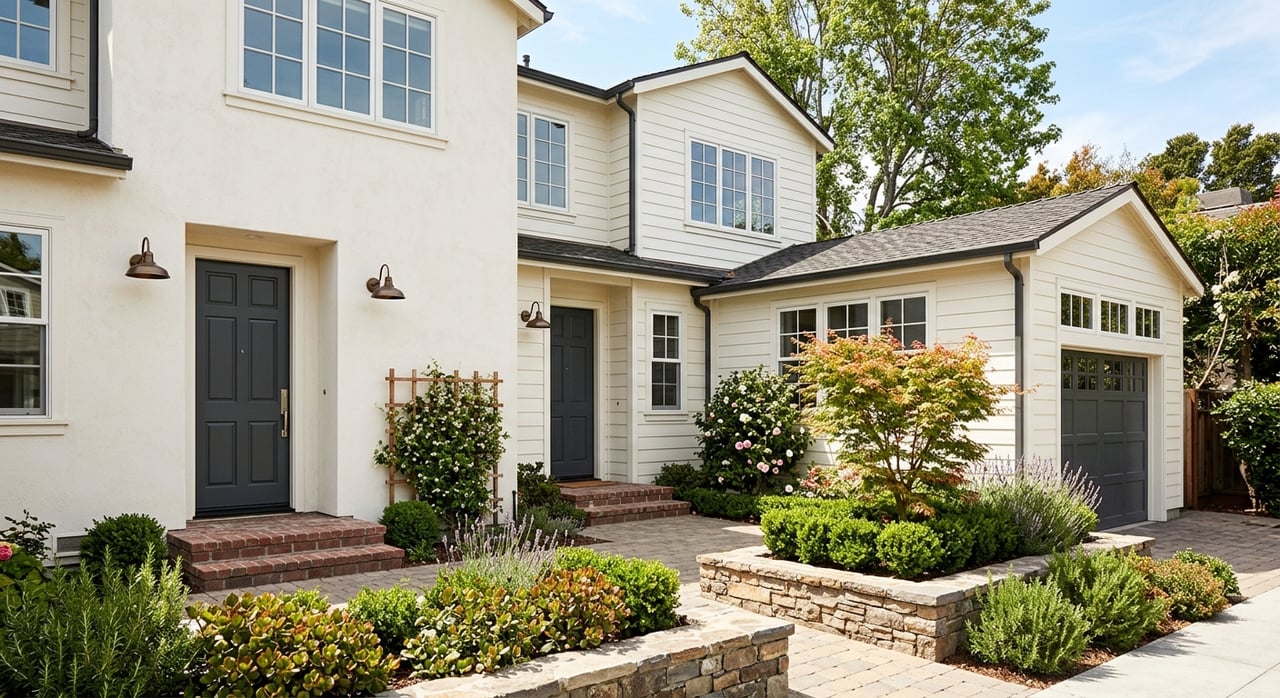
Downtown townhomes and condos are a different ownership product than detached Lafayette homes. You are typically buying shared walls, common-area governance, less exterior upkeep, and a location built around access to downtown services and transit.
That trade can be attractive if you want lower maintenance and a more connected daily routine. It may be less appealing if you want a quiet setting, a large private yard, or more physical distance from neighbors.
Price structure is another big difference. With Lafayette’s citywide median sale price at $2.54 million in March 2026, attached homes in the high $800,000s to low $2 millions can create a different entry path into Lafayette ownership, even though they remain expensive by broader Bay Area standards.
HOA review matters more than you think
When you buy in a California common-interest development, HOA membership is automatic. The California Department of Real Estate says buyers should review the HOA’s CC&Rs, bylaws, and rules, and understand that dues help fund operating costs and reserves.
The same guide explains that special assessments may be used for major repairs, replacements, or unexpected costs. For new subdivisions, the developer must provide a public report before contract signing, and that report summarizes HOA matters, title items, utilities, and related disclosures.
This is one of the biggest differences between buying a downtown townhome and buying a detached home. The HOA is not a side note. It is part of the ownership structure, monthly cost, and future risk profile.
What HOA dues may cover
Nearby listings show how much HOA costs can vary. One Downtown Lafayette condo at 919 Dewing is listed with a $620 monthly HOA, while another nearby Dewing listing shows a $555 monthly HOA that includes exterior maintenance, management, reserves, trash, insurance, and grounds maintenance.
A Woodbury Highlands listing shows $513 monthly HOA dues and a package that includes access to a clubhouse, lounge, sun decks, BBQ area, and fitness center. Lower dues are not always better if reserve funding is weak, and higher dues are not automatically bad if they support strong maintenance and better long-term planning.
This is where practical document review matters. You want to understand not just the number, but what that number is buying you.
Smart due diligence before you offer
A downtown townhome purchase should include a careful review of both the home and the project. This is especially true in a small market where newer construction, mixed-use buildings, and amenity-rich communities can have very different ownership terms.
Start with the basics:
- Confirm what the HOA fee covers, especially exterior maintenance, reserves, trash, and insurance.
- Ask whether any special assessments are pending or discussed in recent meeting minutes.
- Verify assigned parking, guest parking, EV charging access, and storage rules.
- For new construction, confirm the public report and resale packet are complete before removing contingencies.
Then go one step further. Review the layout, storage, garage function, noise exposure, and building location within the community. A great floor plan on paper can feel very different if it faces a busy street, sits near active commercial space, or has tighter parking than you expected.
Why local guidance helps in this niche
Because Downtown Lafayette has limited attached-home inventory, each listing can feel a little different from the next. Product type, age, HOA structure, parking setup, and walkability can vary more than many buyers expect.
That is where local knowledge can save time and reduce surprises. A team with Lamorinda experience can help you compare not just list prices, but also community design, likely upkeep patterns, renovation potential, and how each project fits your day-to-day goals.
If you are weighing a downtown townhome against a detached Lafayette home, the real question is usually not which one is better in the abstract. It is which ownership style fits your routine, maintenance tolerance, commute, and budget best.
If you want help evaluating Downtown Lafayette townhomes, comparing HOA structures, or pressure-testing whether an attached home is the right fit, schedule a free Home Strategy Session with the Paddy Kehoe Team.
FAQs
What is the typical price range for a Downtown Lafayette townhome?
- Current attached-home listings suggest a practical downtown range from the high $800,000s to the low $2 millions, depending on size, age, and amenities.
Are there many townhomes for sale in Downtown Lafayette?
- No. Downtown Lafayette is a small attached-home market, and available inventory can be very limited at any given time.
What should you review in a Downtown Lafayette HOA?
- You should review dues, what the dues cover, reserve funding, recent or pending special assessments, insurance details, and any parking or use restrictions.
Is buying a townhome in Downtown Lafayette different from buying a detached home?
- Yes. A downtown townhome usually means shared walls, HOA governance, less exterior maintenance, and stronger access to downtown services and BART instead of a larger private lot.
How important is BART access when buying in Downtown Lafayette?
- It is often a major factor because downtown projects are closely tied to walkability and transit access, but you should still confirm your parking, biking, or walking plan for daily use.