If you feel squeezed by your current space but are not ready for a much bigger jump into Lafayette’s highest-priced neighborhoods, Lafayette Valley Estates may deserve a close look. For many move-up buyers, the goal is not just more square footage. It is a better daily setup, a quieter street feel, and a home with room to grow into. In this guide, you’ll see where Lafayette Valley Estates fits in the local market, what kind of housing stock you can expect, and why this neighborhood can be a smart next step. Let’s dive in.
Why Lafayette Valley Estates stands out
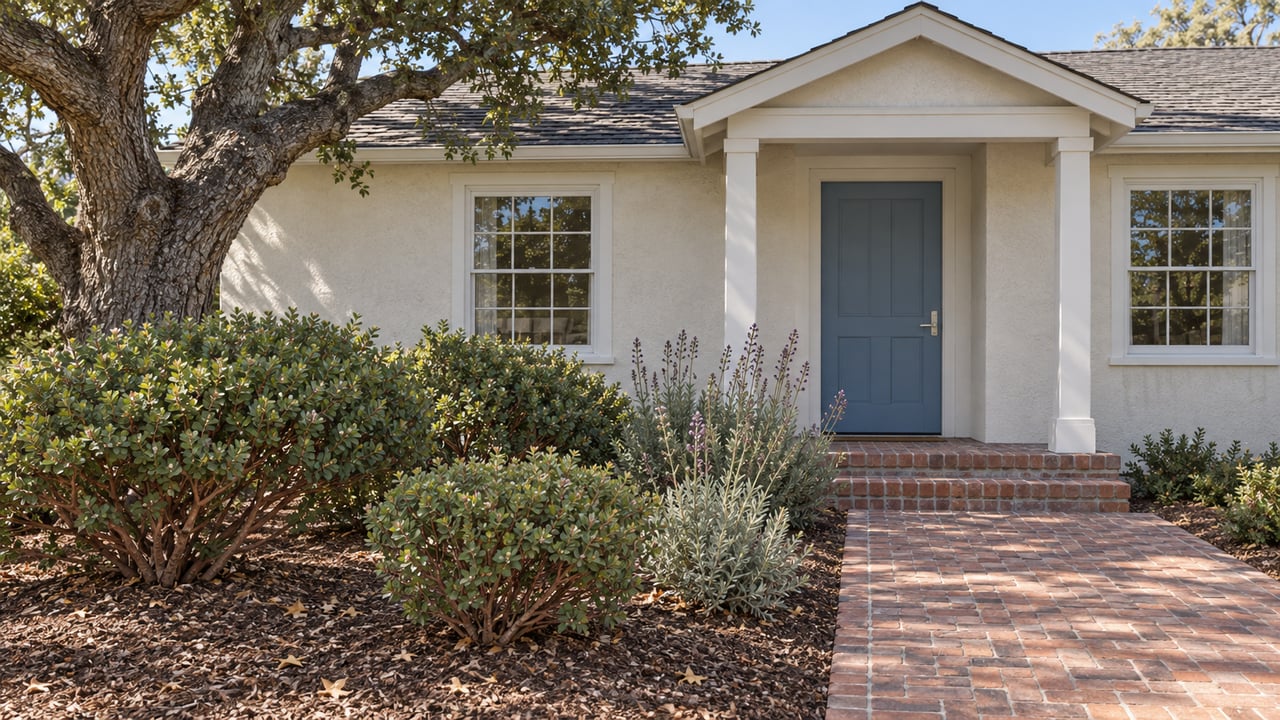
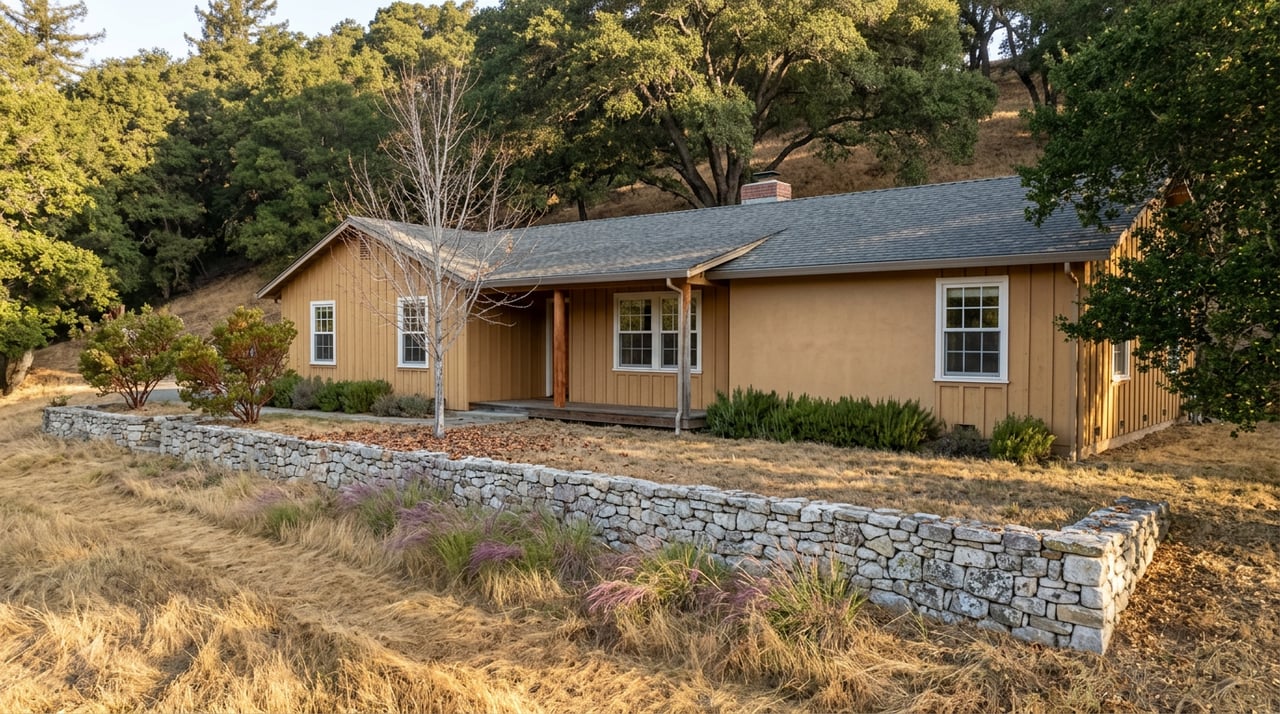
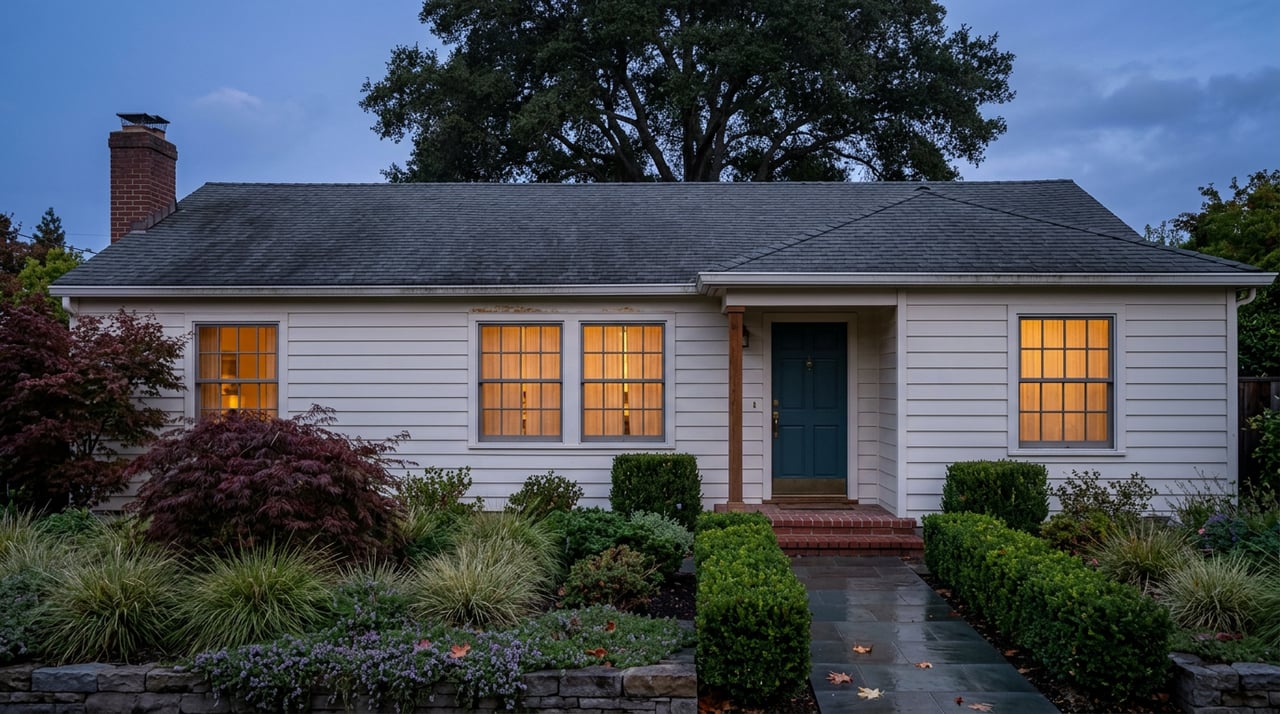
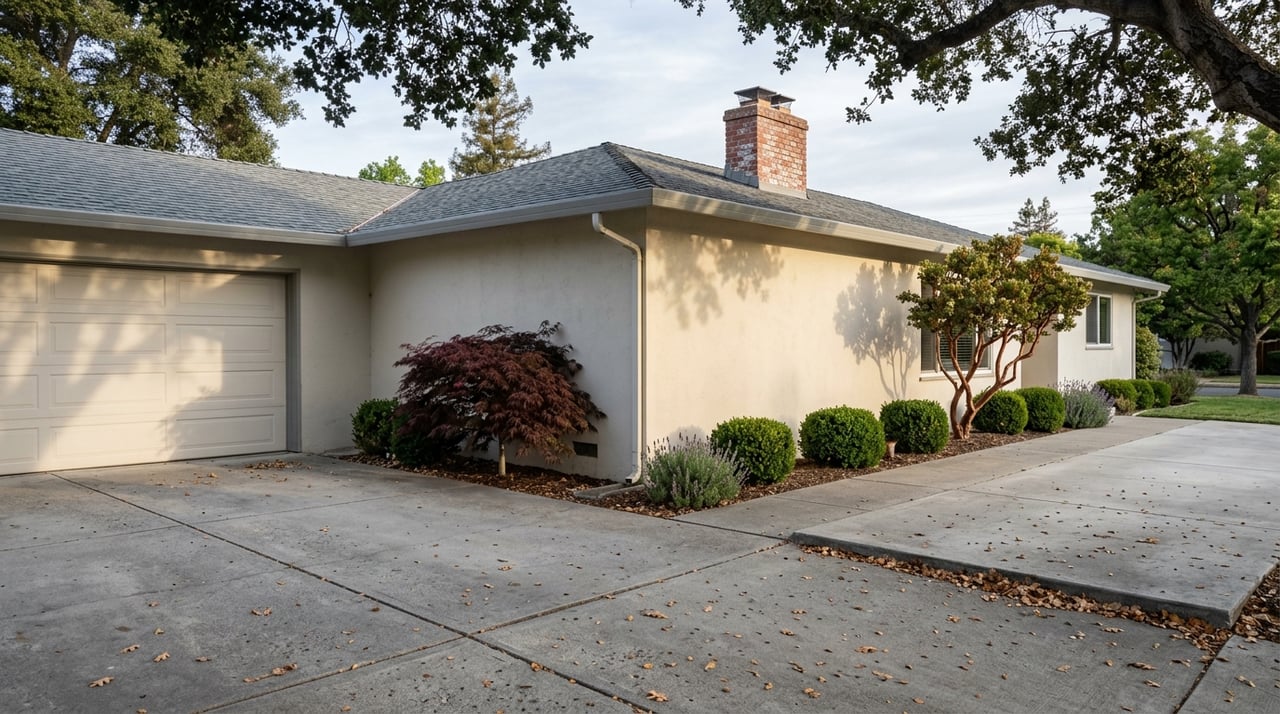
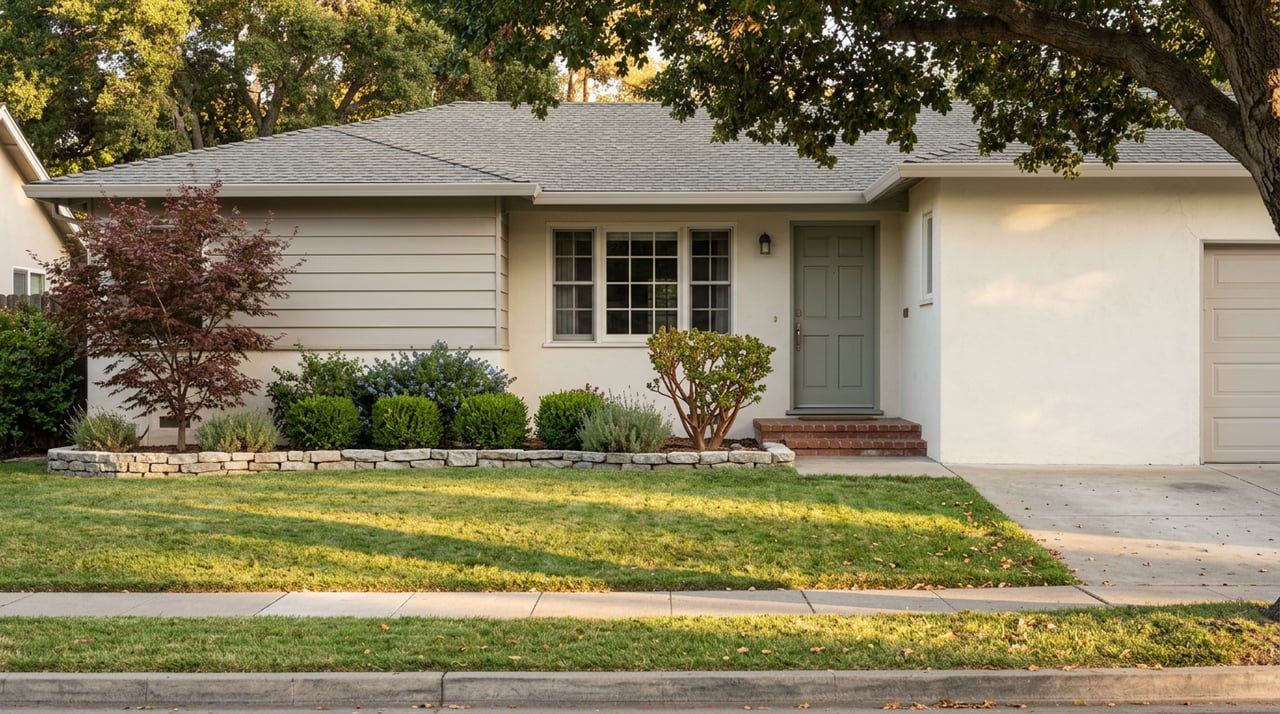
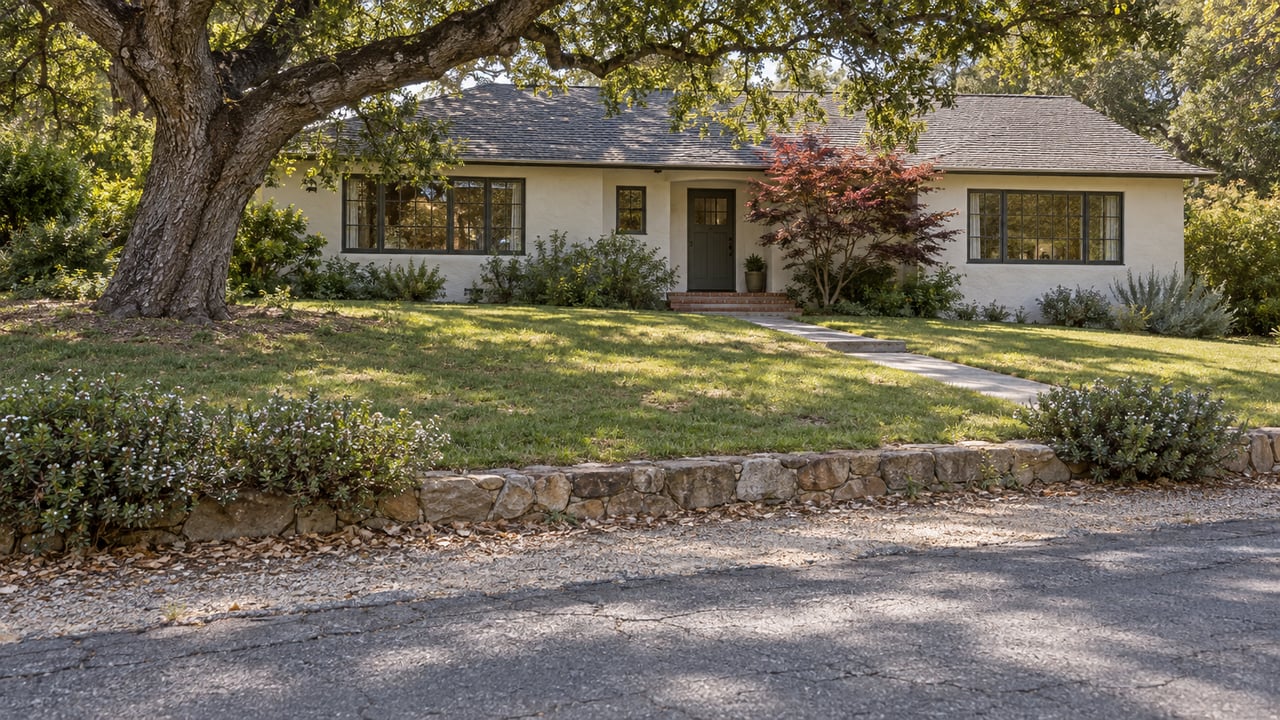
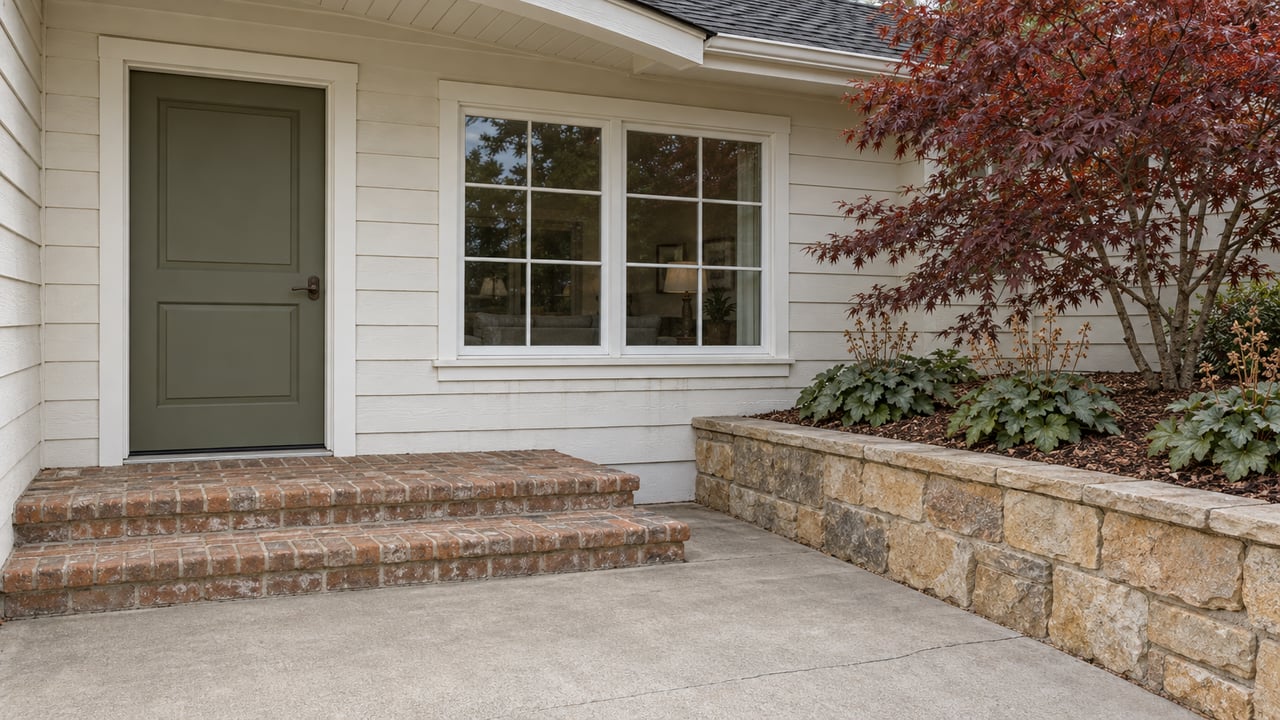
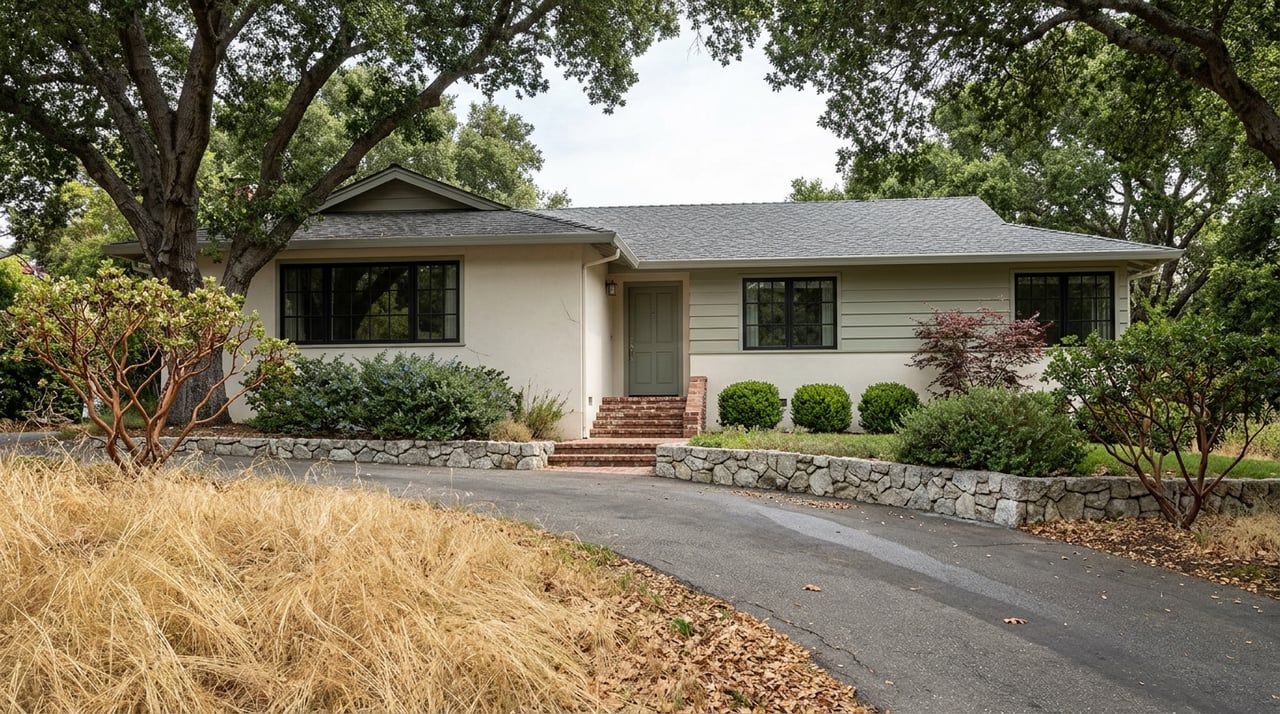
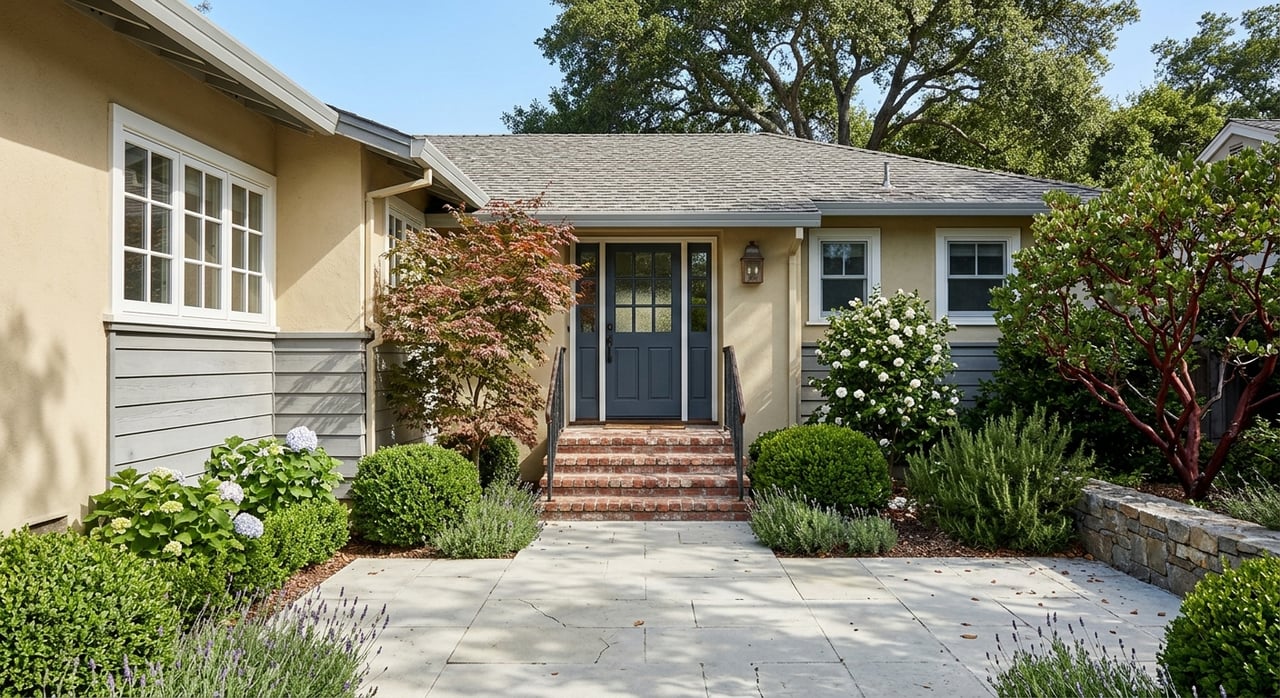
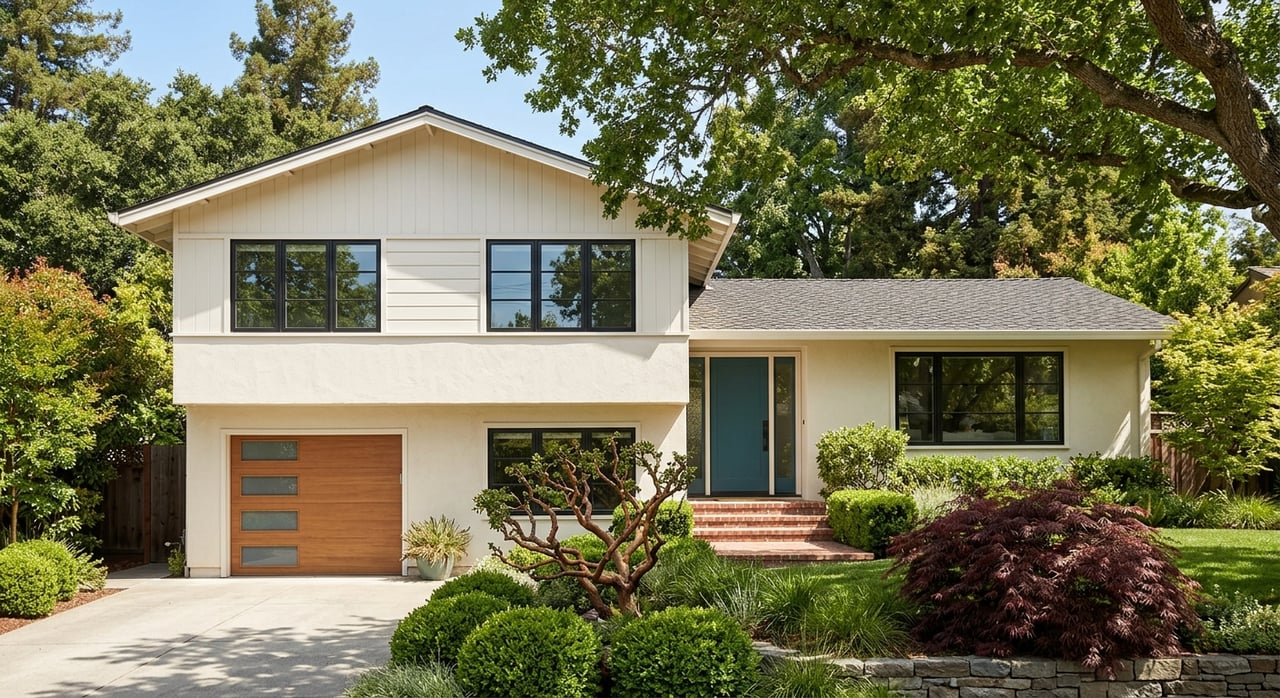
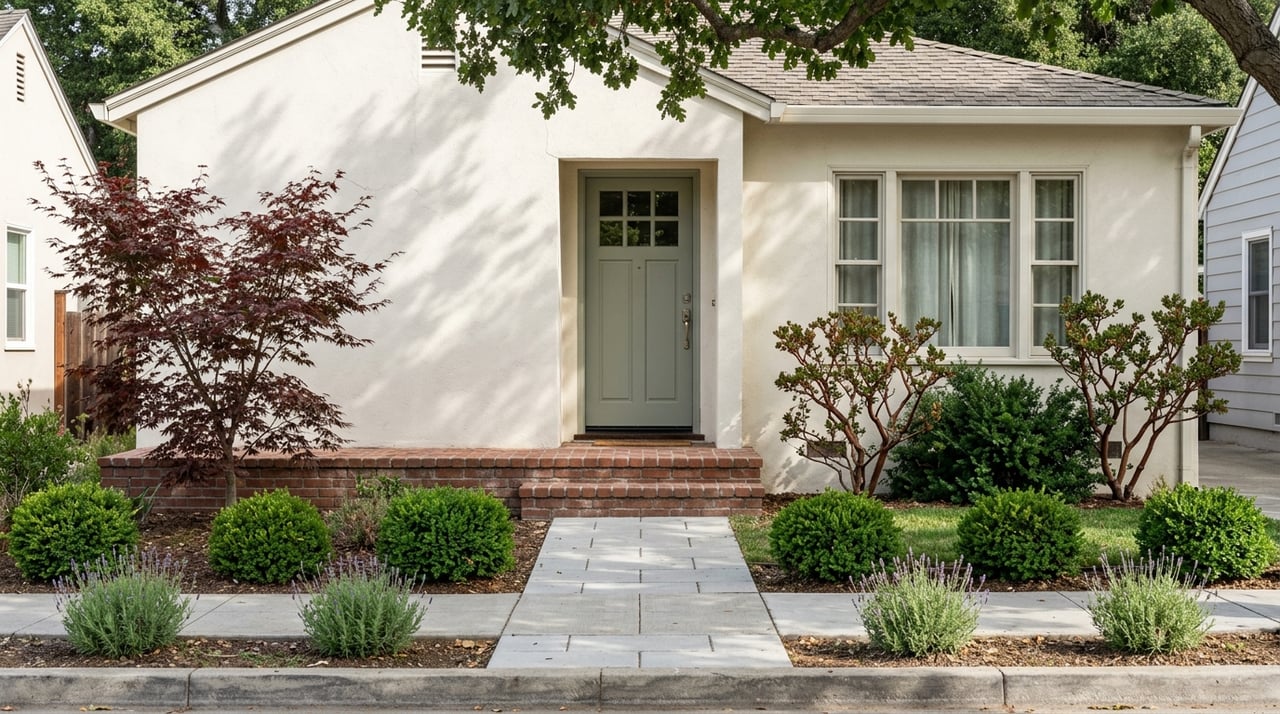
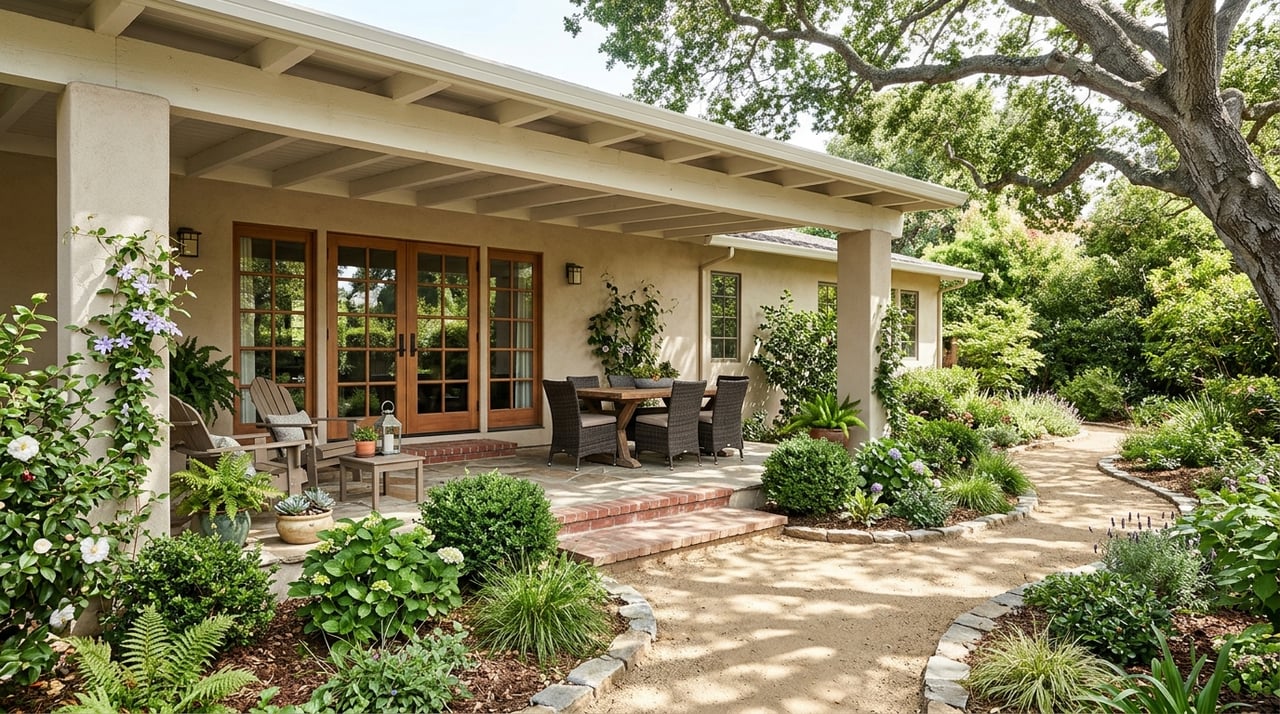
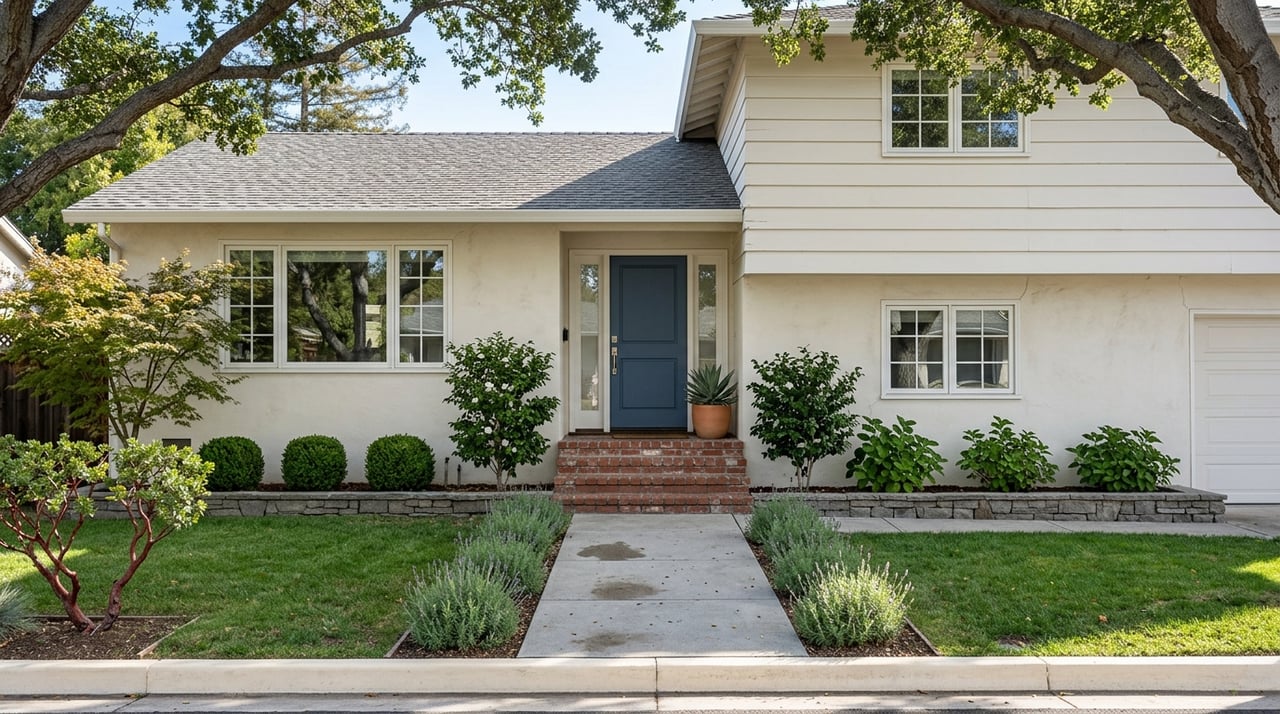
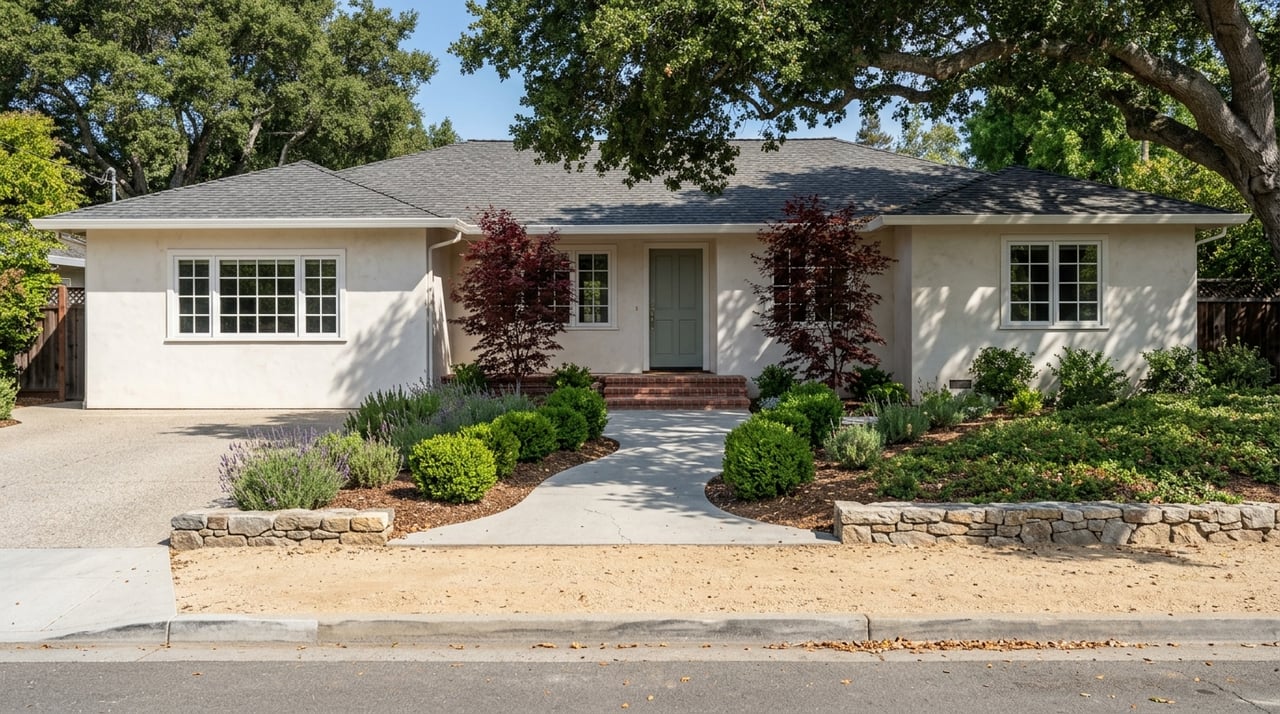
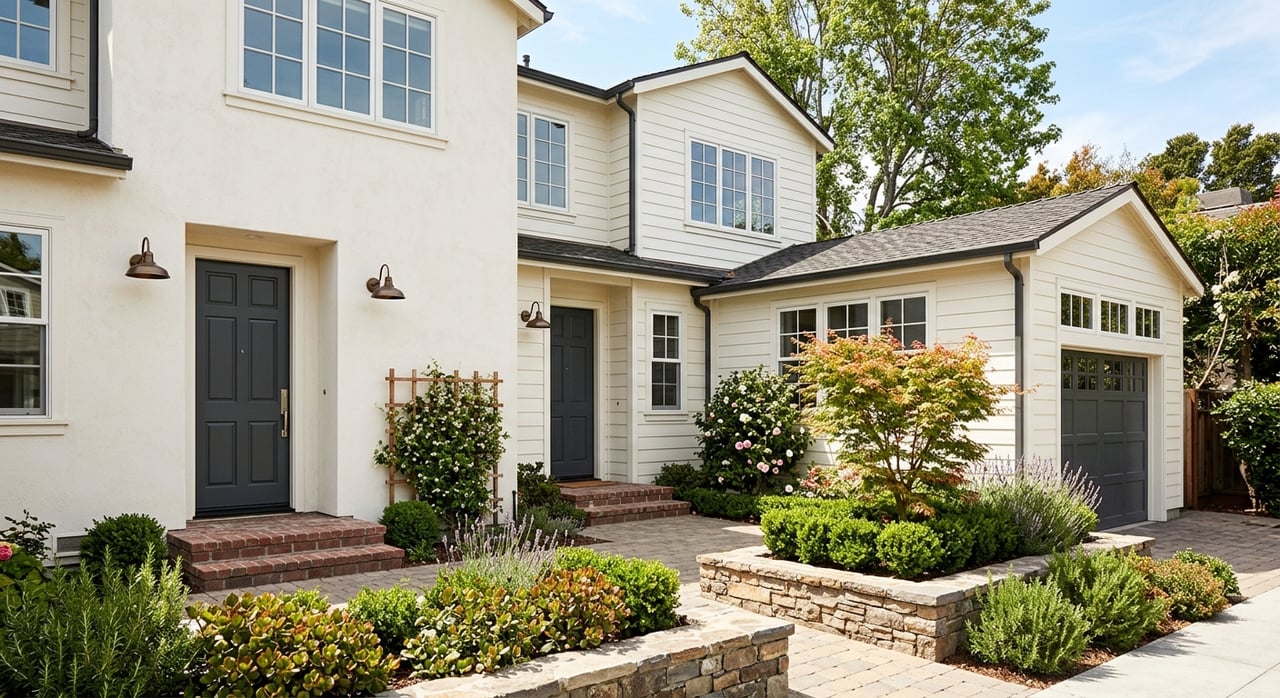
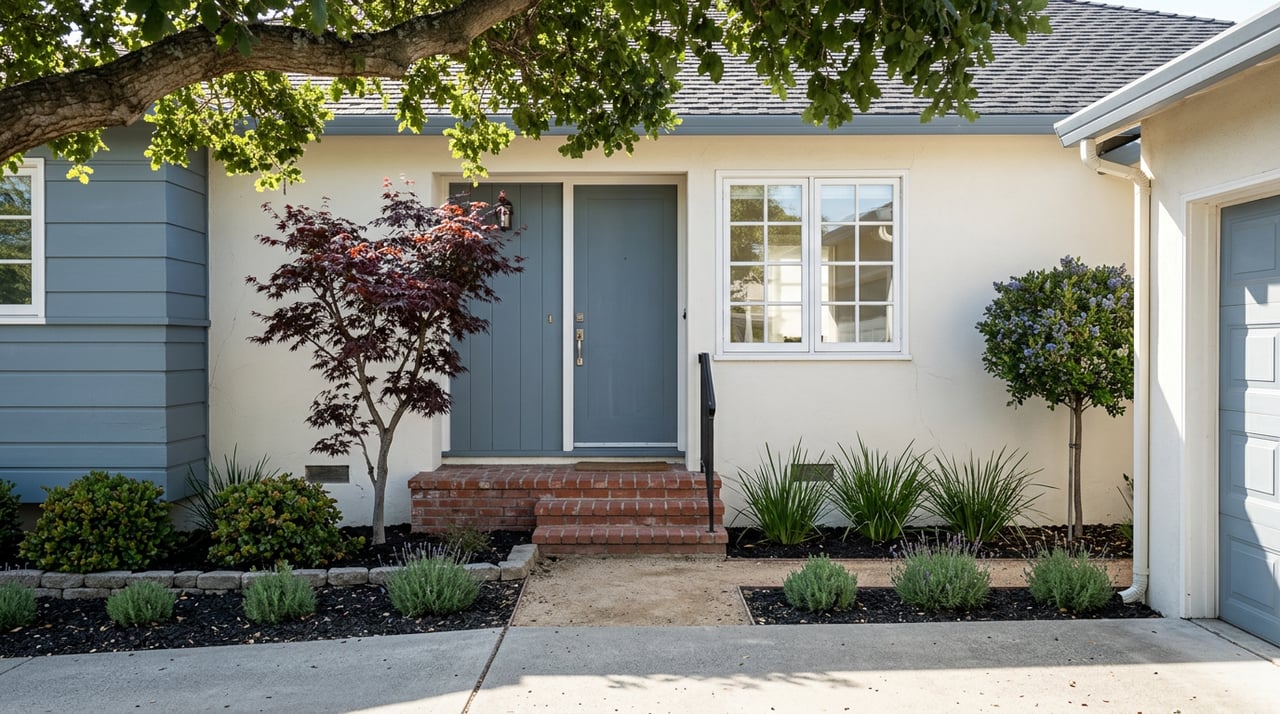
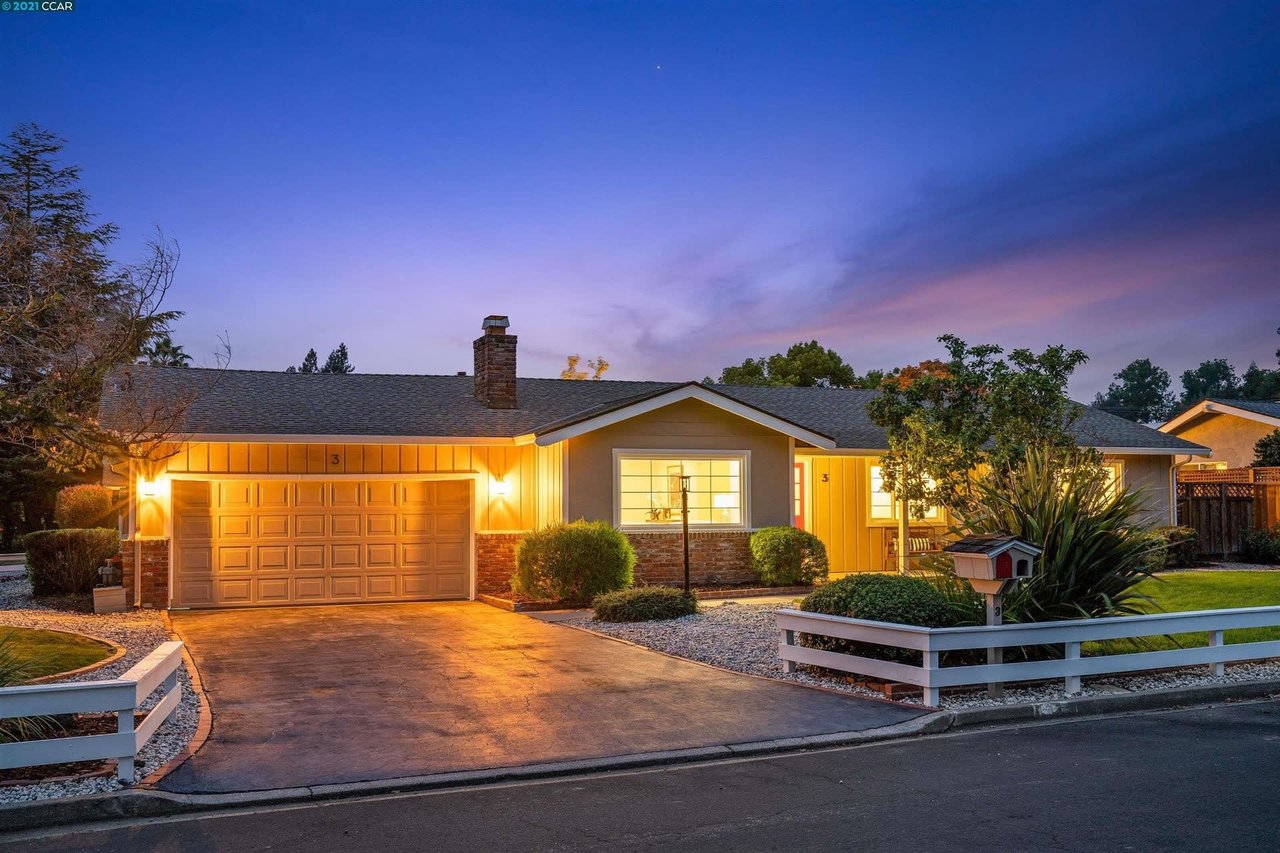
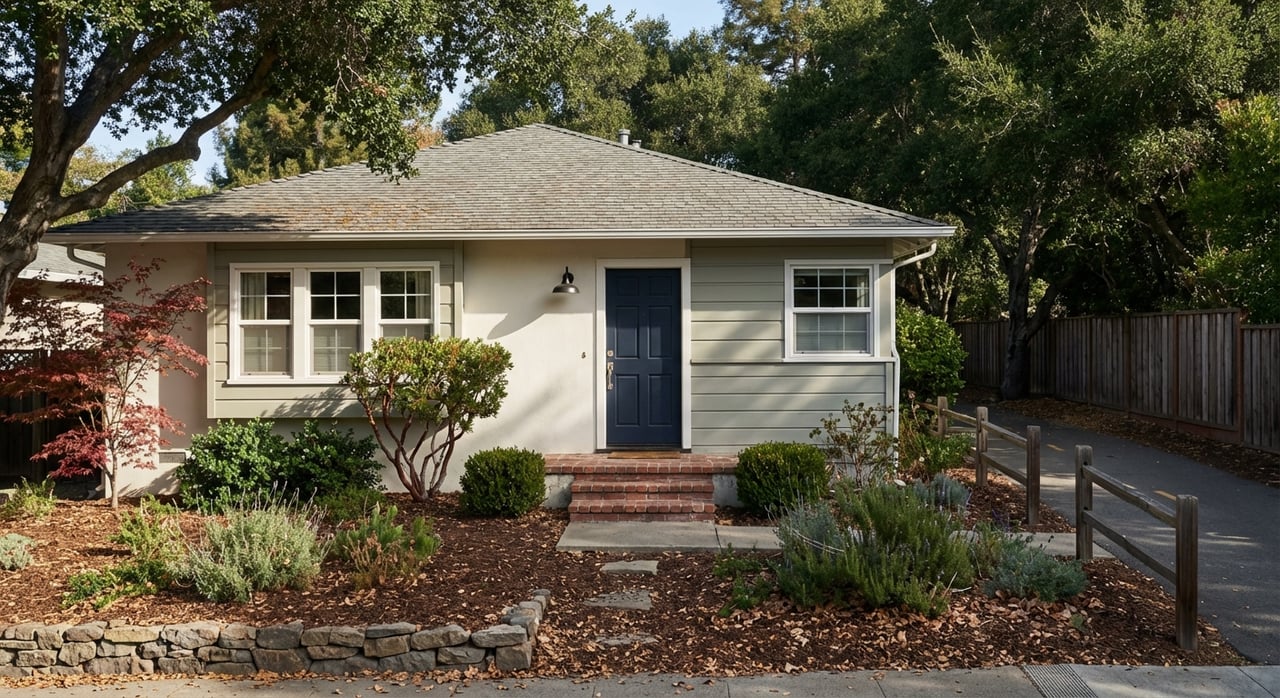
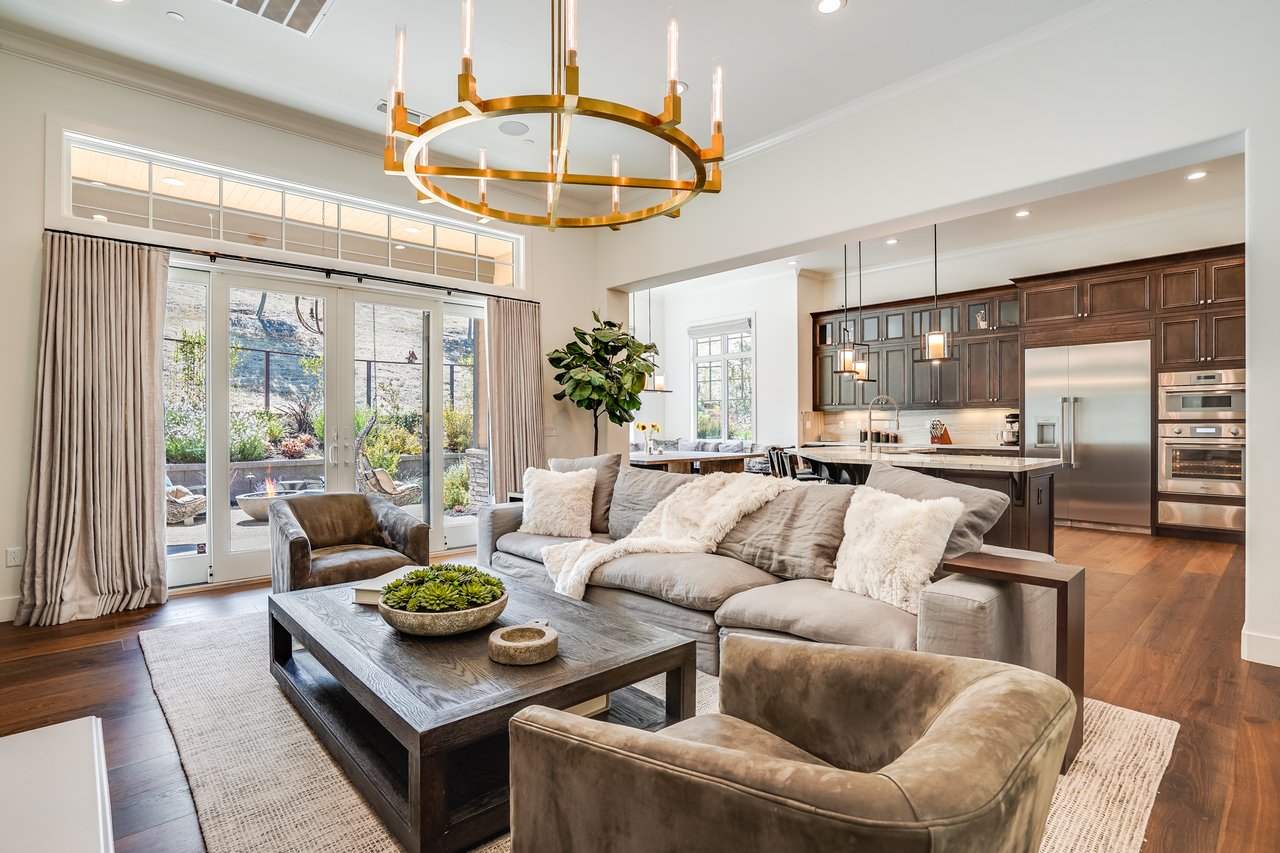
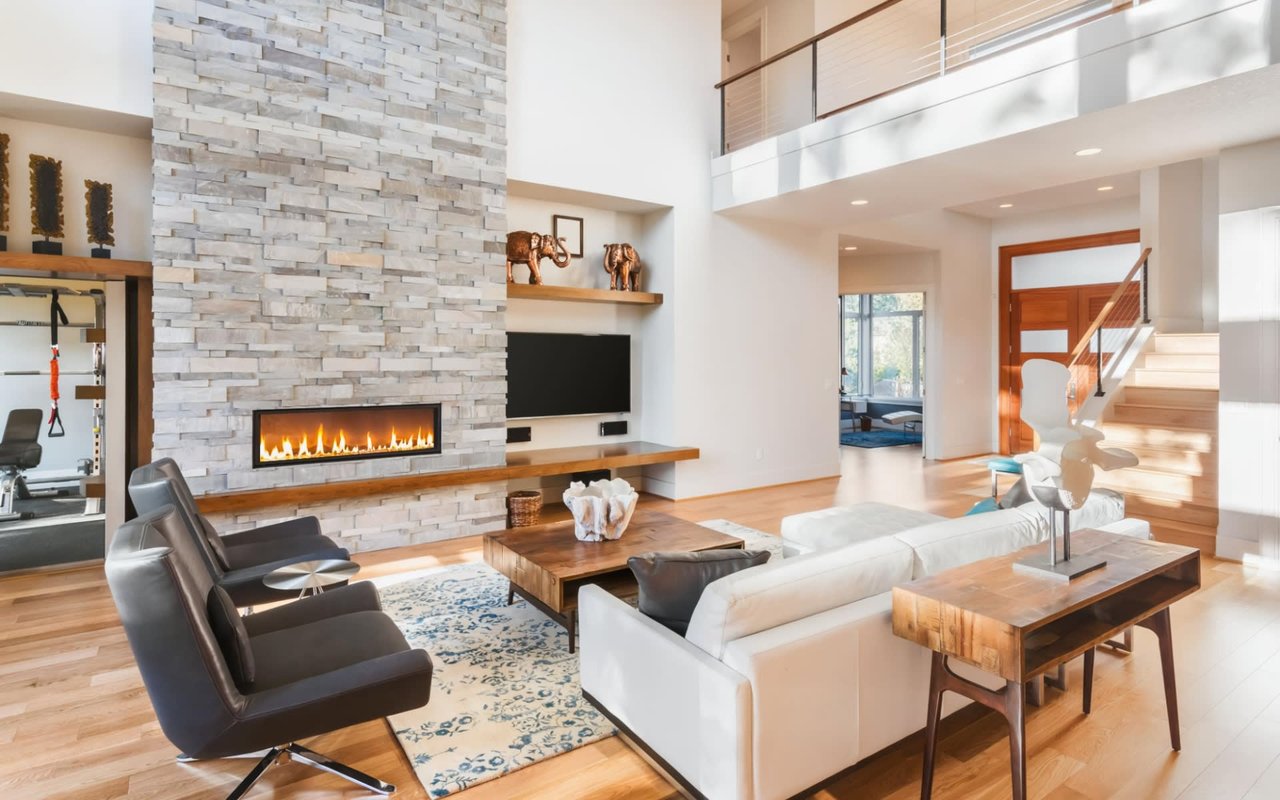
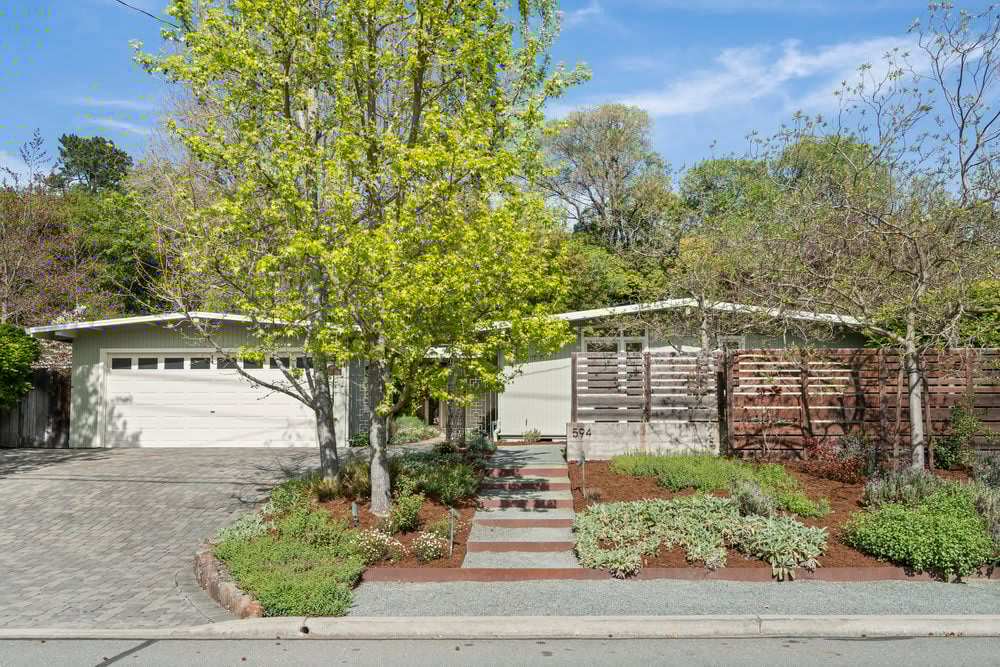
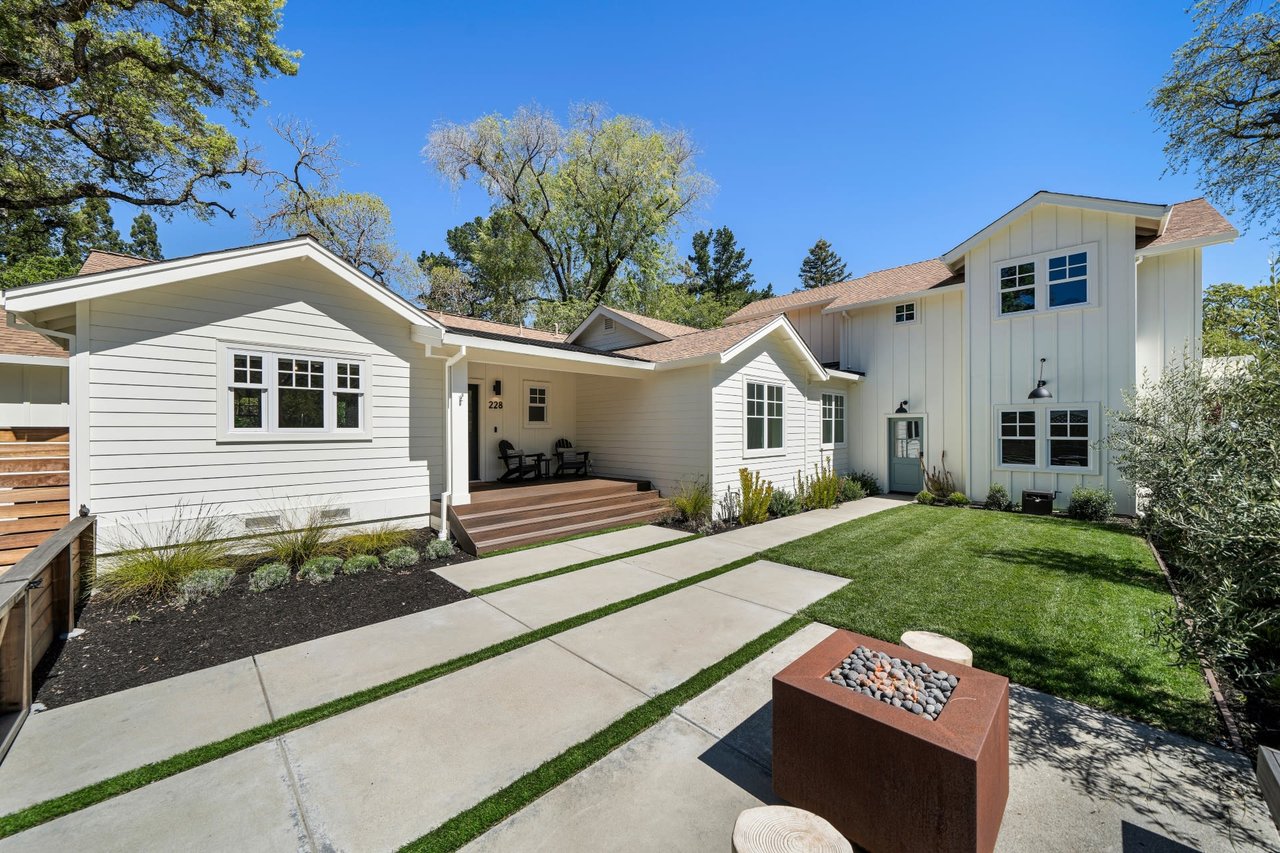
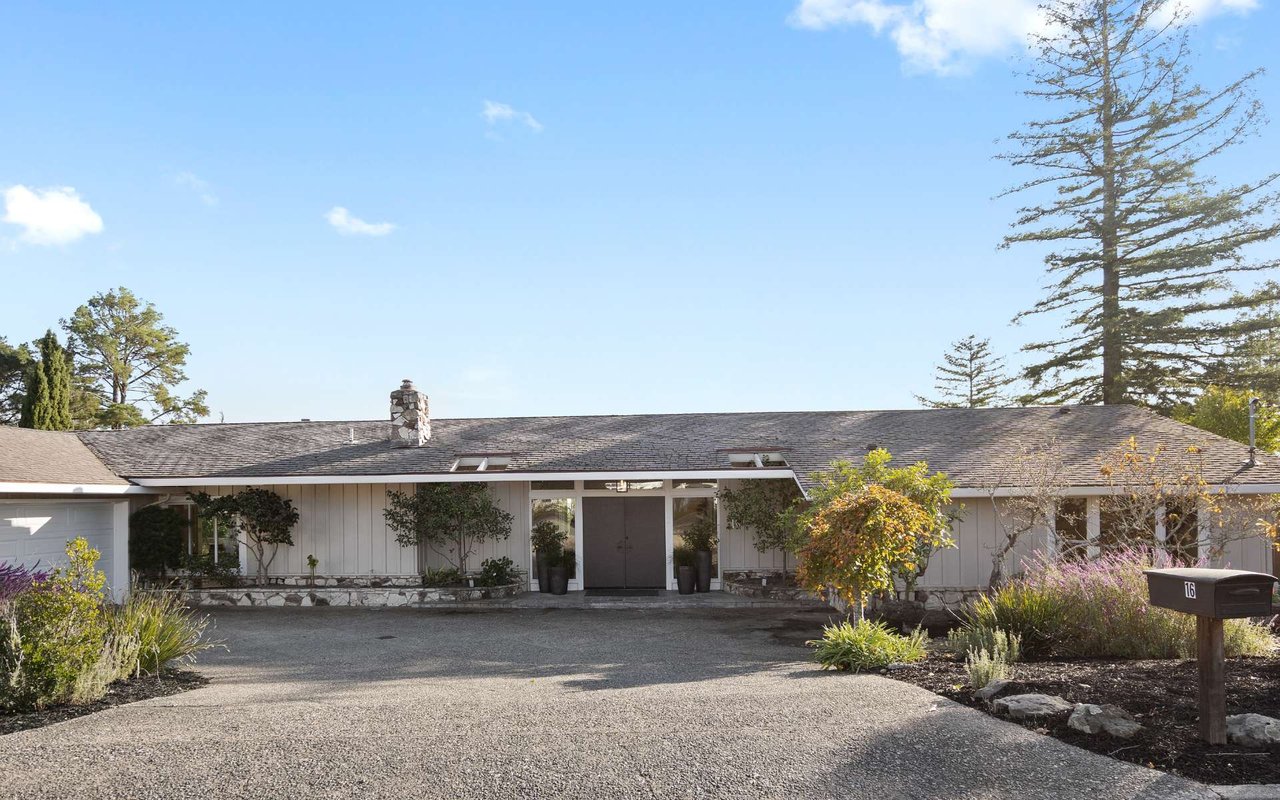
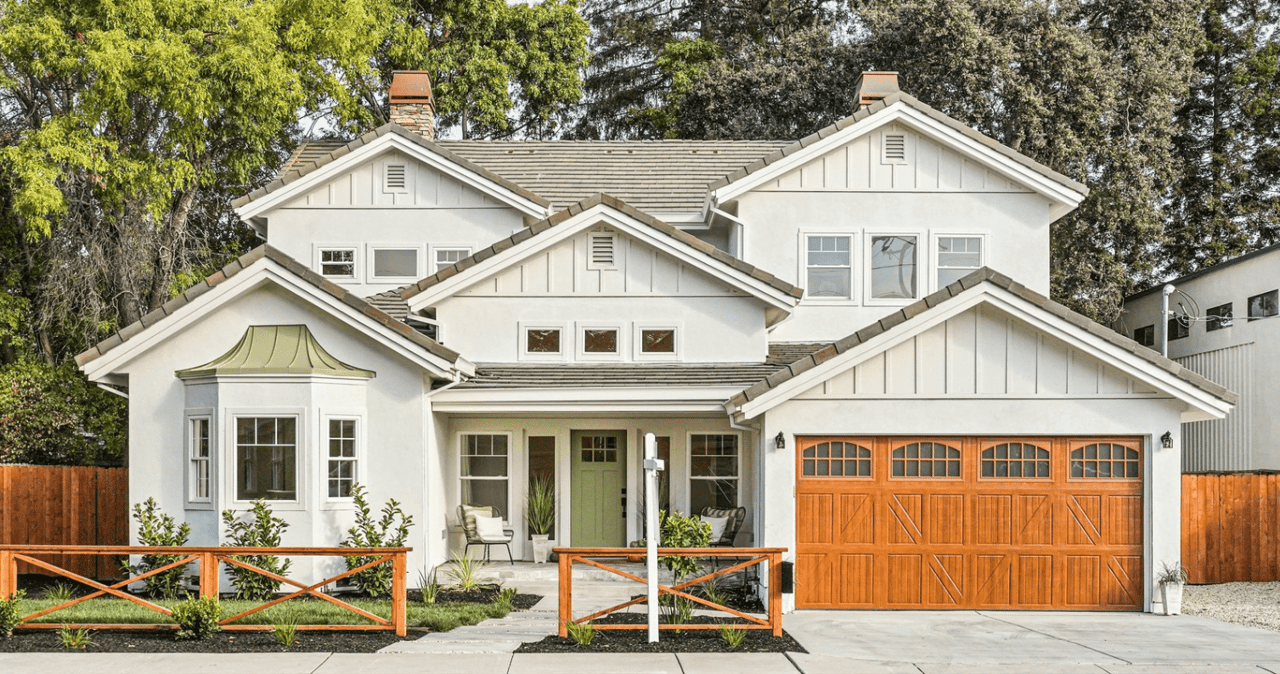
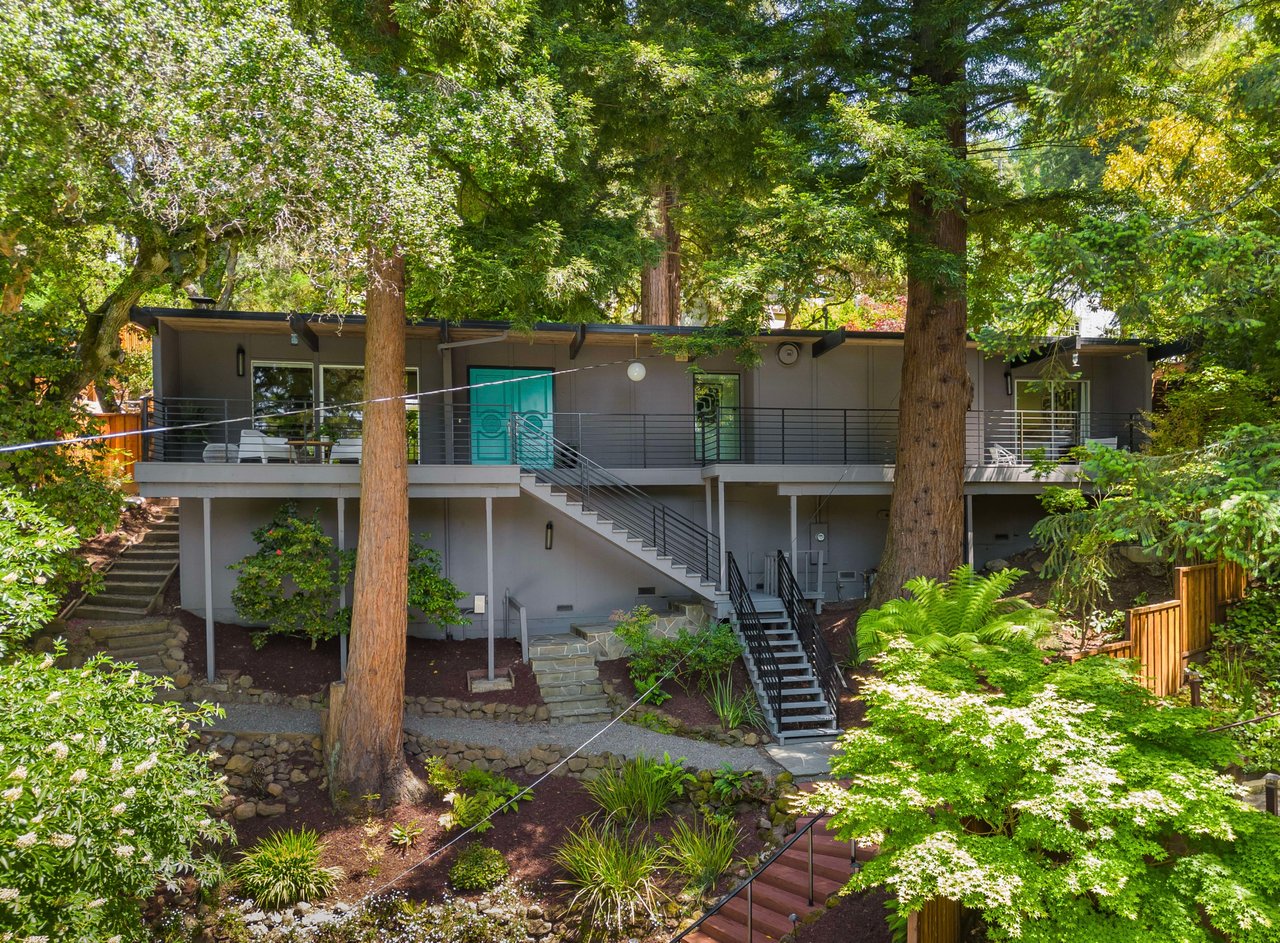
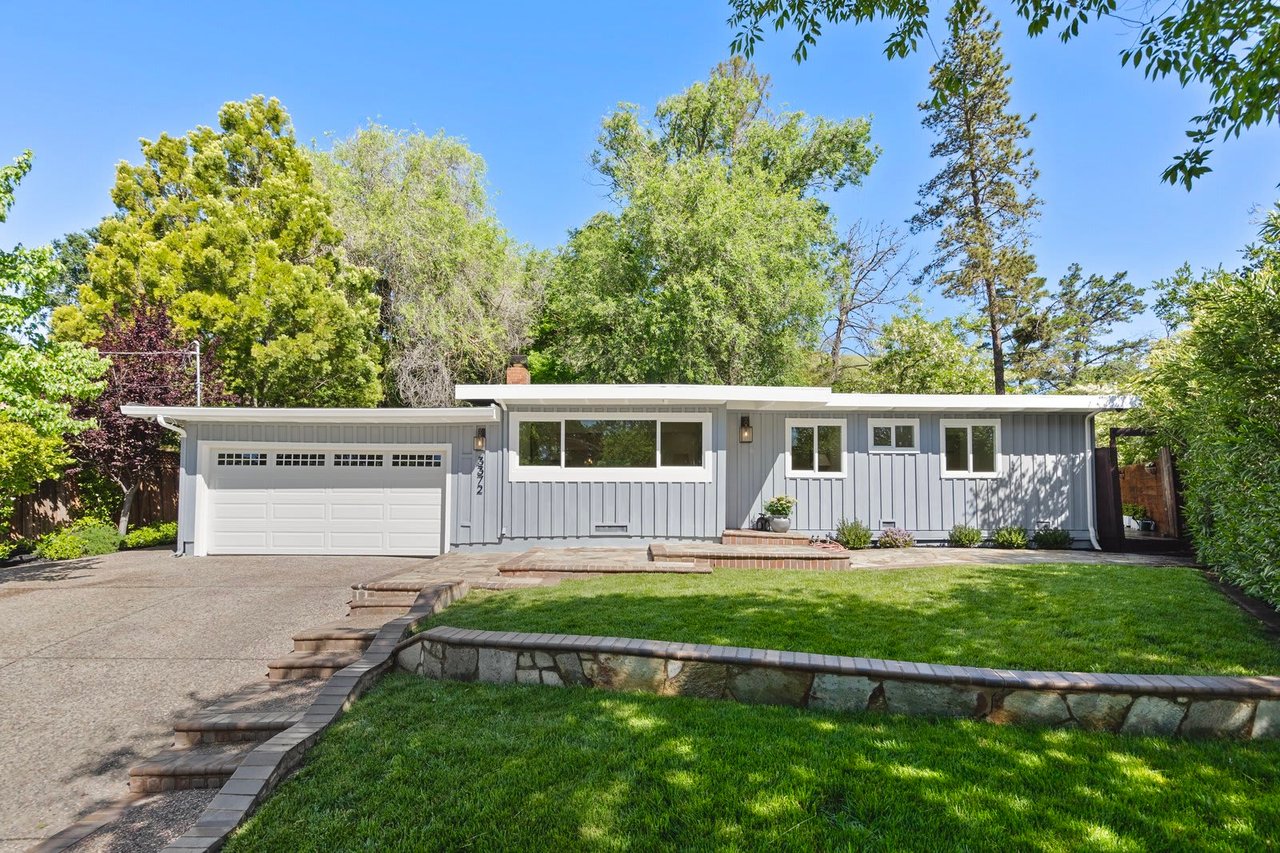
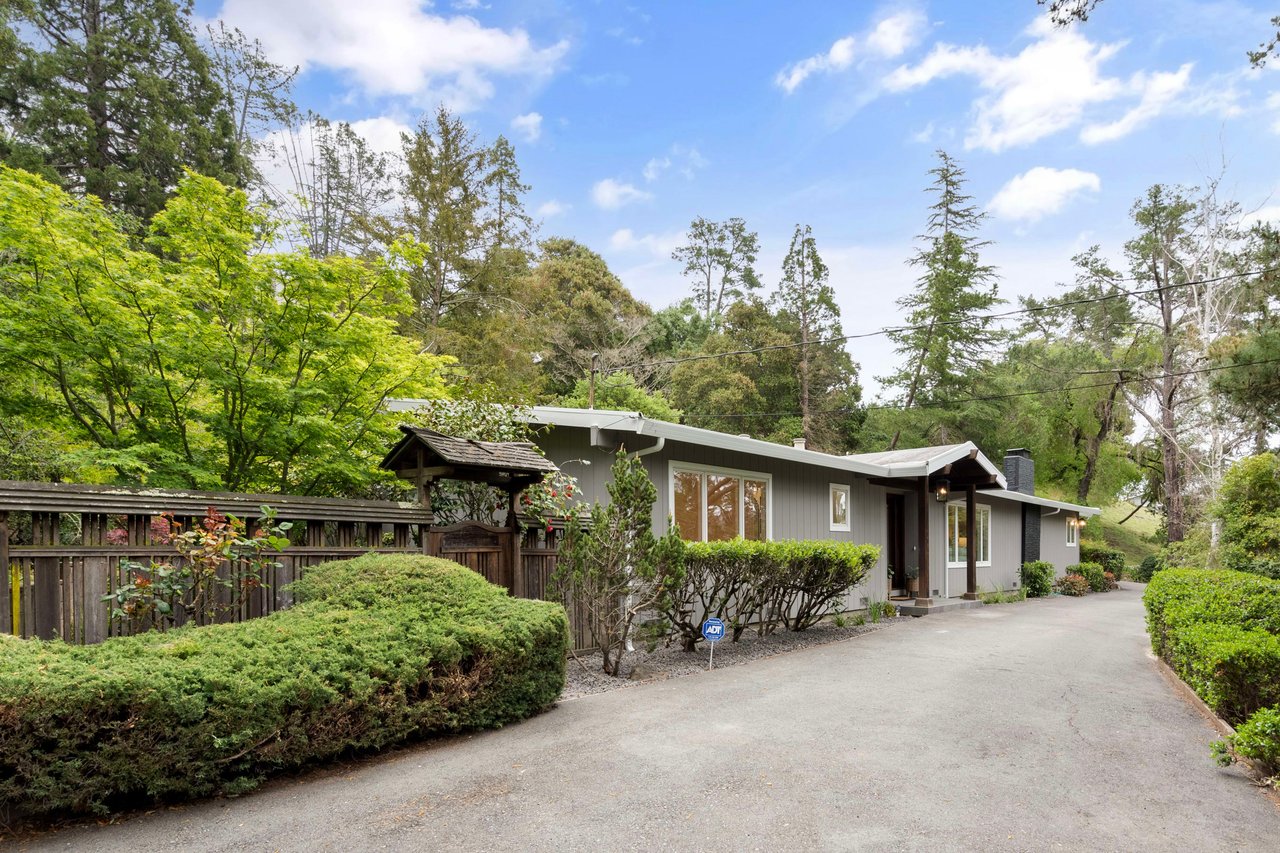
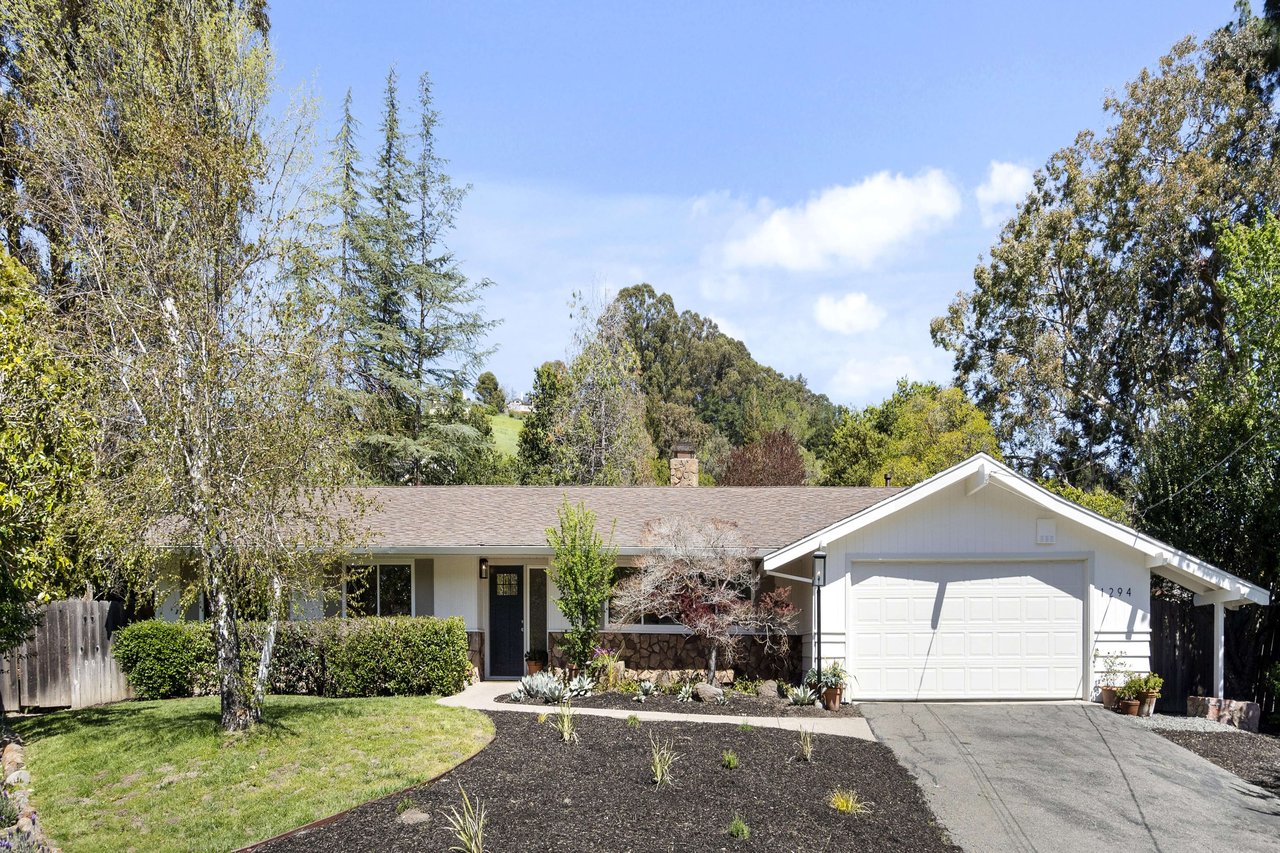
Lafayette Valley Estates has the feel of an established Lafayette neighborhood with mostly single-family homes and a strong mid-century identity. Recent listings describe ranch-style and mid-century modern homes, many built in the early to mid-1950s. You are generally looking at classic homes rather than new construction, with a mix of single-level layouts and a limited number of two-story homes.
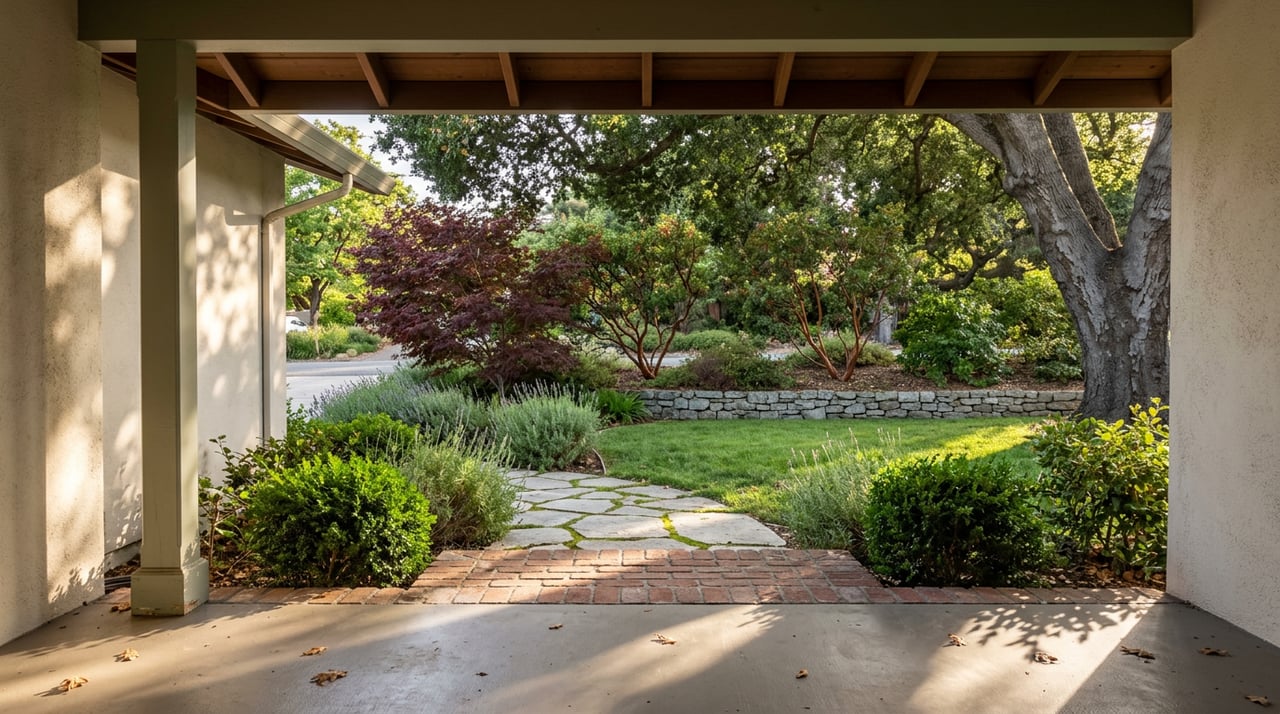
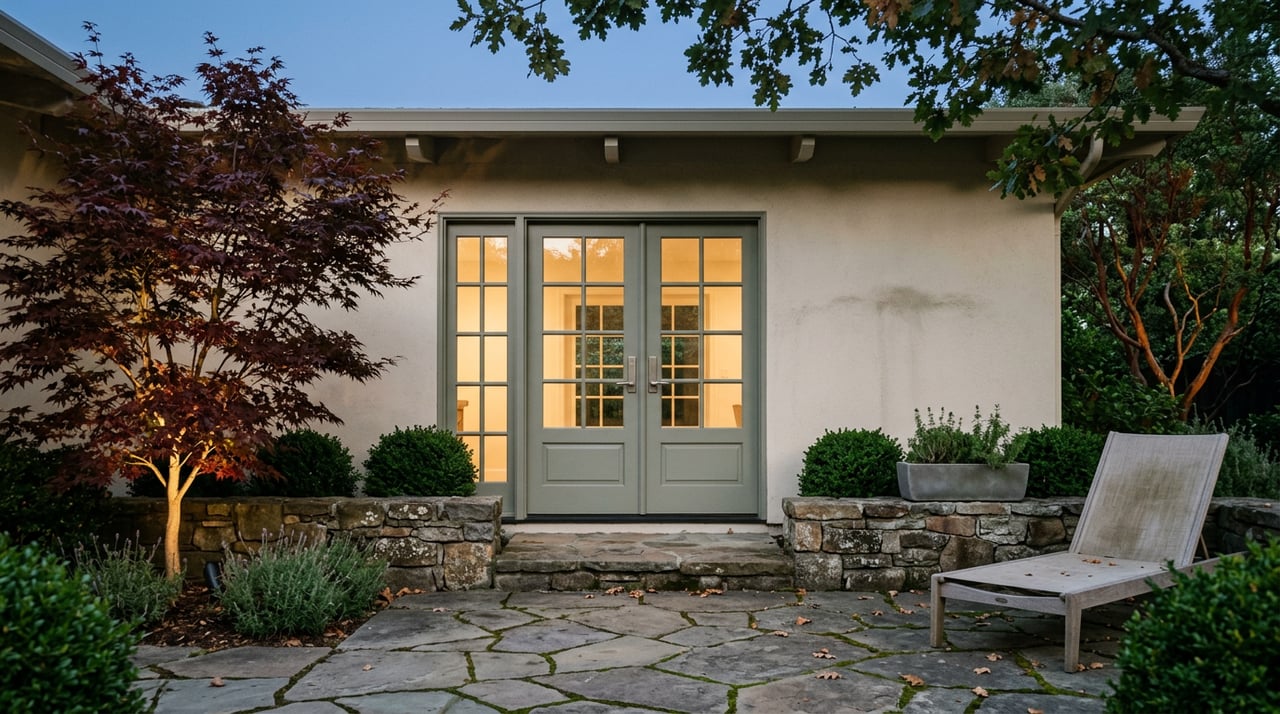
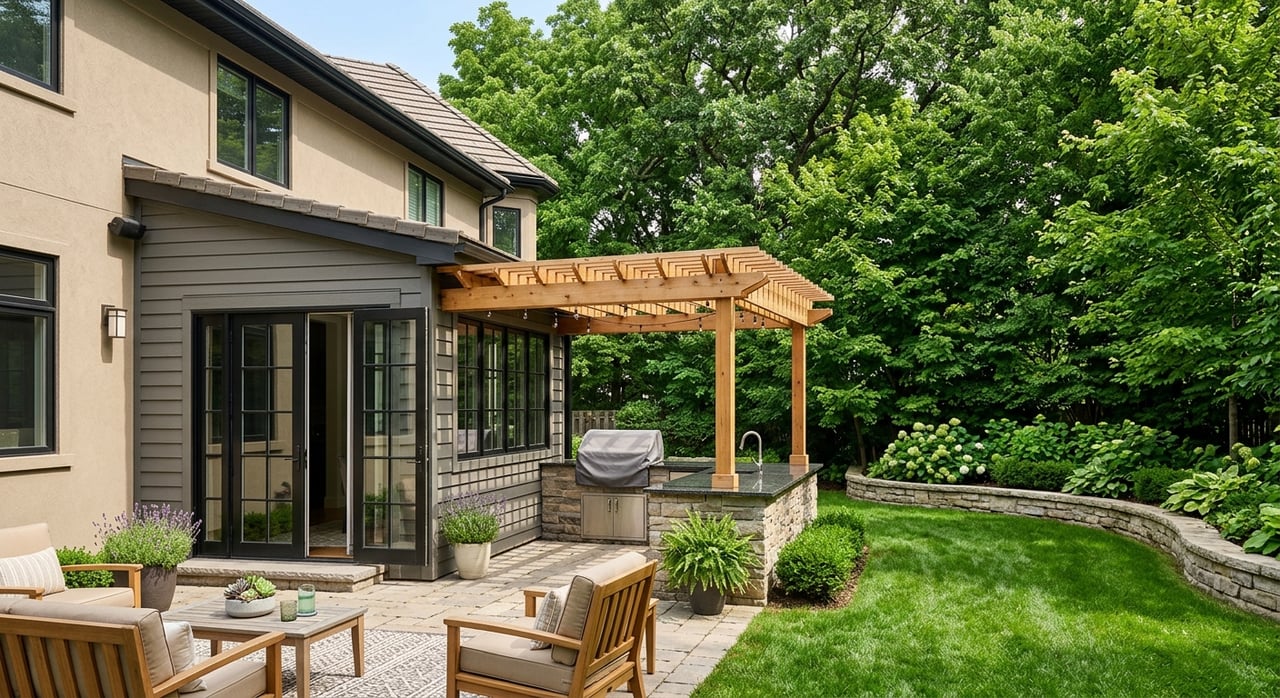
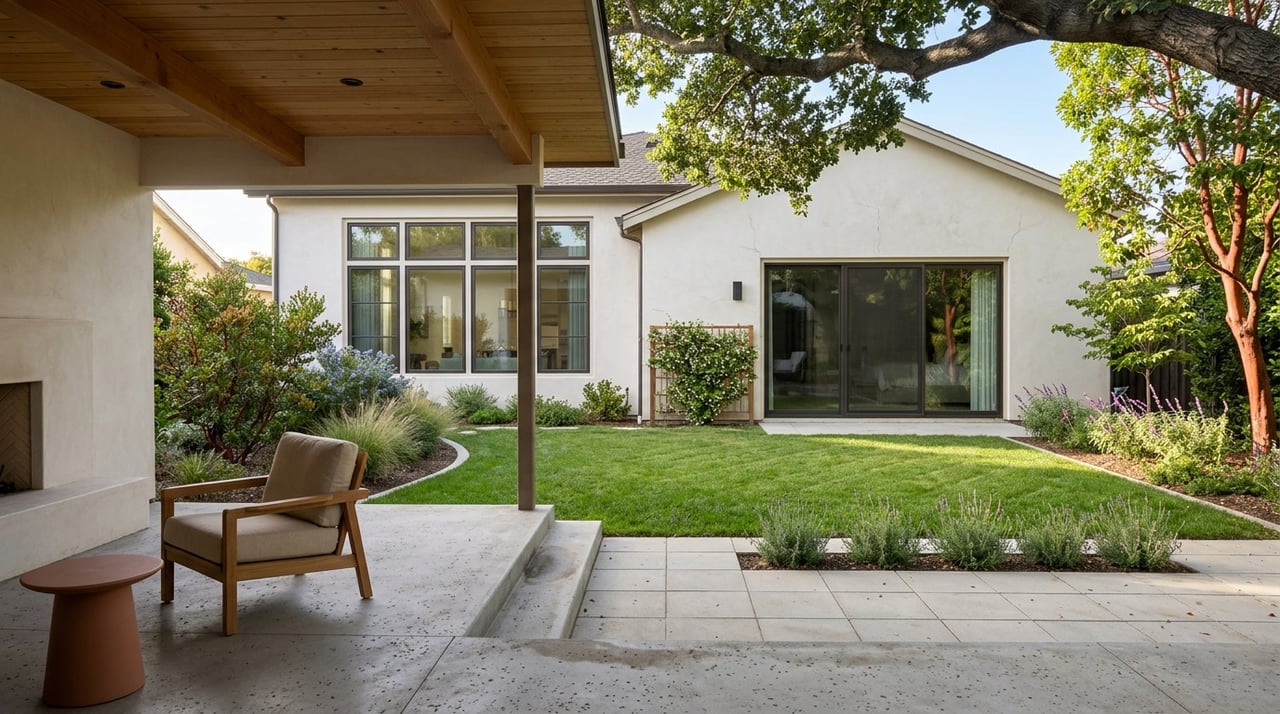
That matters if your move-up plan is about livability, not just prestige. In this neighborhood, usable lots and practical floor plans often carry as much value as interior square footage. If you want a home where the yard, outdoor space, and everyday flow all matter, Lafayette Valley Estates lines up well with that goal.
What move-up buyers can expect
Current examples show a relatively approachable price point for Lafayette. Zillow currently shows two active Lafayette Valley Estates homes priced at $1.249 million and $1.295 million, both 3-bedroom, 2-bath homes with 1,154 square feet. Other recent examples in the neighborhood include 3-bedroom and 4-bedroom homes on lots ranging from about 0.24 acres to roughly 13,125 square feet and about 0.45 acres.
The broader value range is also important. Zillow’s home value index for Lafayette Valley Estates is $1,617,995, down 0.3% year over year, while recent sold examples in the subdivision range from the low $1.1 million range to about $2.75 million depending on size, condition, and lot. That spread suggests you may find both more turnkey options and homes with room for updates.
For the right buyer, that flexibility can be a real advantage. If you want to move up into Lafayette but still keep an eye on renovation potential, this neighborhood offers a middle ground between entry-level pressure and ultra-premium pricing.
Everyday livability matters here
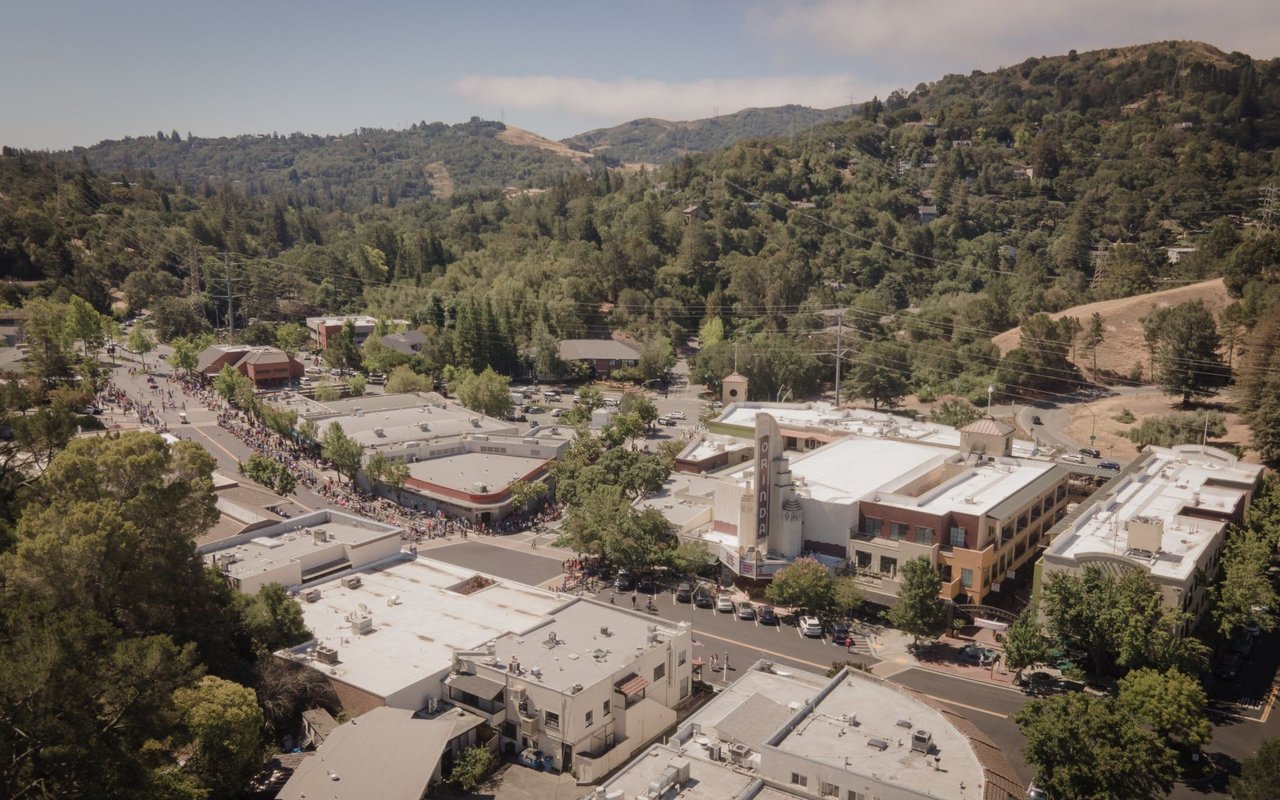
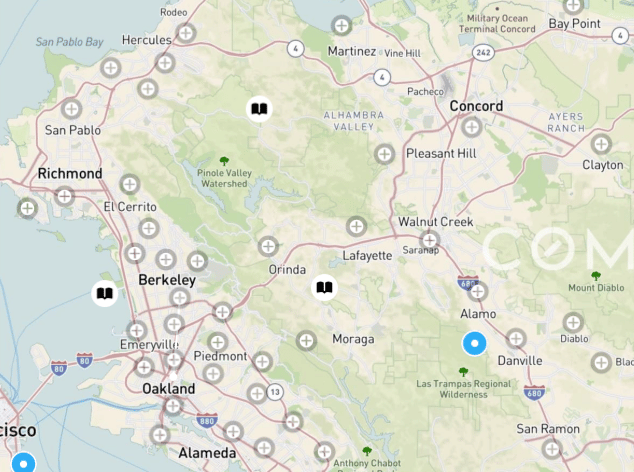
One of the biggest strengths of Lafayette Valley Estates is location within the broader Burton Valley amenity area. The City of Lafayette says the Lafayette Community Center is nestled in Burton Valley and can be accessed by the Lafayette-Moraga Trail. The city also notes that Lafayette Community Park sits about 1,500 feet south of the Community Center and includes nearly 3 miles of multi-use trails.
Lafayette Valley Estates also includes Mildred Lane Pocket Park, which the city identifies at the end of Mildred Lane off St. Mary’s Road near the Community Center. That kind of nearby recreation adds real value to daily life. It gives you more than just a home address. It gives you easy access to outdoor space and neighborhood amenities.
Recent listing descriptions reinforce that convenience. Homes in the neighborhood are described as being steps from walking and biking trails and minutes from the Community Center and nearby swim clubs. For many buyers, especially those balancing work, activities, and home life, that kind of practical access is a major part of the move-up equation.
Trails and outdoor access add value
If outdoor access is high on your list, this area has a lot going for it. The City of Lafayette says it manages seven trails plus the Community Park trail network, totaling about 16 miles of local trails, in addition to the Lafayette-Moraga Regional Trail and access around the reservoir and Briones.
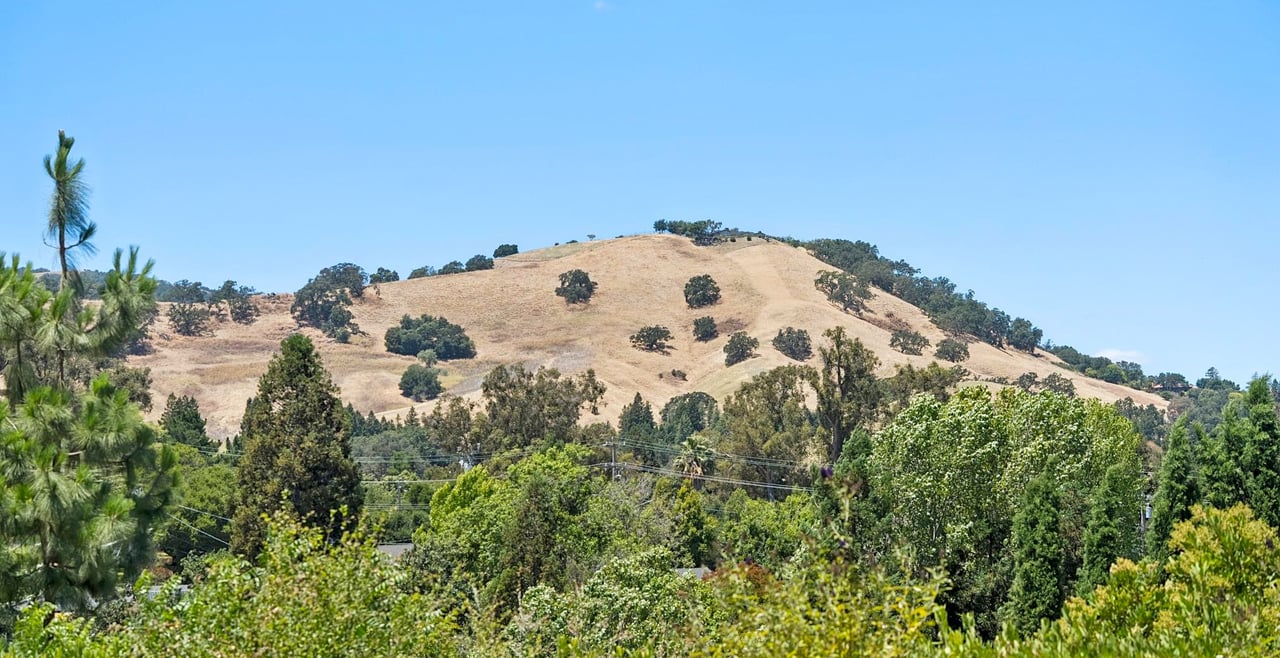
That does not mean every home feels the same, of course. But it does mean Lafayette Valley Estates benefits from being in a part of town where walking, biking, and neighborhood recreation are part of daily life. If you want a flatter residential setting with easier access to outdoor activity than some hillside areas offer, this neighborhood stands out.
Housing style and renovation potential
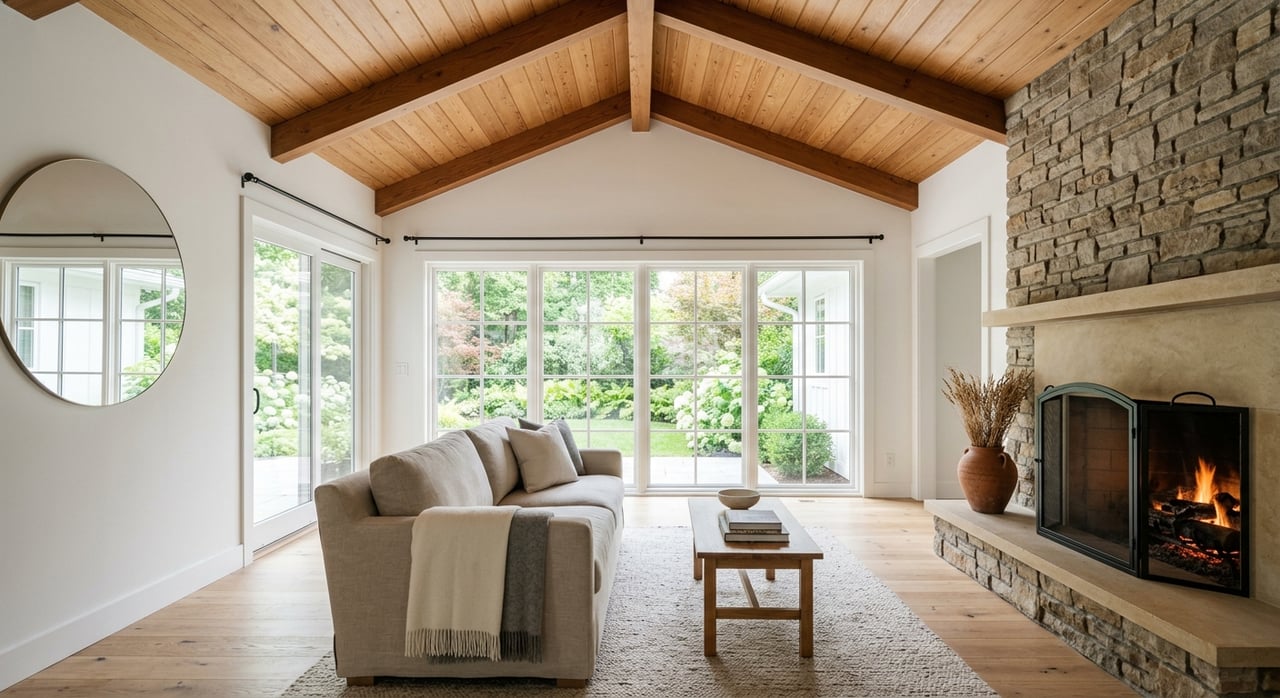
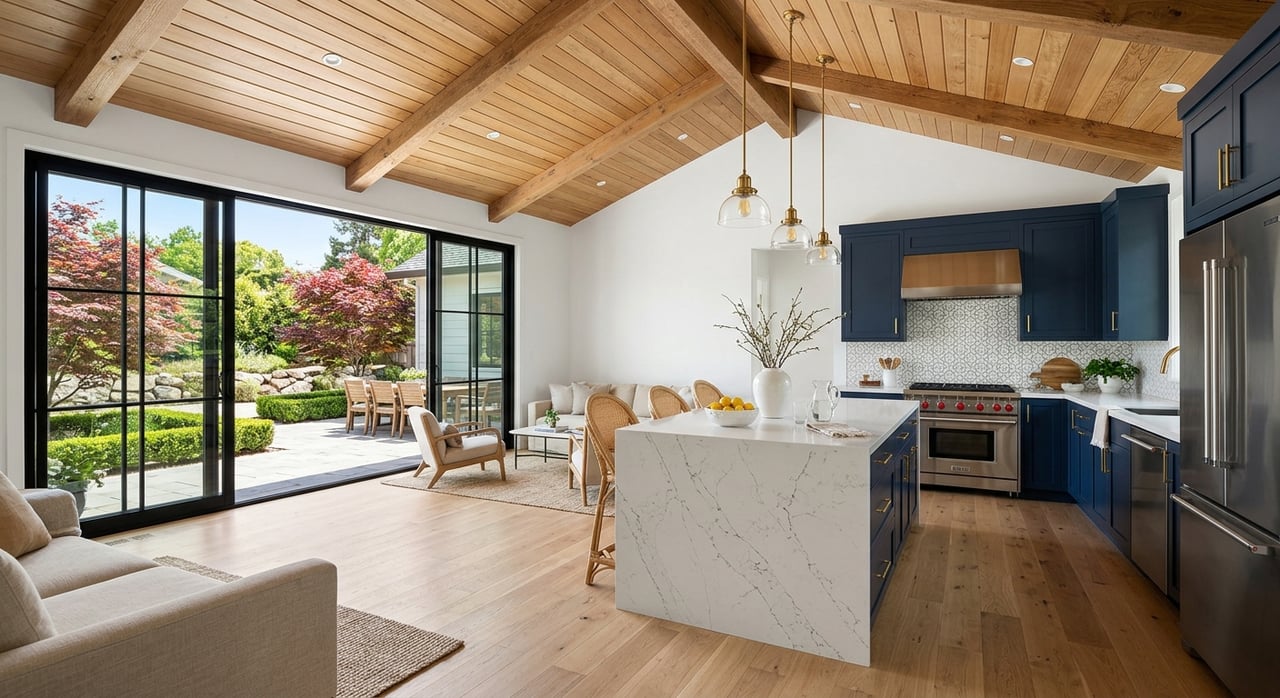
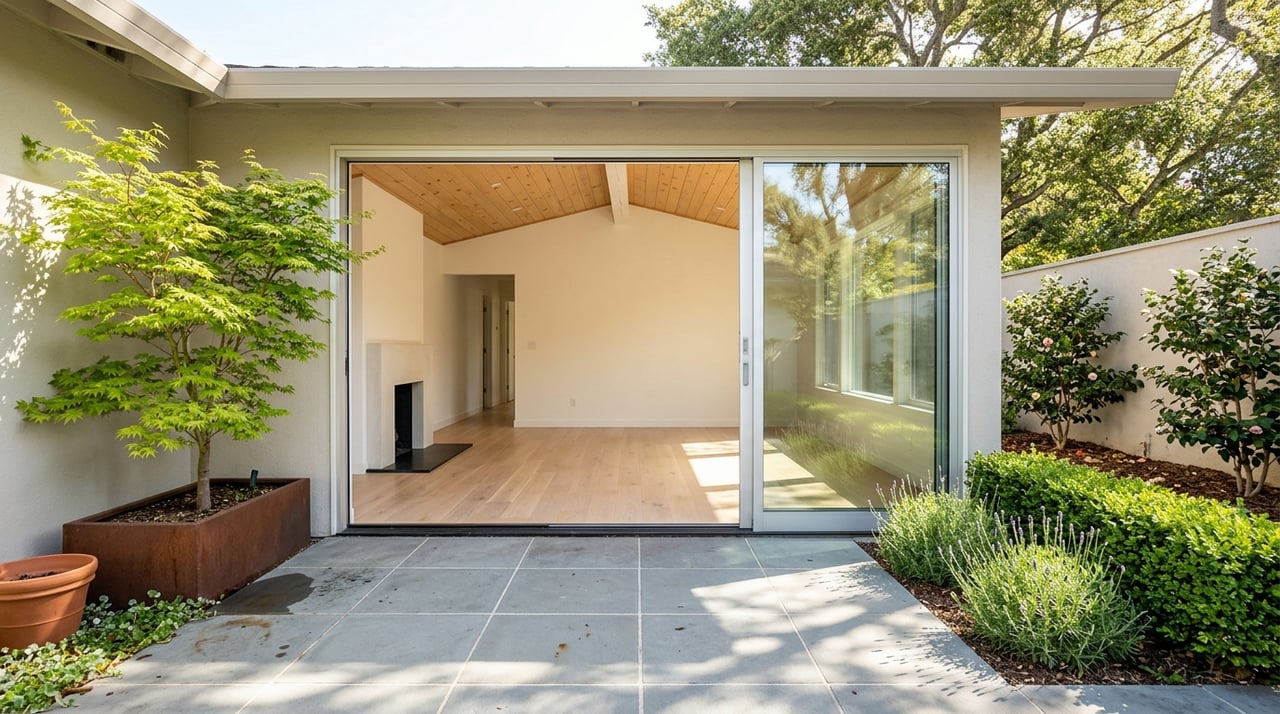
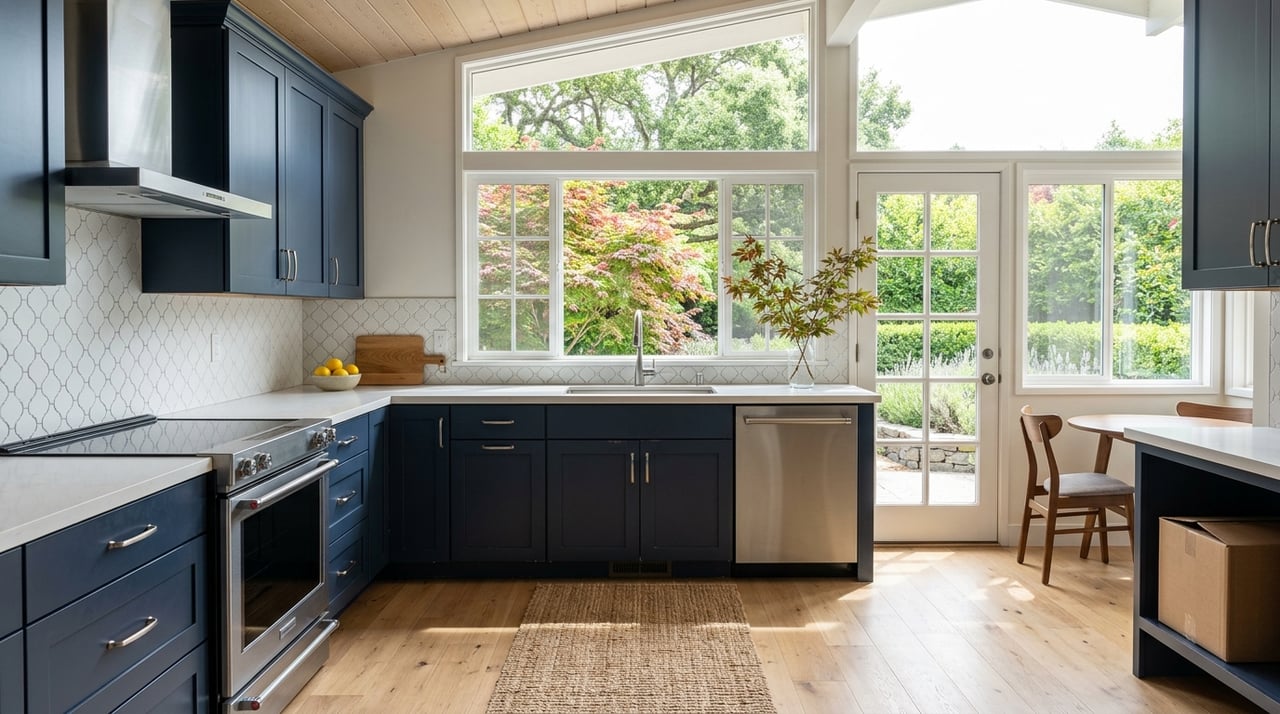
Lafayette Valley Estates can be especially appealing if you like classic Lafayette homes and see opportunity in thoughtful updates. Much of the housing stock dates to the 1950s, which often means ranch layouts, mature lots, and strong indoor-outdoor potential. In many cases, these homes appeal to buyers who value character but still want the option to improve systems, finishes, or layout over time.
That is where a practical eye matters. A move-up purchase is not always about finding a perfect home on day one. Sometimes it is about buying into a neighborhood where the lot, location, and bones support future value. For buyers who are comfortable considering updates, Lafayette Valley Estates may offer more upside than neighborhoods where pricing already assumes a fully finished product.
School access is important, but verify by address
For many buyers, school access is part of the reason Lafayette Valley Estates gets attention. The Lafayette School District includes Burton Valley, Happy Valley, Lafayette, and Springhill elementary schools, plus Stanley Middle School. The Acalanes Union High School District states that neighborhood high school assignment is address-specific and provides a schoolsite locator tool.
Recent listing pages in Lafayette Valley Estates have shown both Burton Valley Elementary and Happy Valley Elementary for different addresses, while Stanley Middle School and Acalanes High appear as the common continuation. The key takeaway is simple: if school assignment is important to your move, confirm it for the specific property address before you make decisions.
Who is Lafayette Valley Estates best for?
This neighborhood looks strongest for buyers who want more space and a calmer residential setting without stretching all the way into Lafayette’s larger hillside or estate-style properties. Based on the housing stock and amenity pattern, it may be a strong fit if you value:
- A single-family home in an established Lafayette neighborhood
- A usable yard or outdoor space
- Proximity to trails, parks, and community recreation
- A quieter street pattern
- A home with possible update potential
- A more attainable price point than some nearby Lafayette neighborhoods
That profile is especially relevant if you are moving from Oakland or from a smaller Lafayette home and want a step up in everyday function. You may not need a massive estate. You may simply need a home that works better for the way you live now.
How it compares with Burton Valley
Burton Valley is the closest comparison because it shares much of the same school and trail ecosystem. Homes.com describes Burton Valley as a suburban neighborhood with ranch-style homes and Cape Cods, with an average value around $1,963,529, average price per square foot of $879, median lot size of 12,196 square feet, and median sale price of $1,830,000 over the last 12 months.
In practical terms, Burton Valley may feel a bit more centered on the community core. It is closely tied to Burton Valley Elementary, the community center area, community park, and other recreation amenities. If your priority is being in the heart of that activity pattern, Burton Valley may have the edge.
Lafayette Valley Estates, though, can offer a similar lifestyle framework at a lower value level. Using current value data, Lafayette Valley Estates sits around $1.62 million compared with Burton Valley’s roughly $1.96 million average value. For move-up buyers, that difference can create room in the budget for updates, reserves, or a more comfortable monthly payment.
How it compares with Reliez Valley
Reliez Valley is a different kind of move-up option. Homes.com lists Reliez Valley’s average value at $2,359,425, average price per square foot at $738, median sale price at $2,000,000, and median lot size at 28,749 square feet. The area is known for larger lots, hillside homes, and a more pastoral setting near Briones Regional Park.
If you want acreage, more privacy, and a more rural feel, Reliez Valley may be the better match. But that usually comes with a higher price point and a different day-to-day lifestyle. Lafayette Valley Estates offers something more practical for many buyers: a flatter neighborhood feel, usable lots, and access to recreation without the jump to a much larger property type.
So, is it the right move up?
Lafayette Valley Estates may be the right move up for you if your priorities are clear. If you want a classic single-family home, more yard utility, a quieter setting, and access to trails and community amenities, this neighborhood checks many of the right boxes. It also appears to offer a more attainable entry into Lafayette than Burton Valley or Reliez Valley based on current value signals.
This is not the neighborhood to choose because you want brand-new construction or a large estate property. It is the neighborhood to consider if you value everyday function, established character, and the chance to buy into a well-located part of Lafayette with room to make the home your own.
If you are weighing Lafayette Valley Estates against other move-up options in Lamorinda, local context matters. Small differences in lot utility, school assignment, condition, and update potential can have a big impact on long-term value and quality of life. That is where informed guidance can help you make a smarter move.
If you want help comparing Lafayette Valley Estates with other Lafayette options or evaluating a home’s renovation upside before you buy, schedule a free Home Strategy Session with the Paddy Kehoe Team.
FAQs
Is Lafayette Valley Estates in Lafayette, CA a good move-up neighborhood?
- Lafayette Valley Estates can be a strong move-up option if you want a single-family home, more usable outdoor space, and access to trails and community amenities at a lower price point than some nearby Lafayette neighborhoods.
How much do homes in Lafayette Valley Estates cost?
- Current examples in the research show active listings at $1.249 million and $1.295 million, while Zillow’s neighborhood home value index is $1,617,995 and recent sales in the subdivision range from the low $1.1 million range to about $2.75 million depending on the property.
How does Lafayette Valley Estates compare with Burton Valley?
- Lafayette Valley Estates appears to offer a more attainable price point, while Burton Valley is more closely centered around the community core and has higher reported neighborhood values based on the research.
How does Lafayette Valley Estates compare with Reliez Valley?
- Lafayette Valley Estates is generally lower priced and more focused on practical neighborhood living, while Reliez Valley is more acreage-oriented, more private, and more expensive based on the research data.
Are homes in Lafayette Valley Estates newer or more established?
- The neighborhood is mostly made up of established single-family homes, many built in the early to mid-1950s, with ranch-style and mid-century modern character.
What parks and trails are near Lafayette Valley Estates?
- The research cites access to the Lafayette-Moraga Trail, Lafayette Community Center, Lafayette Community Park with nearly 3 miles of multi-use trails, and Mildred Lane Pocket Park within Lafayette Valley Estates.
What schools serve Lafayette Valley Estates in Lafayette?
- The research indicates elementary assignment should be confirmed by address, with recent listings showing both Burton Valley Elementary and Happy Valley Elementary on different addresses, and Stanley Middle School and Acalanes High as common continuation schools.