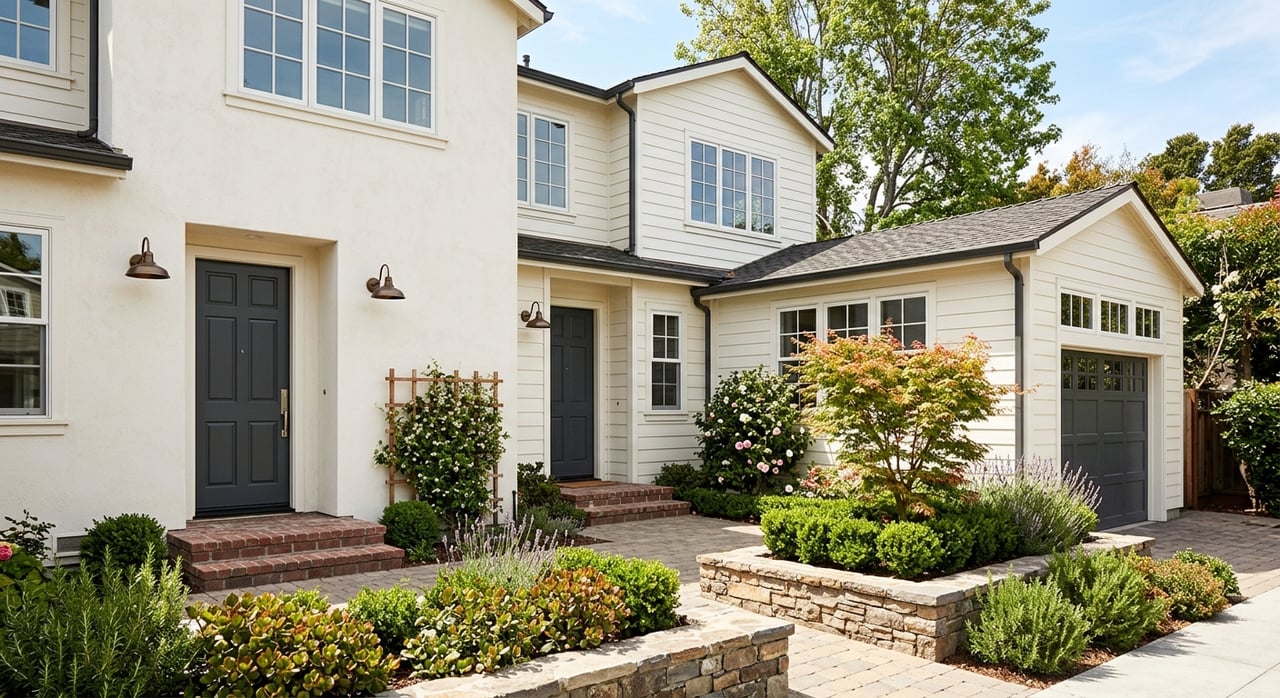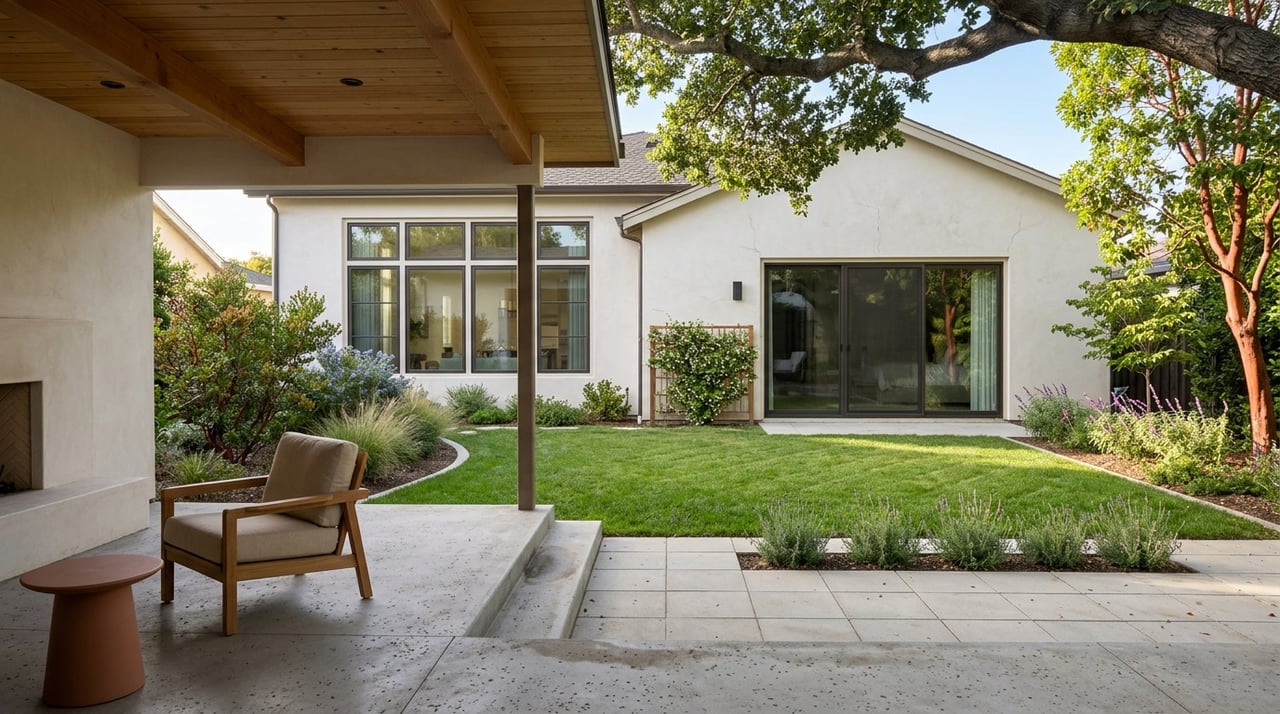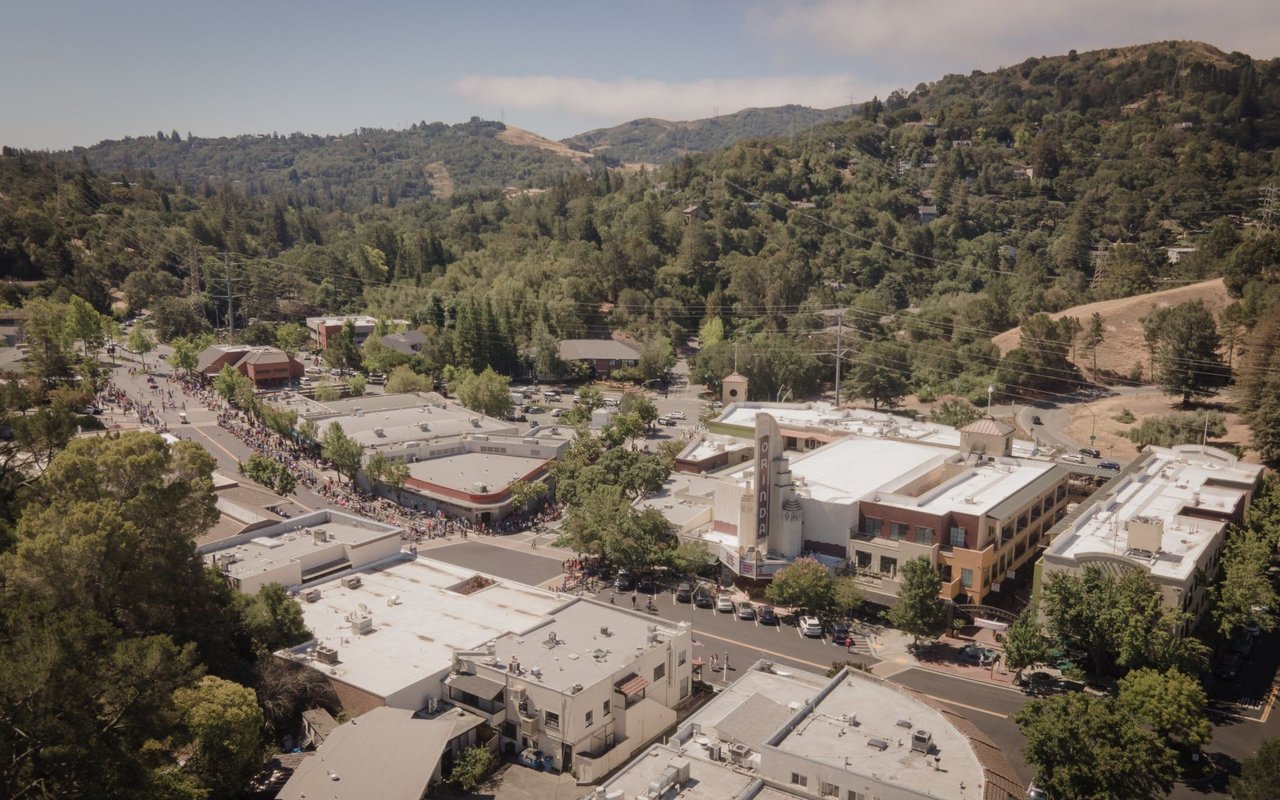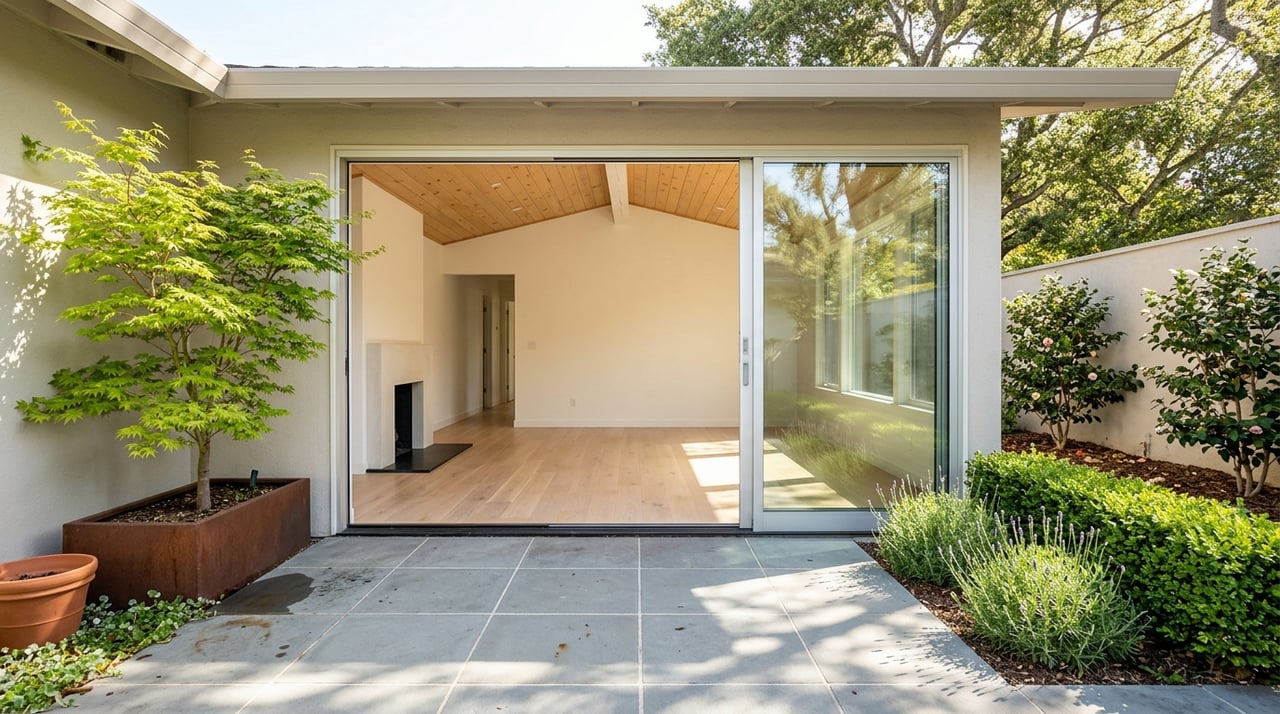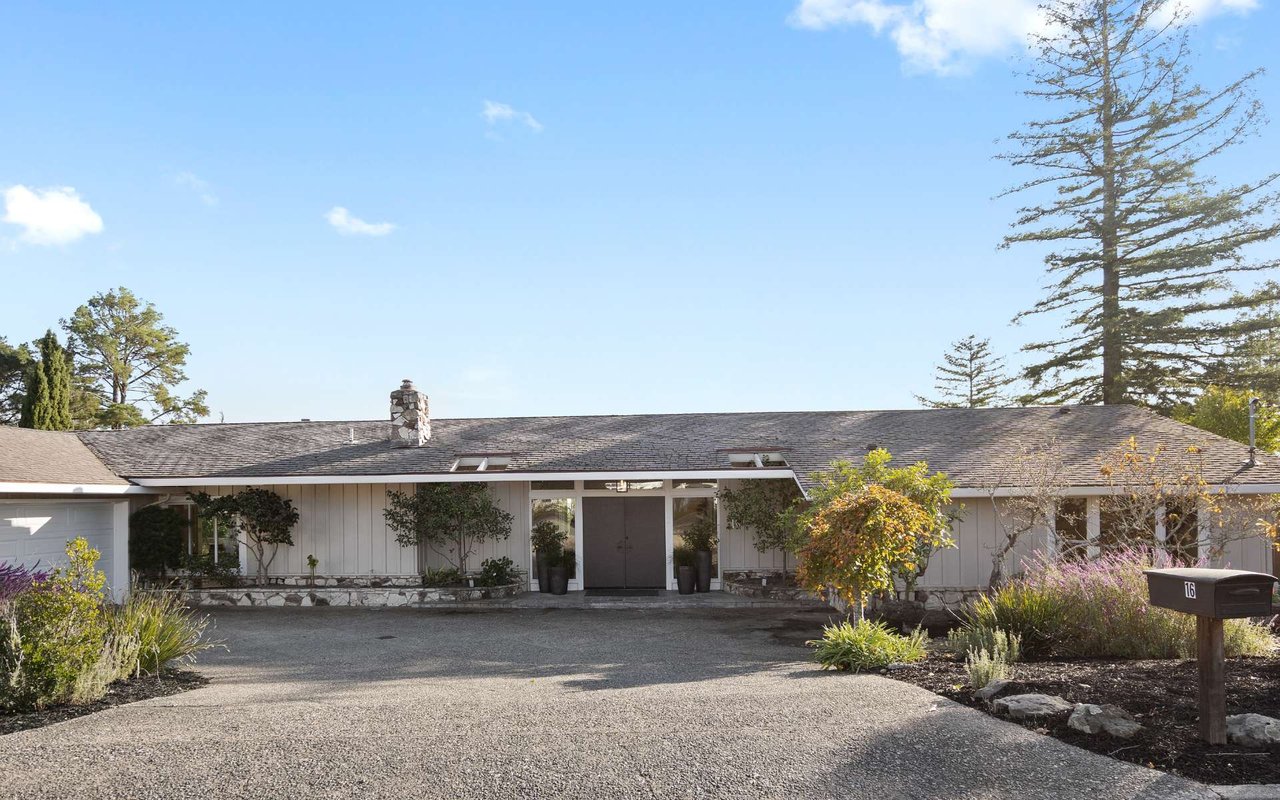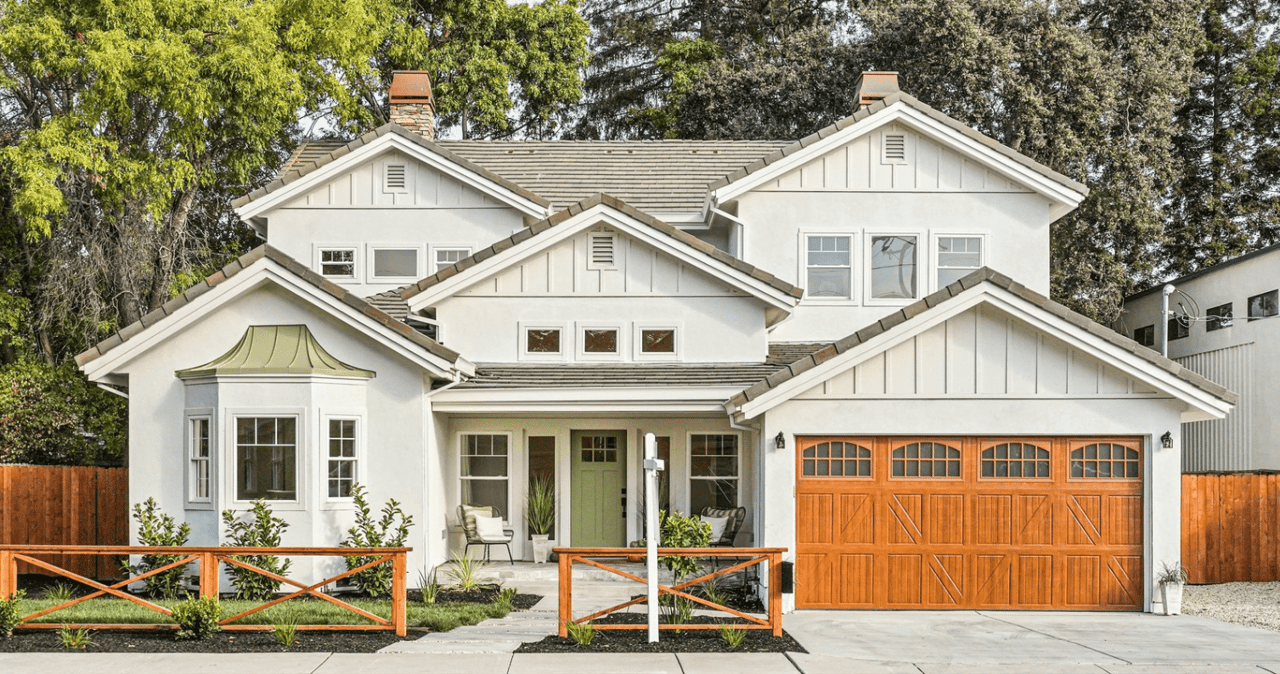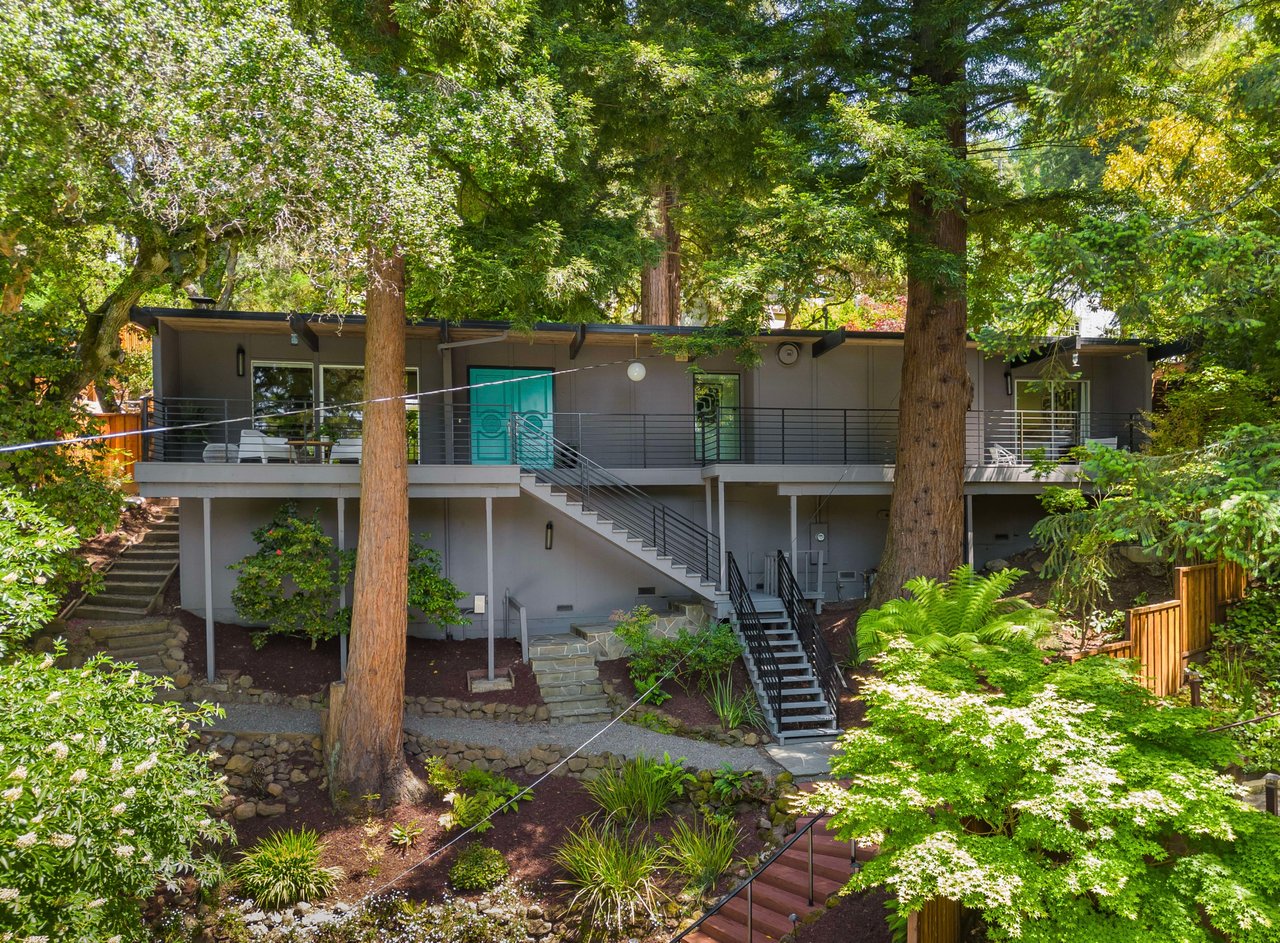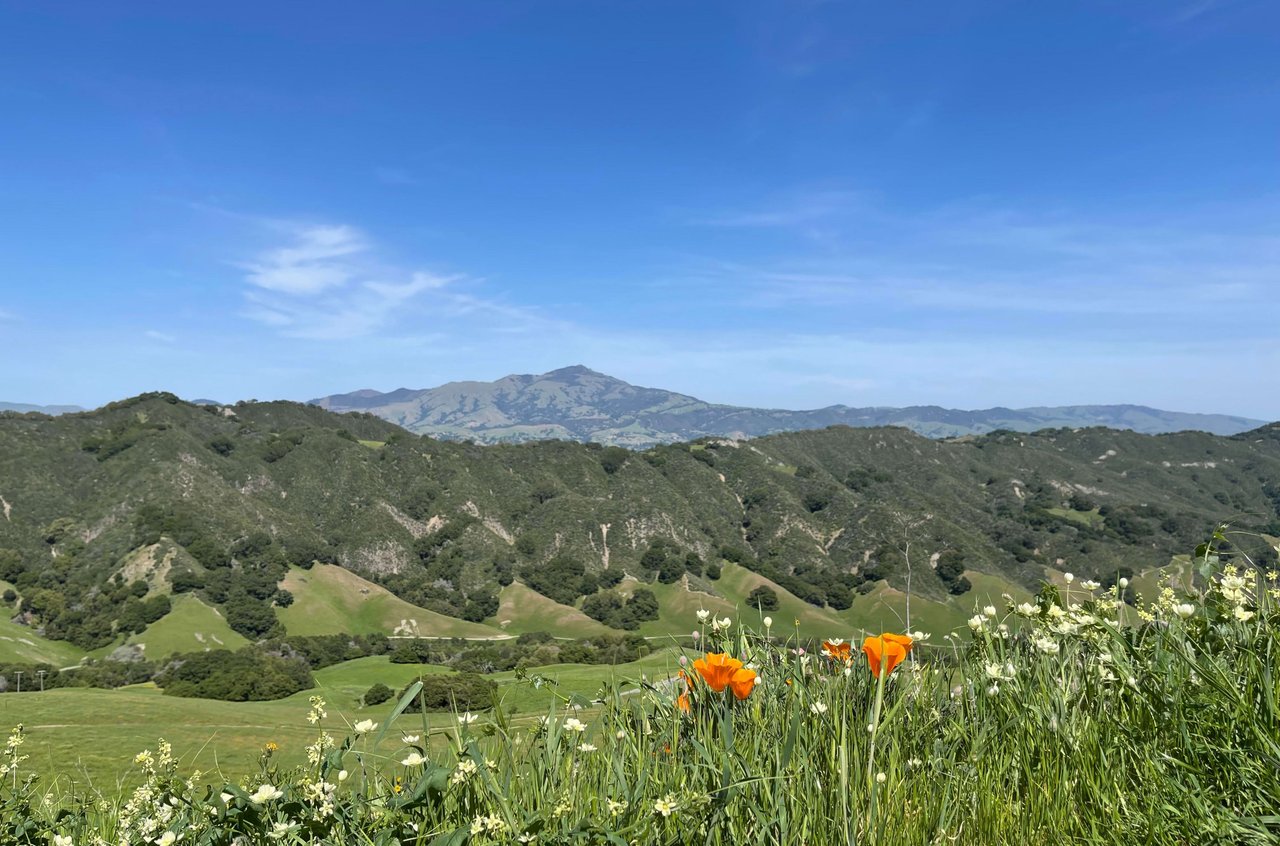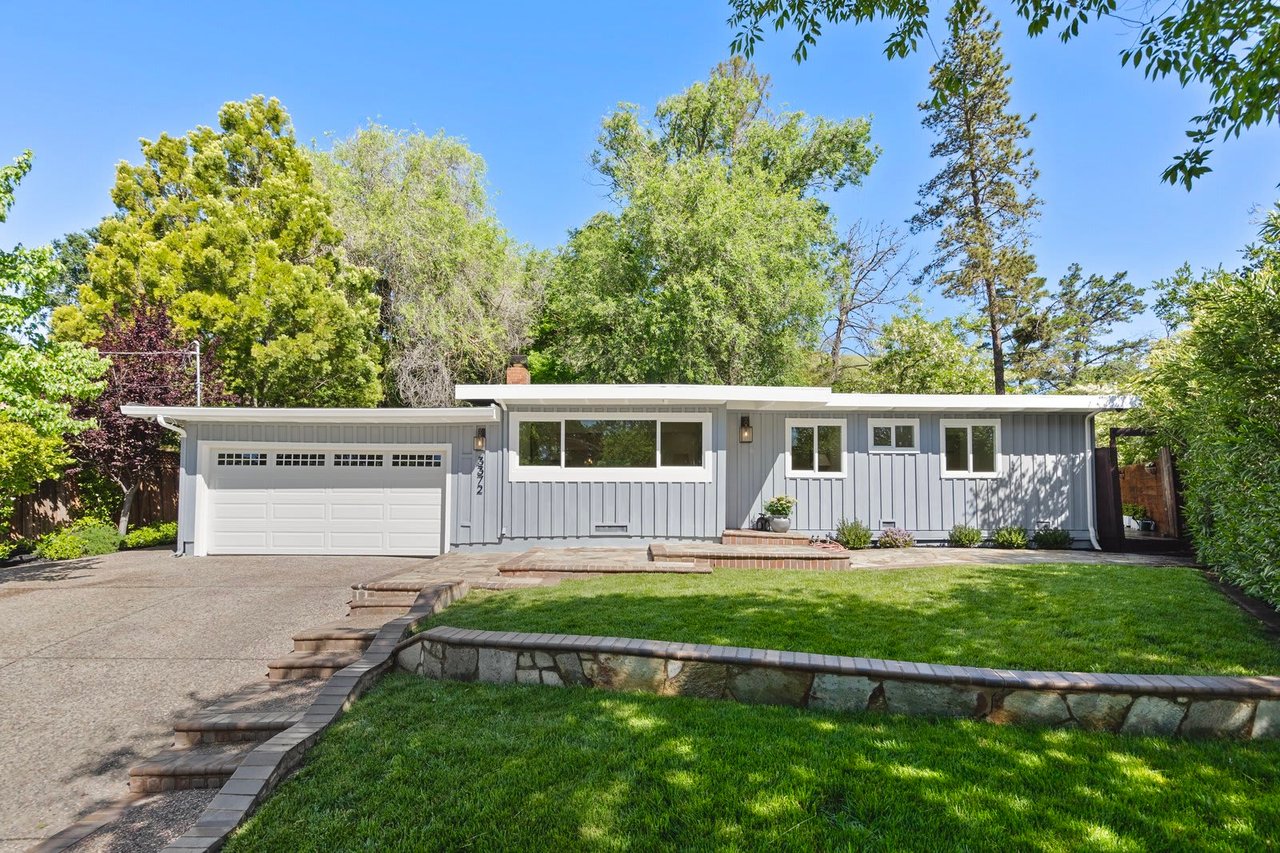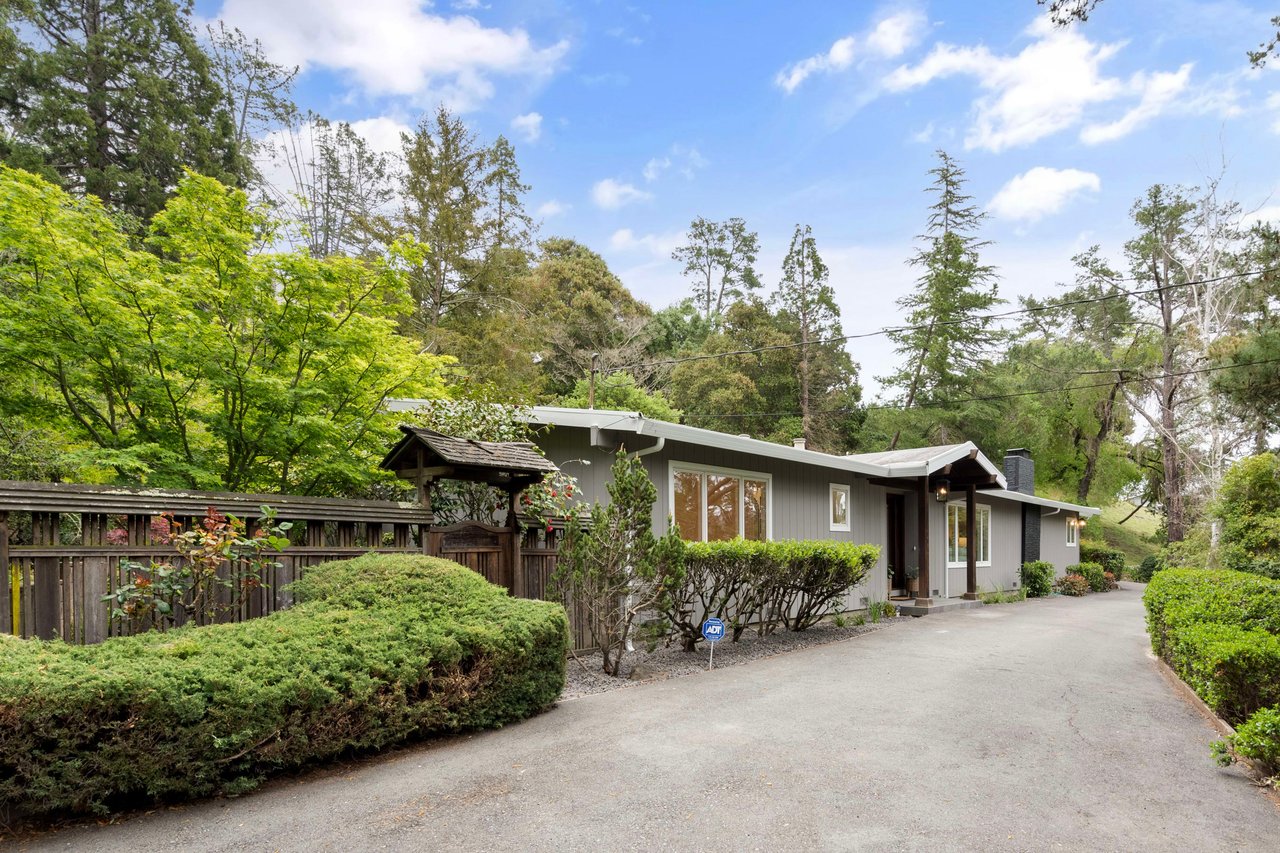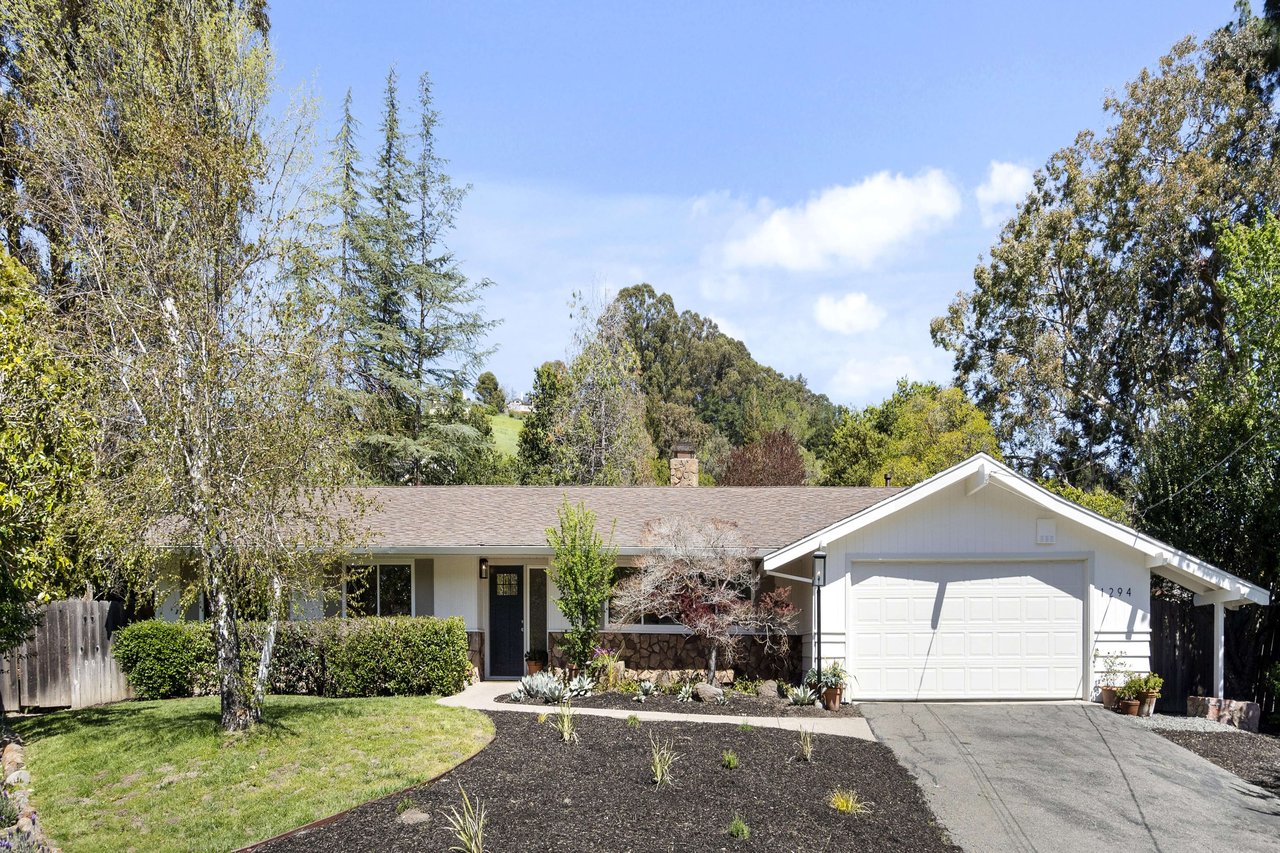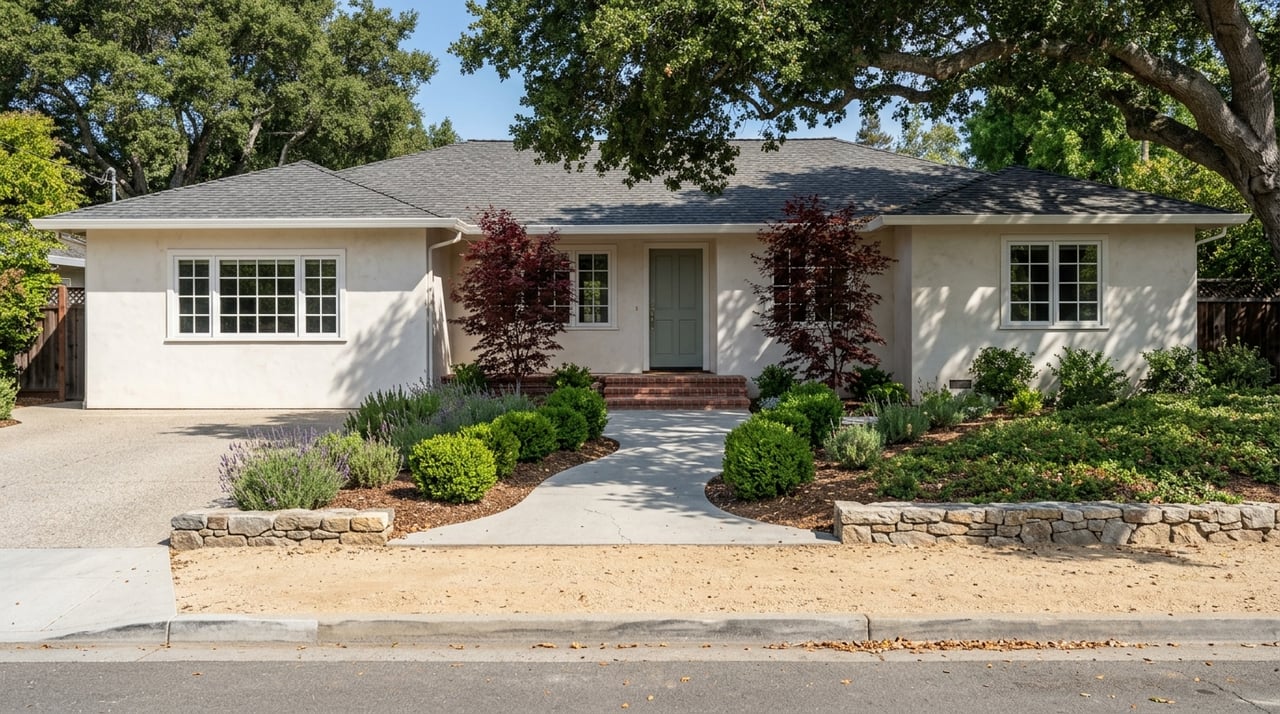
Wondering if Reliez Valley is the right fit for your next home? This part of Lafayette offers something many buyers want but cannot always find: larger lots, a more open setting, and quick access to open space. At the same time, buying here takes a little more homework than buying in a typical subdivision. If you are considering a move to Reliez Valley, here is what to pay attention to before you write an offer. Let’s dive in.
Why Reliez Valley feels different
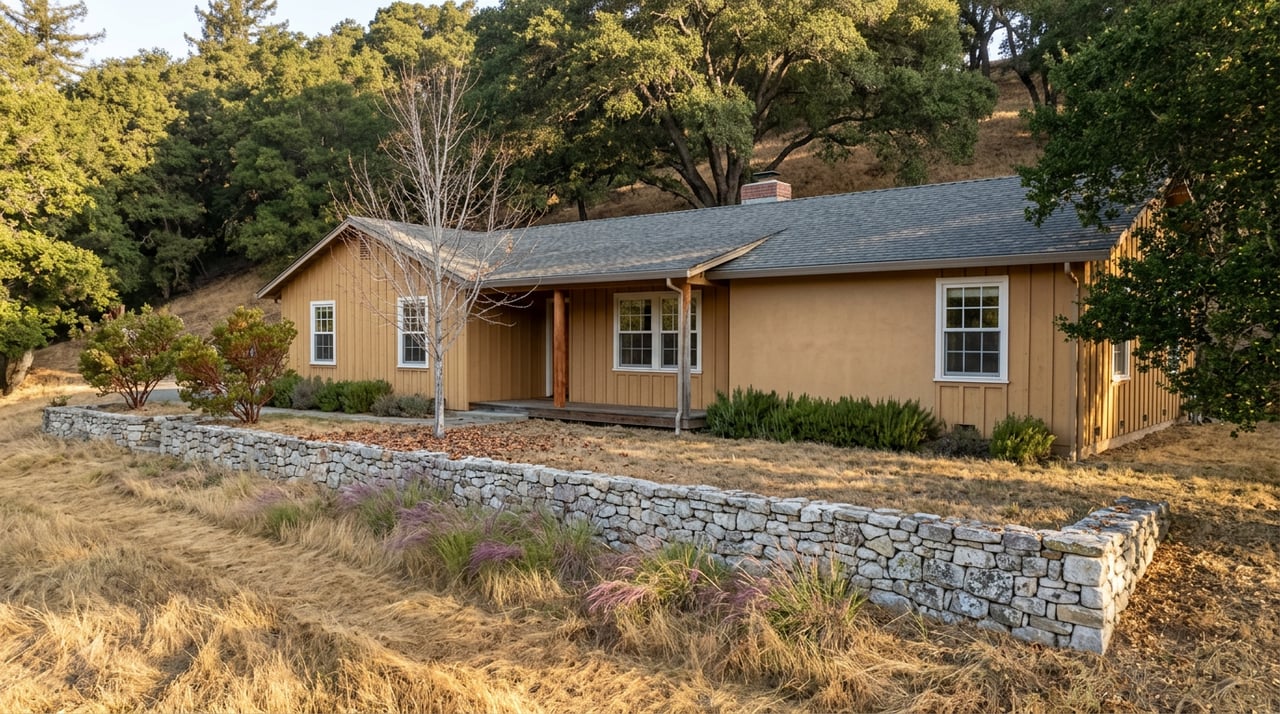
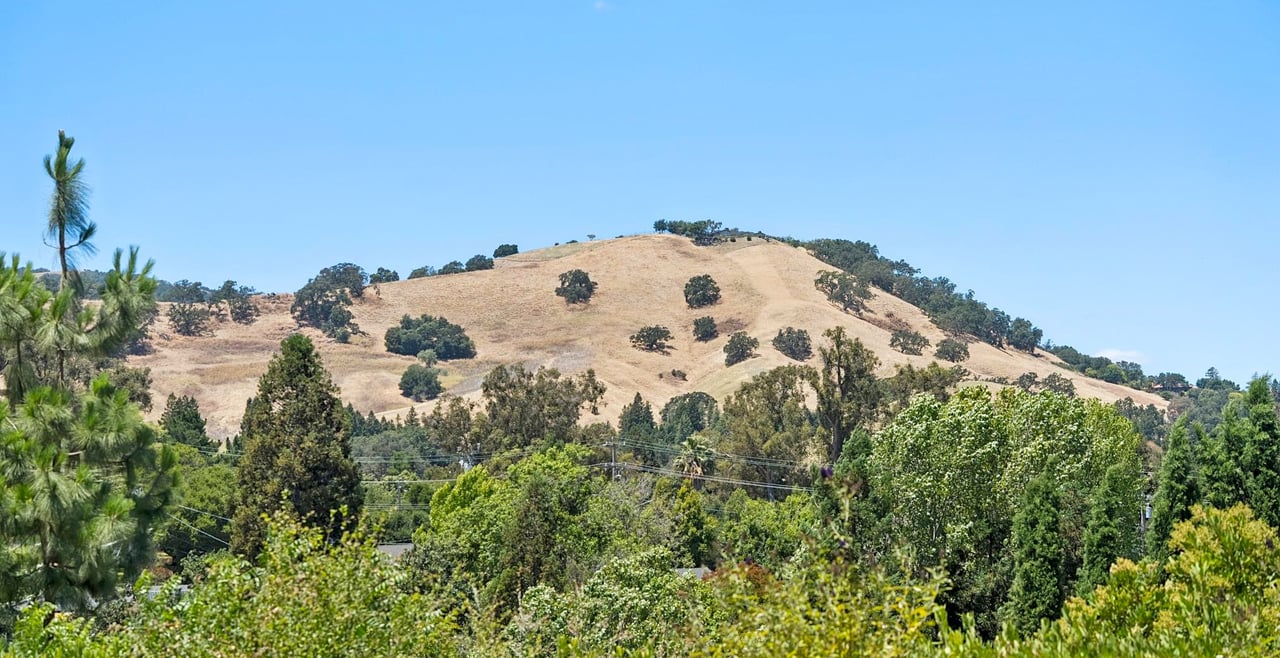
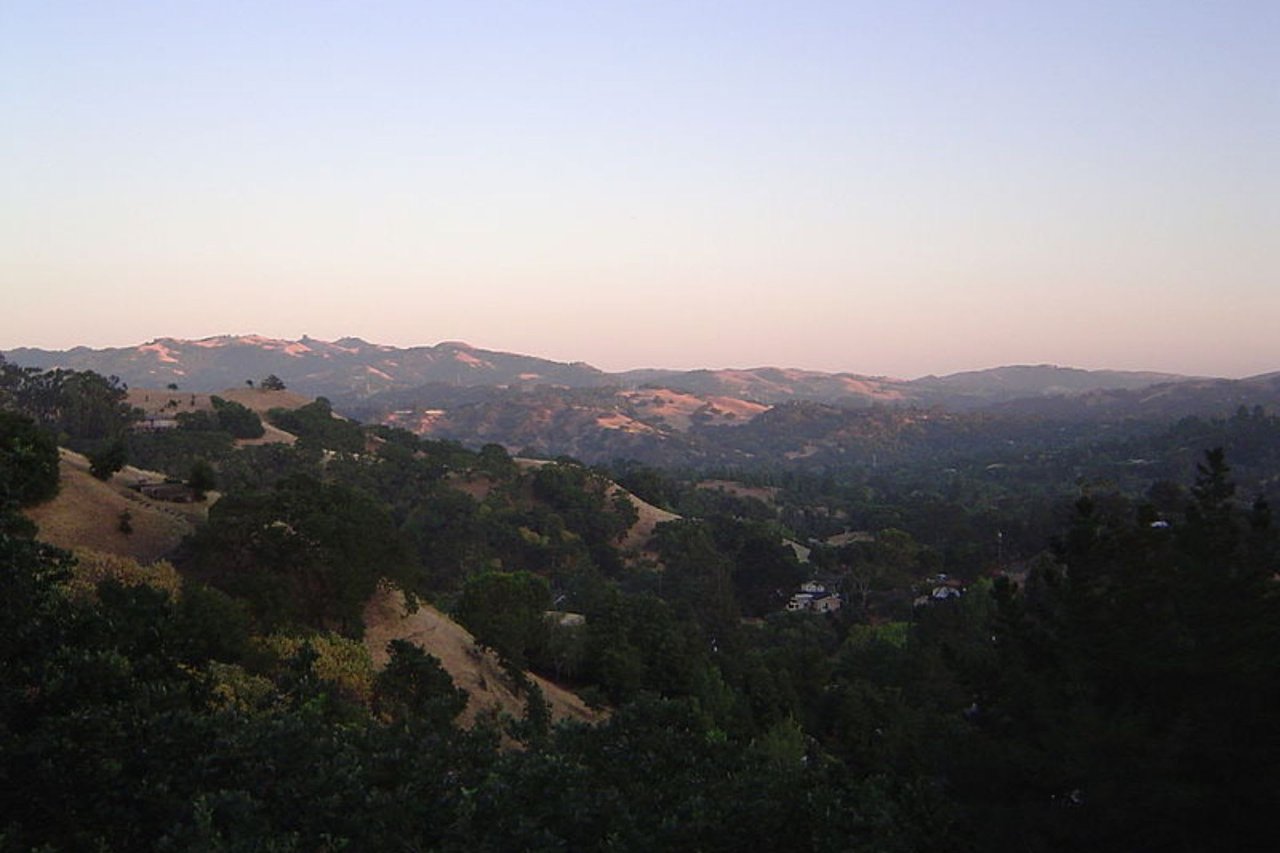
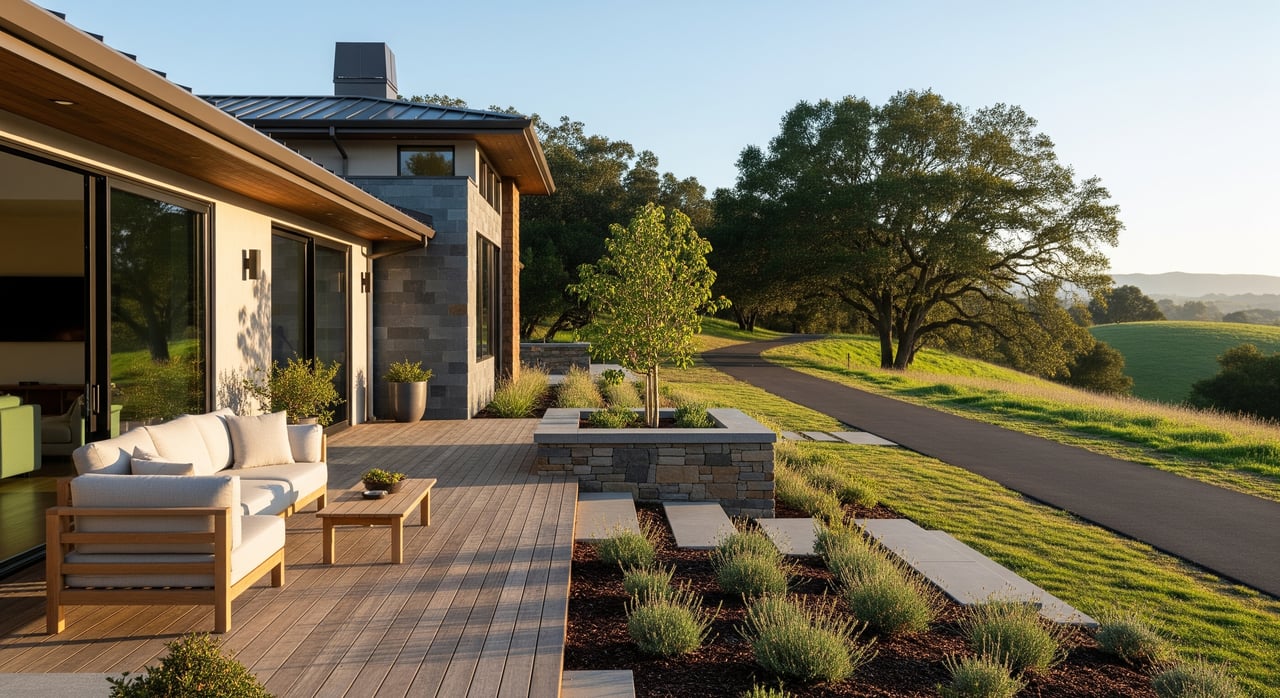
Reliez Valley stands out because it has a semi-rural hillside character that is different from more conventional neighborhood layouts. City planning materials place it among Lafayette’s hillside and rural-residential areas, and zoning in this area includes R-40 districts that require a minimum lot area of 40,000 square feet.
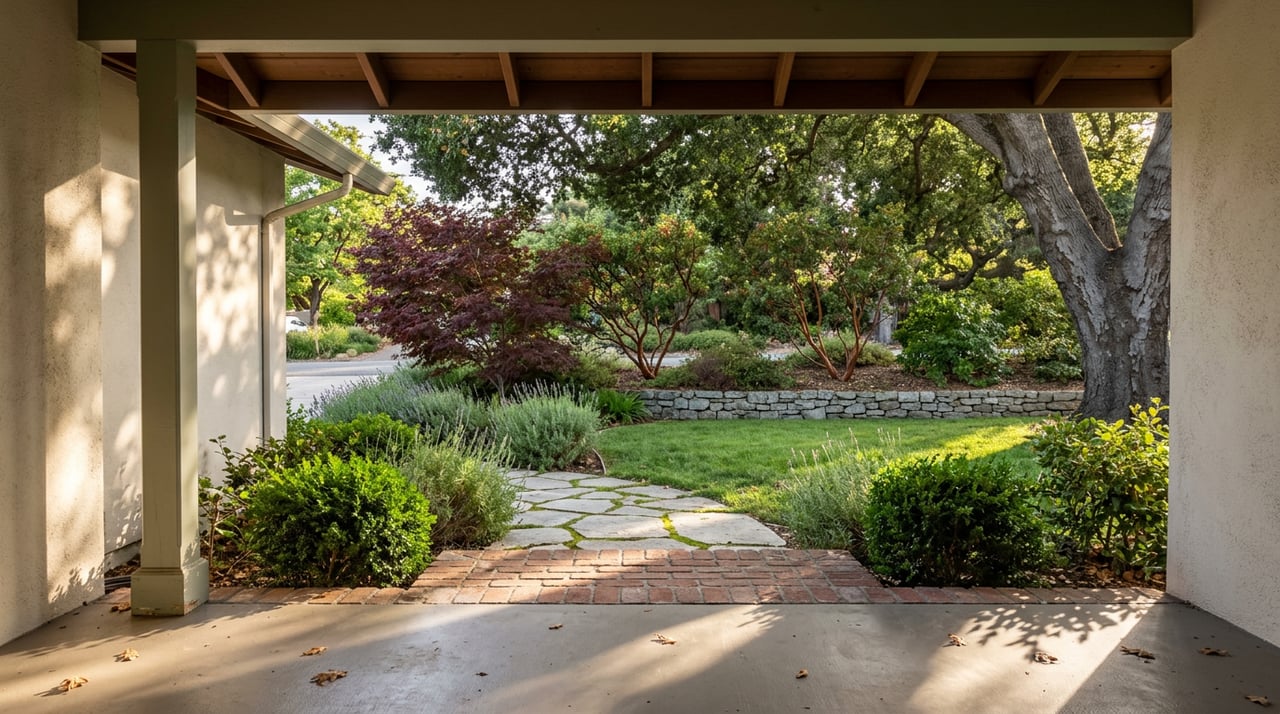
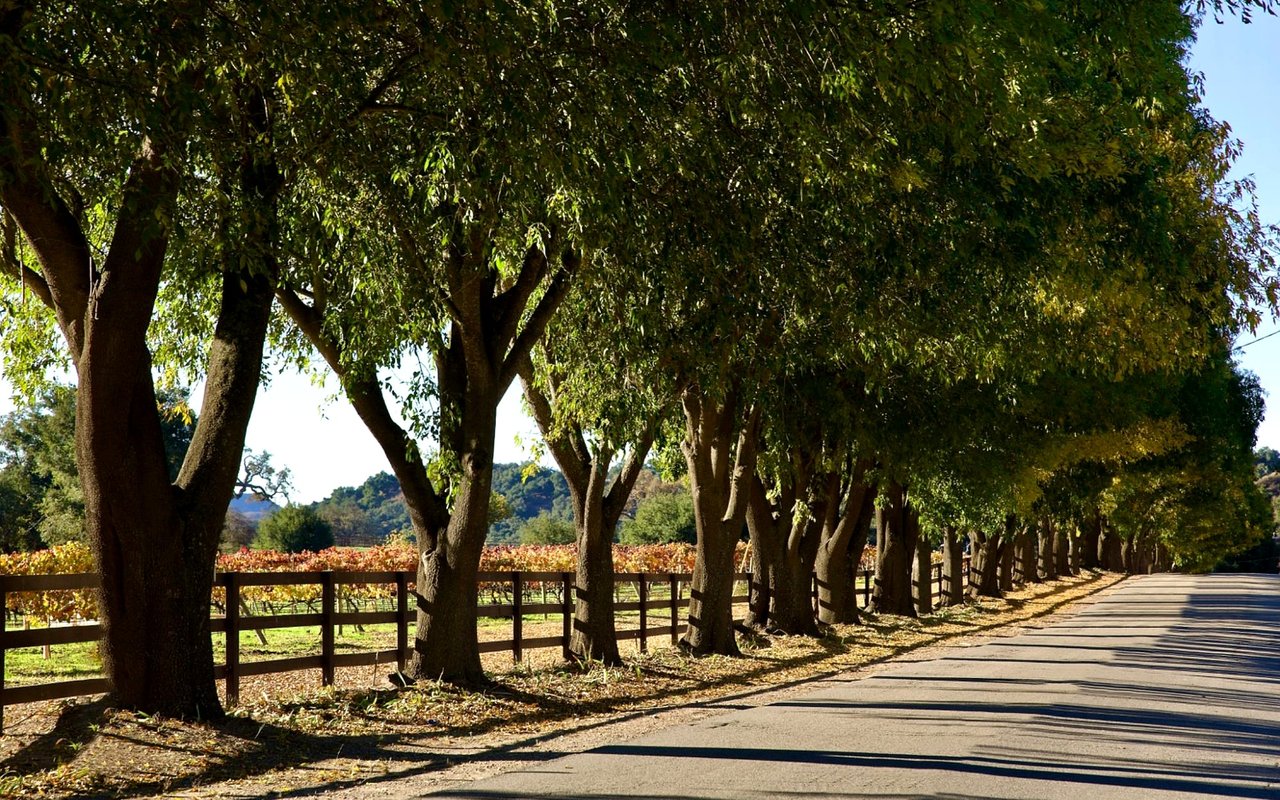
That matters because your experience here is often shaped as much by the land as by the house itself. You may find more privacy, more breathing room, and a stronger connection to the surrounding hills. You may also find that each property has its own quirks when it comes to access, grading, drainage, and future building options.
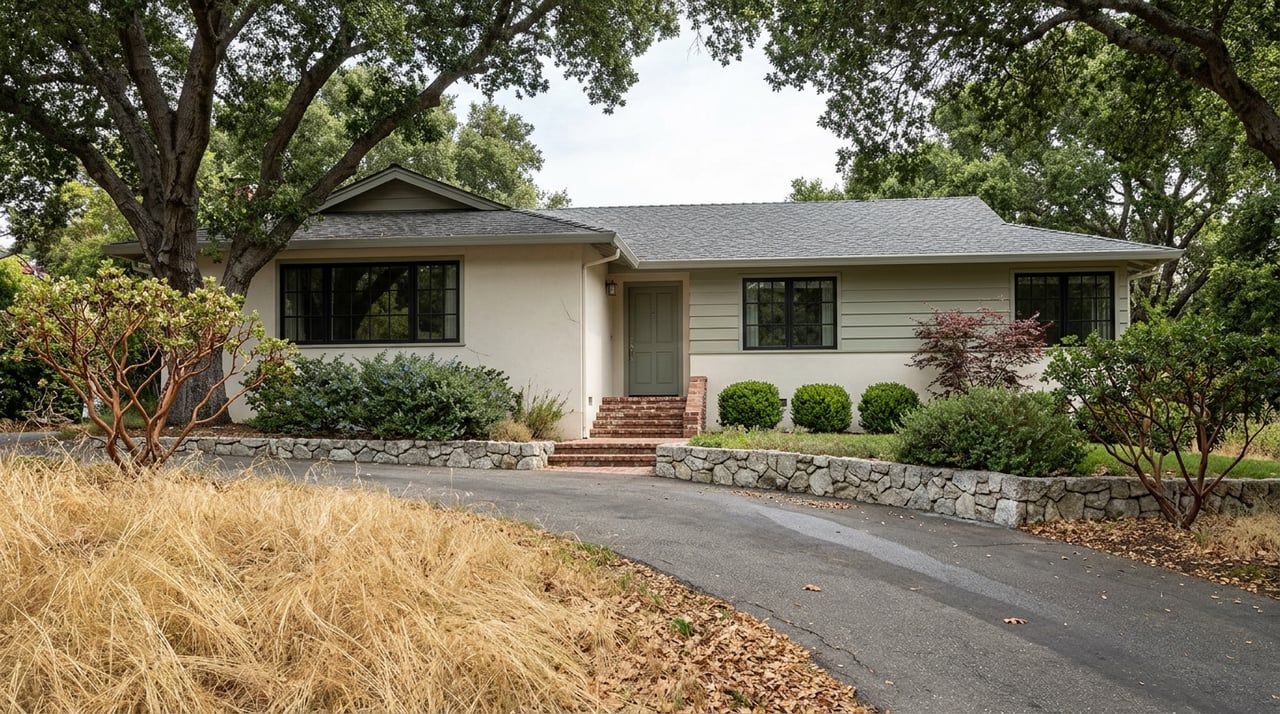
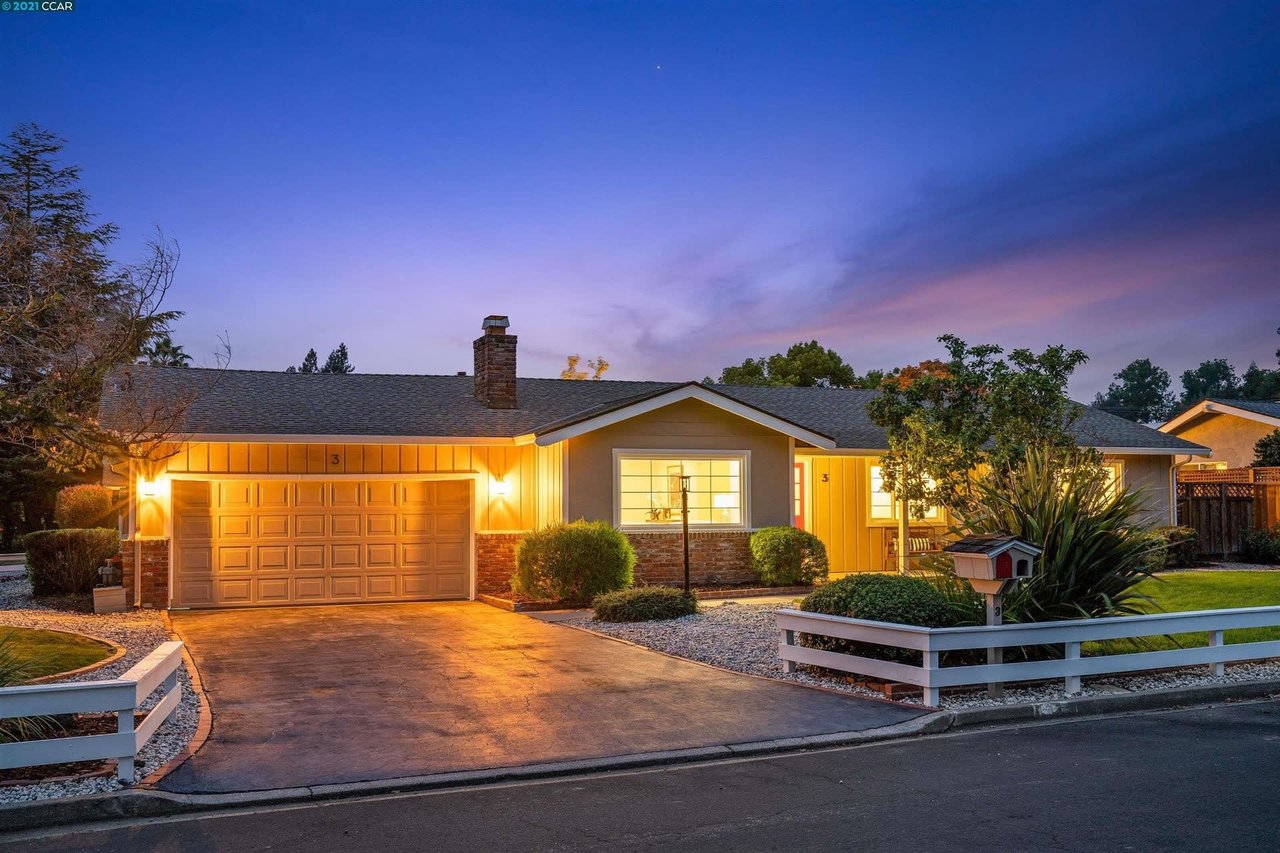
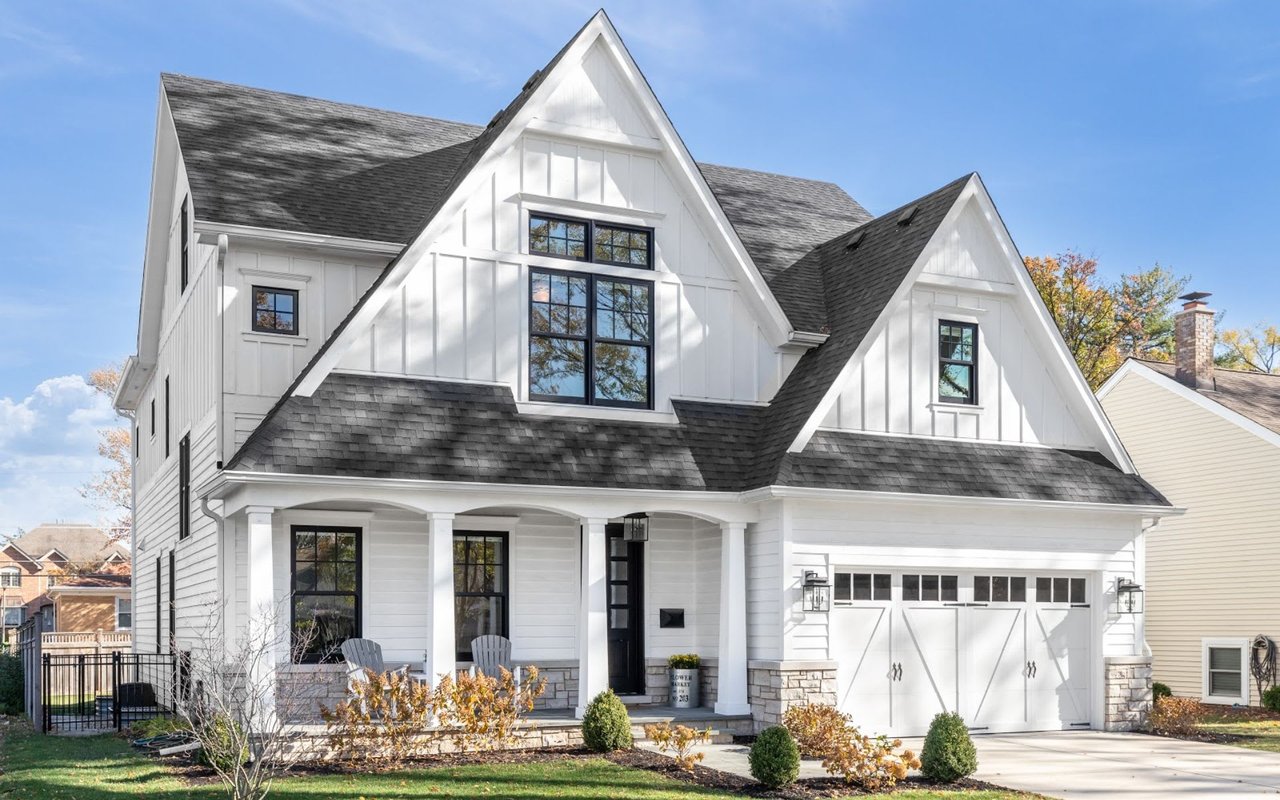
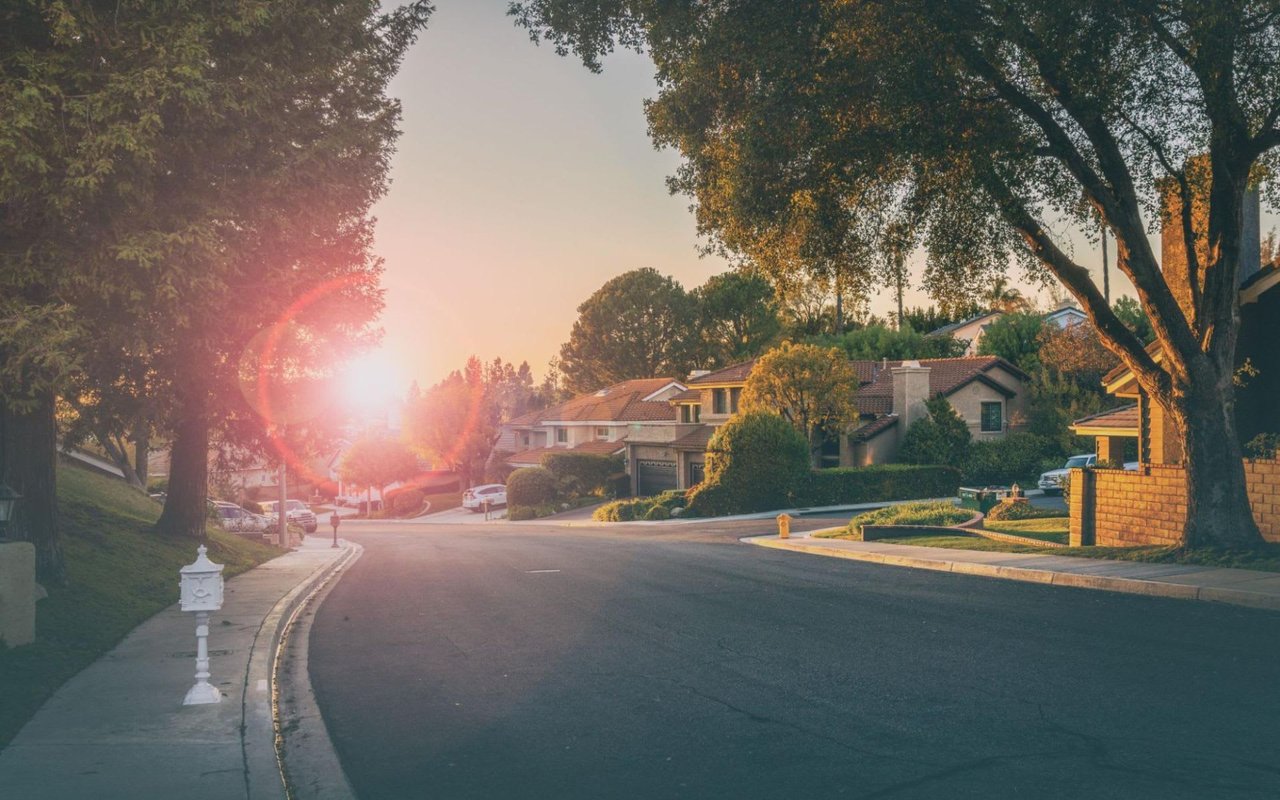
Reliez Valley also fits Lafayette’s broader housing pattern. The city says 82% of Lafayette housing units are single-family homes, and 72% are owner-occupied. In Reliez Valley, that single-family pattern often comes with a more spacious site layout and a less suburban feel.
Focus on the lot, not just the house
In Reliez Valley, the lot can be just as important as the floor plan. Two homes with similar square footage can offer very different day-to-day value depending on usable flat land, driveway access, slope, drainage, and setback limitations.
If you are comparing properties, look beyond the headline lot size. A large parcel does not always mean you can fully use or improve every part of it. In hillside areas, the buildable and usable portions of the site may matter more than the total acreage shown on paper.
Check hillside permit triggers
Lafayette requires a Hillside Development Permit for certain work in the Hillside Overlay District. According to the city, permit triggers can include new construction, grading, vegetation removal, density changes, subdivision, and lot line adjustments.
If you are buying with plans to remodel, expand, or rework the site, this is a big deal. A property that looks like it has easy upside may come with a more involved approval path than you expect. This is where careful pre-purchase review can save you time, money, and frustration.
Understand creek setbacks and drainage
Creek adjacency is another major factor in this area. Lafayette says some creek corridors are within the FEMA 100-year flood zone, structures are not allowed within creek setback areas, and creek-side work may require review by the city and other agencies.
For buyers, this means gross lot size is only part of the story. You also want to understand drainage patterns, setback envelopes, and whether creek-related constraints affect future plans. A lot that appears generous may have a smaller practical building area than you first assume.
Be careful with irregular parcels
Some lots in Lafayette are not simple rectangles. The city notes that flag lots and other irregularly configured parcels may require staff review to determine where setbacks apply, with access and house orientation taken into account.
That does not make these parcels bad options. It just means you should avoid making assumptions. If future additions, an ADU concept, or major exterior changes are part of your decision, parcel shape deserves a close look early in the process.
Think through access and daily logistics
Reliez Valley has real appeal, but convenience works a little differently here than in more central, walkable parts of Lafayette. Buyers who love the area usually accept that tradeoff because they prioritize privacy, lot size, and open-space access.
The key road is Reliez Valley Road. Lafayette’s emergency operations plan describes the area as a zone reached through a single road, with Reliez Valley Road as the only ingress and egress route. The city also describes it as a two-lane undivided roadway with few shoulders and notes that it can be vulnerable to closure.
That single-road access profile should be part of your buying decision. It affects daily driving, road awareness, and emergency planning in a way that may not come up in a more typical suburban neighborhood.
Ask who maintains the road
This is an important question in Reliez Valley. A city update in 2025 also noted EBMUD roadwork in the neighborhood on private roads, which is a good reminder that not every road condition issue works the same way from one property to another.
Before you buy, it is smart to confirm whether the street serving the home is public or private. You will also want to understand any maintenance responsibility tied to the property, especially if access includes a private lane or shared road segment.
Map out your commute
Regional travel generally runs through Pleasant Hill Road and Highway 24. Lafayette has also focused transportation work on the Pleasant Hill Road and Highway 24 interchange, including a planned protected pathway in that corridor.
If you use transit, Lafayette BART is located at 3601 Deer Hill Road. For many buyers, that means Reliez Valley can still work well for East Bay commuting, but it is usually not a location you choose for walkability first.
Open space is a major benefit
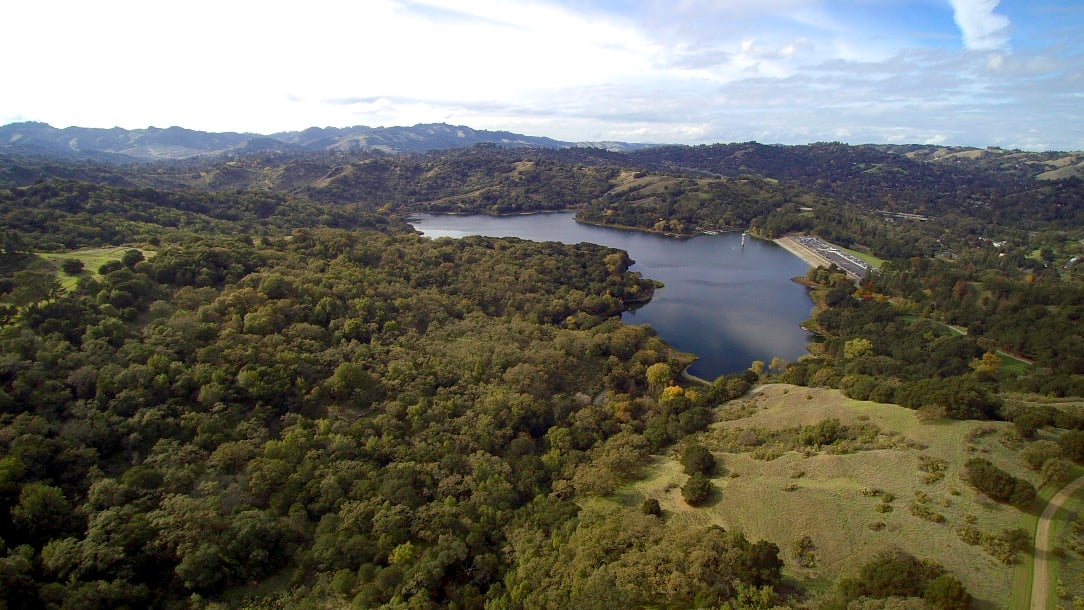
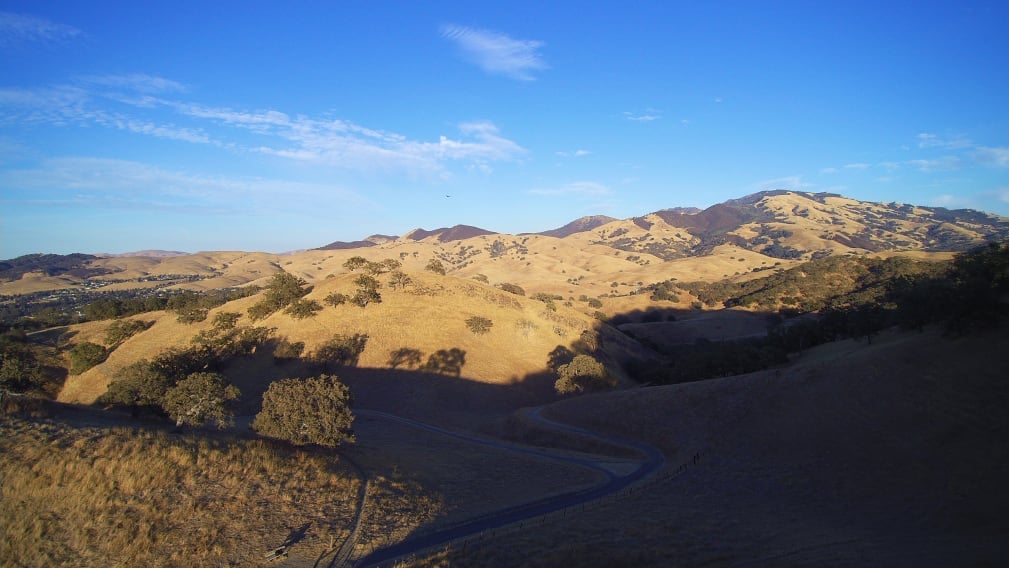
One of Reliez Valley’s biggest lifestyle draws is its close connection to Briones Regional Park. The East Bay Regional Park District lists the Reliez Valley Staging Area at 1956 Reliez Valley Road, and Briones spans 6,255 acres.
That kind of access can be a huge plus if you enjoy hiking, biking, horseback riding, or simply living near protected open space. It is part of what gives Reliez Valley its edge-of-town feel while still keeping you connected to Lafayette.
But this benefit also comes with practical implications. Homes near open space often require more buyer attention around vegetation, defensible space, and long-term site maintenance.
Wildfire planning is part of the process
In Reliez Valley, wildfire due diligence should be built into your home search from the beginning. Lafayette’s current Fire Hazard Severity Zone map took effect on July 10, 2025, and the city says the map affects WUI building codes and defensible-space rules.
This is not just a background issue. It can affect how you maintain the property, what work may be required, and what documentation is part of a sale.
Know the seller documentation rules
The city says that sellers in high or very high fire hazard zones must provide defensible-space compliance documentation, or the buyer must agree to obtain it. For very high zones, Lafayette requires 100 feet of defensible space.
If you are comparing homes, ask early whether the property is in one of these zones and what the current compliance status is. This is especially important when the site is large, heavily landscaped, or close to open space.
Compare value the right way
A Reliez Valley home should not be judged by the same checklist you might use in a more walkable Lafayette location. Here, value often comes from acreage, privacy, usable flat land, park access, and future flexibility.
Recent market pages for the Reliez Valley Area showed a median sale price of $1.8 million for the three months ending March 2026. Because the area is small, that figure is best treated as directional. In a neighborhood with relatively few sales, one or two transactions can move the median noticeably.
That is why buyers should focus on property-specific value drivers. In this area, differences in lot usability, access, topography, and improvement potential can create major pricing gaps even between homes that seem similar at first glance.
A smart buyer checklist for Reliez Valley
If you want to buy with confidence in Reliez Valley, keep your due diligence focused on the site as well as the structure.
Here are the items worth checking before you remove contingencies:
- Verify zoning in Lafayette’s Community View map
- Confirm whether the road serving the home is public or private
- Review whether hillside permit triggers could affect future plans
- Check for creek setbacks, drainage concerns, and flood-zone issues where relevant
- Look closely at usable flat area, not just total lot size
- Review wildfire zone status and defensible-space requirements
- Ask how parcel shape or access may affect setbacks on irregular lots
- Confirm attendance boundaries parcel by parcel if that is part of your decision, since the Lafayette School District says its attendance boundary map is for general reference only
Is Reliez Valley the right fit for you?
Reliez Valley tends to work best for buyers who want a larger-site Lafayette address near open space and are comfortable trading some convenience and simplicity for privacy and room to spread out. That tradeoff is part of the area’s appeal.
If you love the idea of a more open, rural-residential setting, Reliez Valley can be a compelling option. You just want to go in with a clear understanding of zoning, access, wildfire planning, and site constraints before you commit.
That is where local insight really matters. If you are thinking about buying in Reliez Valley and want help evaluating lot potential, remodel considerations, or the real differences between one property and another, the Paddy Kehoe Team can help you make a smart, informed move.
FAQs
What should buyers know about lot sizes in Reliez Valley Lafayette?
- Buyers should know that larger lot size does not always mean more usable land. In Reliez Valley, slope, creek setbacks, drainage, and hillside rules can all affect what you can actually use or improve.
What should buyers know about permits in Reliez Valley Lafayette?
- Buyers should know that Lafayette may require a Hillside Development Permit for projects involving new construction, grading, vegetation removal, density changes, subdivision, or lot line adjustments in the Hillside Overlay District.
What should buyers know about wildfire rules in Reliez Valley Lafayette?
- Buyers should know that Lafayette’s Fire Hazard Severity Zone map affects WUI building codes and defensible-space rules, and sellers in high or very high zones must provide compliance documentation or have the buyer agree to obtain it.
What should buyers know about access in Reliez Valley Lafayette?
- Buyers should know that Reliez Valley Road is the main access corridor, and the city describes the area as having a single ingress and egress route. Buyers should also confirm whether their specific street or lane is public or private.
What should buyers know about Reliez Valley Lafayette home values?
- Buyers should know that value in Reliez Valley is often tied to acreage, privacy, usable flat area, park access, and expansion potential more than walkability, and small sample size can make short-term median price data more volatile.