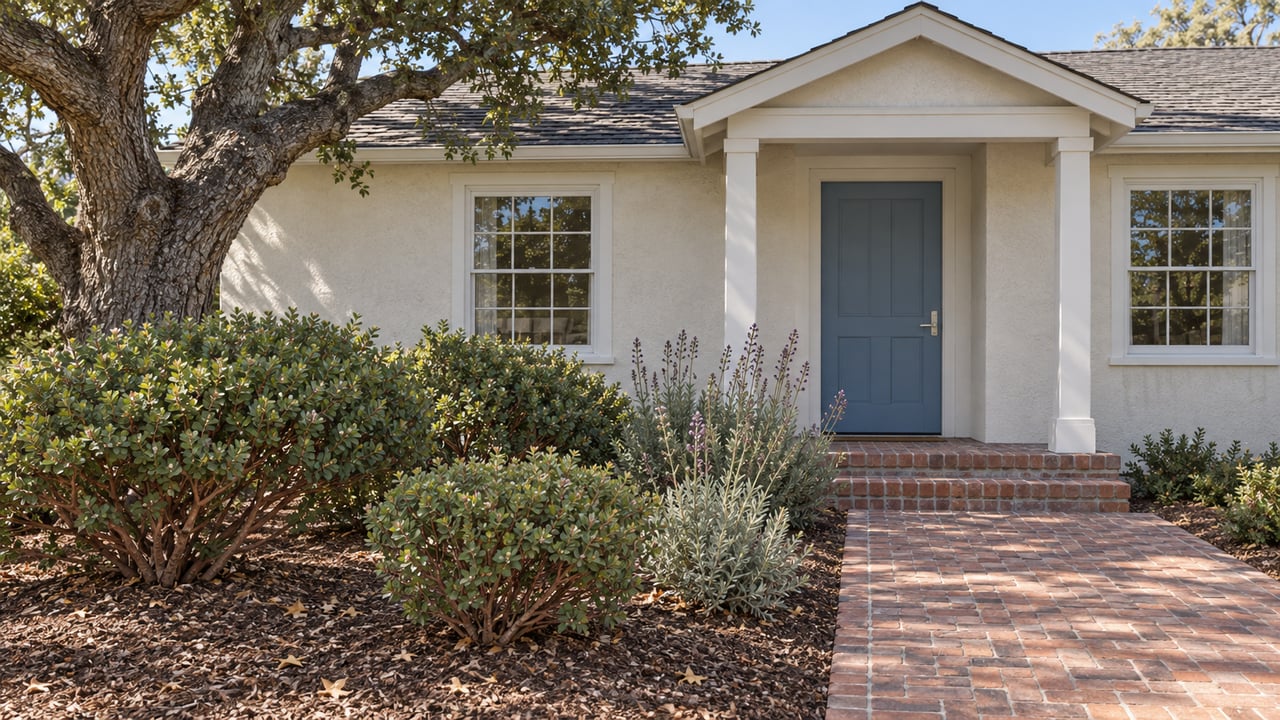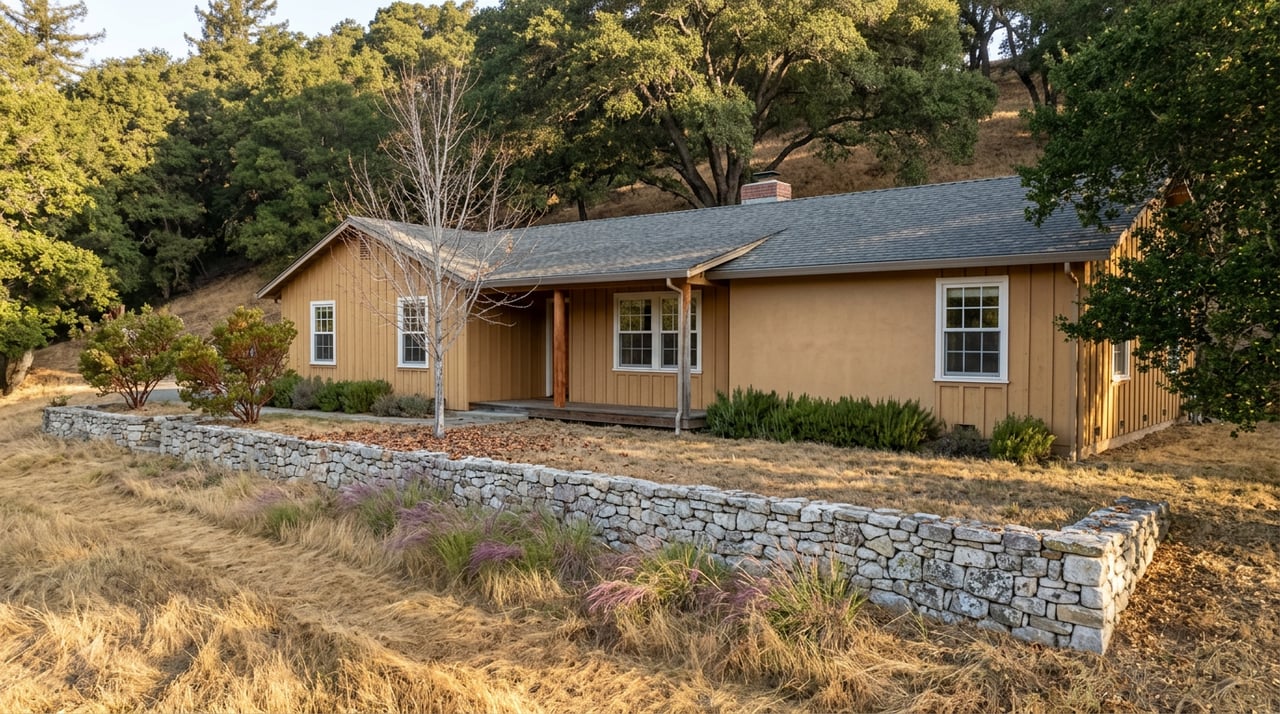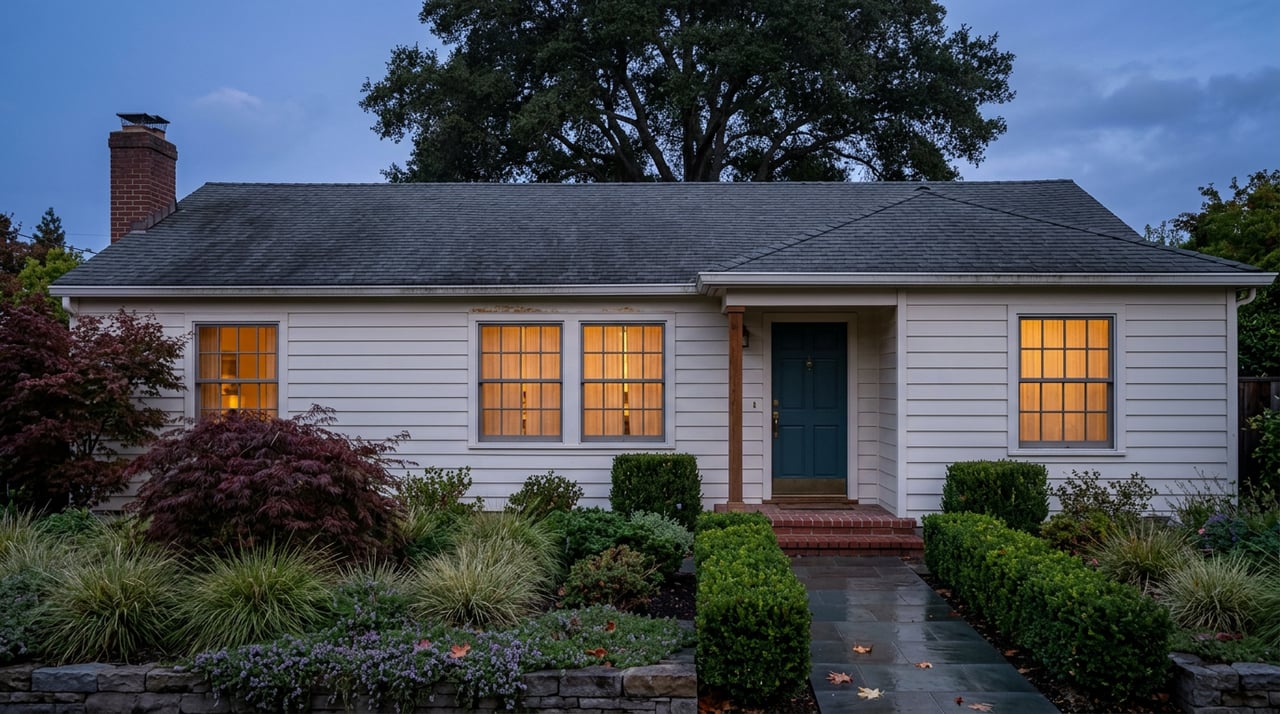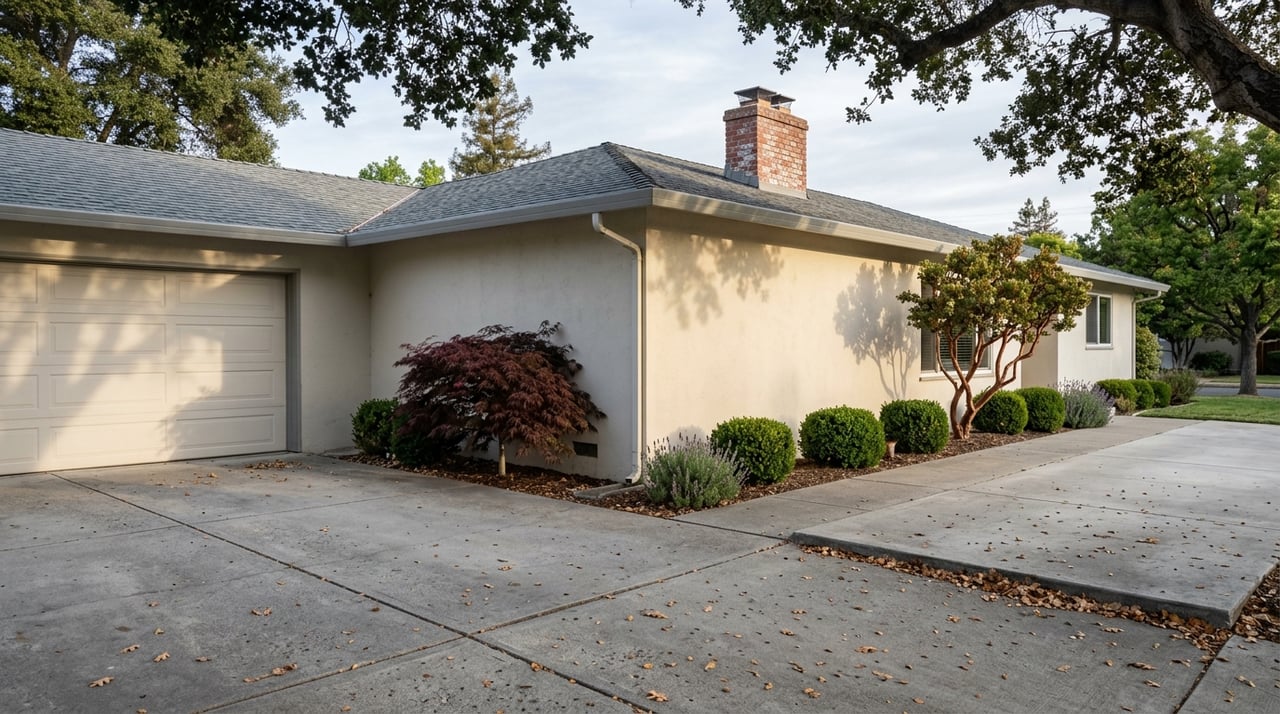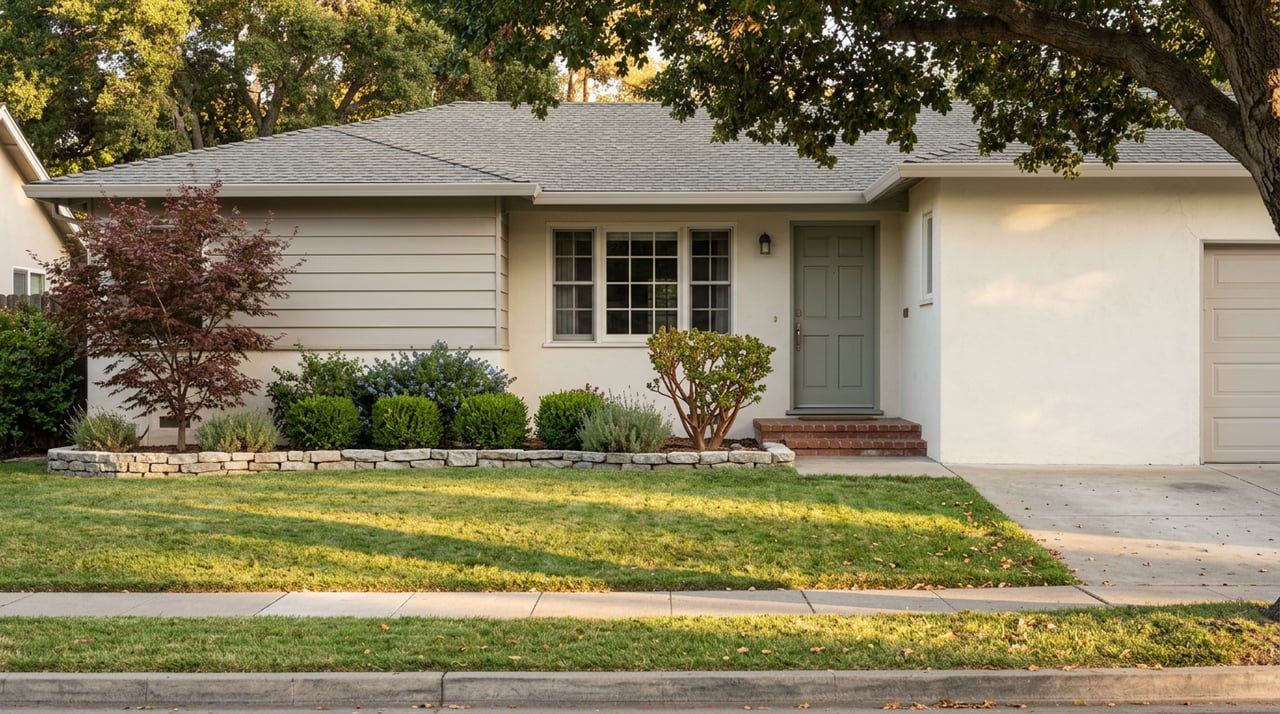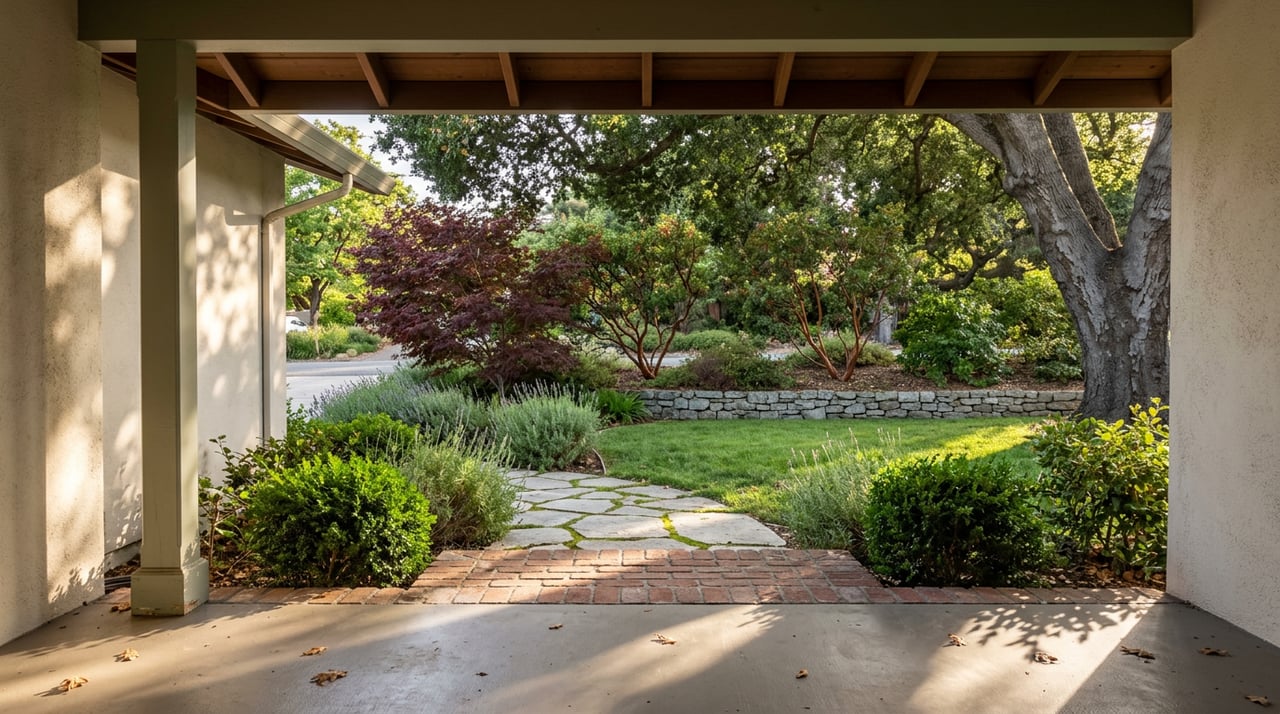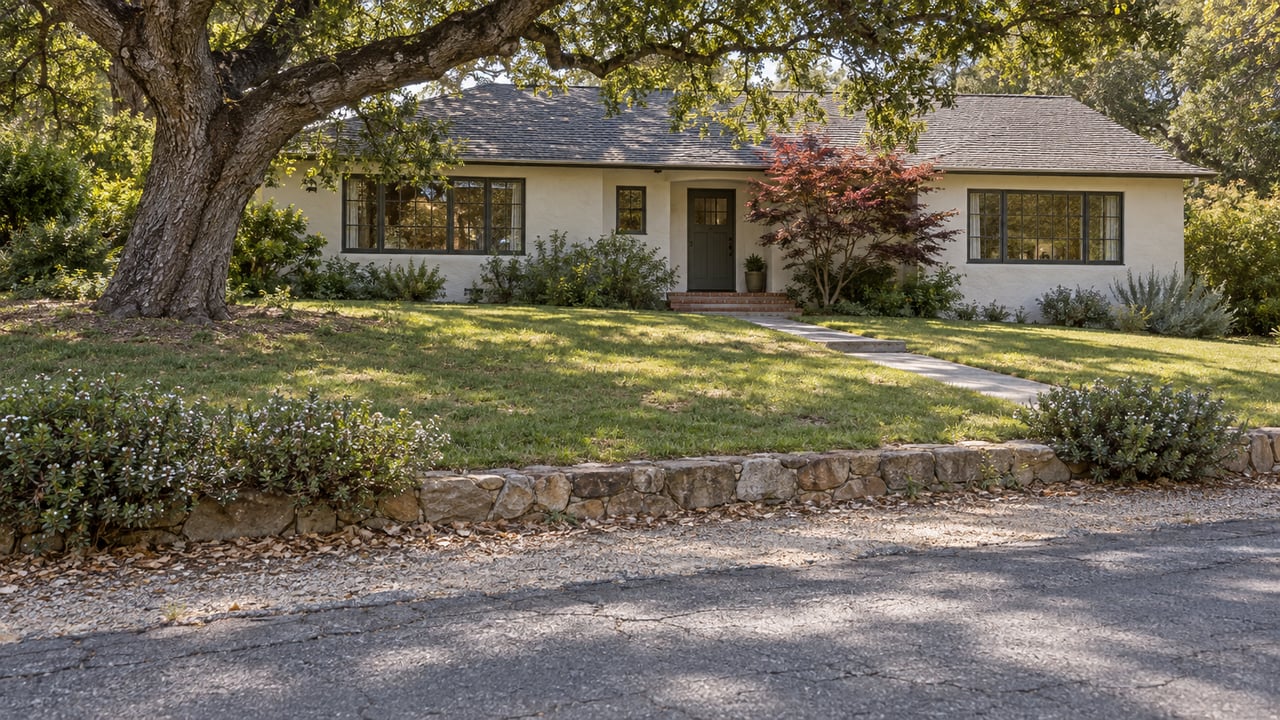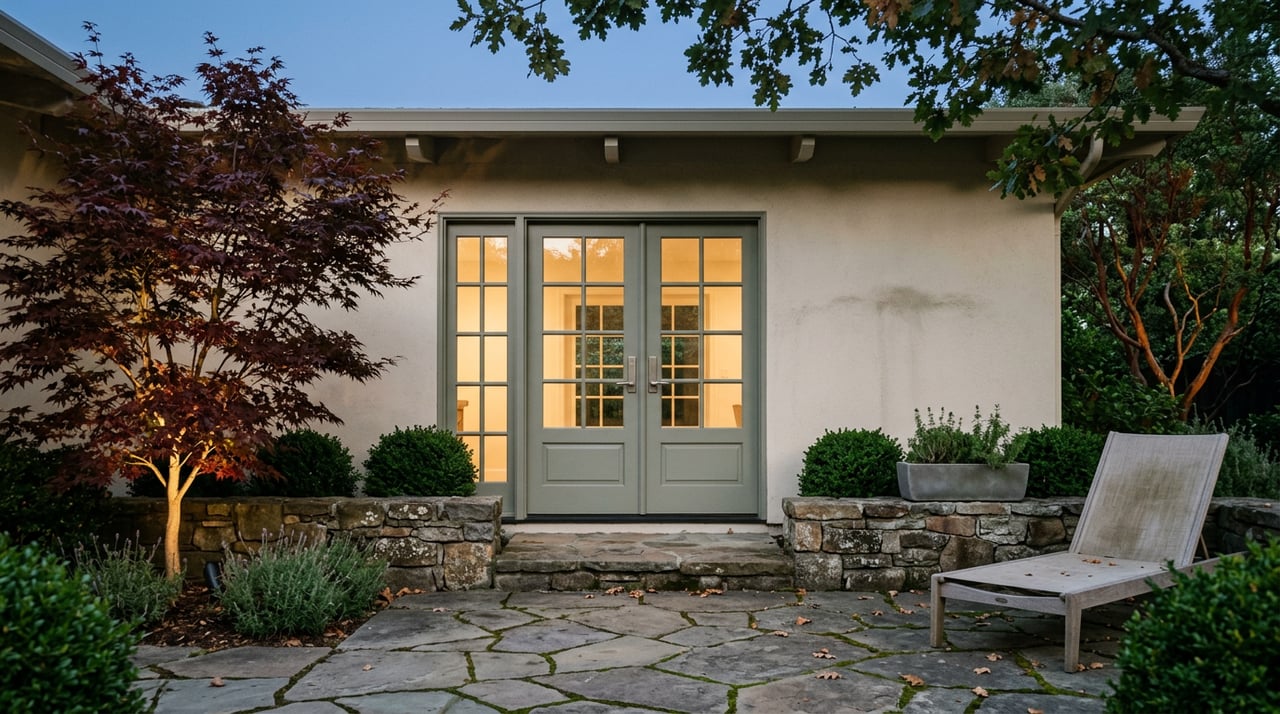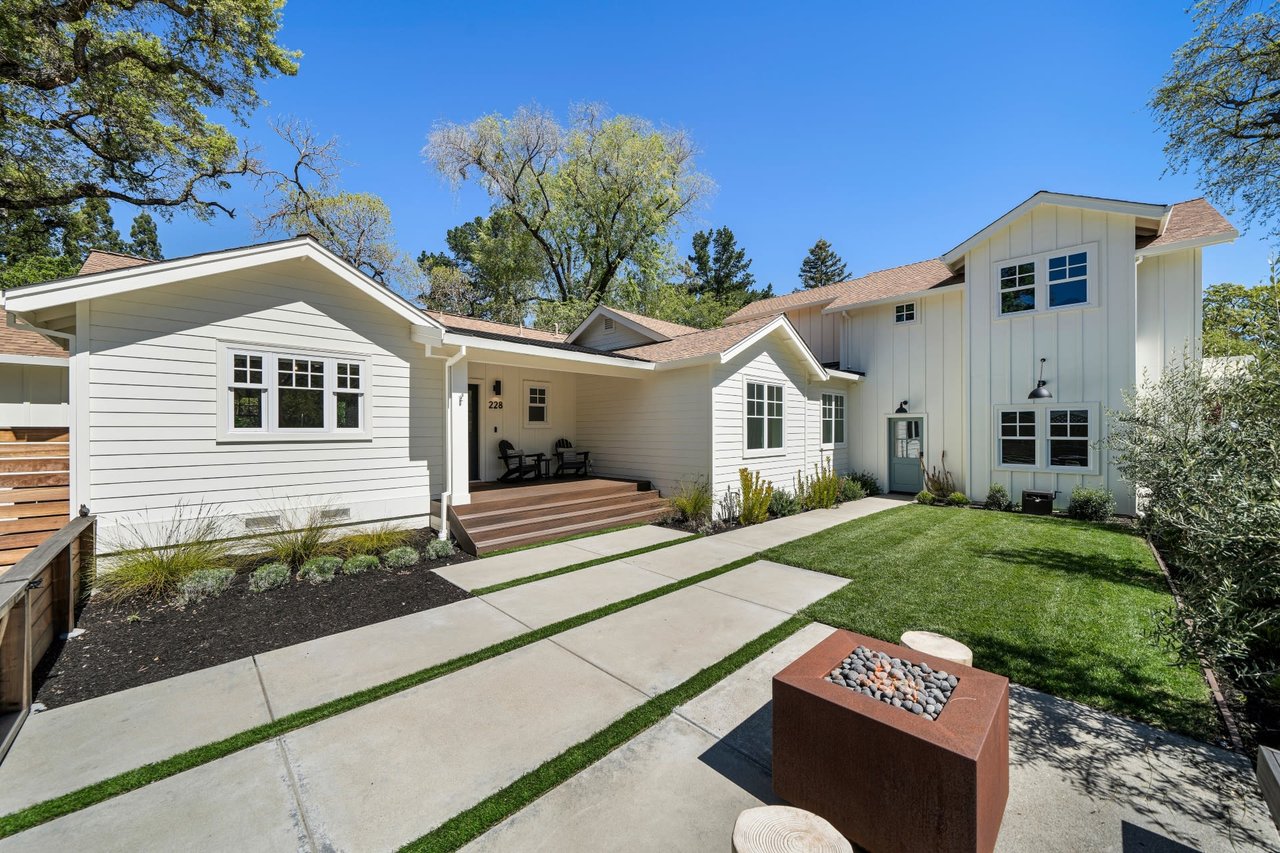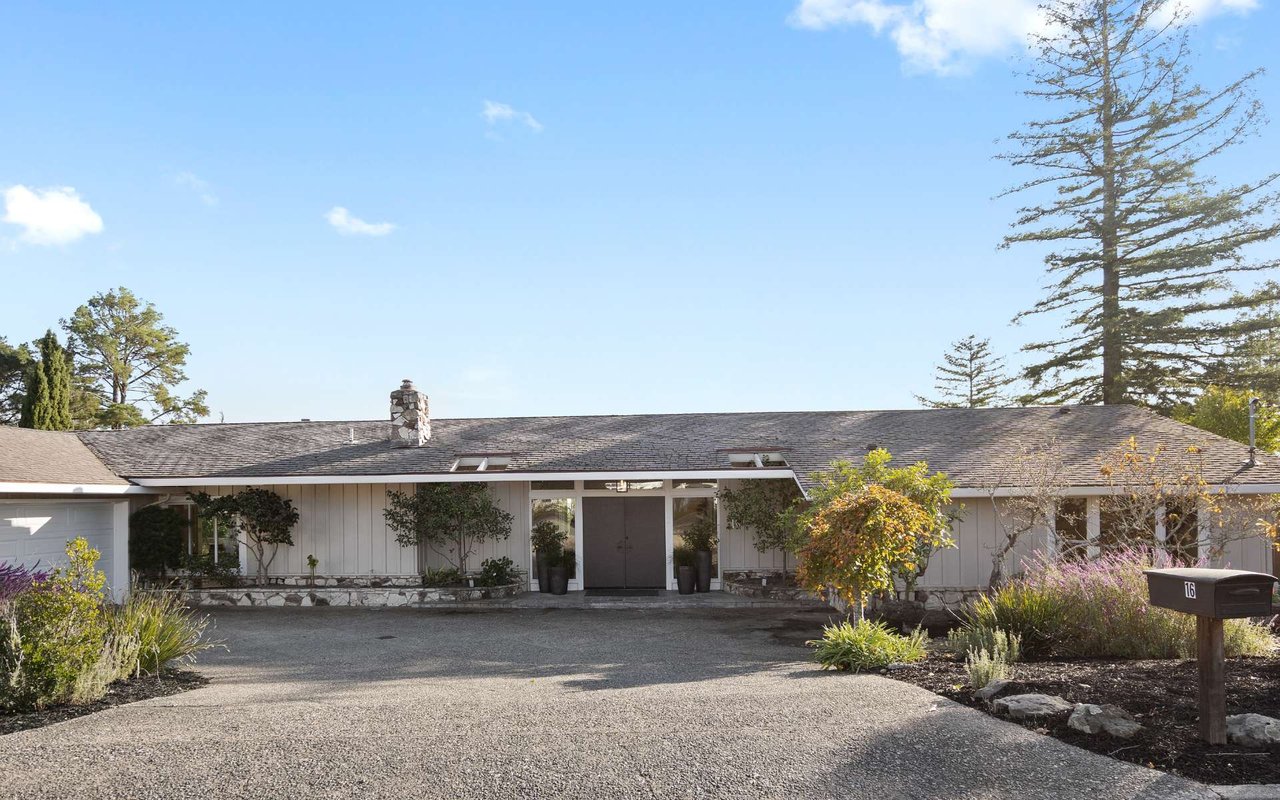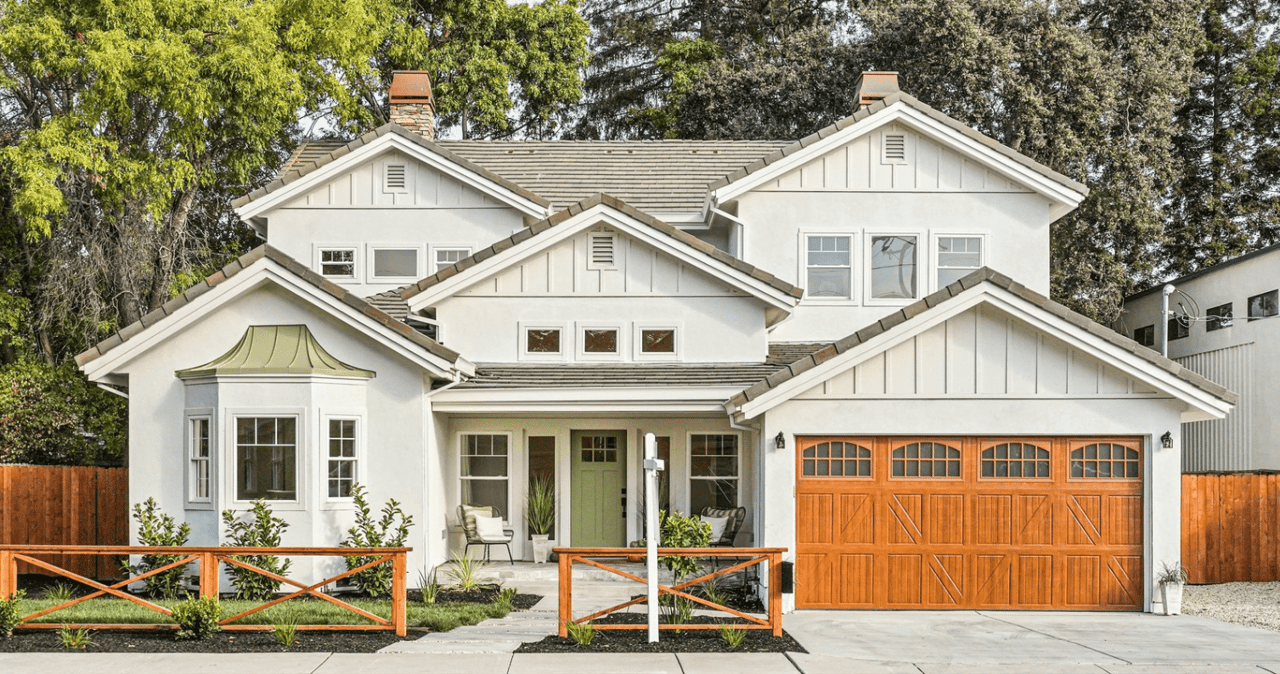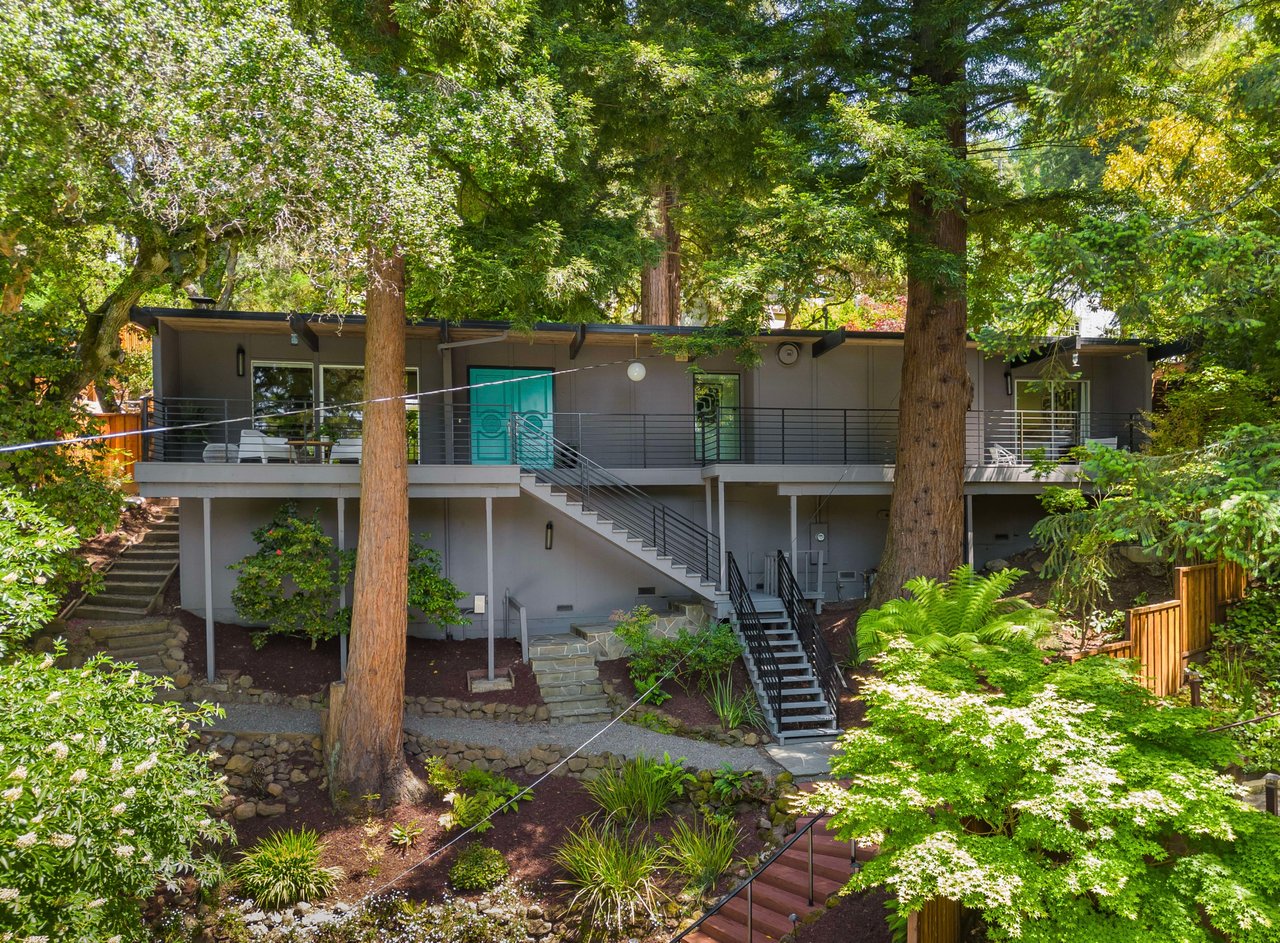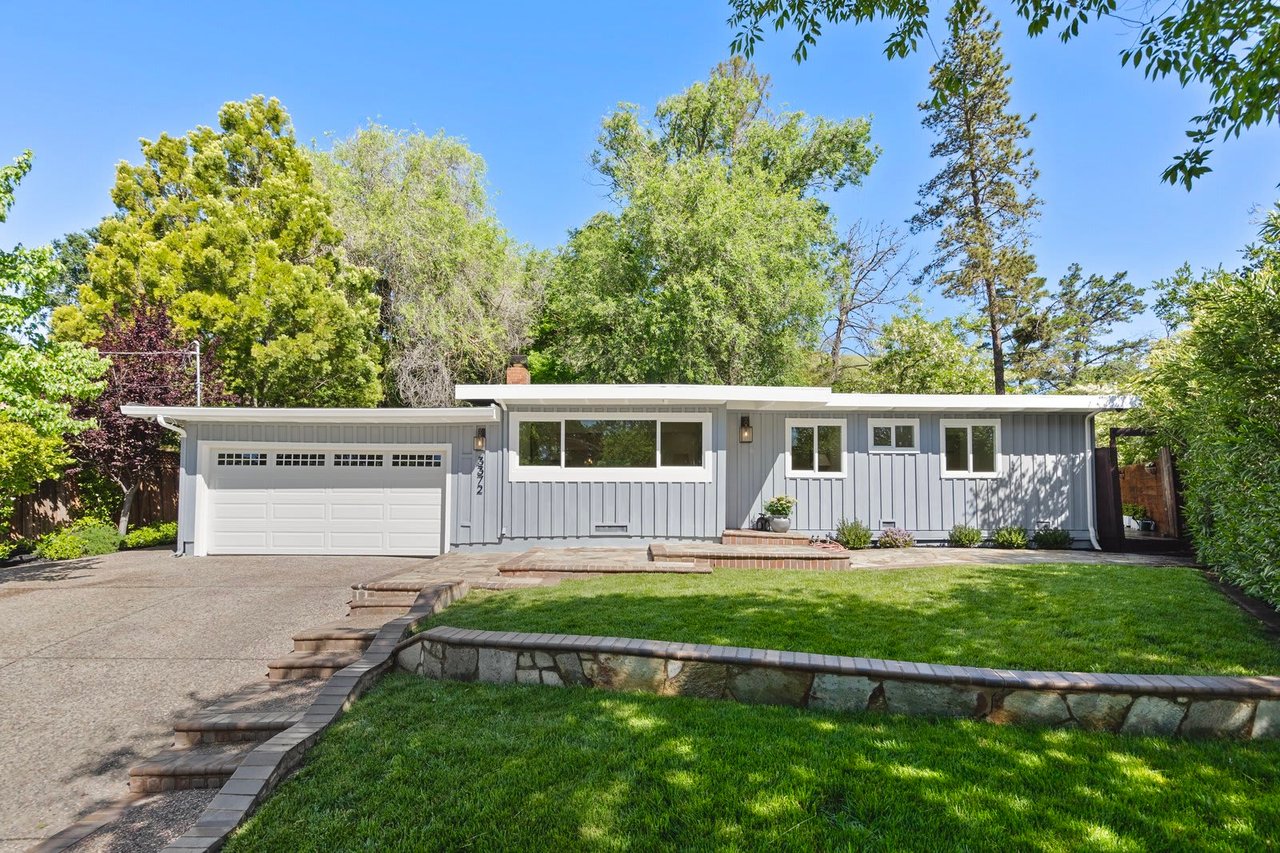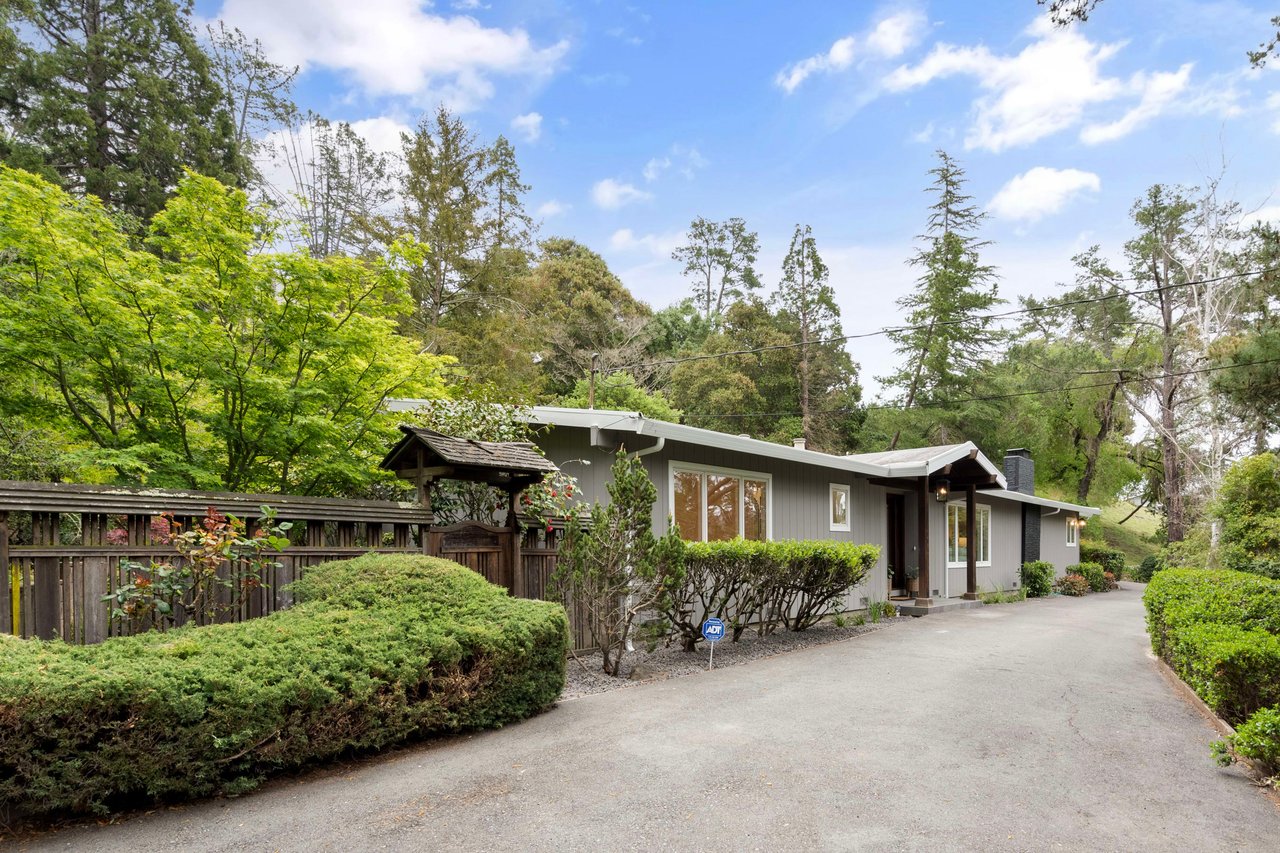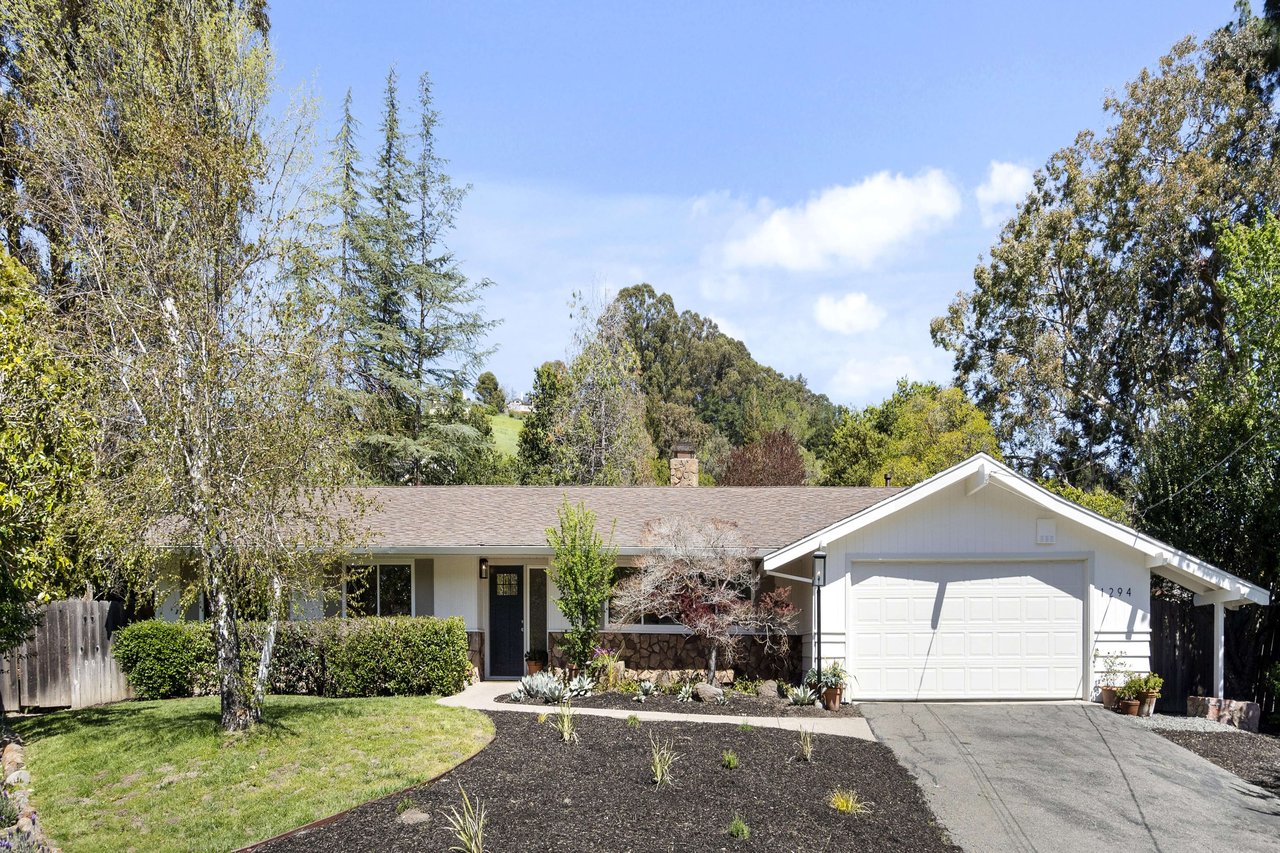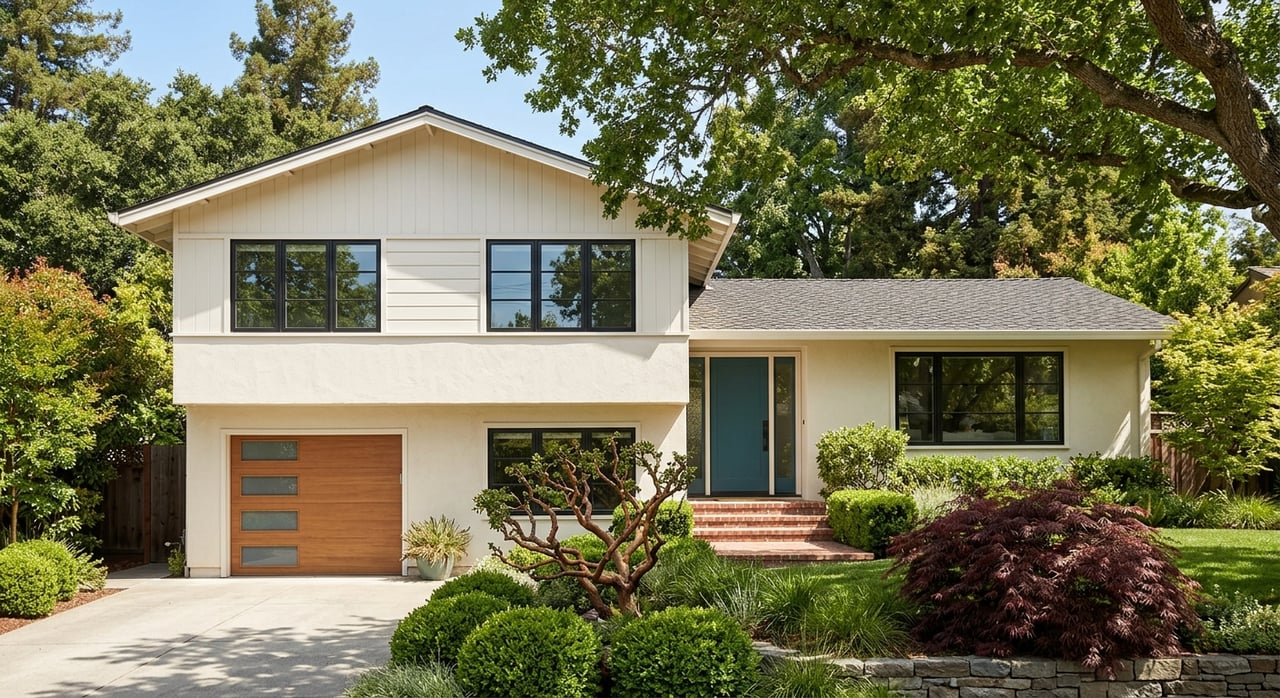
Wondering how to price your home in Lafayette Valley Estates without leaving money on the table? You are not alone. In this pocket of Lafayette, buyers often respond less to raw square footage and more to what the home feels like in person, from condition and layout to lot usability and outdoor flow. If you are preparing to sell, the right pricing strategy can create urgency, attract strong offers, and set the tone for your entire launch. Let’s dive in.
Why pricing works differently here
Lafayette Valley Estates is not a simple price-per-square-foot neighborhood. Recent sales show that buyers are weighing mid-century character, updates, single-level livability, and usable outdoor space very carefully.
That matters because two homes with very different sizes can produce surprising results. A smaller renovated home with a strong indoor-outdoor story may outperform a larger home that needs work or feels less functional on show day.
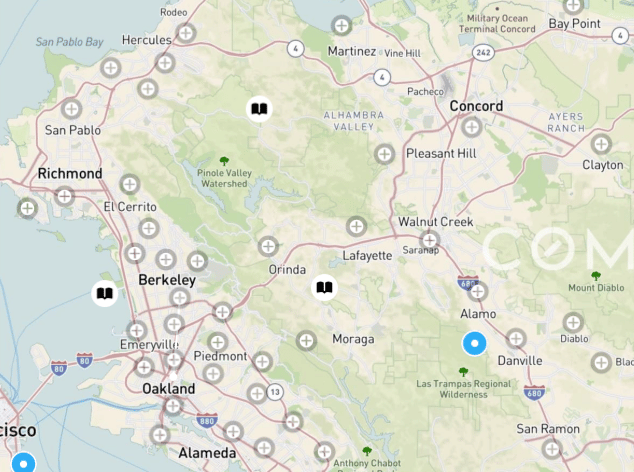
Local listing patterns also make pricing more nuanced. Some homes that function as Lafayette Valley Estates comparables may be labeled Burton Valley or Lafayette Estates, so a smart pricing review often needs to look beyond one neighborhood name.
The current Lafayette market backdrop
The broader market supports strong seller positioning, but it does not support guesswork. Over the last three months through May 2026, Lafayette homes received 4 offers on average, sold in about 18 days, and had a median sale price of $2.115 million.
In ZIP code 94549, the market is also leaning toward sellers. The median sale price was $2.0 million, the median days on market was 18, and the average sale-to-list ratio was 102.2% as of June 2026.
Those numbers tell you something important. Demand is real, but buyers are still comparing value closely. A strong market can reward smart pricing, yet it can also punish overpricing if your home misses that first wave of attention.
Recent sales tell the real story
The clearest lesson in Lafayette Valley Estates is that pricing should reflect the property story, not just the measurements. Here are four recent sales that help explain why.
| Address | Sale Price | Size | Key Story |
|---|---|---|---|
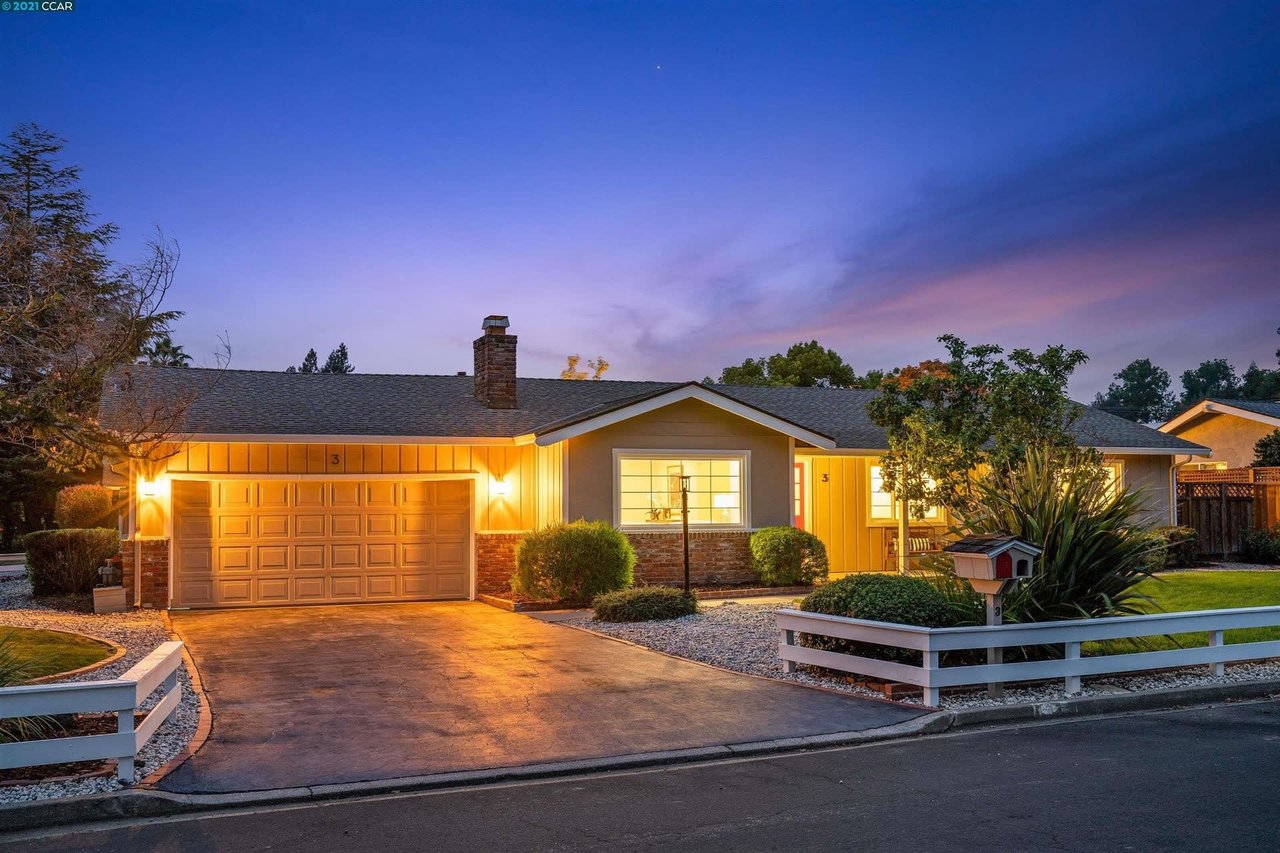
| 3337 S Lucille Ln | $1,500,000 | 1,178 sq ft | Renovated mid-century home on 0.45 acres with usable land and strong indoor-outdoor flow |
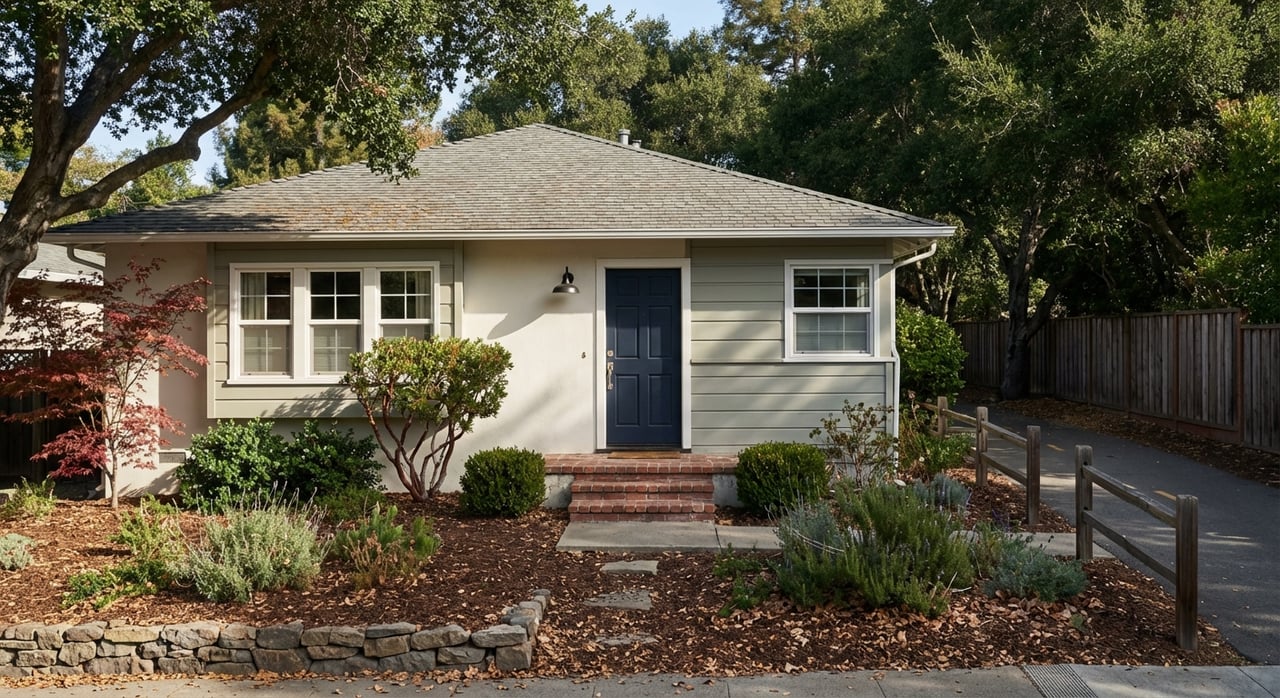
| 3300 Betty Ln | $1,570,000 | 1,739 sq ft | Updated single-story home with flexible space and nearby trail, community center, and park access |
| 3246 Judy Ln | $1,600,000 | 2,017 sq ft | Larger home on 0.68 acres marketed for renovation, expansion, or ADU potential |
| 3336 Betty Ln | $1,168,000 | 2,259 sq ft | Value-add home on 0.30 acres with a weaker finish level or upside story |
At first glance, those results may seem inconsistent. In reality, they show a very consistent buyer pattern. Buyers in this area are paying for condition, usability, and future potential more than they are paying for size alone.
That is why strategic pricing matters so much. If you anchor your number too heavily to square footage, you risk missing what buyers are actually rewarding.
What buyers value most in this pocket
When buyers tour homes in Lafayette Valley Estates, they are often reacting to a short list of factors they can see and feel right away. These factors usually have more impact on pricing power than a spreadsheet alone.
Condition and finish level
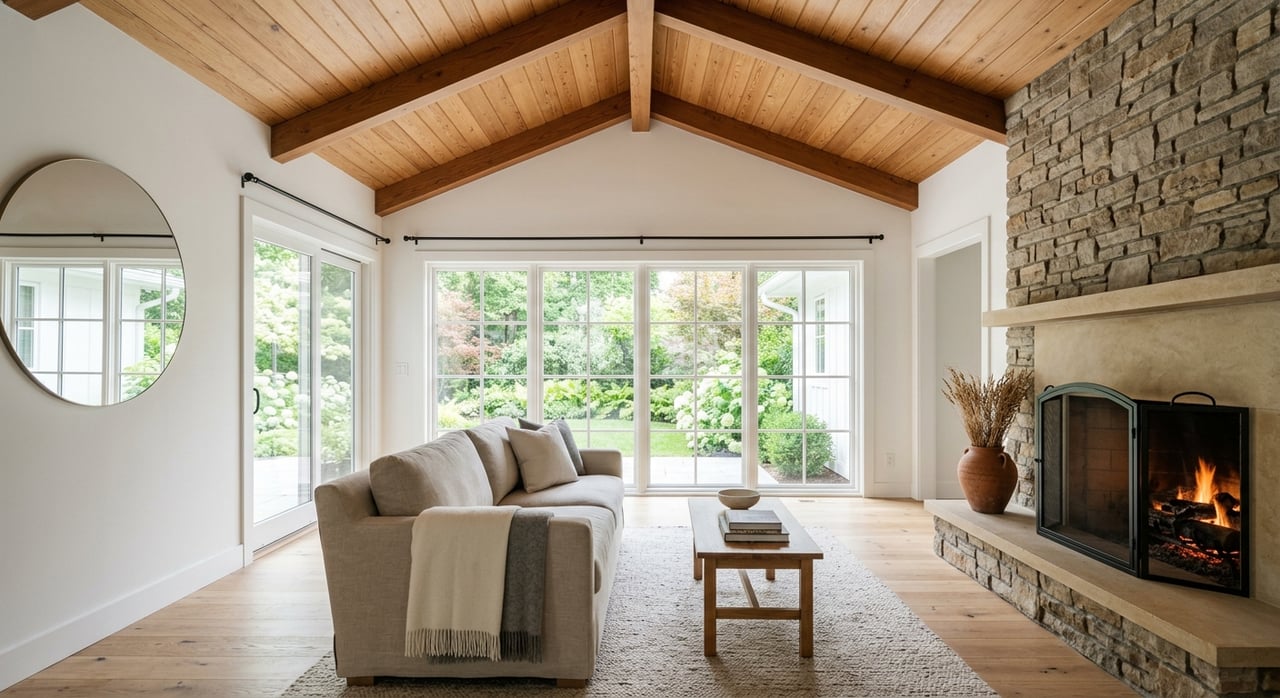
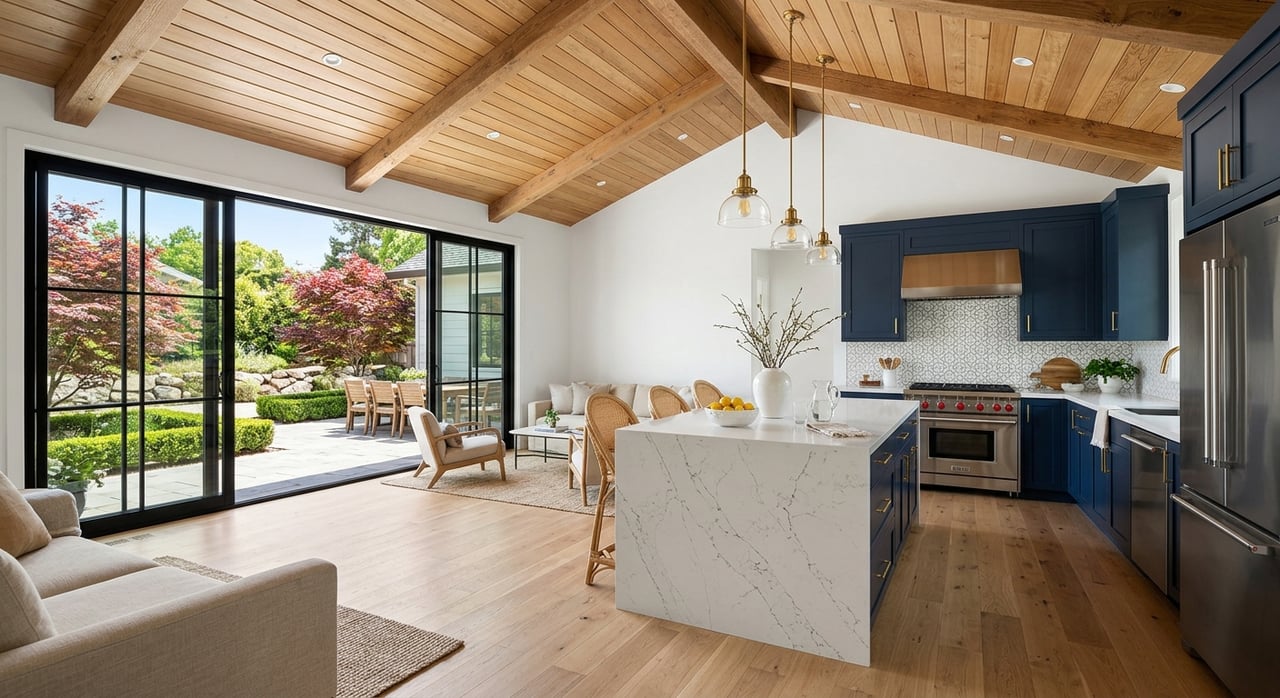
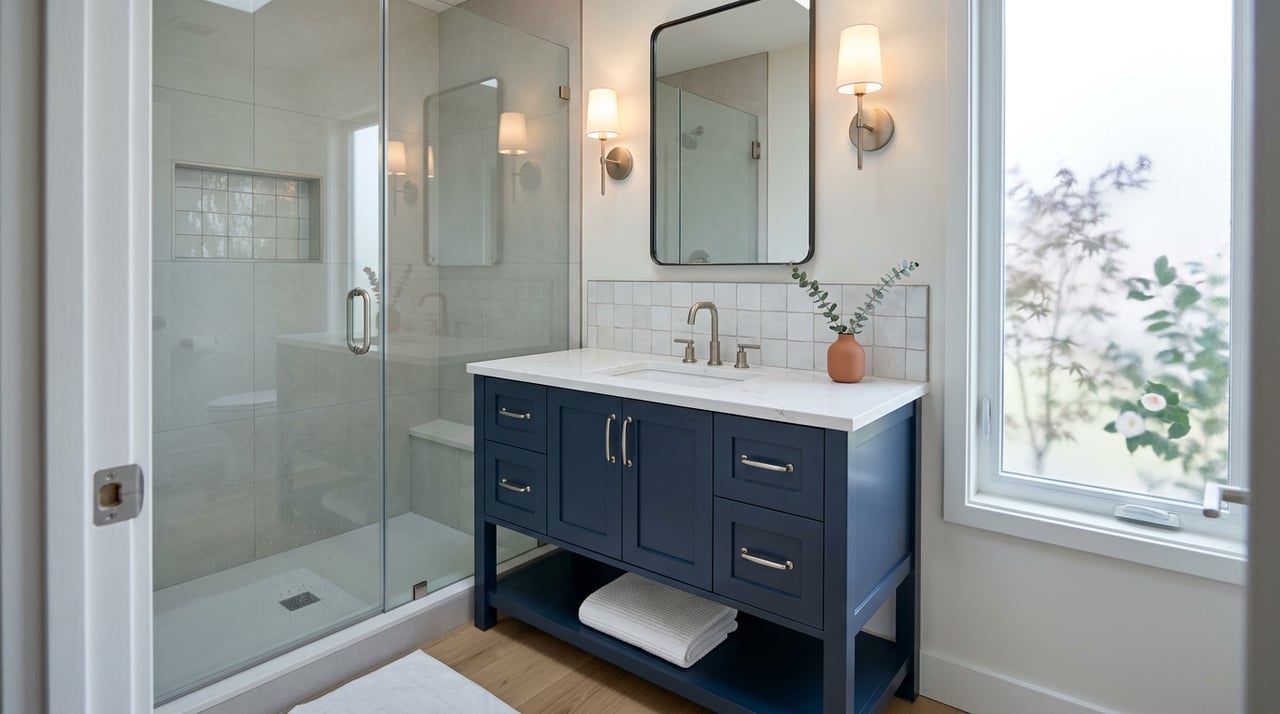
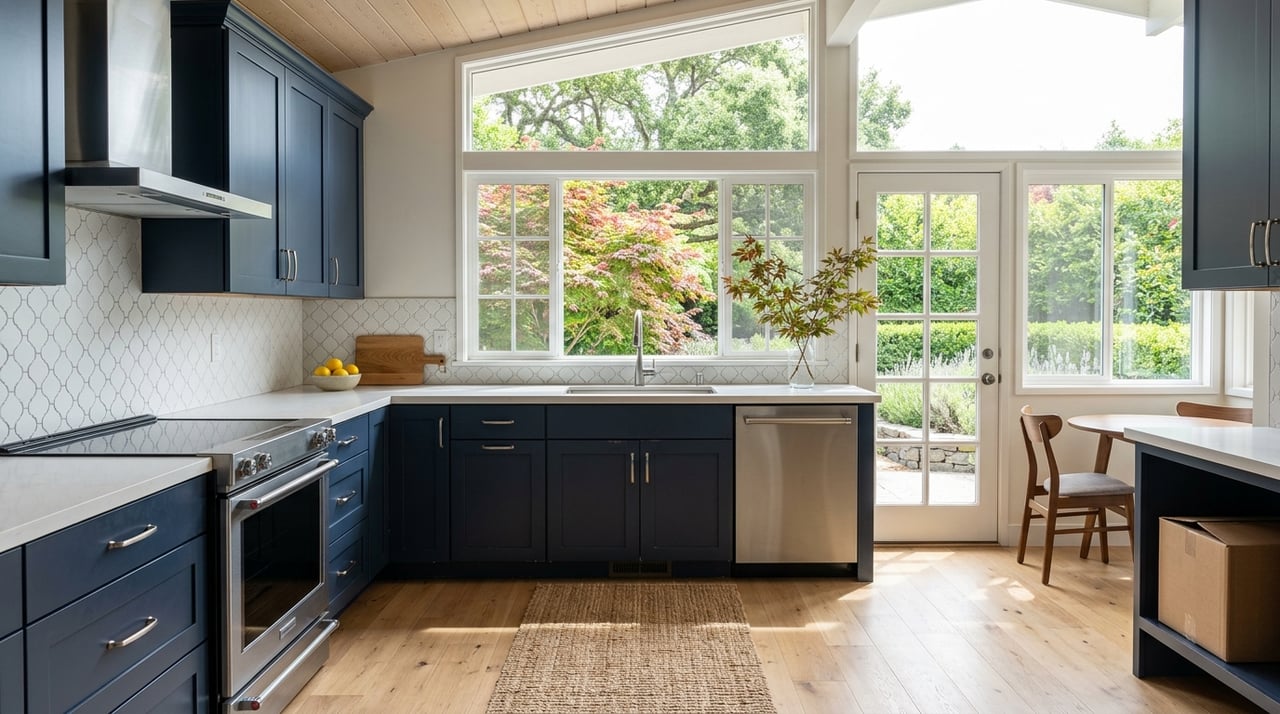
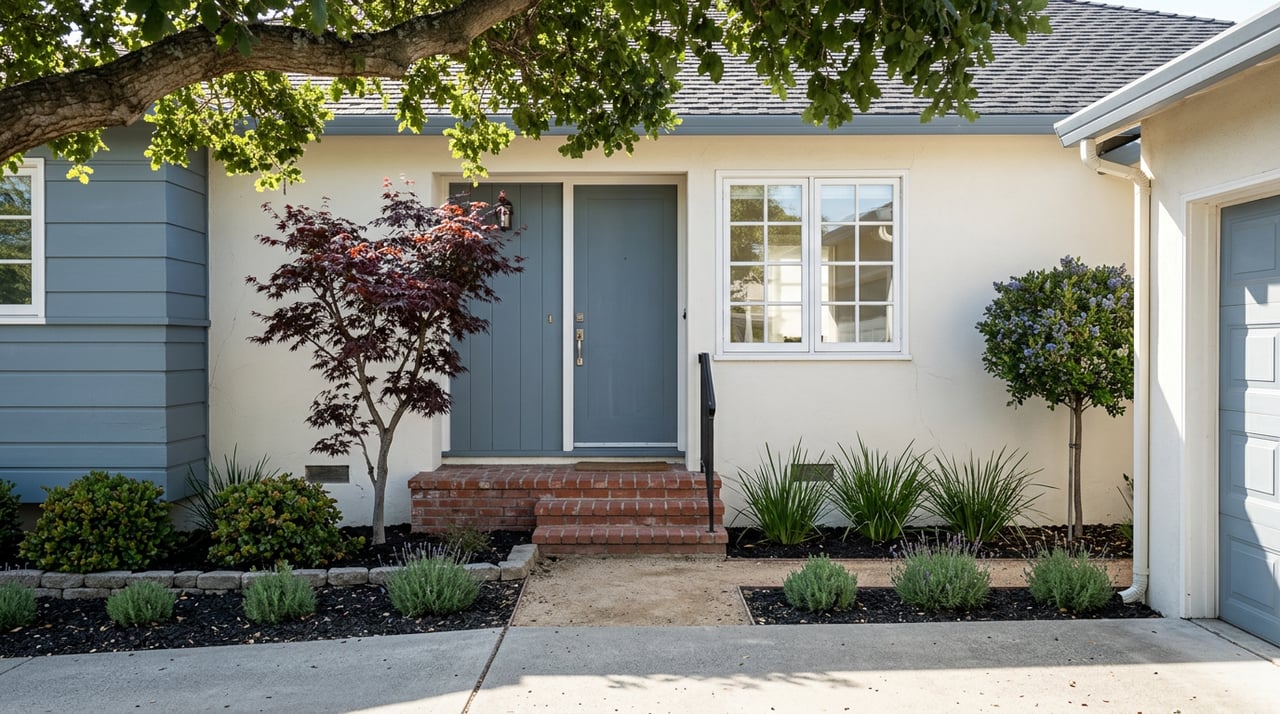
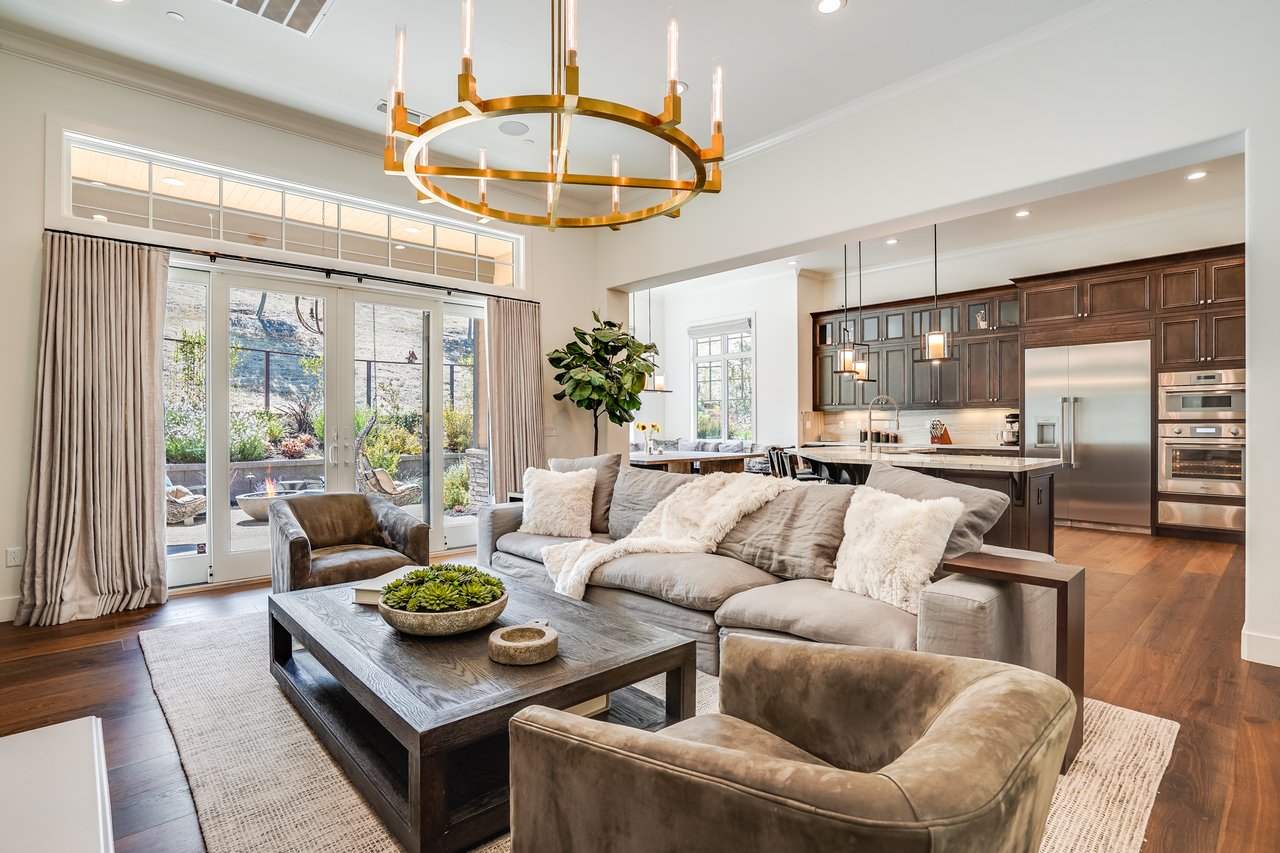
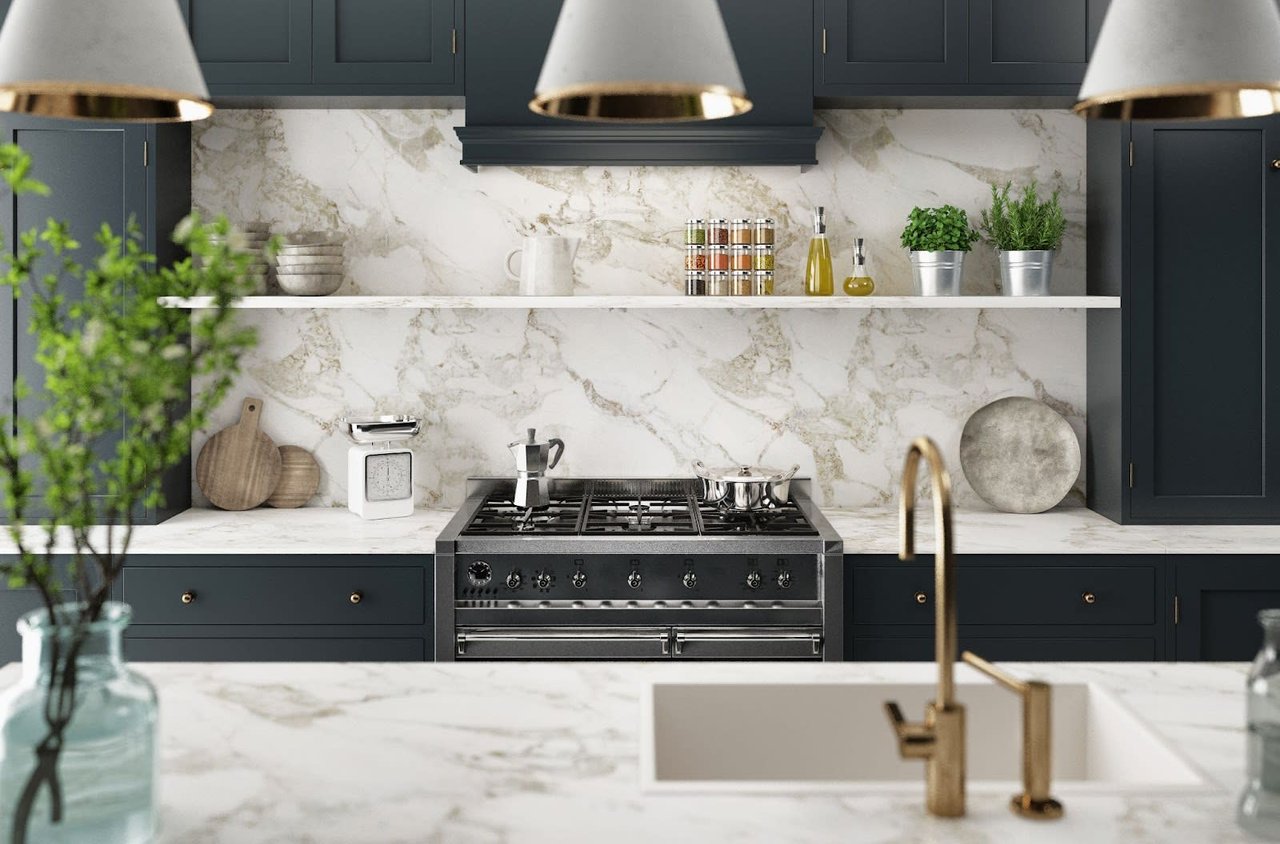
A turnkey home often earns stronger pricing because buyers can picture moving in without taking on immediate projects. Updated interiors, clean finishes, and a cohesive presentation reduce friction and help buyers focus on the lifestyle of the home.
If your home needs work, that is not necessarily a disadvantage. It just means the pricing should reflect the renovation opportunity honestly rather than compete with polished turnkey listings.
Single-level livability
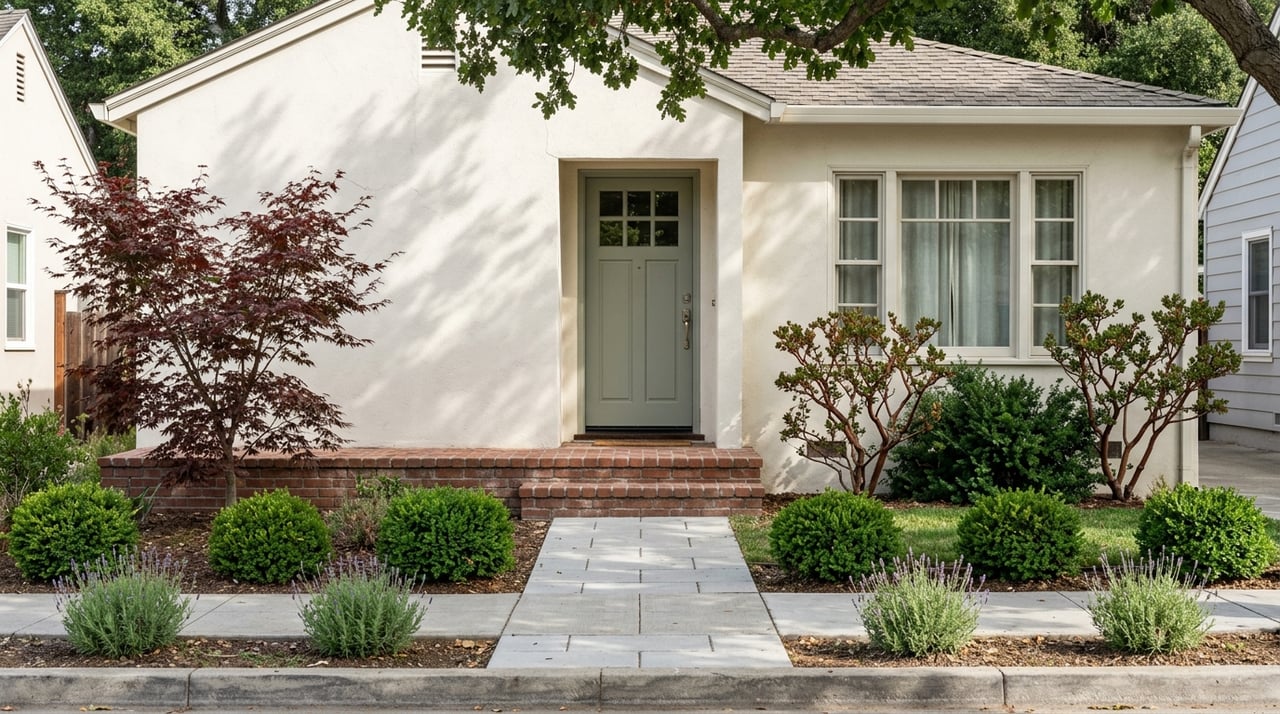
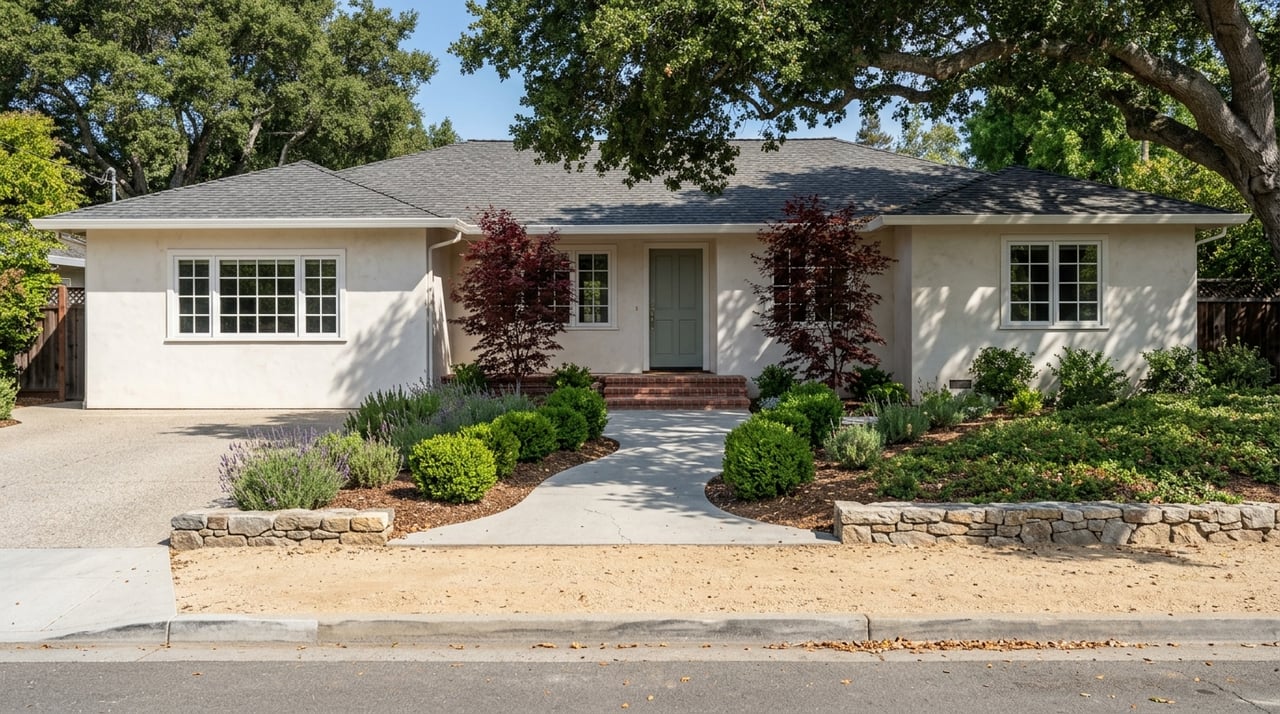
Single-story layouts continue to matter in this area. Buyers often place a premium on ease of movement, practical floor plans, and everyday functionality.
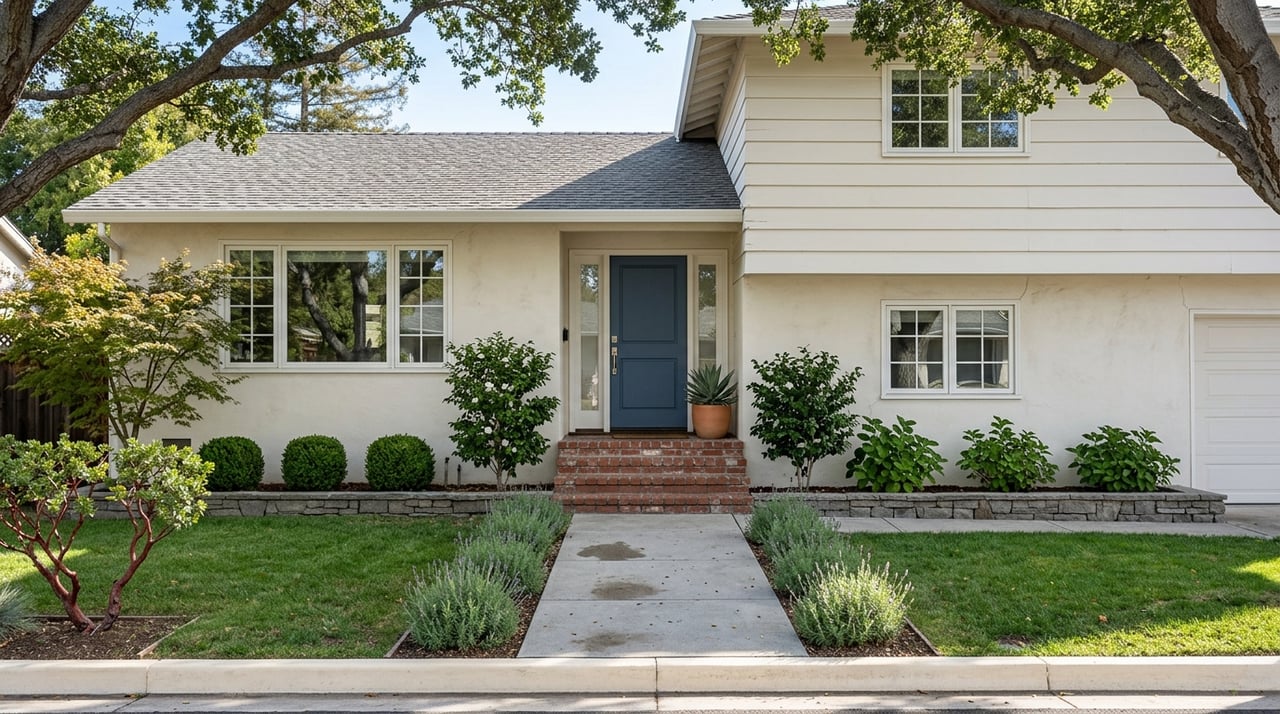
That does not mean split-level or more complex layouts cannot sell well. It means the price needs to account for how the floor plan lives compared with nearby alternatives.
Lot usability and outdoor flow
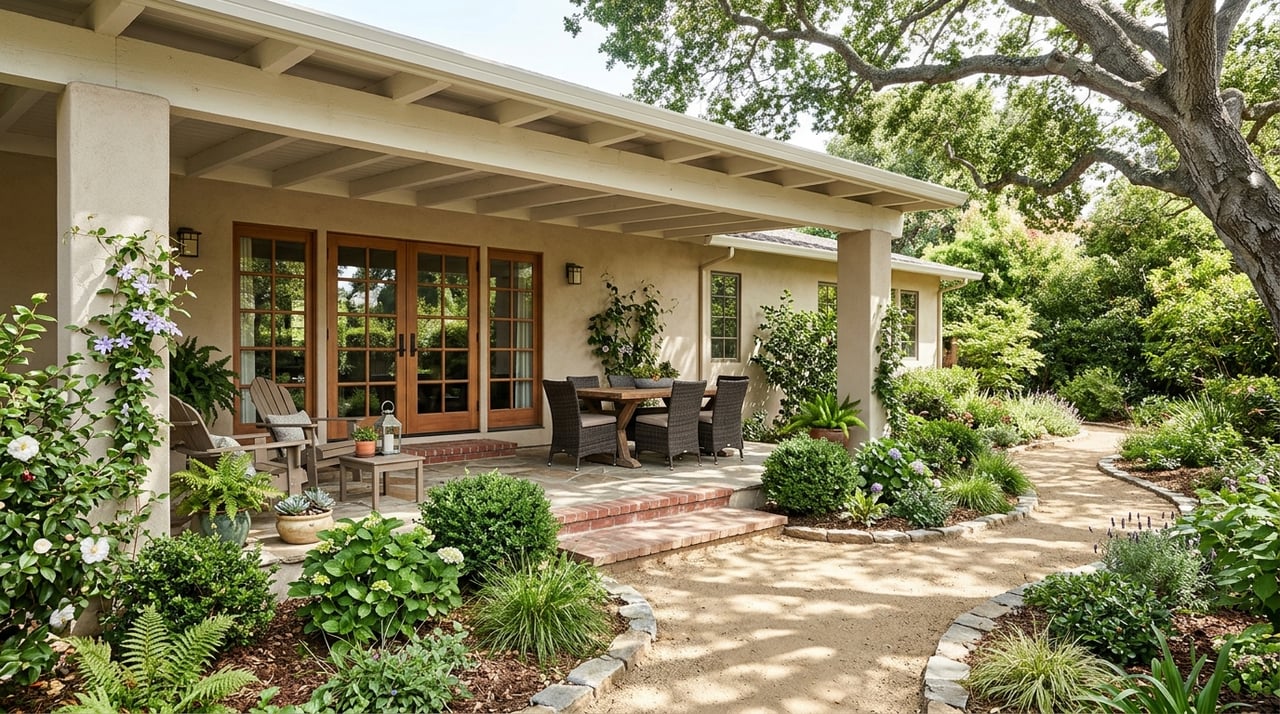
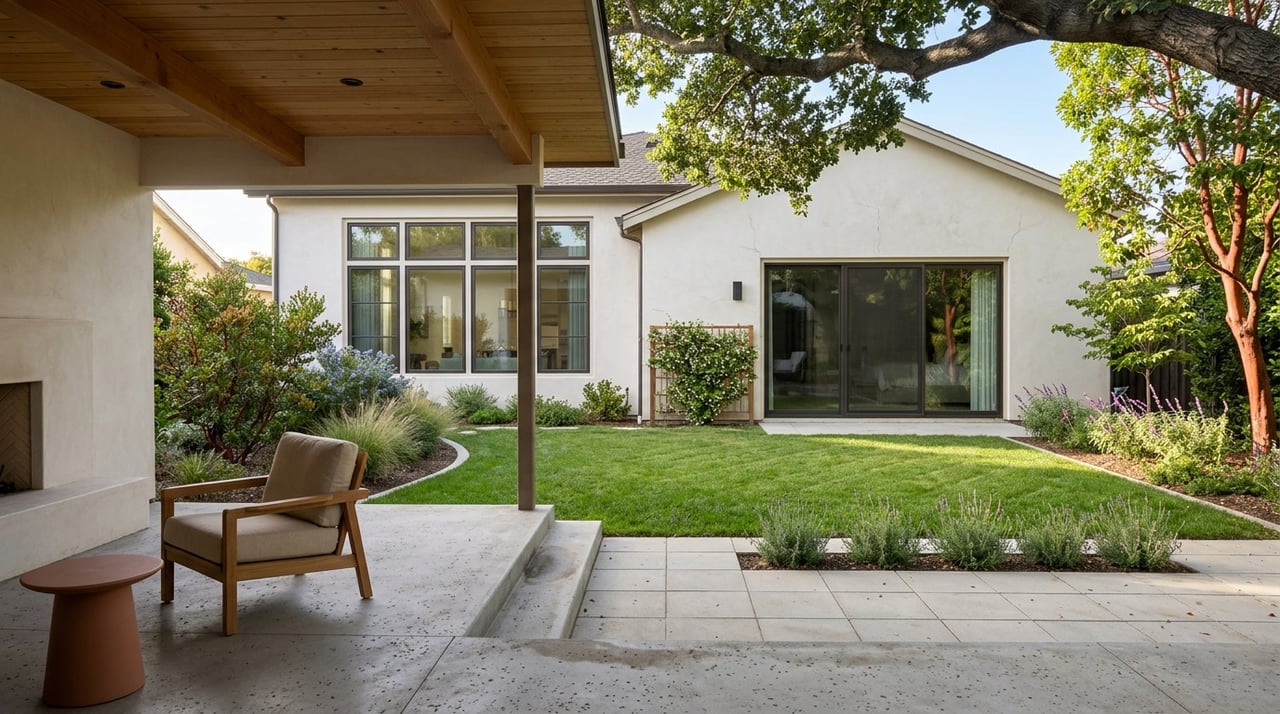
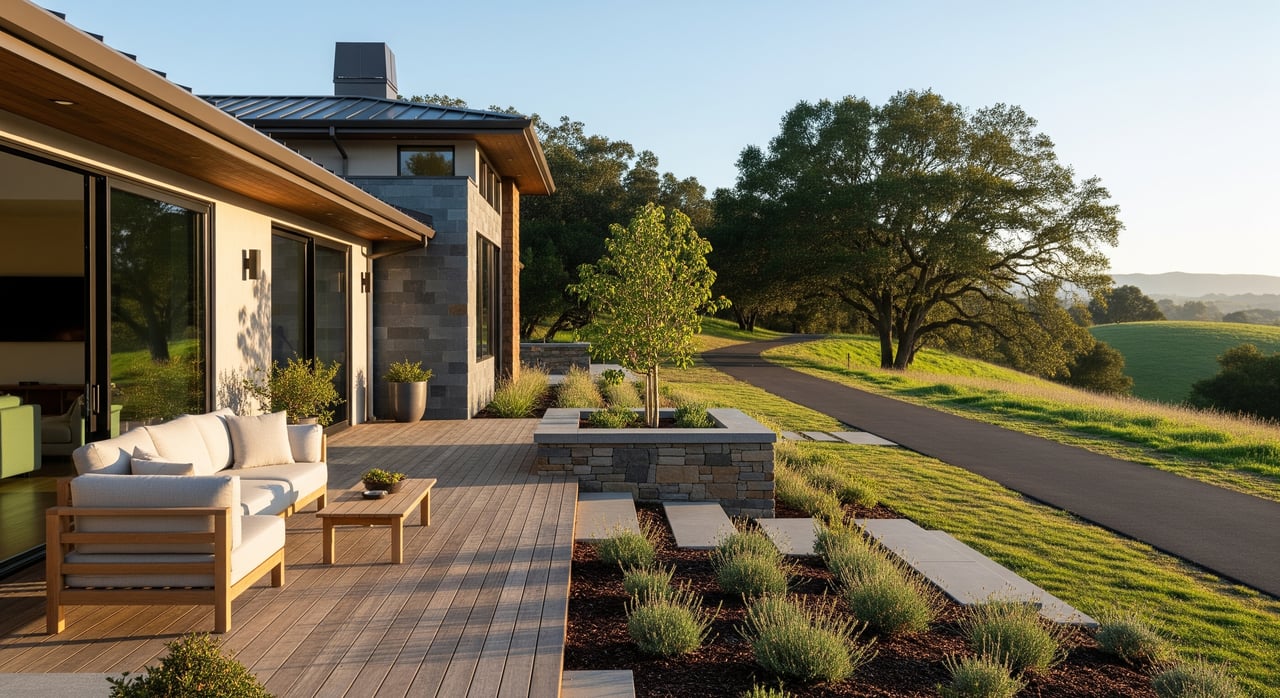
Usable land carries weight in Lafayette Valley Estates. A lot that feels functional for gathering, gardening, play, storage, or future improvement can lift value more than extra interior square footage that does not live as well.
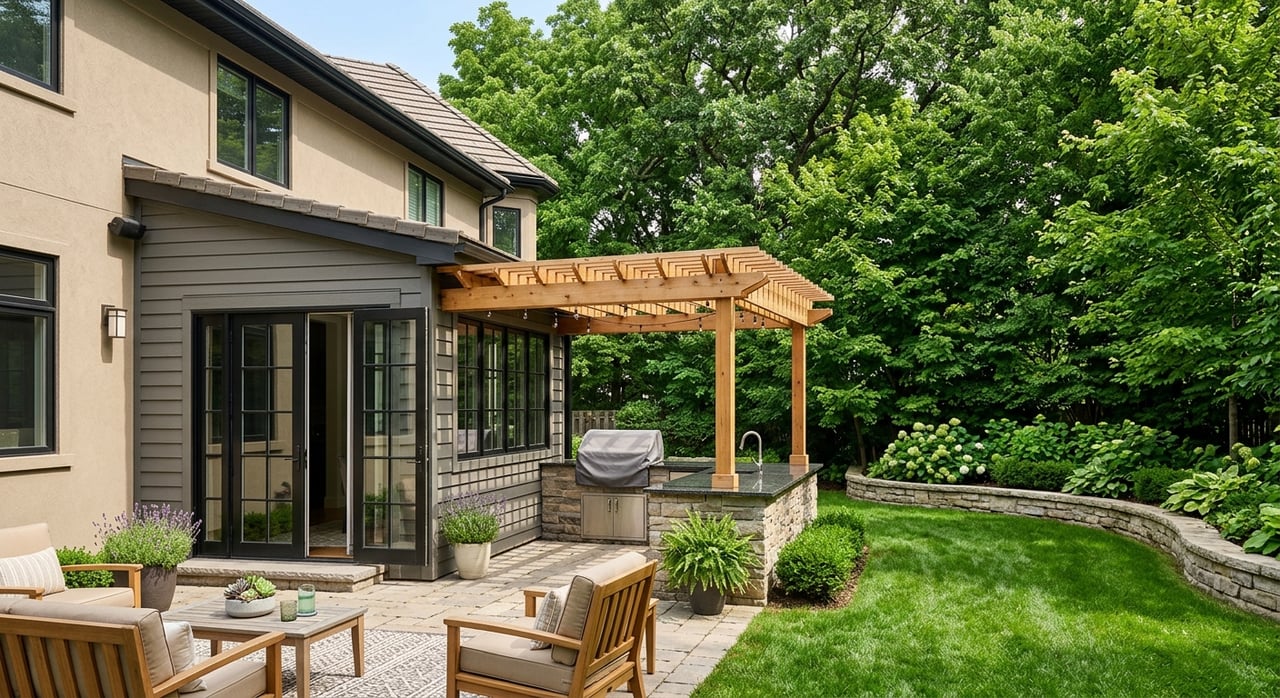
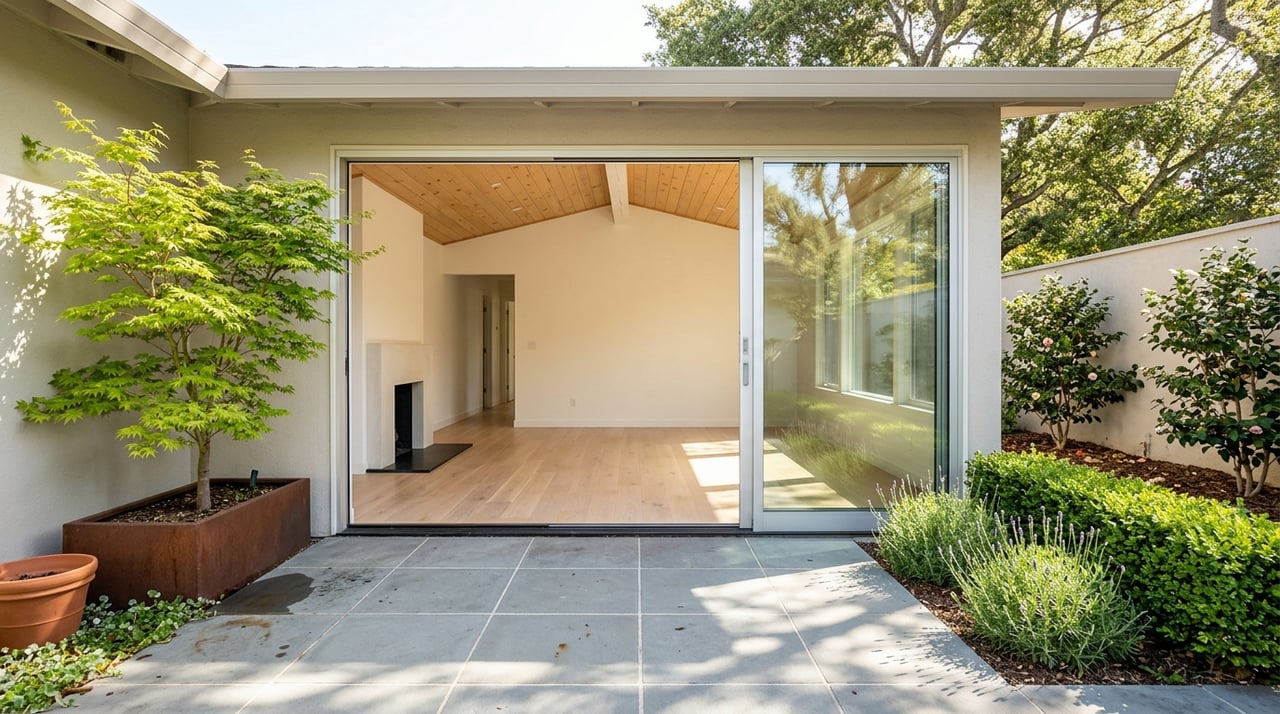
The strongest listings make outdoor utility easy to understand at a glance. Privacy, side-yard access, level areas, and a clear connection between indoors and outdoors can all affect buyer response.
Expansion or renovation potential
Some buyers are not just buying the home as it stands today. They are also buying the upside. A property with a believable path for renovation, expansion, or an ADU can attract a different kind of demand, especially if the lot and layout support that story.
But that upside has to be credible. Buyers rarely pay full turnkey pricing for a home that still requires significant investment.
Why amenities help, but do not lead
Lafayette Valley Estates benefits from real everyday amenities nearby. The City of Lafayette notes a parks and recreation system with six parks, seven neighborhood trails, a community center, and more than 16 miles of hiking trails.
The Lafayette Community Center is located on St. Mary’s Road, and Lafayette Community Park sits nearby on a 68-acre site. The Lafayette-Moraga Regional Trail also includes a staging area at Lucille Lane and is described by the East Bay Regional Park District as a paved, accessible multi-use trail.
These features help explain why the area is attractive. Still, recent sales suggest they are supporting factors, not the main driver. In most cases, the sale outcome is still shaped more by condition, layout, lot usability, and how clearly the home’s value story comes through.
How to price your home strategically
A strong pricing plan in Lafayette Valley Estates usually follows a clear process. It starts with nearby evidence, then adjusts for the factors buyers care about most.
Start with the closest relevant comps
Begin with the nearest recent sales that truly match your home’s physical setting and market position. Because neighborhood labels can vary, it often makes sense to include adjacent pocket names when the home style, lot pattern, and buyer appeal are similar.
This prevents a common mistake. Sellers sometimes rely too narrowly on one label and miss better comparison points just a few streets away.
Adjust for the story, not just the stats
Once you identify the comp set, the next step is adjusting for the features buyers actually value. That includes:
- Renovation quality
- Natural light
- Single-level living
- Yard usability
- Privacy
- Side-yard access
- Parking
- Expansion potential
This is where builder and renovation literacy can make a real difference. Two homes may look close on paper but perform very differently depending on how those details show up in person.
Match the price to the home’s condition
If your home is turnkey, the goal is often to price for urgency. In a market where homes can move quickly and generate multiple offers, a compelling launch price can pull in serious buyers during the first week.
If your home needs work, the pricing should highlight land value and upside. Buyers tend to respond best when the opportunity is obvious and the numbers feel grounded.
Avoid overreaching in a strong market
A seller’s market can create confidence, but it should not create complacency. Lafayette’s pace and 94549’s average sale-to-list ratio show that well-priced homes can outperform list price.
The key phrase is well-priced. If you start too high, you may miss the strongest early demand and end up negotiating from a weaker position later.
Common pricing mistakes to avoid
Even in a favorable market, a few missteps can hurt your final result. Here are some of the most common ones in Lafayette Valley Estates.
Relying too much on price per square foot
Price per square foot can be a helpful reference point, but it should never be the whole strategy here. Recent sales show that smaller renovated homes can outperform larger homes with less compelling condition or usability.
Ignoring adjacent comp pockets
Because listings may be labeled Burton Valley, Lafayette Estates, or Lafayette Valley Estates, a narrow search can miss key evidence. The better approach is to focus on true buyer substitution patterns, not just the map label.
Pricing a fixer like a turnkey home
Buyers will pay for upside, but usually not as if the work is already done. If your home needs updates, the pricing has to leave room for the next owner’s investment and risk.
Underselling the lot story
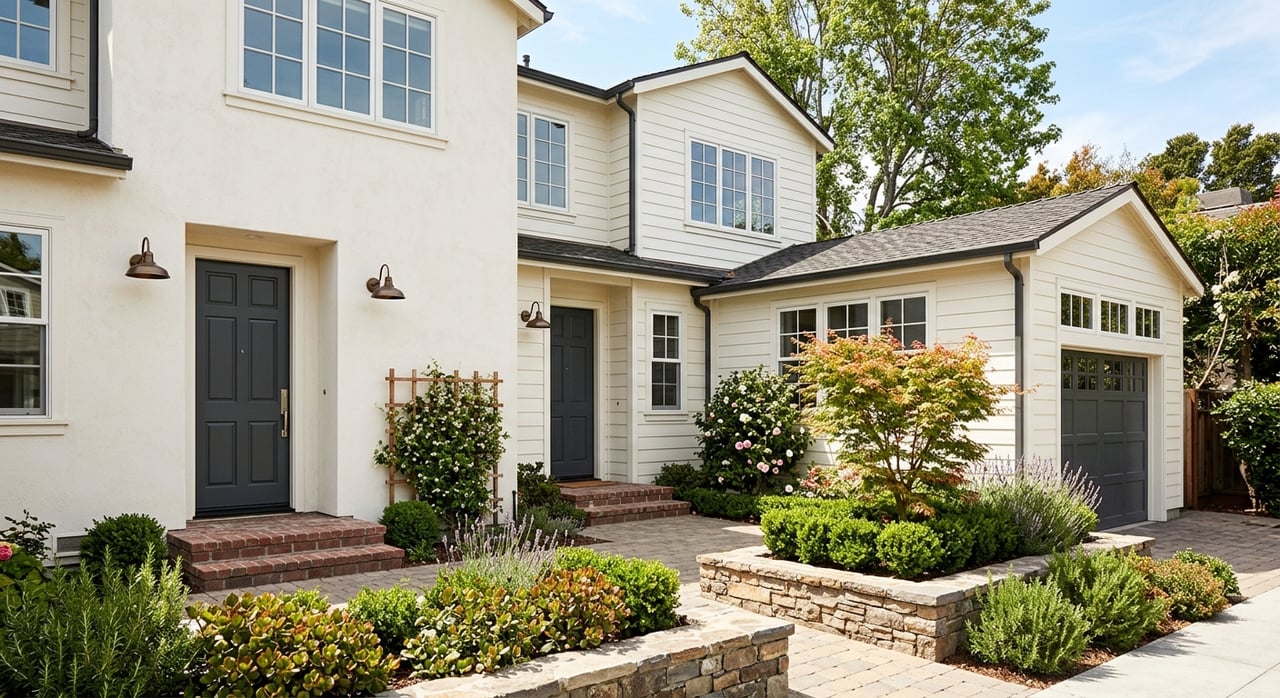
In this pocket, lot utility matters. If your yard, access, privacy, or outdoor flow is a strength, that should shape both pricing and presentation.
Presentation and pricing go together
Your asking price does not work alone. It works with the way your home is prepared, photographed, and introduced to the market.
That is especially true in Lafayette Valley Estates, where lifestyle cues matter. Buyers want to understand the renovation quality, the natural light, the ease of the layout, and how the outdoor areas function in everyday life.
When pricing and presentation support each other, you make it easier for buyers to act quickly and confidently. That is often where the best outcomes begin.
The bottom line for sellers
Strategically pricing a home in Lafayette Valley Estates means understanding what buyers are really buying. In this pocket, that usually includes condition, single-level livability, lot usability, privacy, outdoor flow, and believable upside.
The broader Lafayette market is supportive, with fast timelines and strong sale-to-list performance. But the best results usually come from disciplined pricing, sharp comp selection, and a clear value story from day one.
If you want help evaluating your home’s pricing position, renovation payoff, or market strategy in Lafayette, the Paddy Kehoe Team can help you build a plan that fits your property and your goals.
FAQs
How should you price a home in Lafayette Valley Estates?
- Start with the closest recent comparable sales, then adjust for condition, single-level livability, lot usability, privacy, and renovation or expansion potential.
Does square footage matter for Lafayette Valley Estates home pricing?
- Yes, but it is only one factor. Recent local sales show buyers often pay more for updated condition, usable outdoor space, and a stronger overall property story.
Is Lafayette Valley Estates a seller’s market?
- The broader Lafayette and 94549 market data points to a competitive seller environment, with about 18 days on market and a 102.2% sale-to-list ratio in 94549.
What nearby features support Lafayette Valley Estates home values?
- Nearby features include access to local parks, the Lafayette Community Center, Lafayette Community Park, and the paved Lafayette-Moraga Regional Trail, though sale outcomes are still driven most by the home itself.
Should sellers use Burton Valley or nearby Lafayette comps too?
- Yes, when the homes compete for the same buyers and share similar setting, style, and appeal. Local labels can vary, so broader comp review often leads to better pricing decisions.