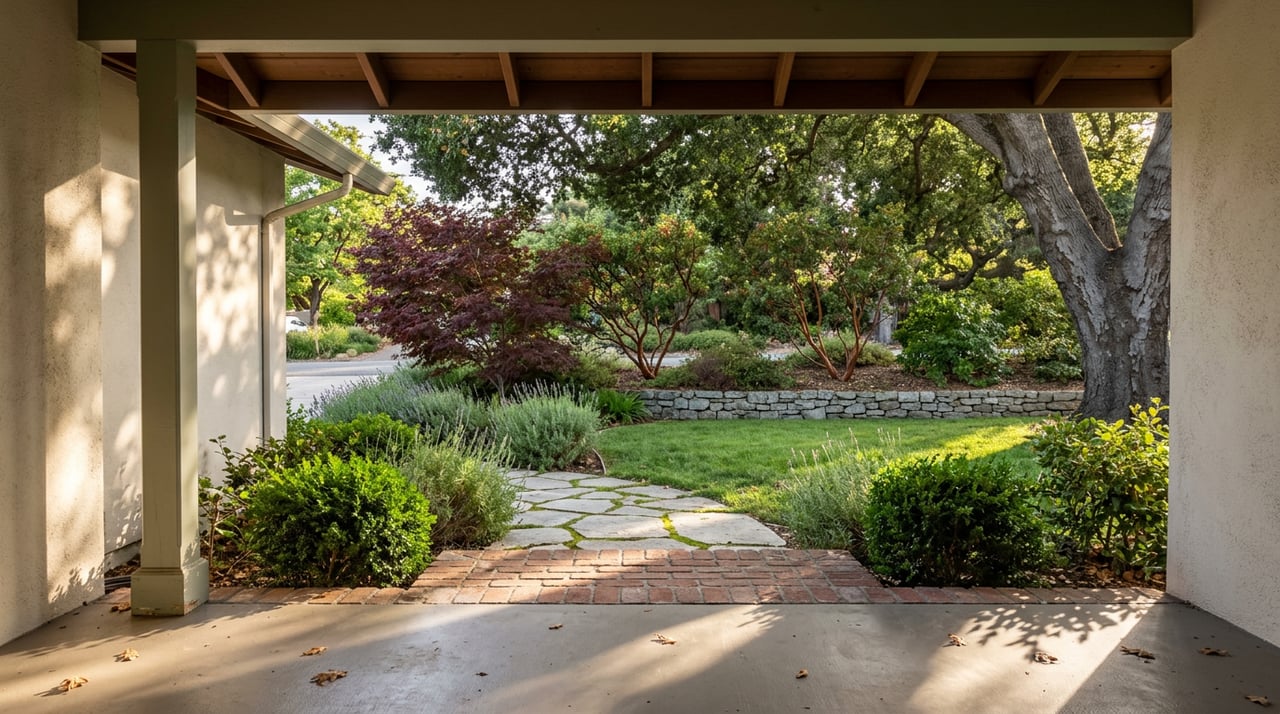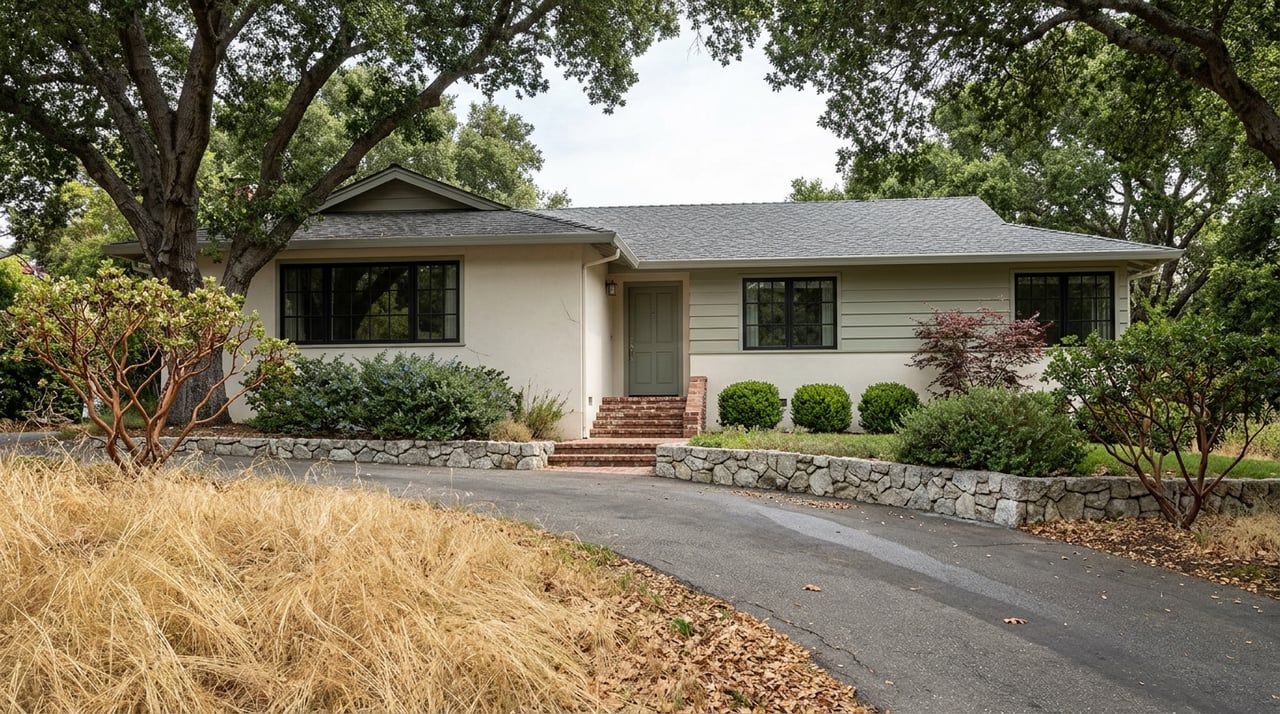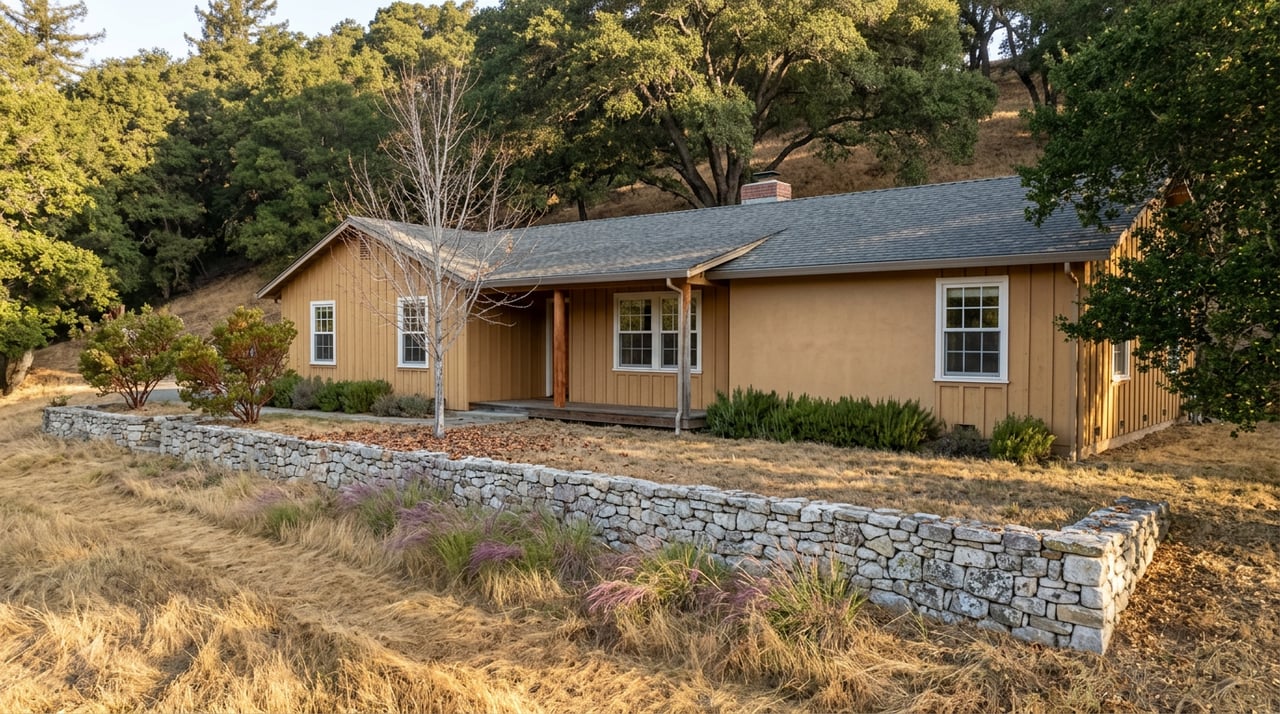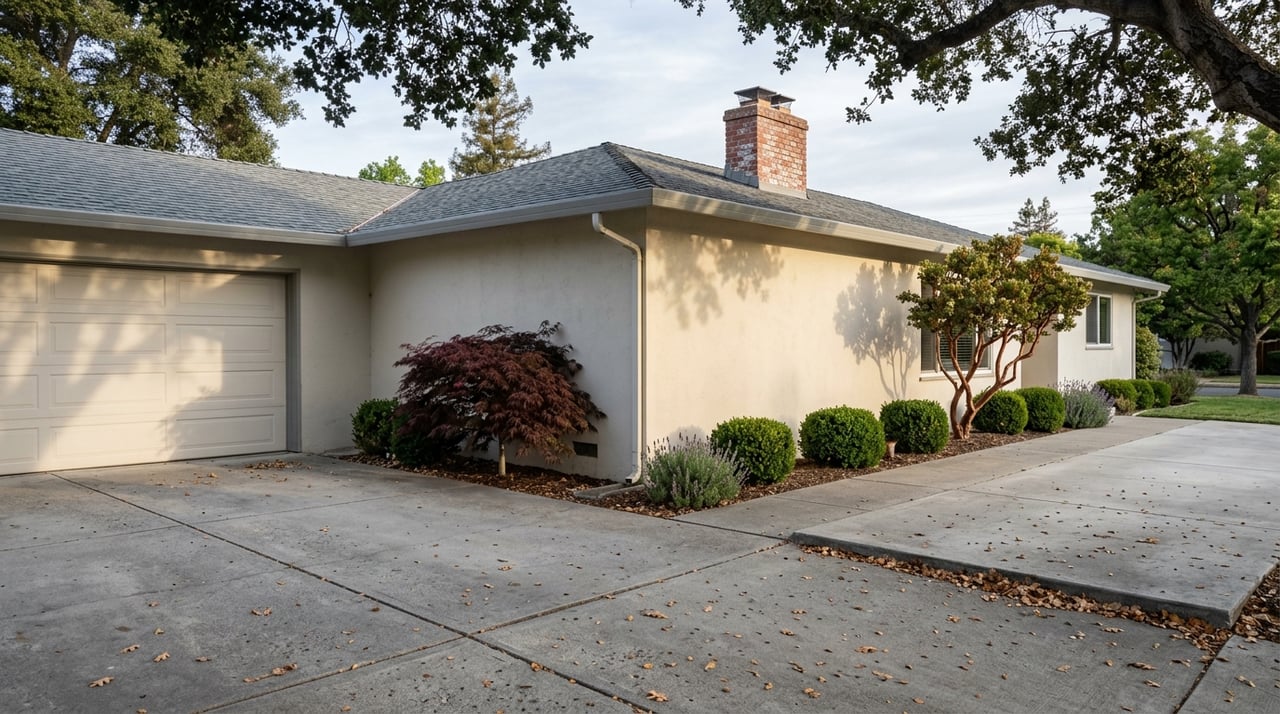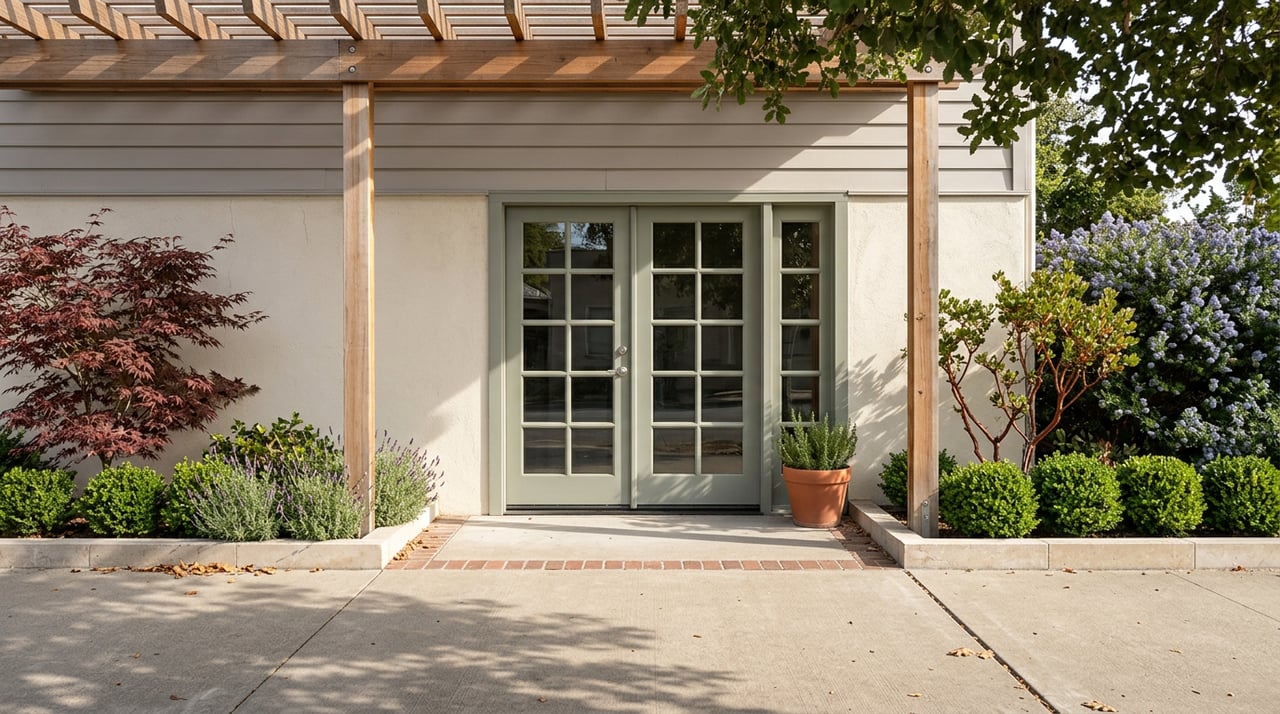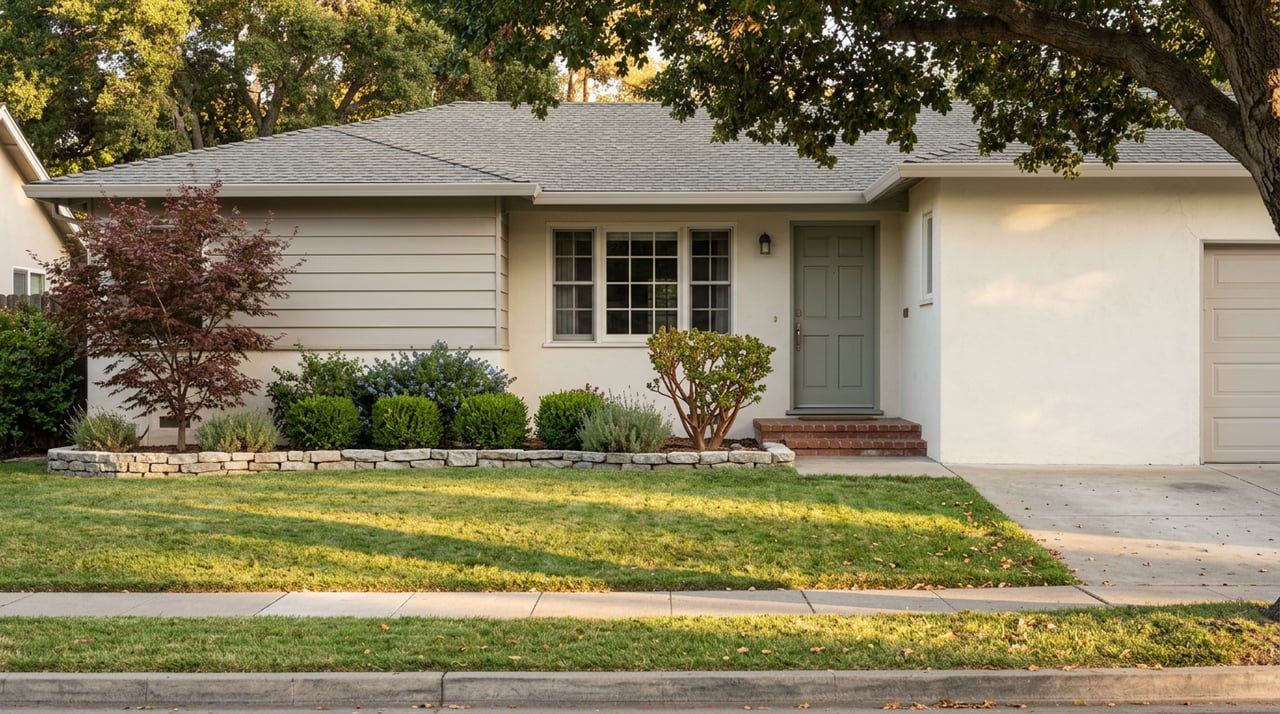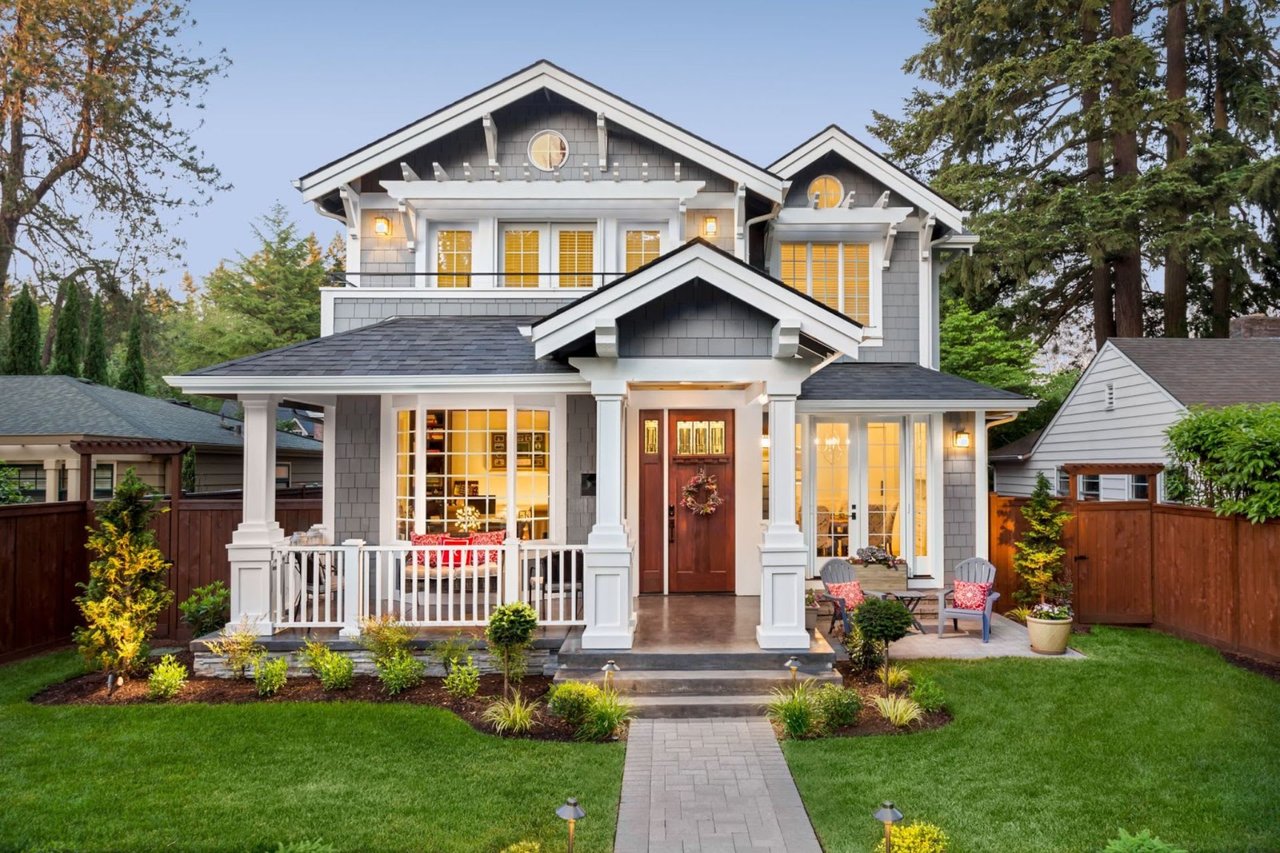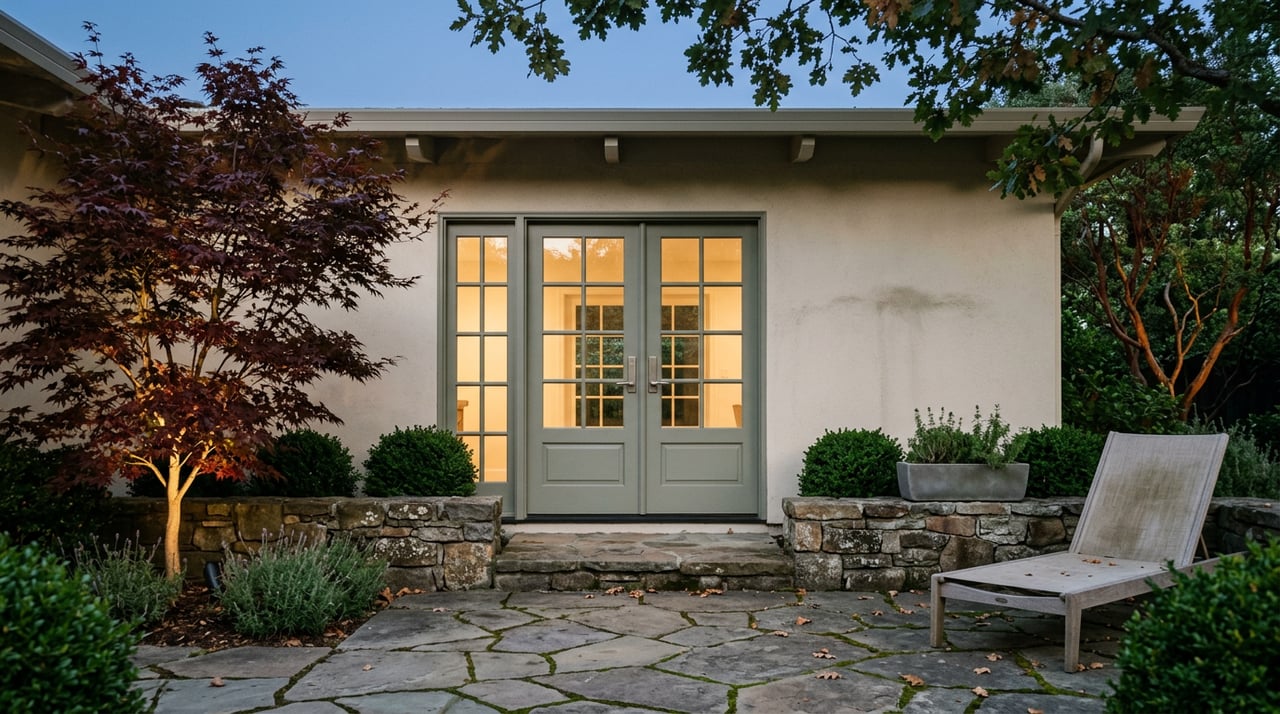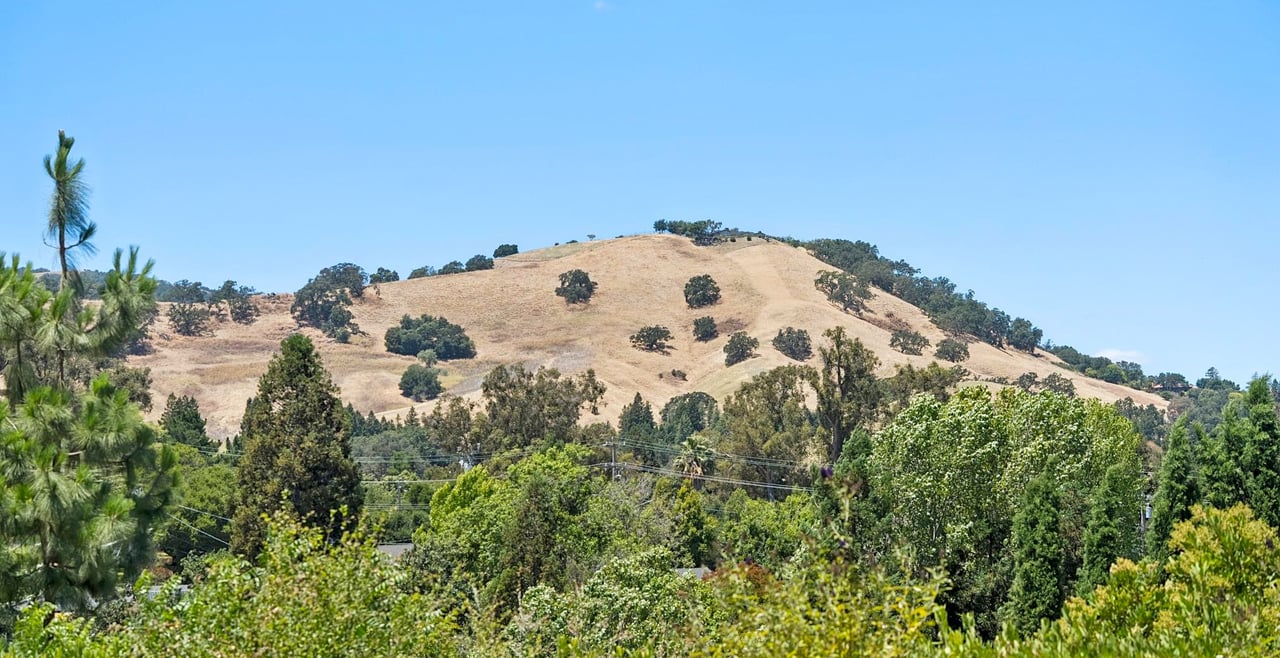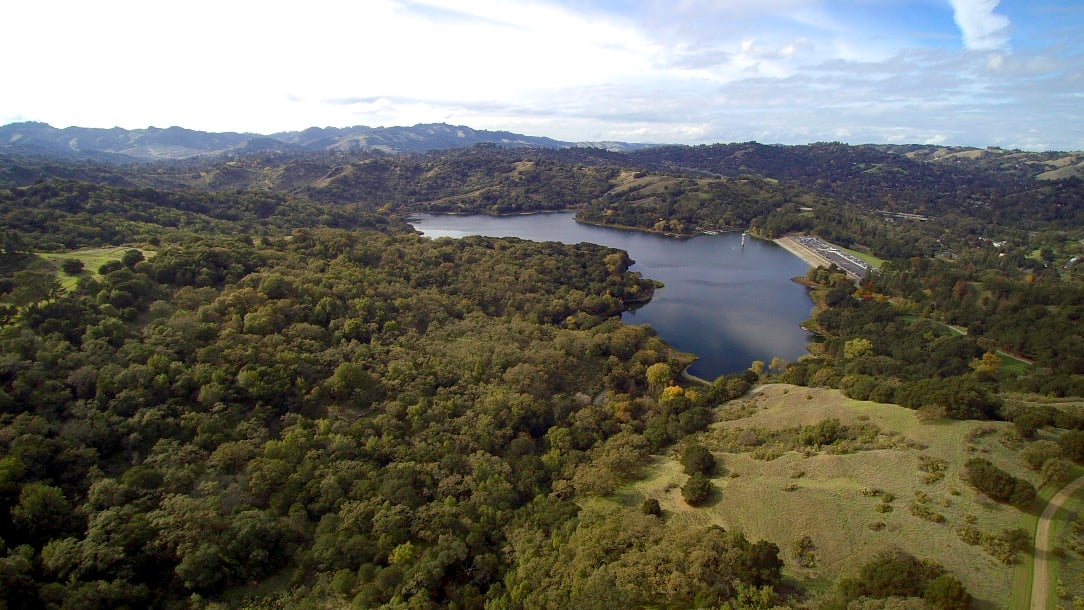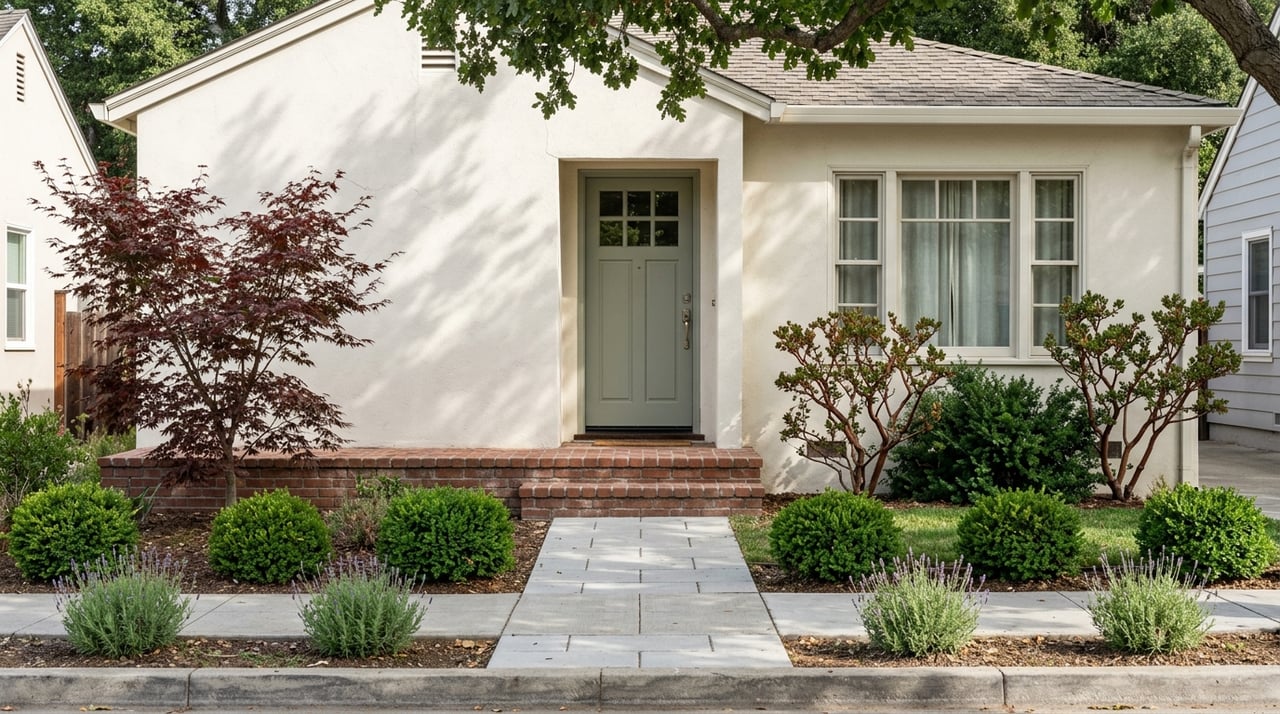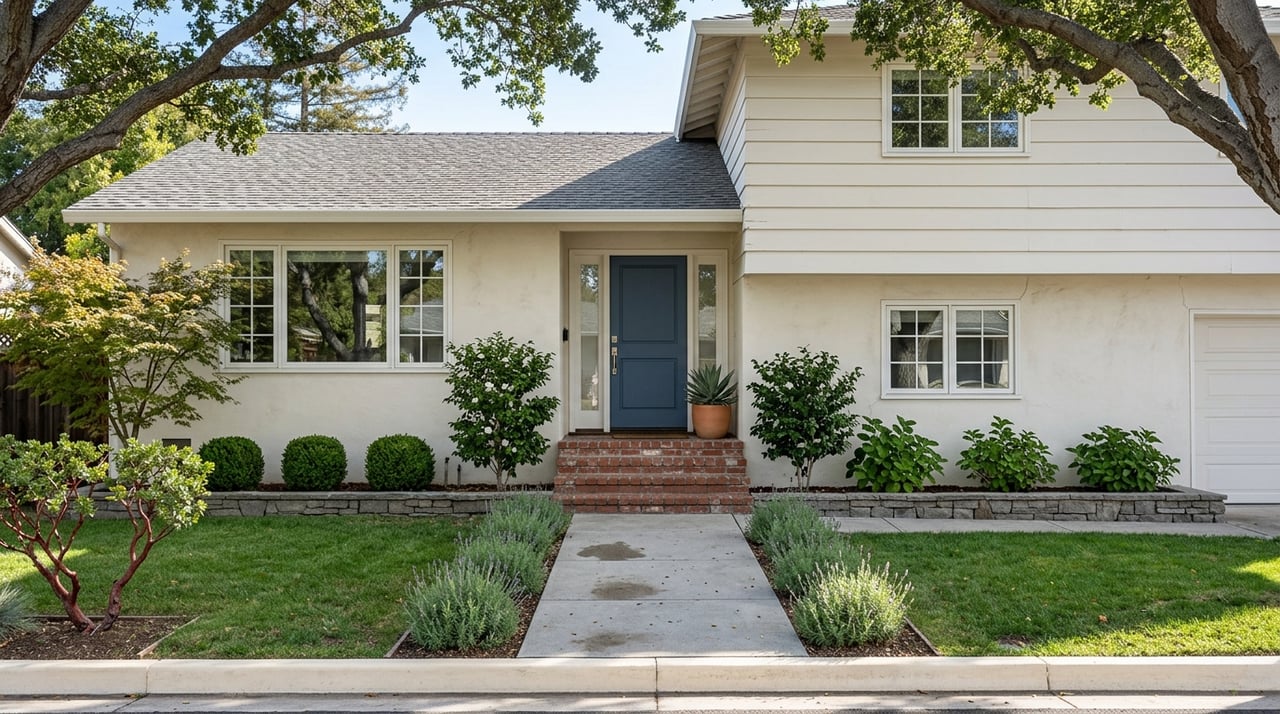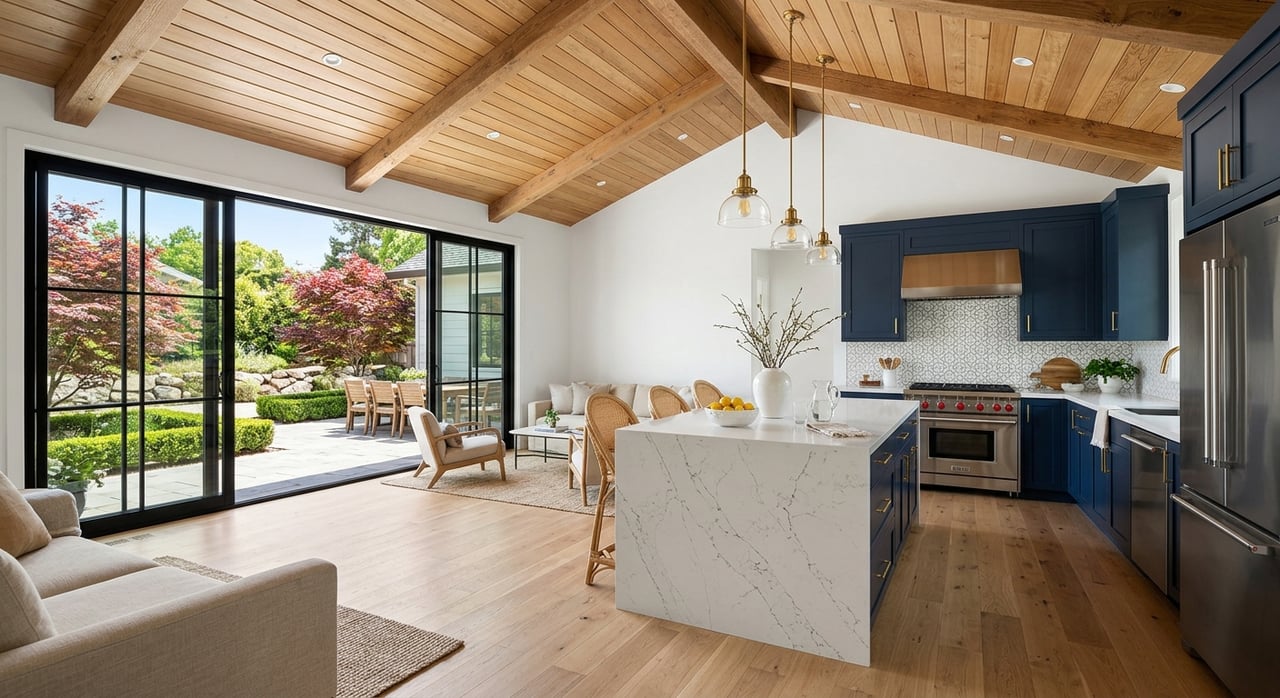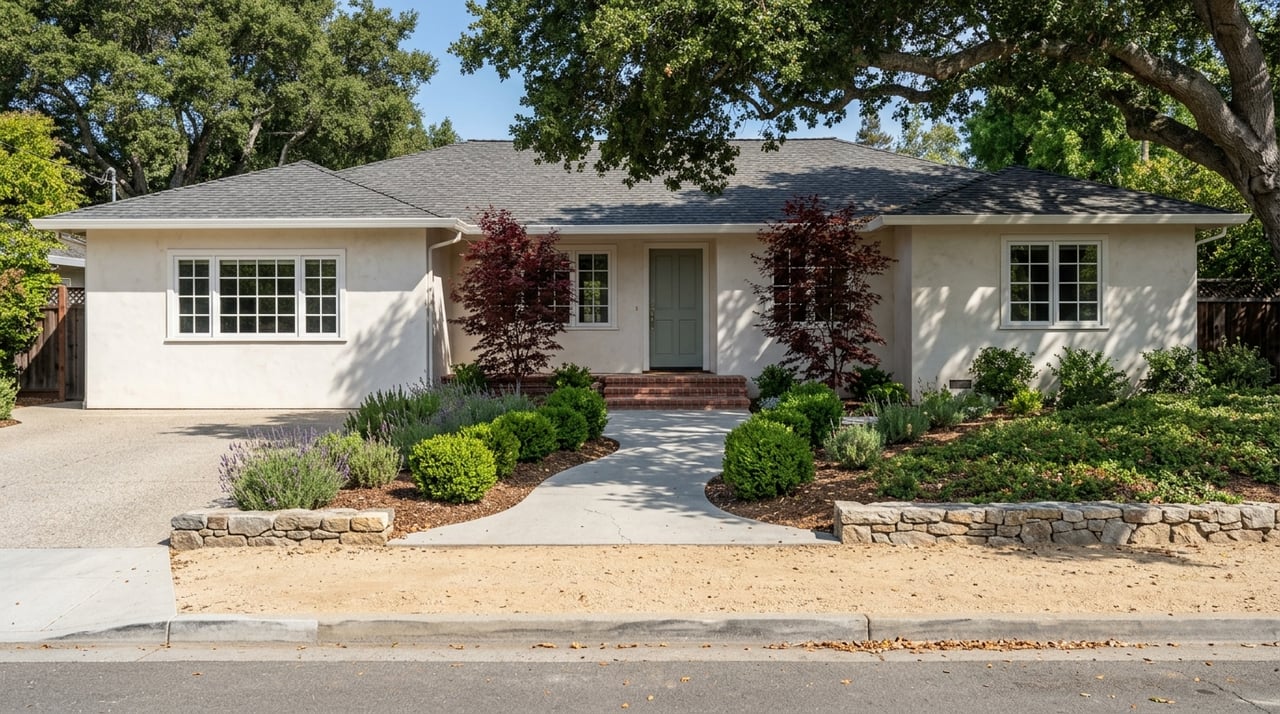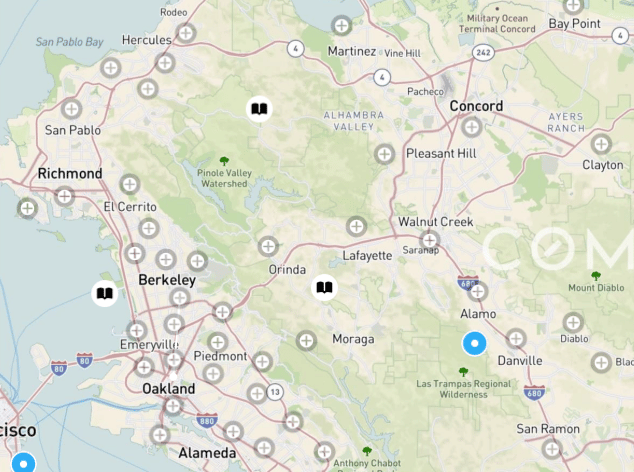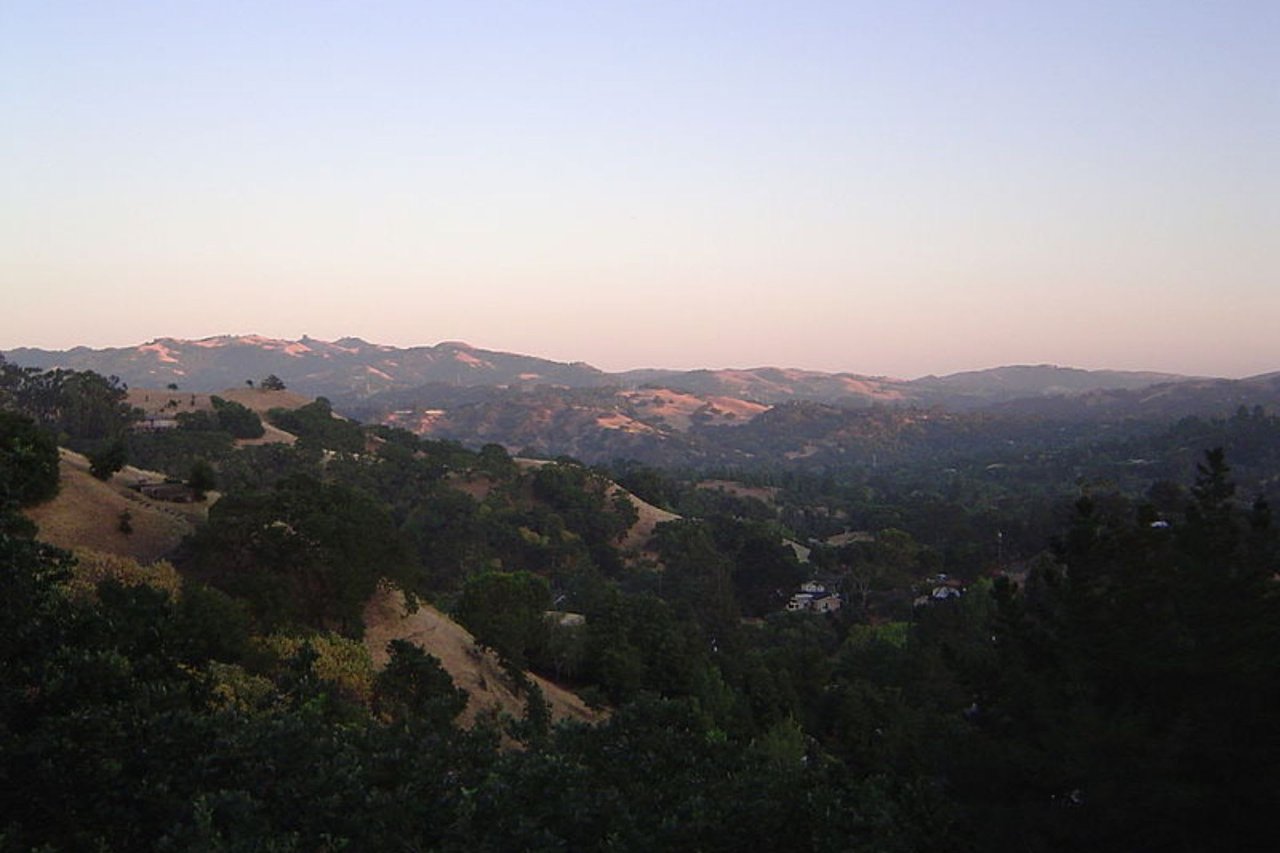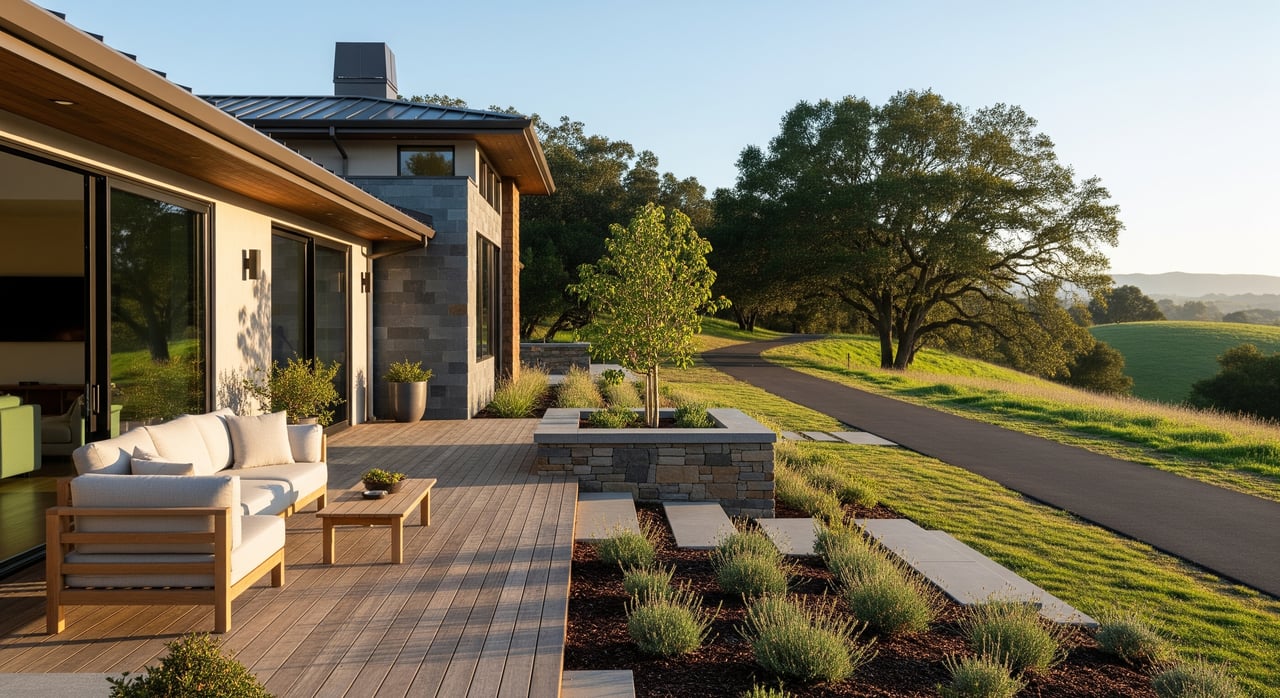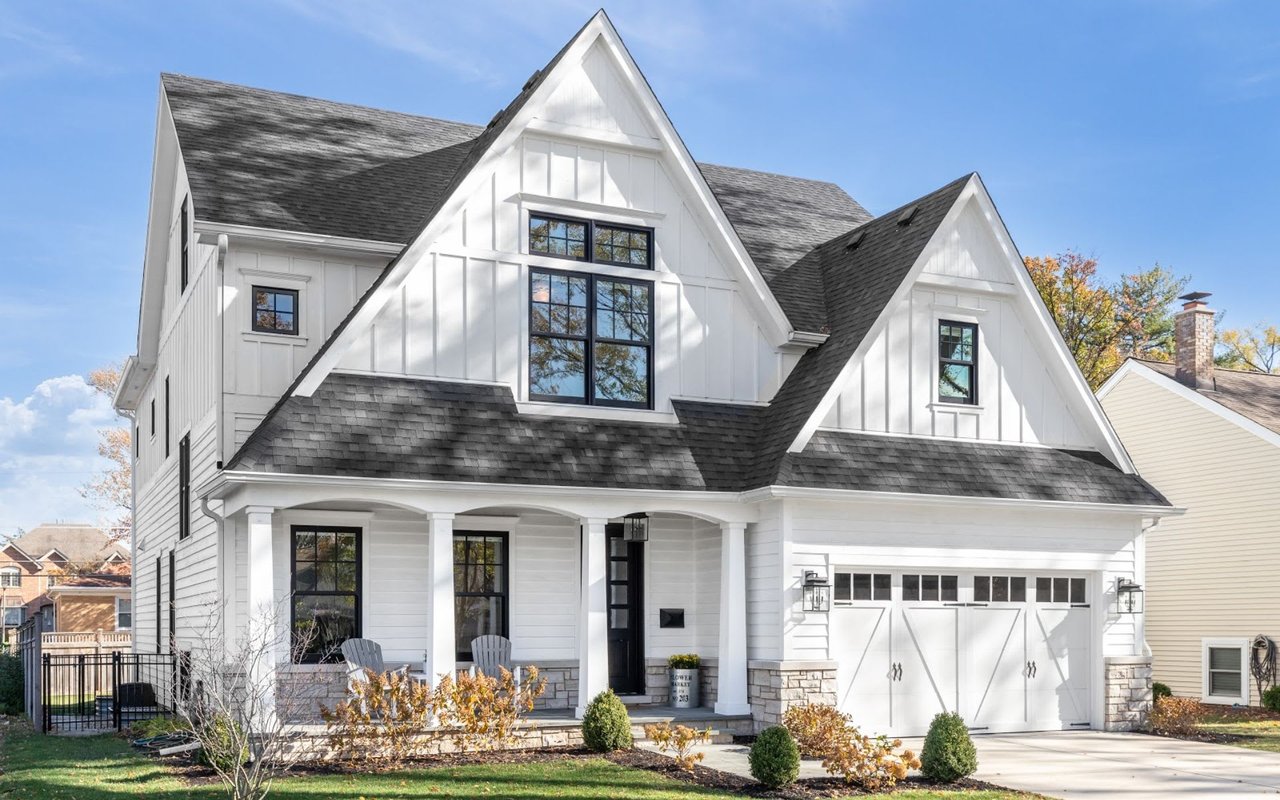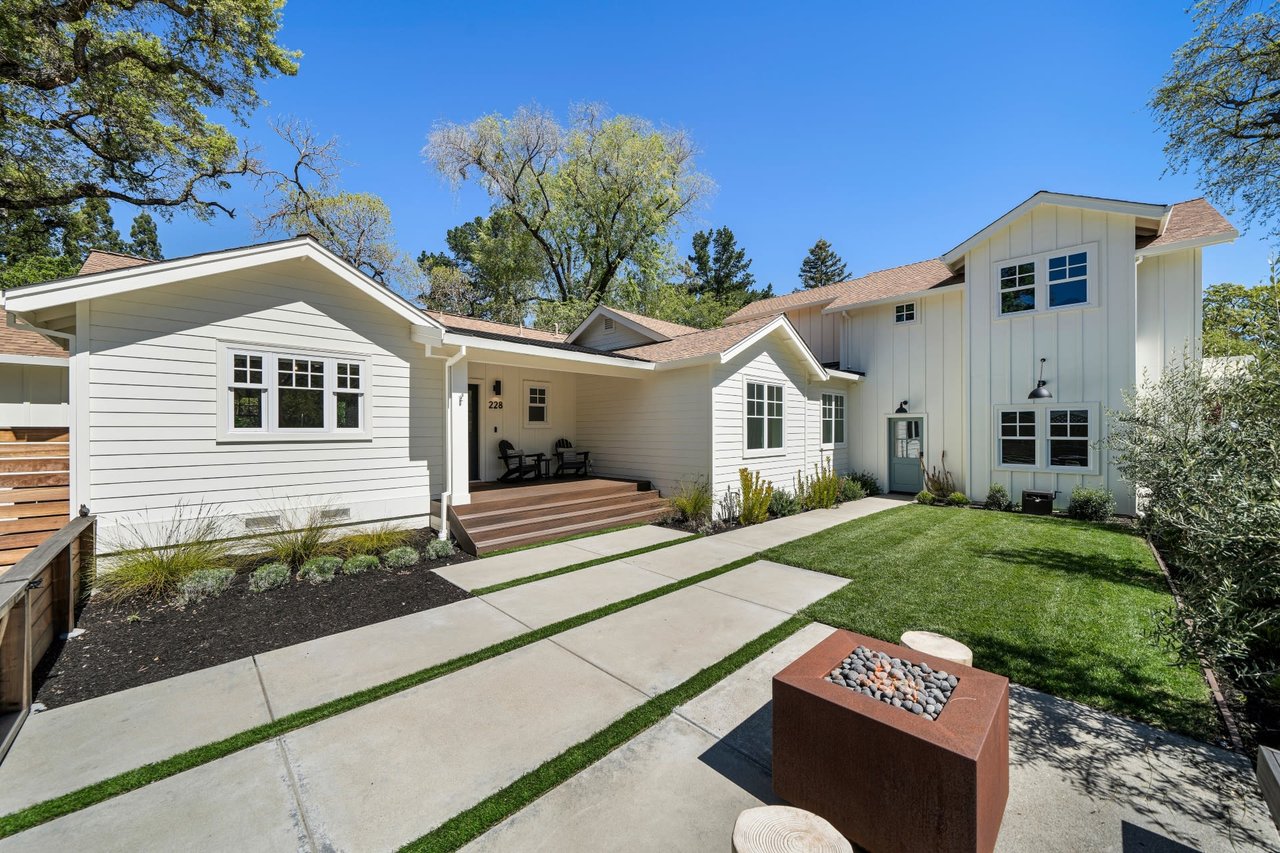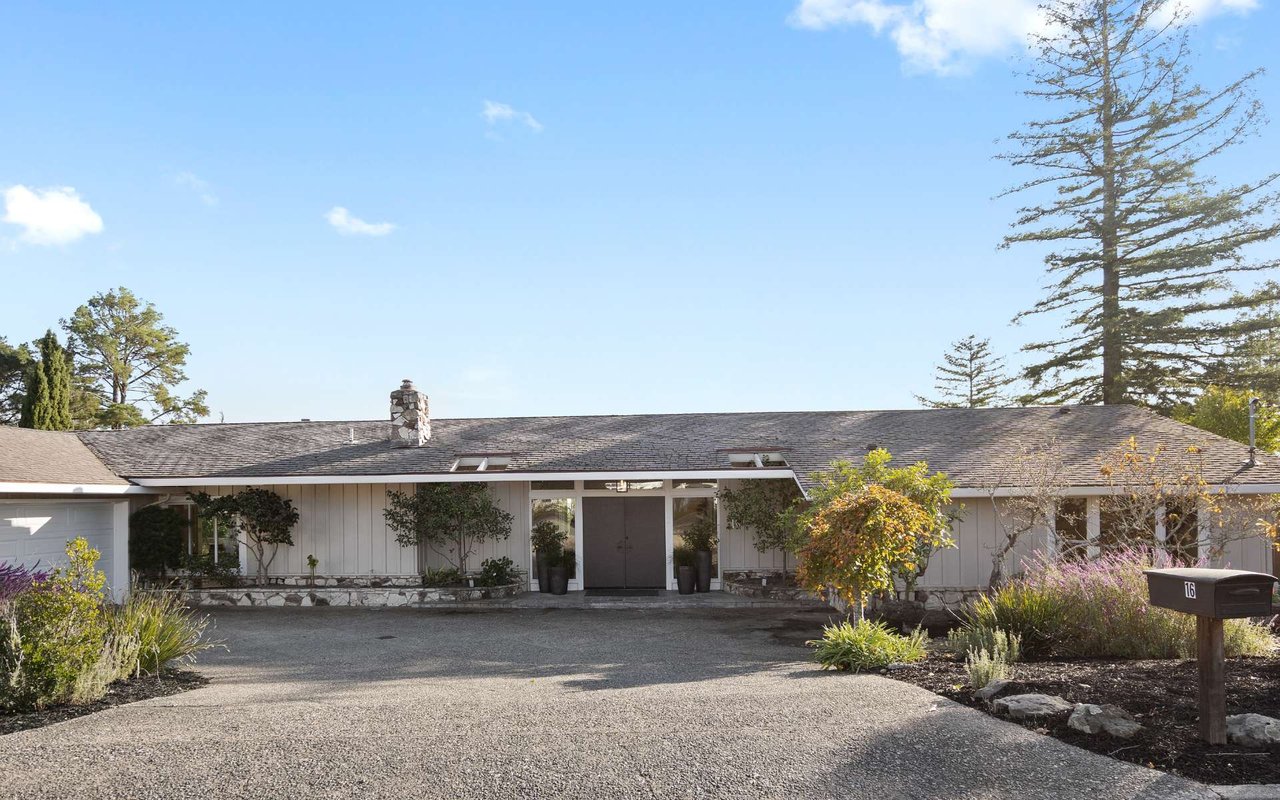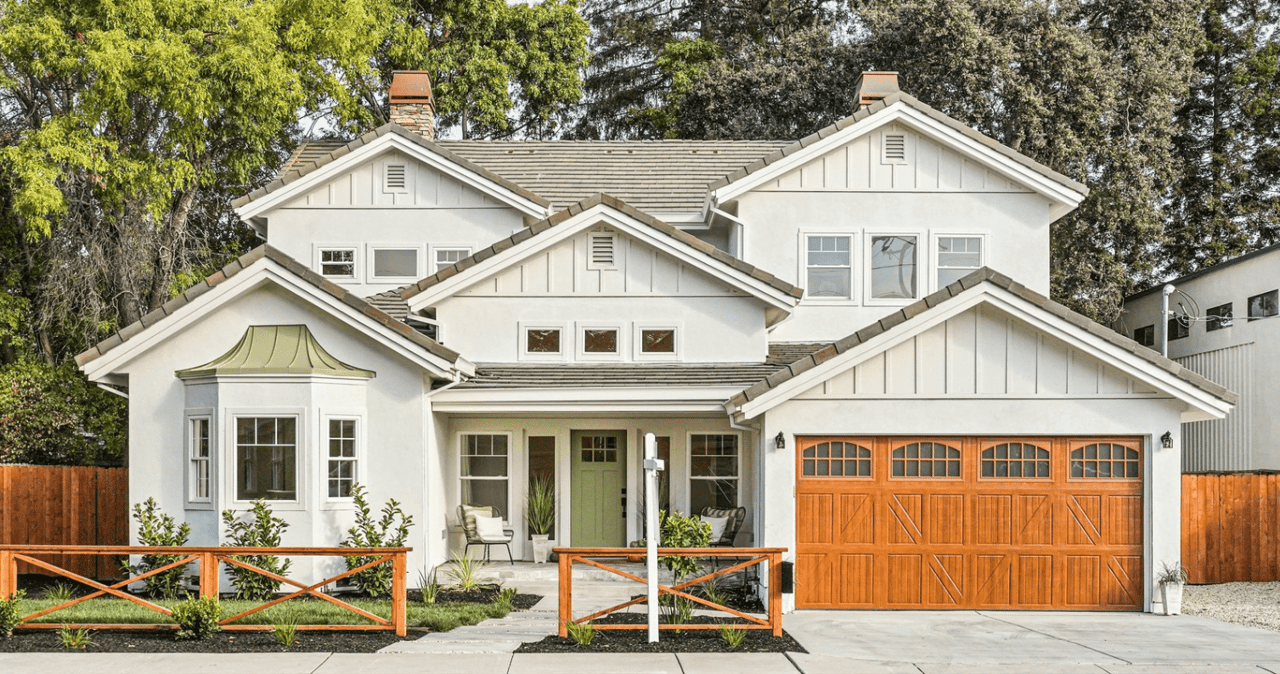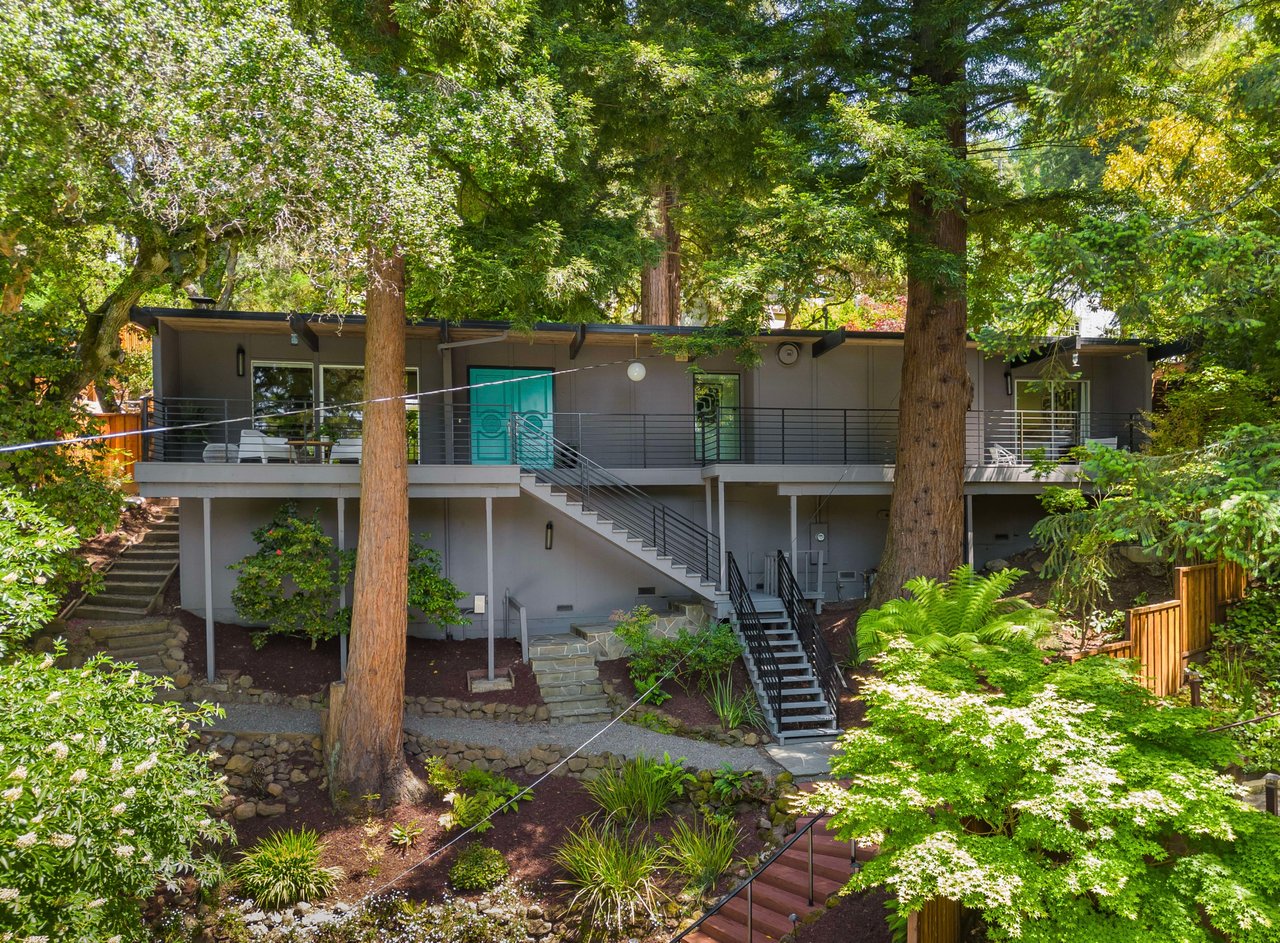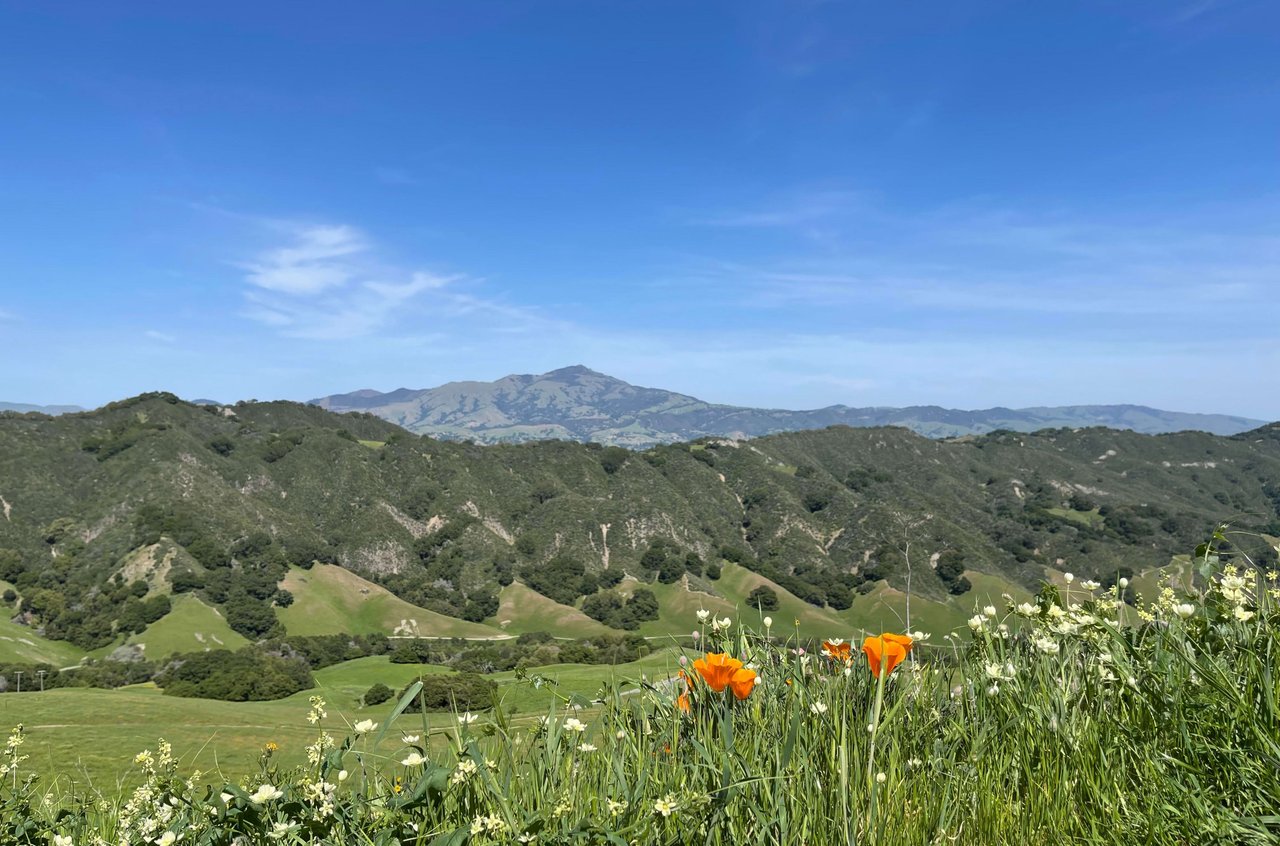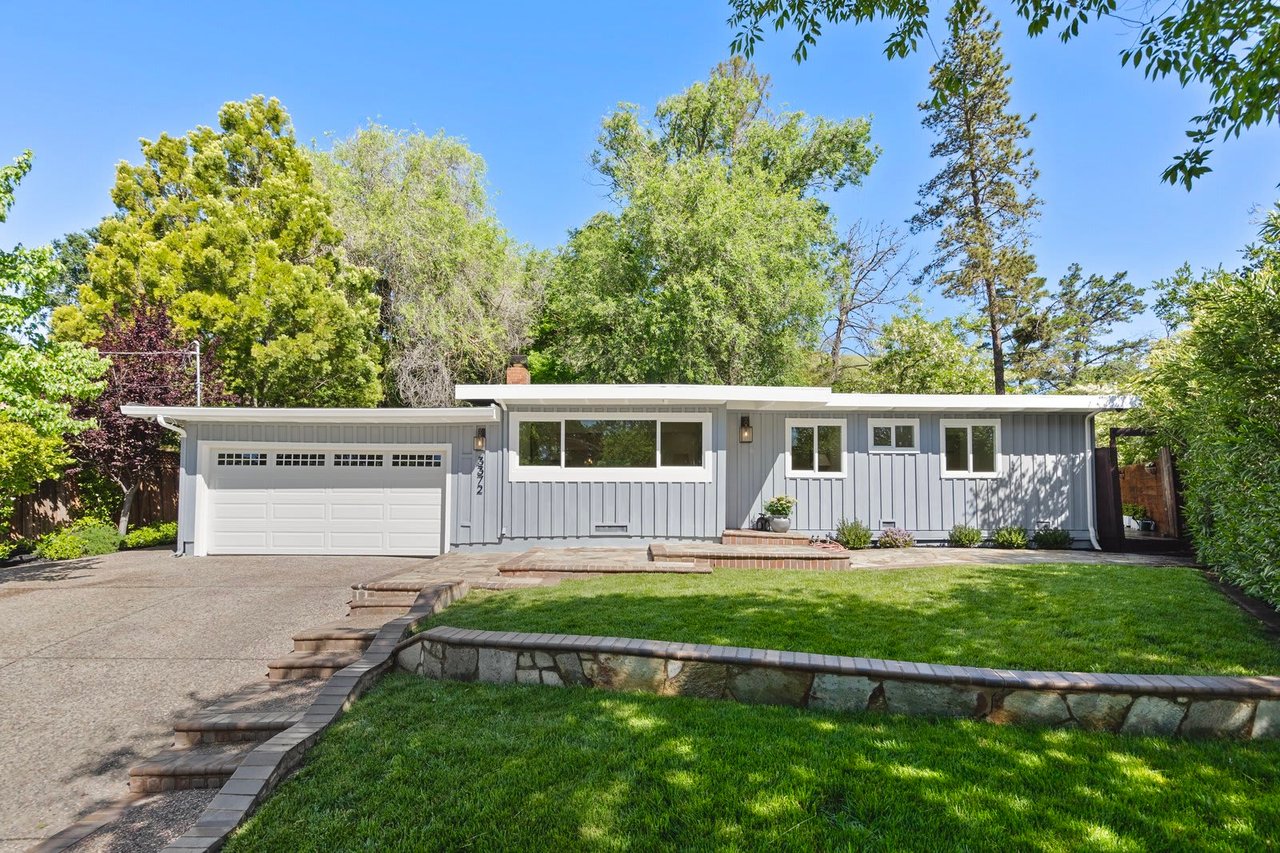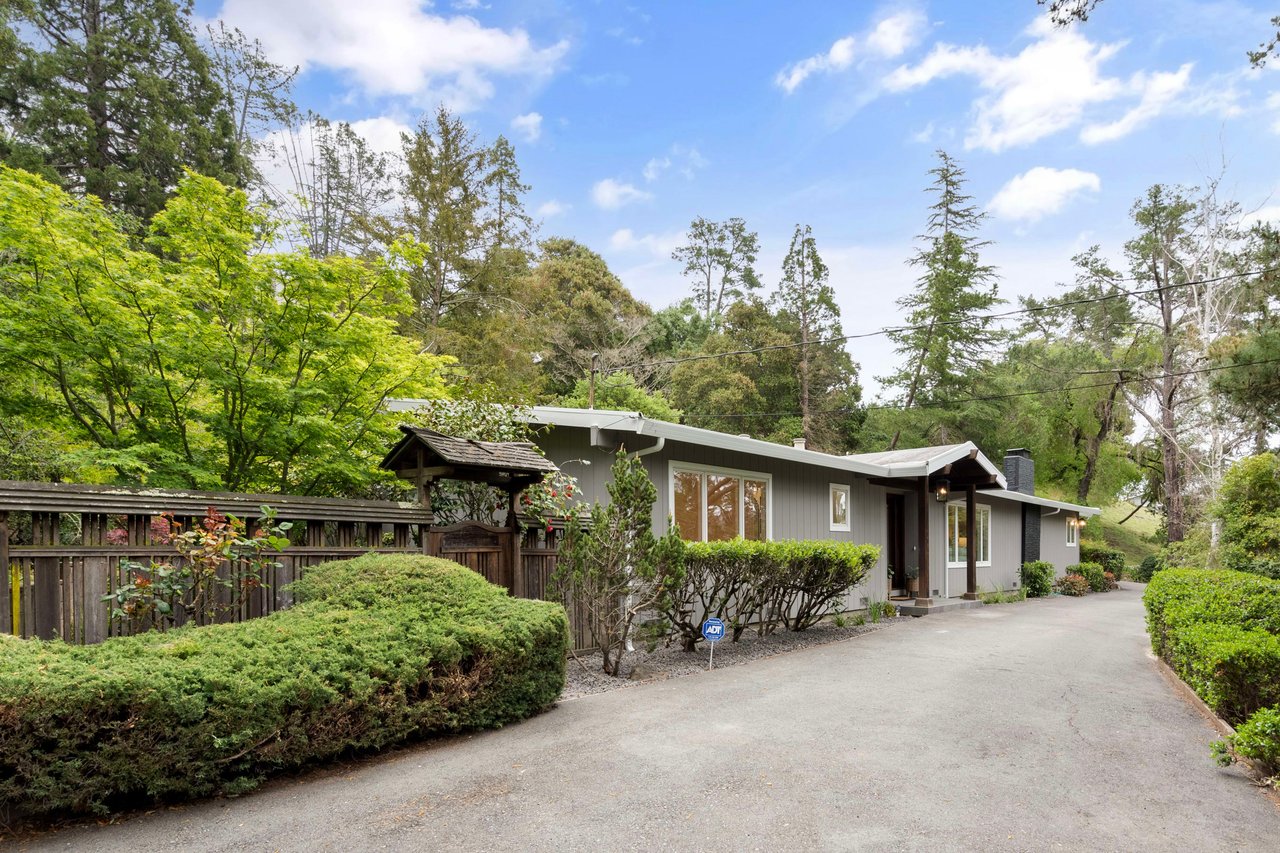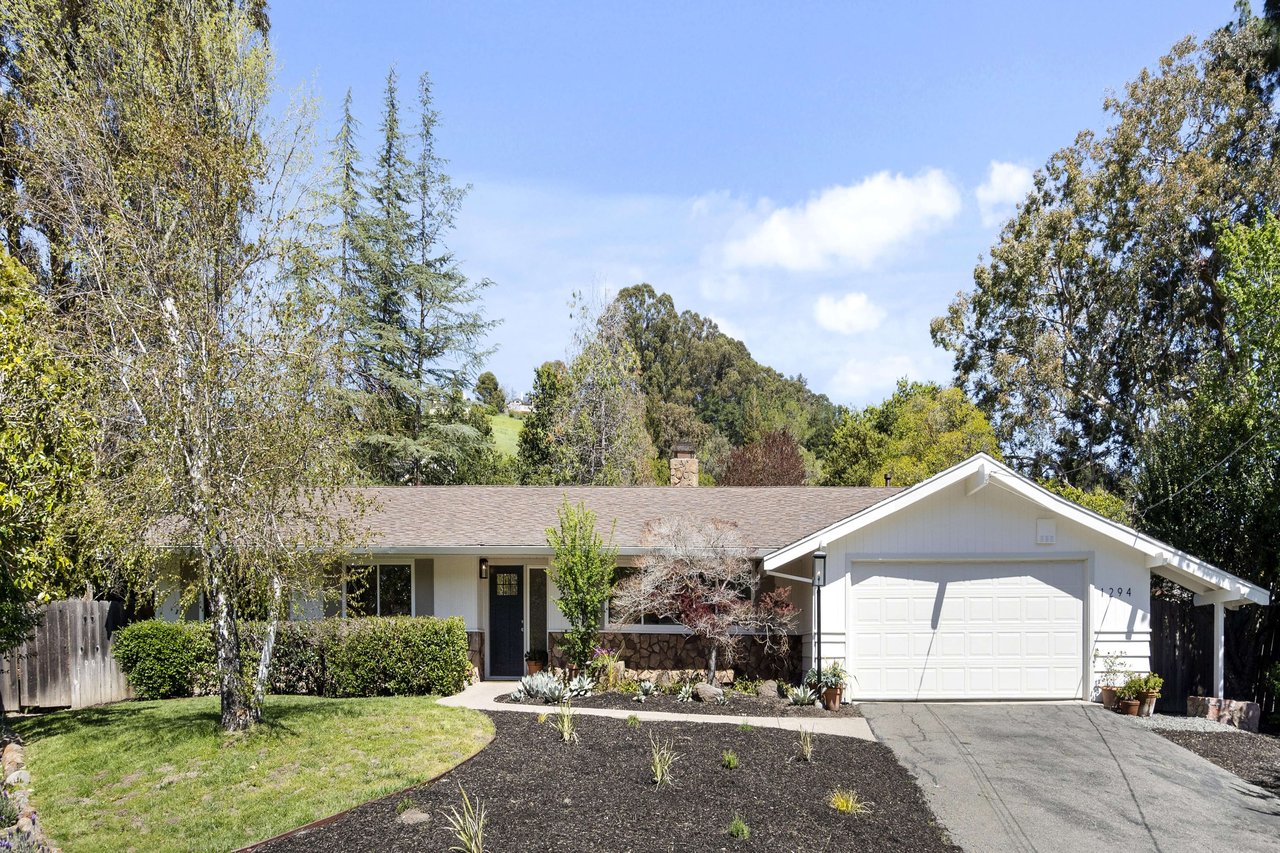
If you live near the Lafayette-Moraga Regional Trail, you already know it is more than a place to take a walk. For many buyers, trail access can shape how a home feels day to day, from morning bike rides to easier routes to parks, schools, and local destinations. If you are buying or selling in Lafayette’s Trail neighborhood, understanding how this shared amenity affects buyer interest can help you make smarter decisions. Let’s dive in.
Why the Lafayette-Moraga Trail stands out
The Lafayette-Moraga Regional Trail is a 7.65-mile paved linear park that runs along St. Mary’s Road through Lafayette and Moraga. According to the East Bay Regional Park District, it is designed for hiking, bicycling, and equestrian use, and it is wheelchair accessible.
The trail runs from the Olympic Boulevard and Pleasant Hill Road staging area in Lafayette to the Valle Vista staging area near Moraga. It also connects to schools, local parks, regional trails, and downtown Moraga, which gives nearby homes a useful mix of recreation and everyday convenience.
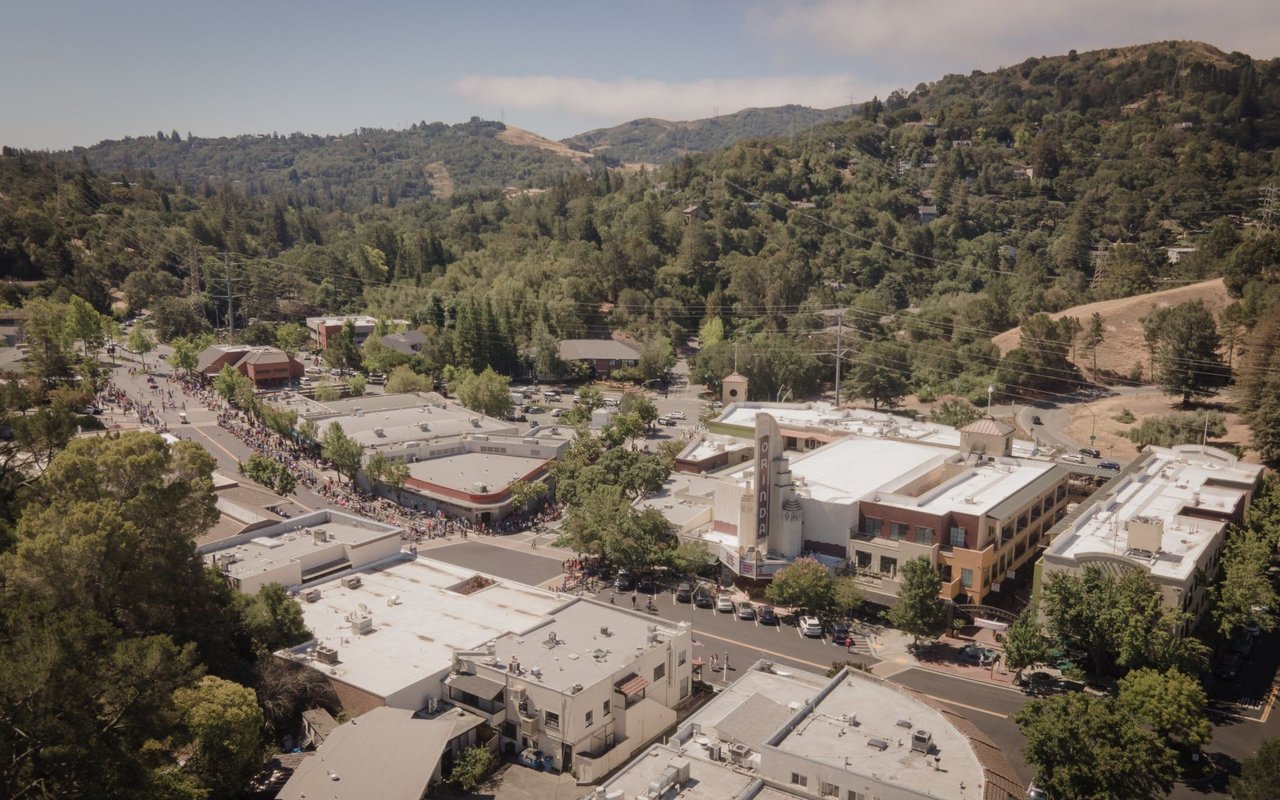
That matters in Lafayette because the trail is not an isolated feature. The City of Lafayette says the city has about 16 miles of city-managed trails plus a Community Park trail network, along with a broader 17.5-mile Lamorinda Trail Loop linking Lafayette, Moraga, and Orinda.
How trail access shapes buyer appeal
Buyers often respond strongly to homes that make daily life easier. National survey data cited in the research report found that 79% of respondents said walkability is very or somewhat important, and 78% said they would pay more for a home in a walkable community.
The same survey found that 50% rated sidewalks and places to take walks as very important, while 41% said being within an easy walk of community amenities was very important. Nearby bike lanes and paths also mattered, with 22% rating them as very important.
In practical terms, a home near the Lafayette-Moraga Trail may attract buyers who picture themselves using it often. That can include walking the dog, getting in a run before work, biking with family, or using a more connected route to parks or transit.
For some buyers, access like this can help offset tradeoffs elsewhere. The research report notes that many people would choose a more walkable location and a shorter commute even if that means a smaller yard or a different home style.
What this means for Trail neighborhood homes
In Lafayette’s Trail neighborhood, proximity to the trail can broaden a home’s appeal. It gives you a lifestyle feature that is easy for buyers to understand because they can imagine how they would use it in real life.
That said, trail access should be framed carefully. The strongest conclusion from the research is not that every nearby home will sell for a premium, but that trail proximity is a meaningful amenity that can strengthen buyer interest.
This distinction matters. Buyers do not value amenities in a vacuum. They weigh trail access alongside lot size, privacy, condition, layout, outdoor space, and overall convenience.
Does being near the trail raise home value?
The research suggests that trails and greenways often support property values, but results vary by location and trail type. A 2019 review cited in the research report found that only 6% of respondents in reviewed studies perceived a negative effect on property value, while 47% of respondents living near urban trails believed the trail increased value.
The same review found that nearby homes in many studies sold for roughly 3% to 5% more than comparable homes. Still, the report makes clear that outcomes vary based on the local setting, visibility, and the type of trail.
For Lafayette, the most reliable takeaway is simple: the Lafayette-Moraga Trail can make a home more attractive to a wider group of buyers, but it does not guarantee a specific price bump. In a market where lifestyle and outdoor living matter, that broader appeal can still be meaningful.
The biggest advantages for sellers
If you are selling a home near the trail, the goal is to connect location with daily lifestyle. Buyers respond best when the benefit feels concrete and believable.
The research report suggests that trail-oriented buyers are most likely to care about exact, verifiable access details. Instead of vague language, stronger positioning focuses on facts such as direct trail access, a short walk to a staging area, or proximity to a connector route.
That kind of precision builds trust. It also helps buyers understand how the location fits into their routines rather than treating the trail as just another line in the property description.
Features that pair well with trail access
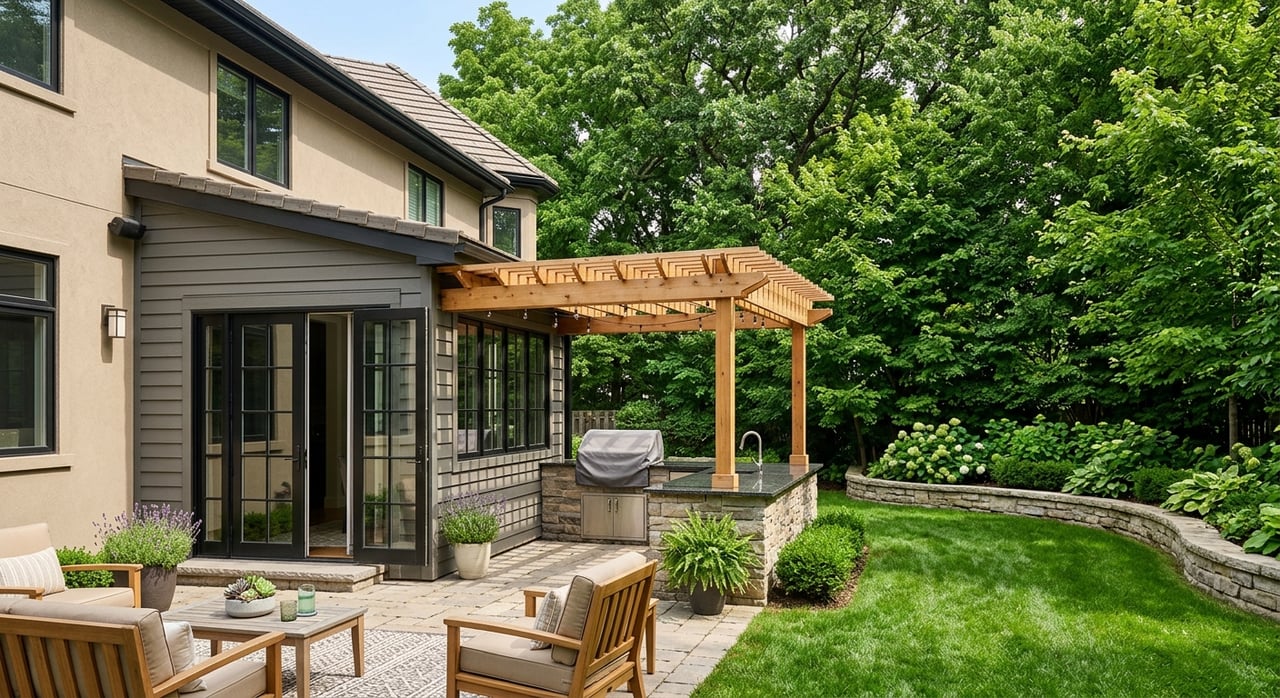
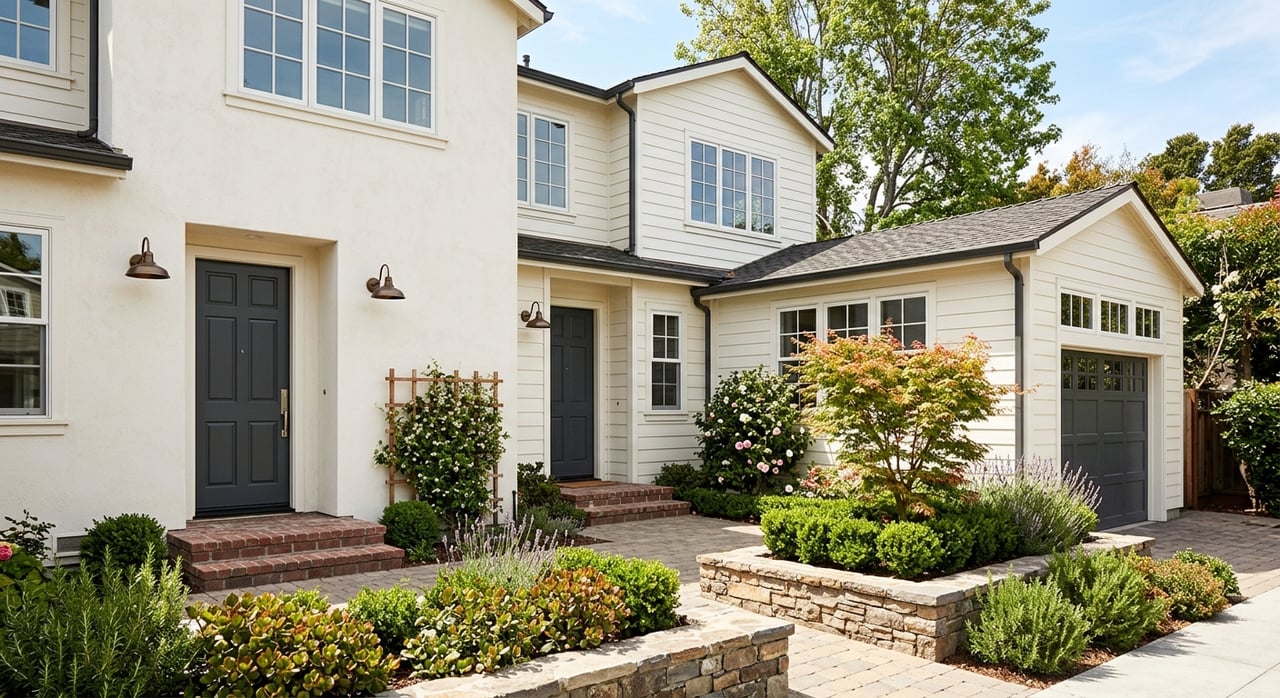
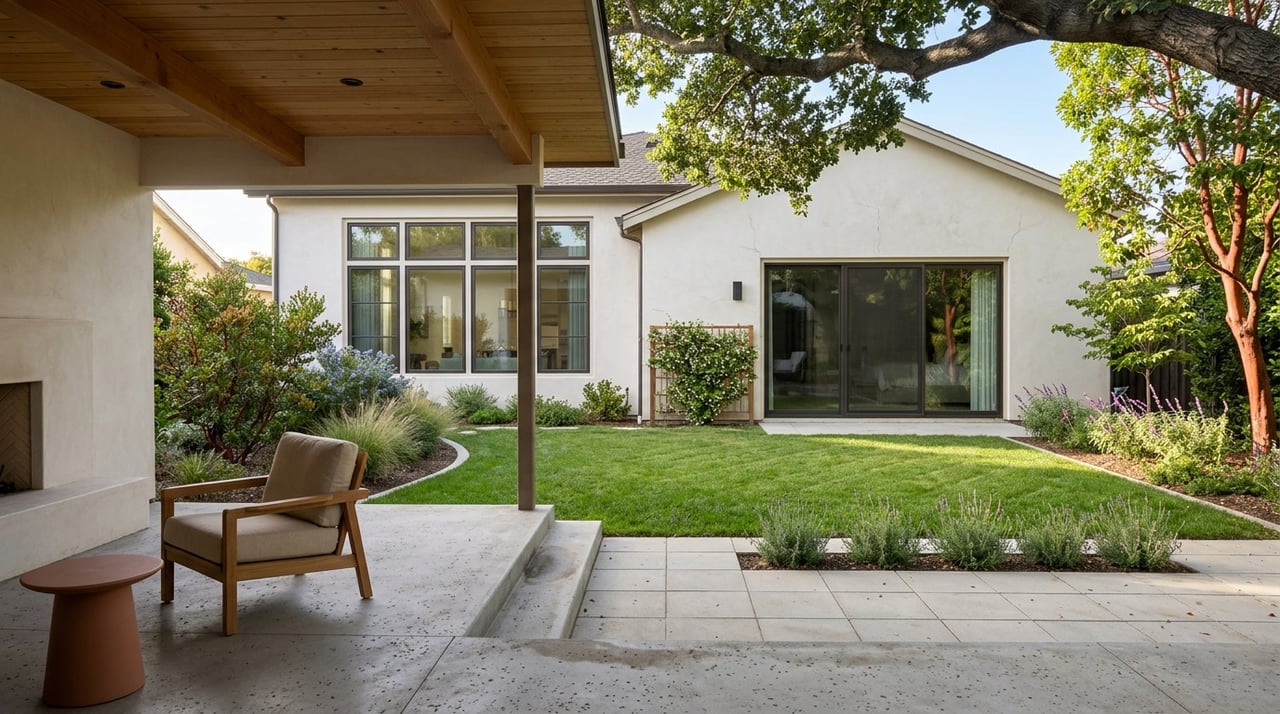
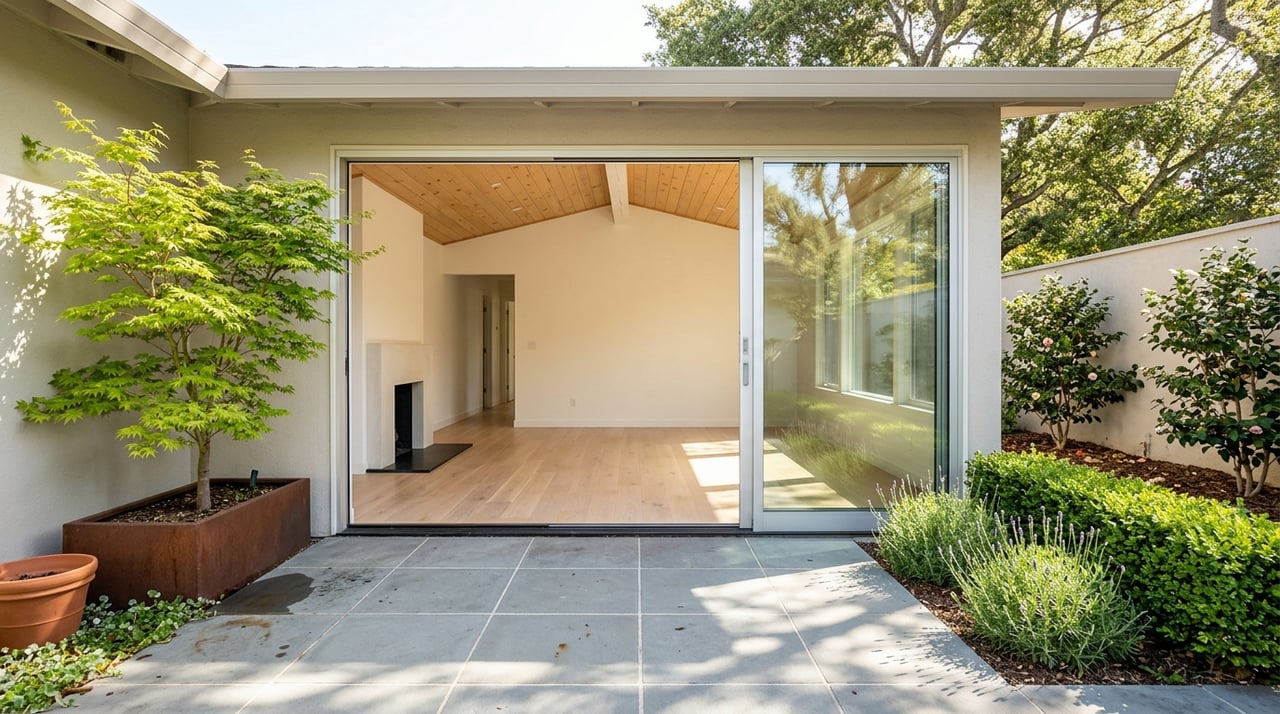
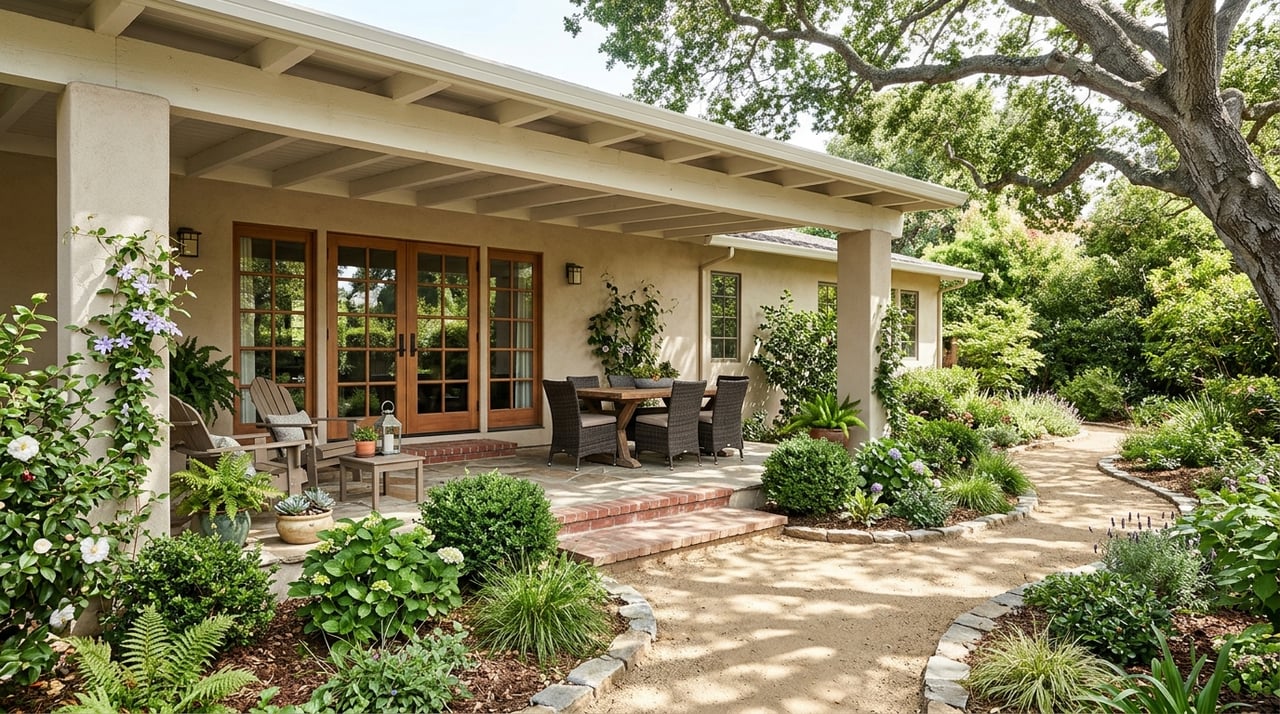
Trail proximity tends to resonate most when the home also supports active, outdoor living. Buyers may be especially responsive to features such as:
- Usable patios or decks
- Easy indoor-outdoor flow
- Privacy screening or fencing
- Thoughtful landscaping
- Storage for bikes, strollers, or gear
- A mudroom or drop-zone area
These features help a buyer connect the location to the way they want to live. A home that pairs trail access with practical function often tells a stronger story than location alone.
Tradeoffs buyers still consider
Trail access is valuable, but it does not replace every other priority. The research report notes that buyers still rank a large house and a large yard among the most desired home features, even as walkability rises in importance.
That means homes near the trail are often evaluated as a balance. A modest yard may feel more acceptable when the property offers easy access to walking and biking routes, but buyers will still pay attention to privacy, layout, and outdoor usability.
For sellers, this is where smart preparation can make a difference. If your home is close to the trail but has a smaller lot or an older layout, improvements that enhance flow, storage, curb appeal, or outdoor function may help buyers better appreciate the full package.
How to market a trail-adjacent home well
Good marketing starts with accuracy. Since the Lafayette-Moraga Trail is a public amenity maintained by the East Bay Regional Park District, sellers should avoid language that suggests private or exclusive use unless that is truly the case.
The safest and strongest approach is to describe the trail as a shared neighborhood amenity that adds recreation, convenience, and connectivity. That keeps the message factual while still highlighting the value buyers care about.
In practice, strong positioning often includes:
- Clear reference to nearby trail access points
- Honest descriptions of walking or biking convenience
- Photos that show outdoor living spaces in use
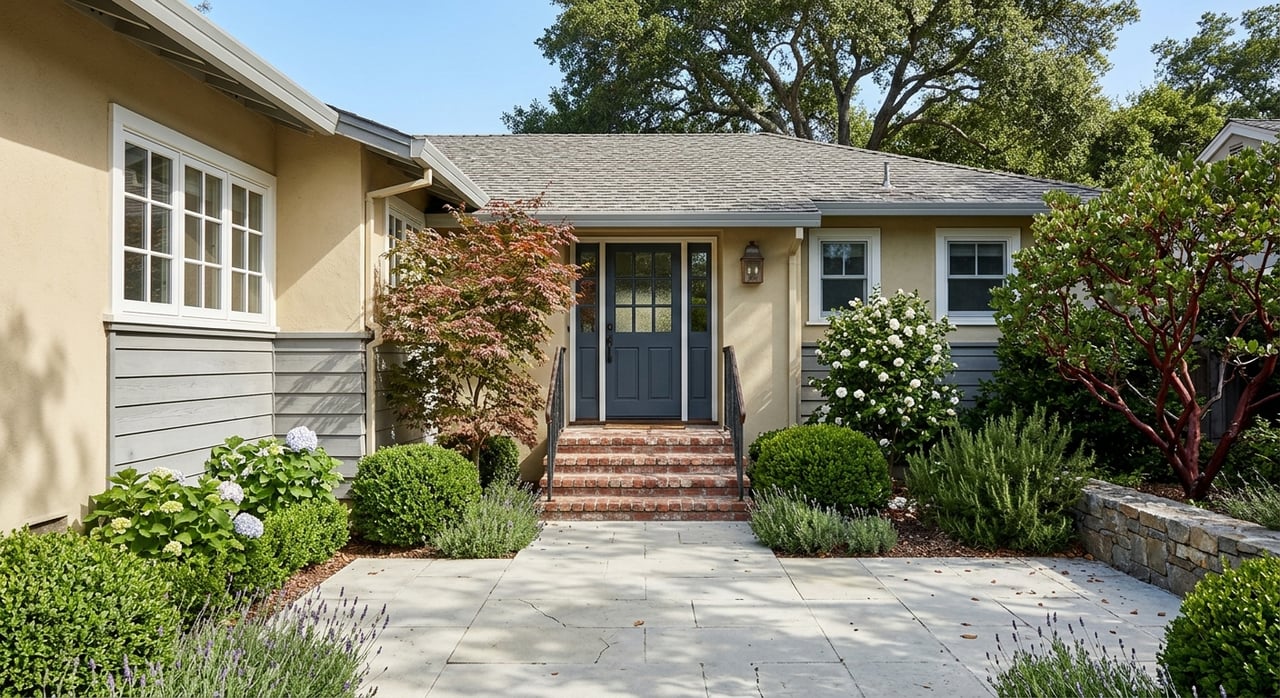
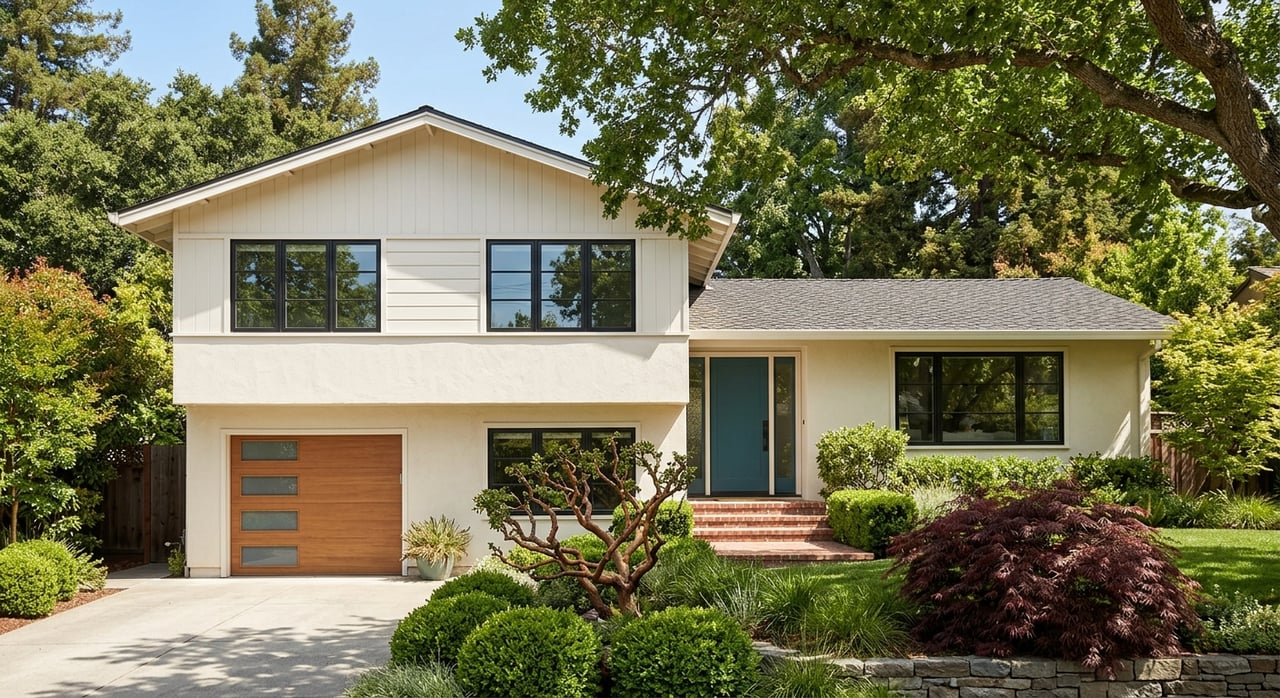
- Attention to curb appeal and landscape presentation
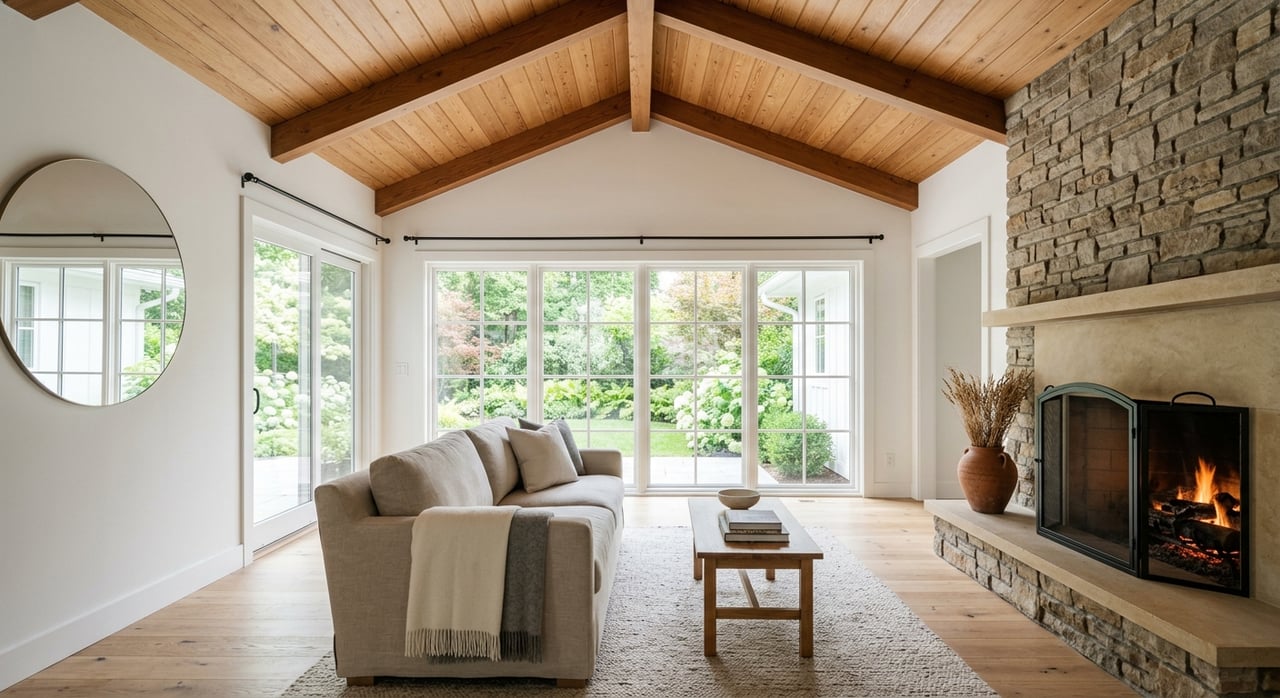
- Interior staging that highlights ease, flow, and storage
This is also where local knowledge matters. In a neighborhood like Trails, buyers are not just comparing square footage. They are comparing how each home supports their day-to-day routine.
Why local strategy matters in Lafayette
Not every market interprets trail proximity the same way. In Lafayette, outdoor living, connected neighborhoods, and practical convenience all play an important role in how buyers evaluate homes.
That creates an opportunity for sellers who prepare thoughtfully. A well-positioned home near the Lafayette-Moraga Trail can stand out not because of hype, but because it offers a lifestyle buyers already want.
For buyers, trail access can also be a smart lens for decision-making. If you are comparing homes in the Trail neighborhood, it helps to look beyond finishes and ask how the location may support your routines now and your resale appeal later.
The bottom line for Trail neighborhood homes
The Lafayette-Moraga Regional Trail is one of the clearest lifestyle amenities in this part of Lafayette. It adds a layer of recreation, connection, and everyday ease that many buyers notice right away.
For sellers, that means trail proximity is worth presenting carefully and strategically. For buyers, it means a home near the trail may offer benefits that go beyond the lot line.
If you are weighing how to position a trail-adjacent home, or you want to understand how buyers are likely to see one, local guidance can make a real difference. The right plan starts with understanding not just the home, but the lifestyle story around it.
If you are thinking about buying or selling in Lafayette’s Trail neighborhood, Paddy Kehoe Team can help you evaluate the opportunity, prepare the home thoughtfully, and build a strategy around what local buyers actually value.
FAQs
How does the Lafayette-Moraga Trail affect buyer interest in Lafayette homes?
- Homes near the trail may appeal to buyers who value walkability, biking access, recreation, and convenient routes to local amenities.
Does living near the Lafayette-Moraga Trail guarantee a higher home price?
- No. The research supports trail proximity as a buyer-friendly amenity that can strengthen appeal, but it does not guarantee a specific price premium.
What should sellers highlight about a Lafayette Trail neighborhood home?
- Sellers should focus on verifiable features such as proximity to trail access points, usable outdoor space, privacy, storage, and strong indoor-outdoor flow.
What should buyers consider when comparing homes near the Lafayette-Moraga Trail?
- Buyers should weigh trail access alongside lot size, privacy, layout, outdoor usability, and how well the location fits daily routines.
Is the Lafayette-Moraga Trail a private amenity for nearby homeowners?
- No. The trail is a public regional trail, so marketing should describe it as a shared neighborhood amenity rather than a private feature.