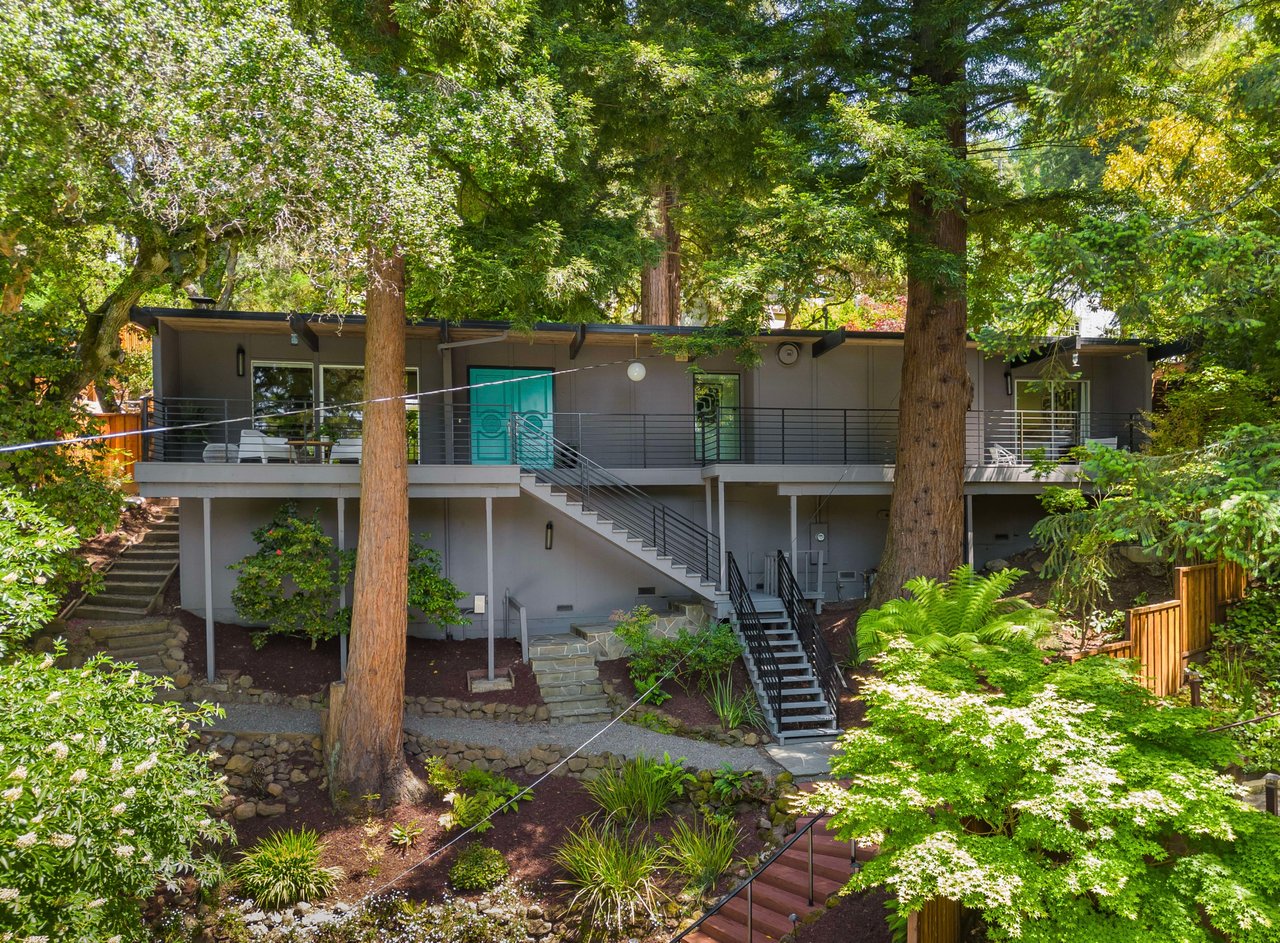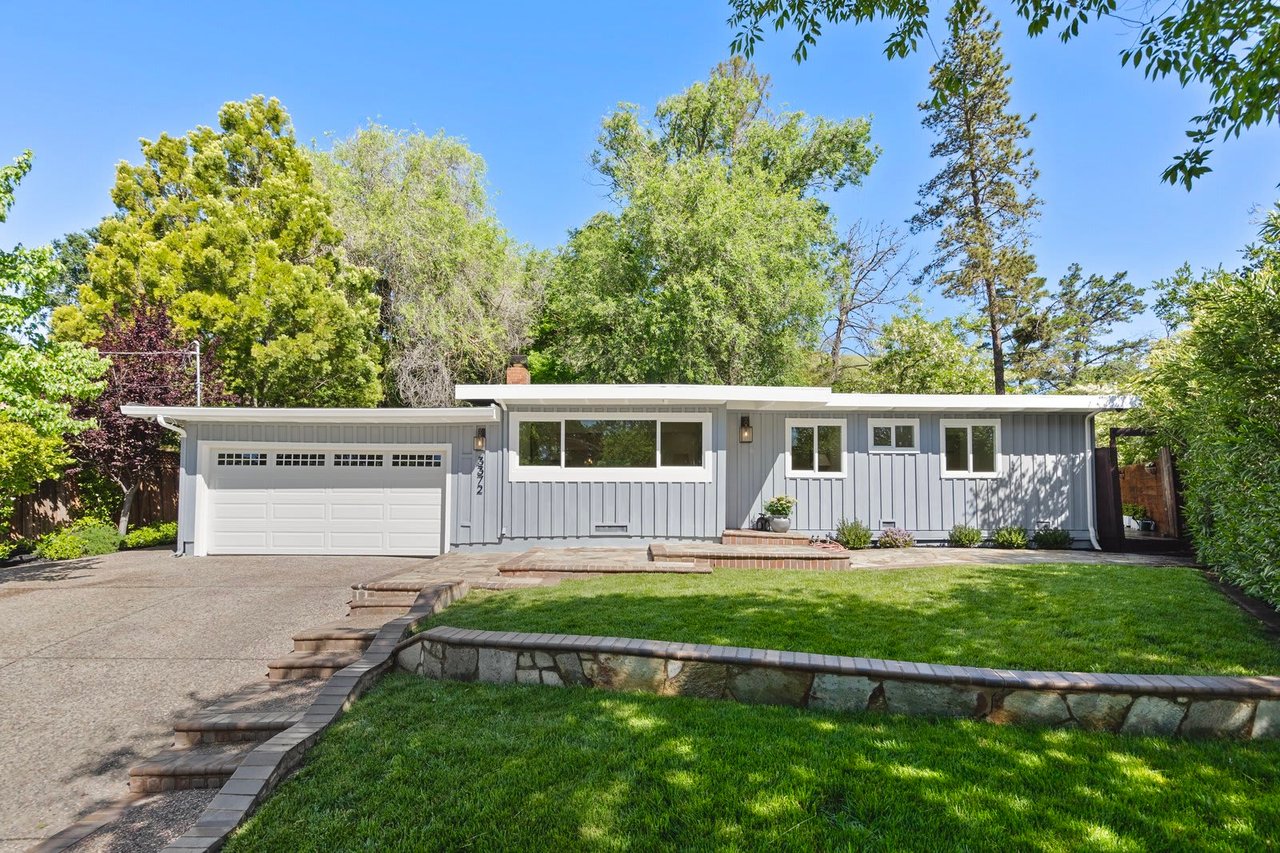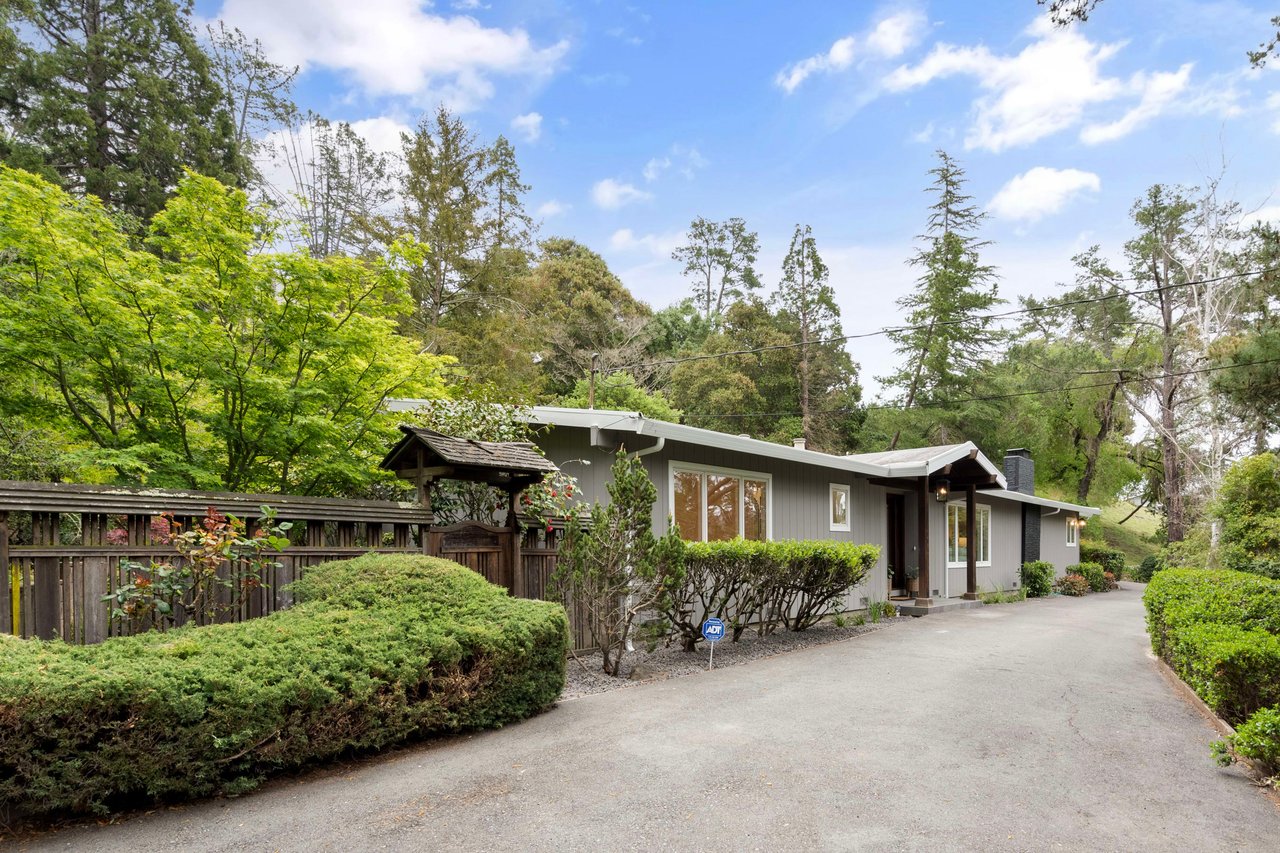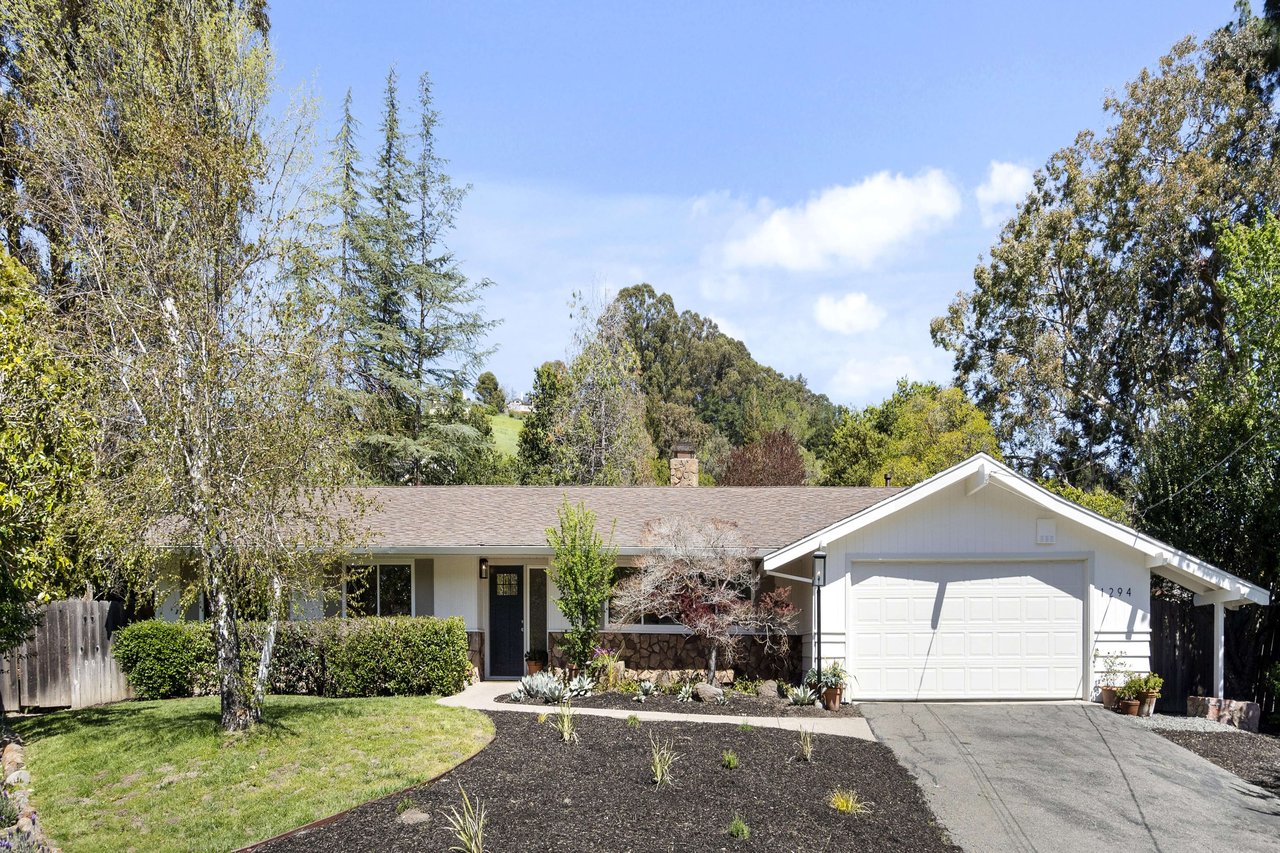
If you are thinking about selling a Happy Valley estate, here is the good news: buyers are still active, and this pocket of Lafayette remains a strong market. The challenge is that today’s buyers at this price point usually want a home that feels current, well maintained, and easy to move into. If you prepare the property in the right order, you can protect its character, avoid overspending, and make it show its best both online and in person. Let’s dive in.
Happy Valley Buyers Expect Readiness
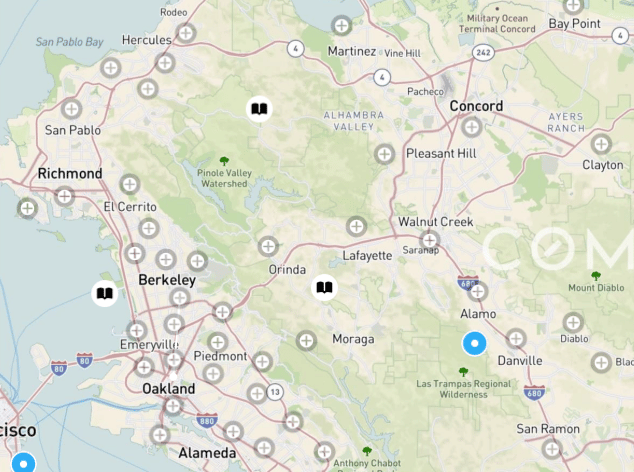
Happy Valley has been a high-price, somewhat competitive submarket. Over the three months ending January 2026, Redfin reported a median sale price of $2.6 million, up 23.8% year over year, with homes selling in 33 days on average. Realtor.com also described Lafayette as a seller’s market in March 2026, with homes selling at about asking price and a median of 29 days on market.
That kind of market does not mean you can skip preparation. In fact, it often means the opposite. Buyers paying estate-home prices tend to notice condition quickly, and many are looking for a home that already feels coherent, cared for, and ready for the next chapter.
National buyer data helps explain why. Buyers most often compromise on price, condition, and size, while far fewer compromise on location-related factors. That makes visible condition one of the clearest ways to strengthen your position before you list.
Start With Safety and Deferred Maintenance
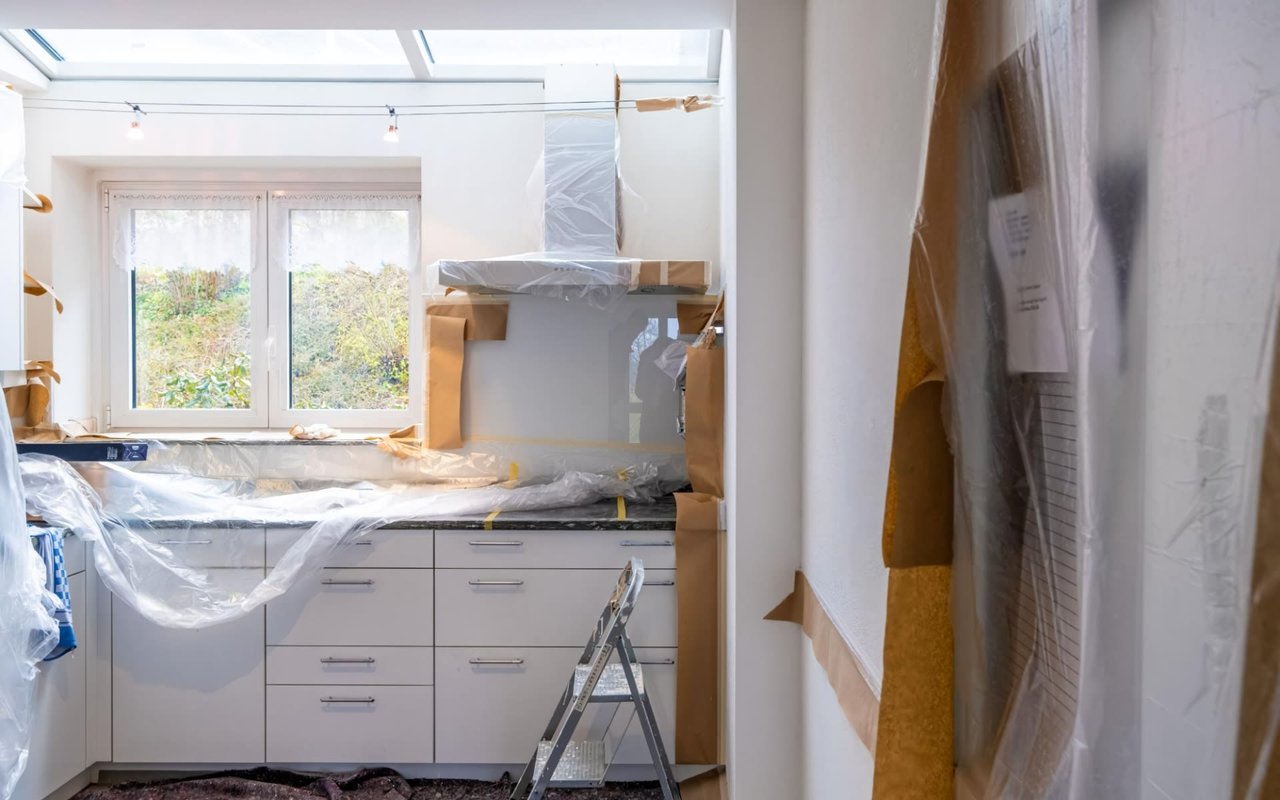
Before you choose paint colors or staging furniture, look at the basics. If a buyer sees signs of neglected upkeep, it can raise questions about the rest of the home, even when the architecture and setting are beautiful. In larger custom homes, small visible issues can feel bigger because buyers expect a higher standard of care.
A smart first pass includes repairs tied to safety, function, and weather protection. Focus on roof condition, exterior rot, drainage, weather sealing, and gaps around doors and windows. These are not glamorous updates, but they build trust fast.
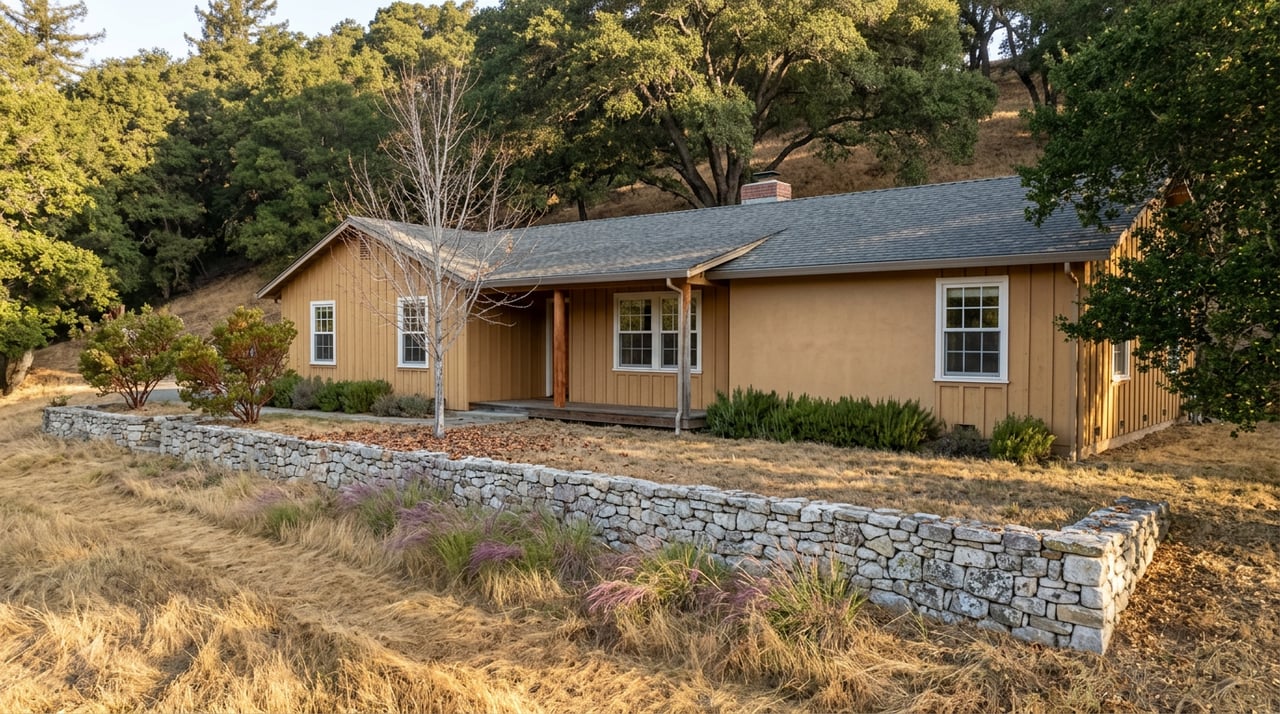
In Happy Valley, wildfire exposure is also part of the conversation. Redfin’s First Street model classifies the area as having moderate wildfire risk, and it says all properties have some wildfire exposure over the next 30 years. That does not replace formal hazard disclosures, but it does make exterior upkeep and home-hardening features more relevant to buyers.
CAL FIRE recommends steps such as cleaning gutters, using noncombustible gutter covers, protecting vents from embers, plugging eave gaps, and upgrading older single-pane windows to double-pane tempered glass where appropriate. CAL FIRE also recommends maintaining a 0-to-5-foot ember-resistant zone around the home. For many sellers, these items improve both buyer confidence and day-to-day resilience.
Prioritize Exterior Updates First
If you are deciding where to spend money, start outside. JLC’s Cost vs. Value data shows that exterior renovations tend to deliver stronger returns than more discretionary interior remodels, and the Pacific region posted the highest average return among U.S. regions.
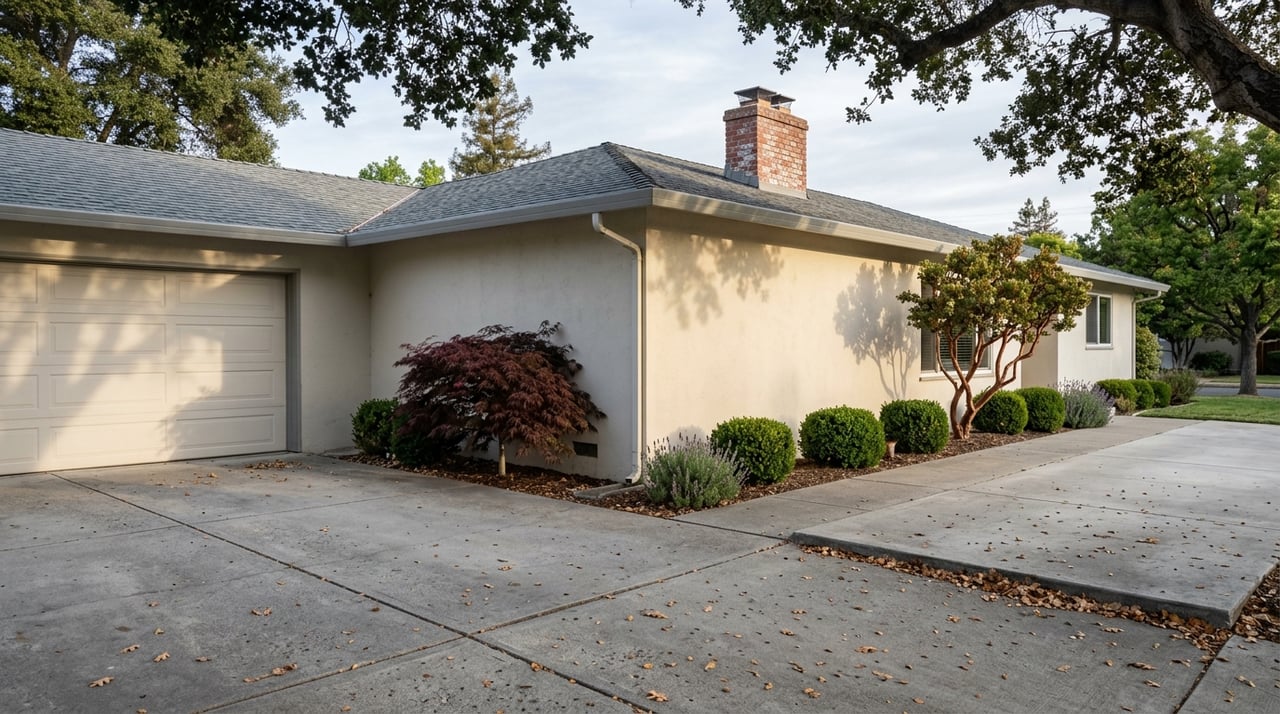
The numbers are striking. In the Pacific region, garage door replacement recouped 250.7% of cost, steel entry door replacement recouped 249.9%, and manufactured stone veneer recouped 203.5%. By comparison, a minor kitchen remodel recouped 95.6% and a midrange bath remodel recouped 74%.
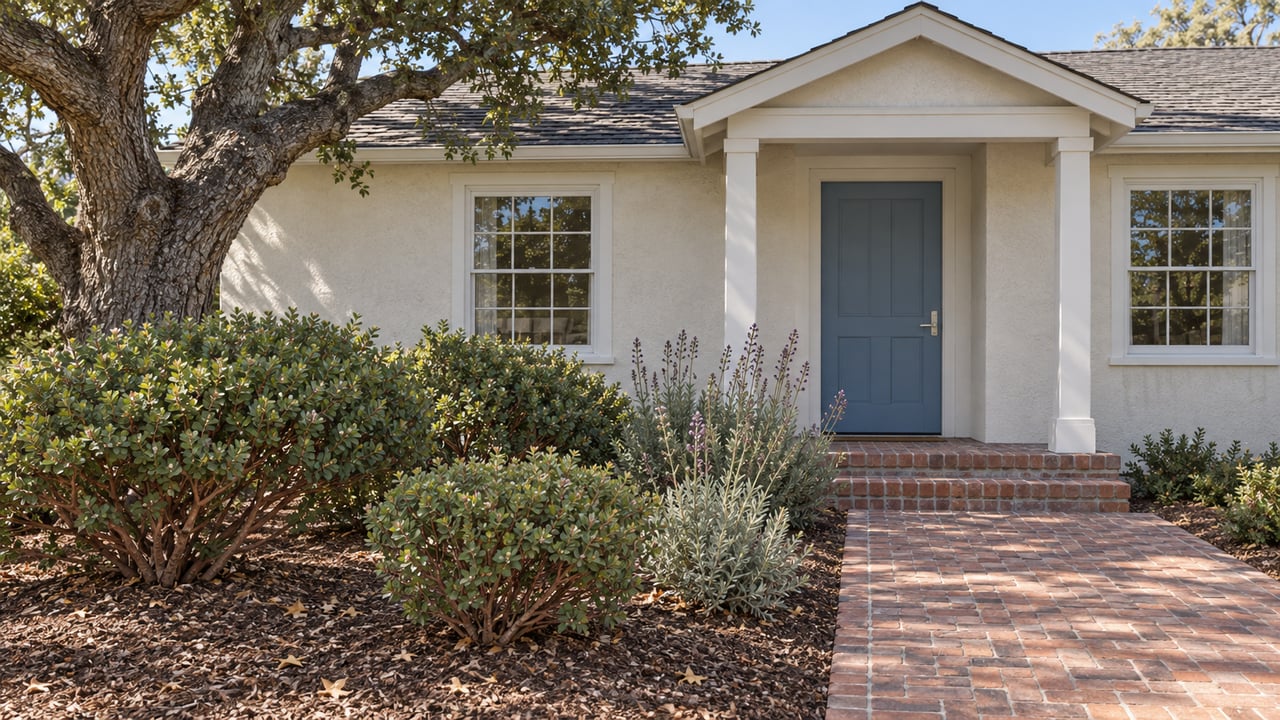
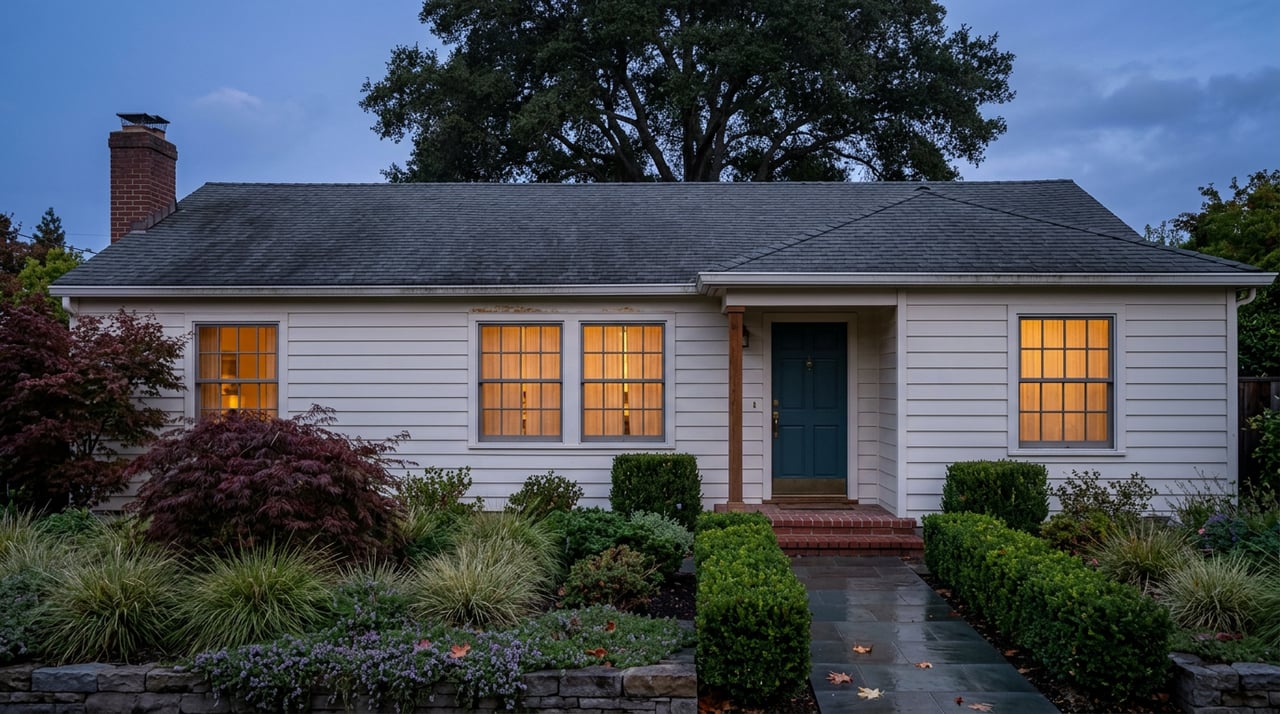
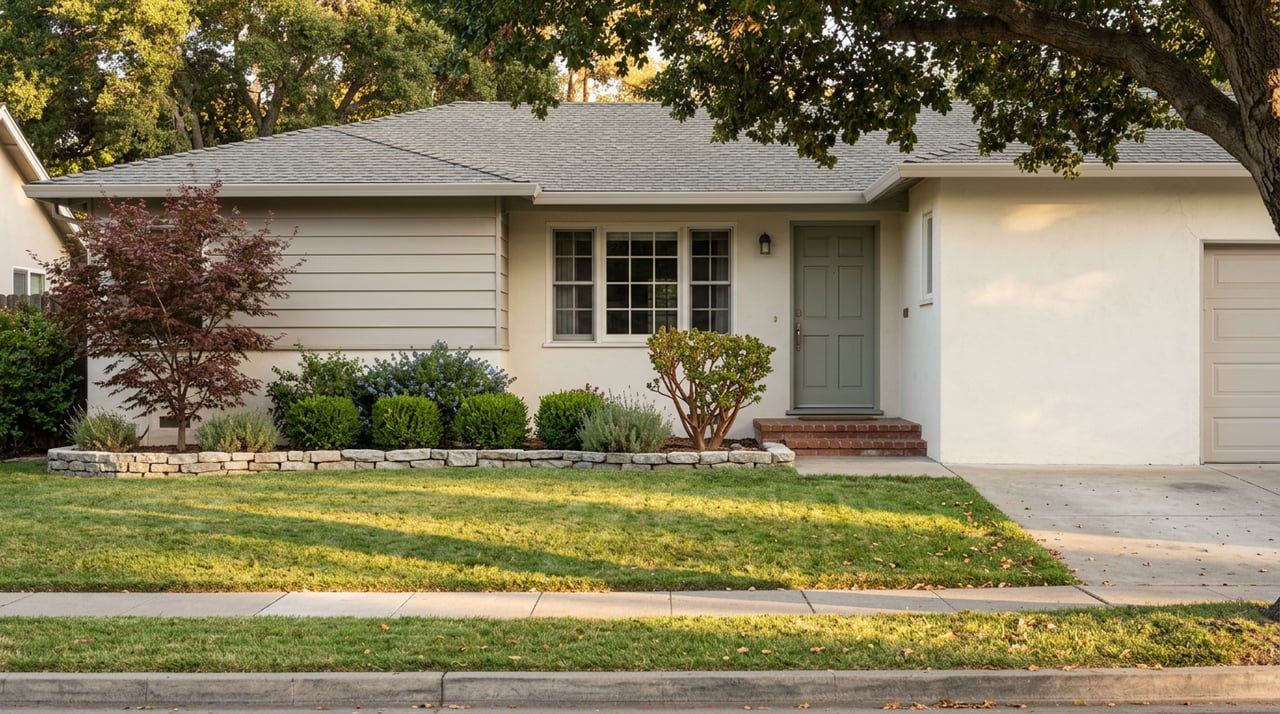
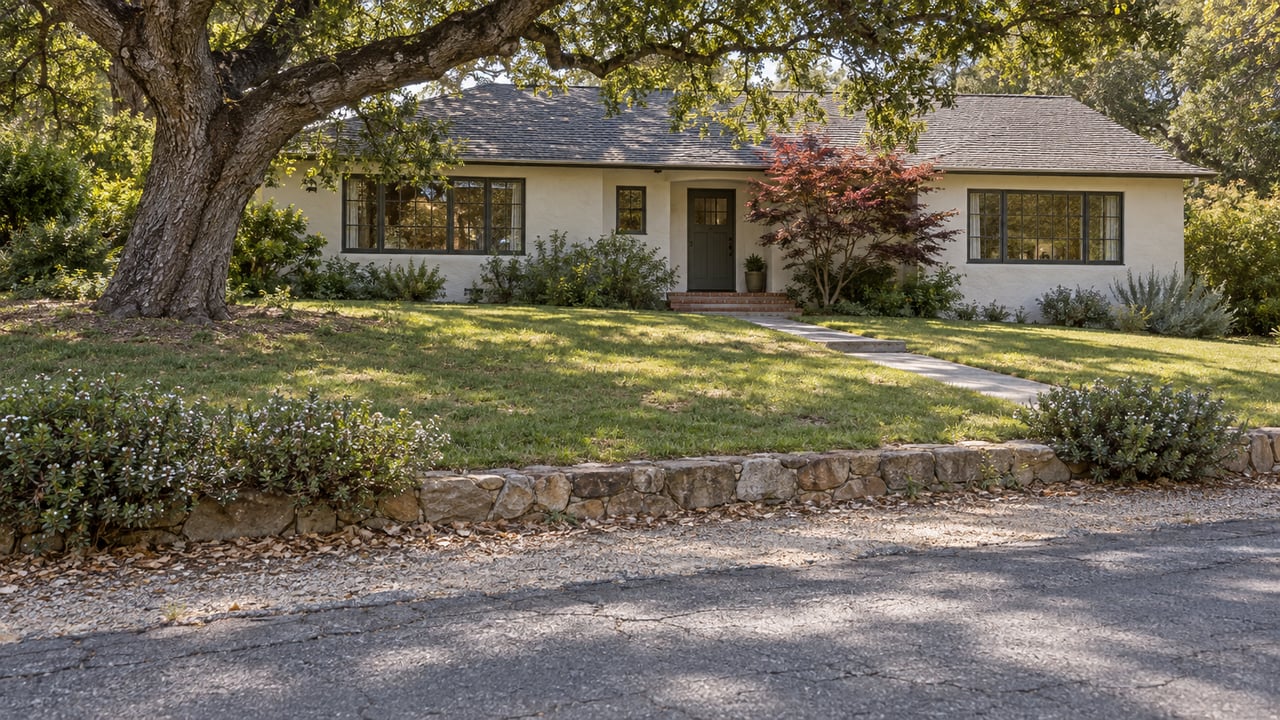
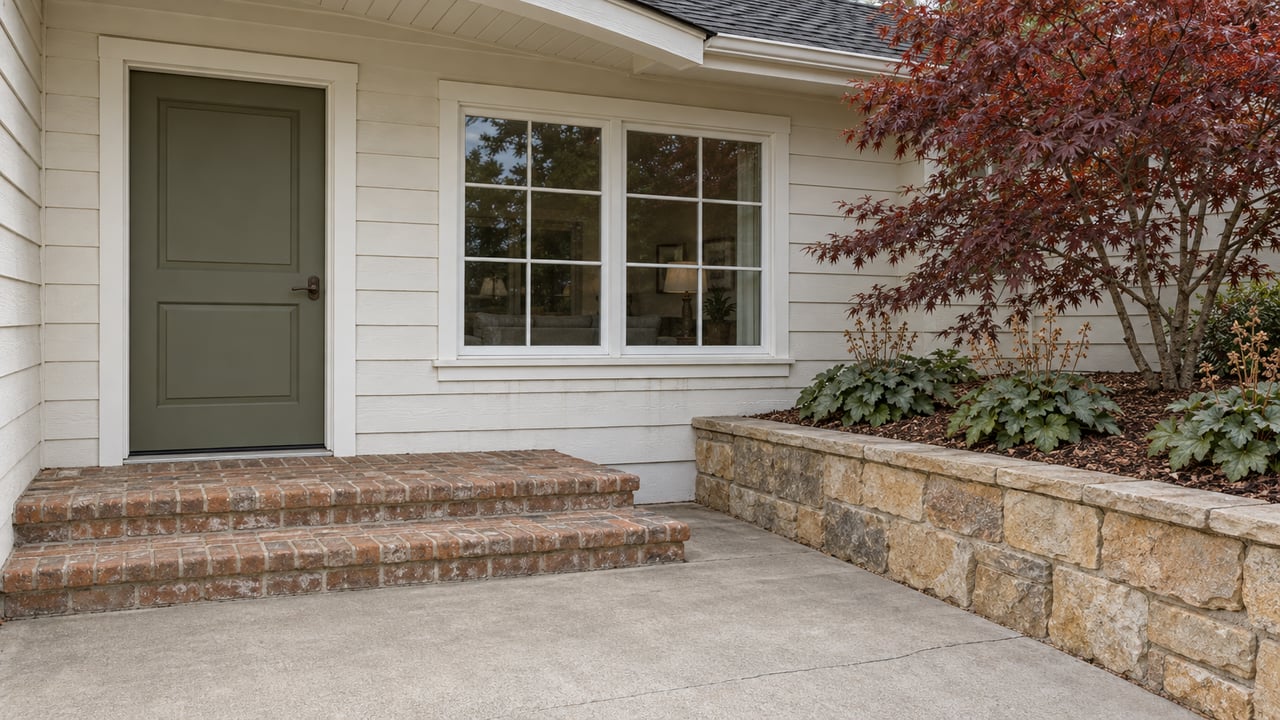
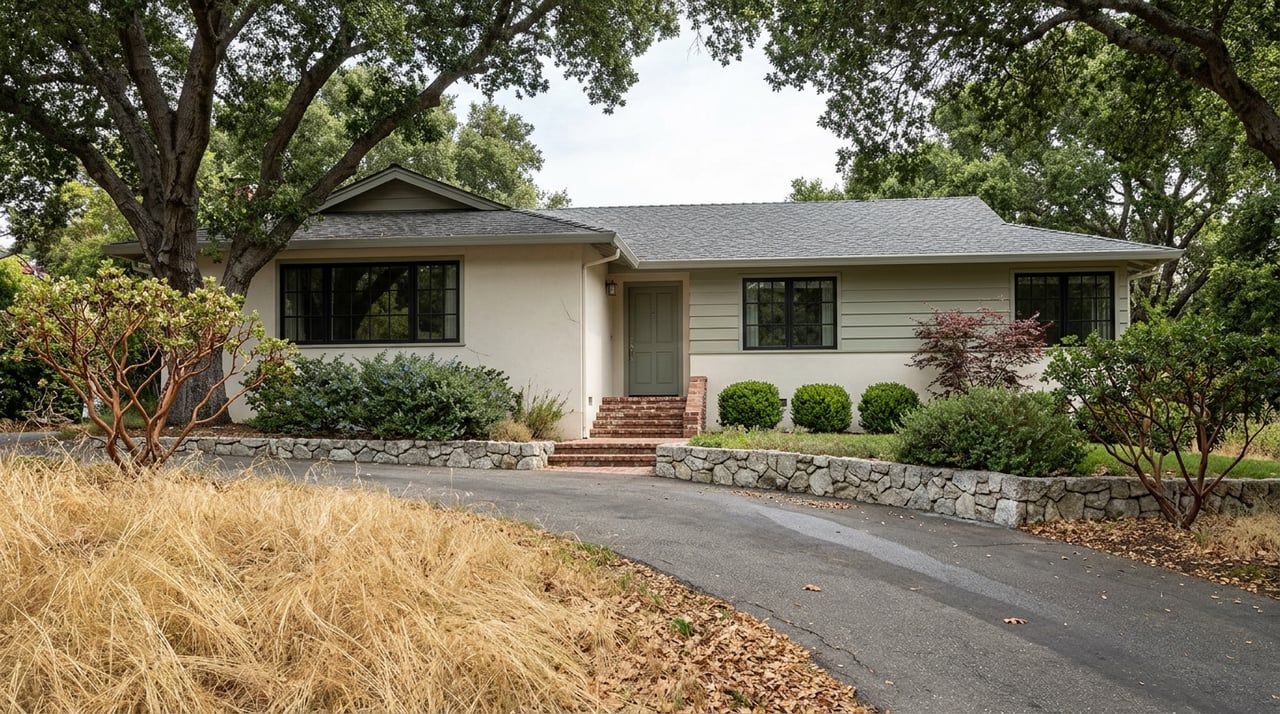
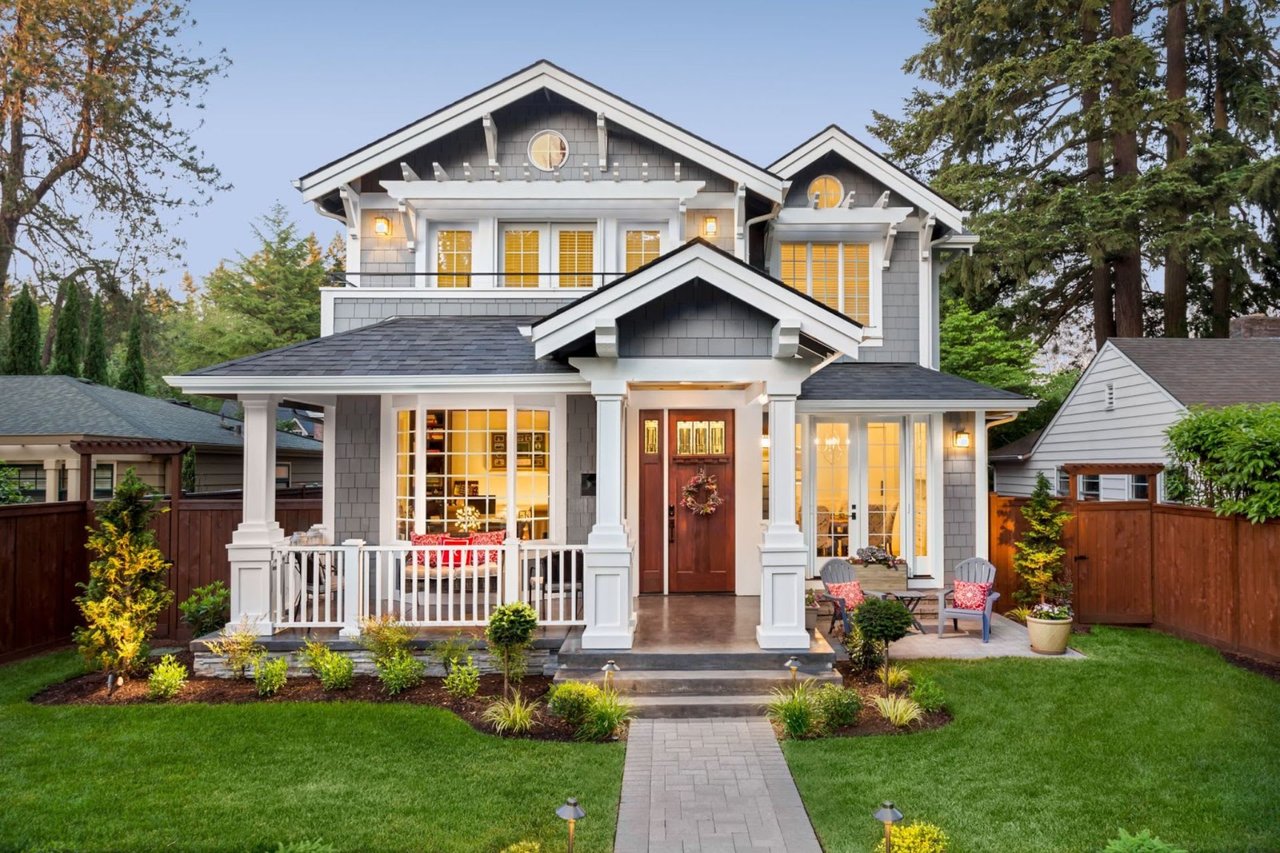
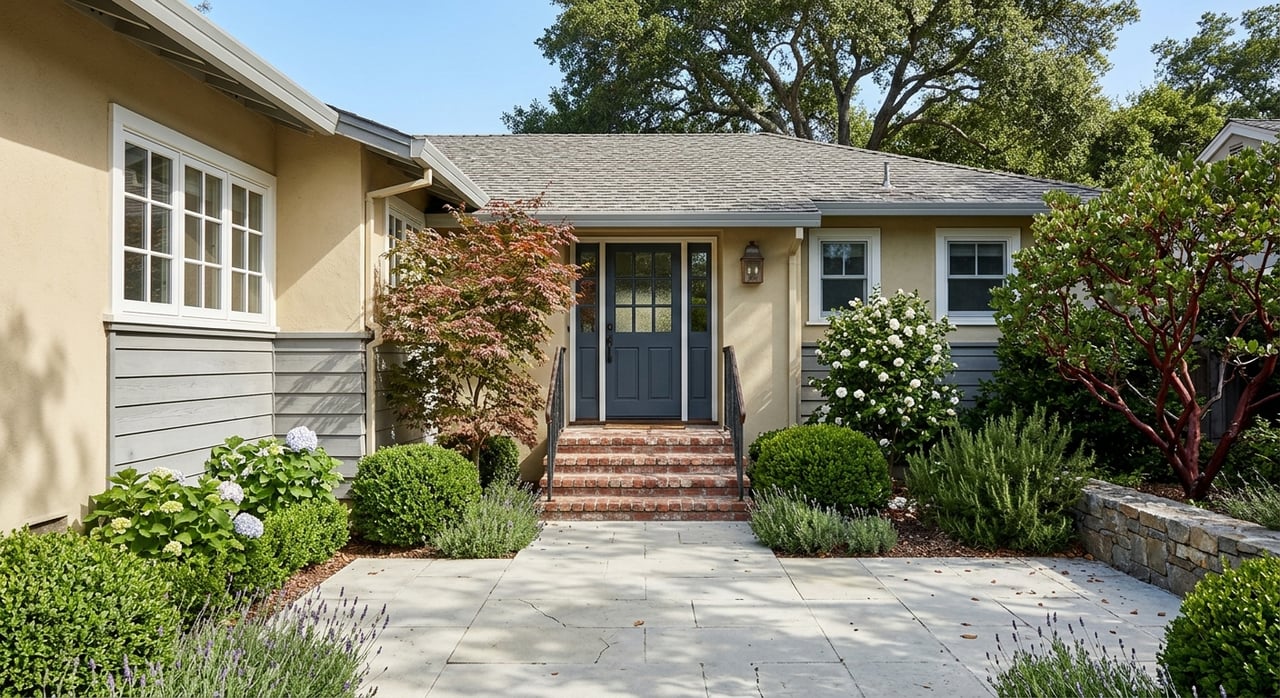
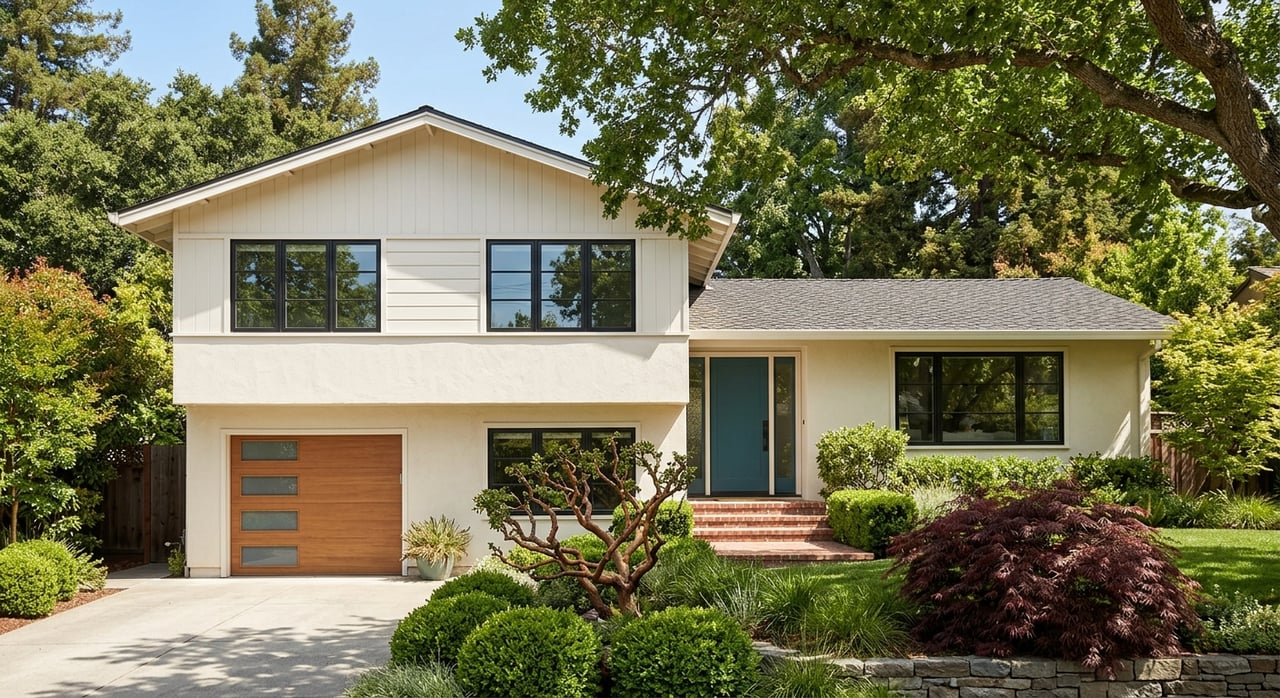
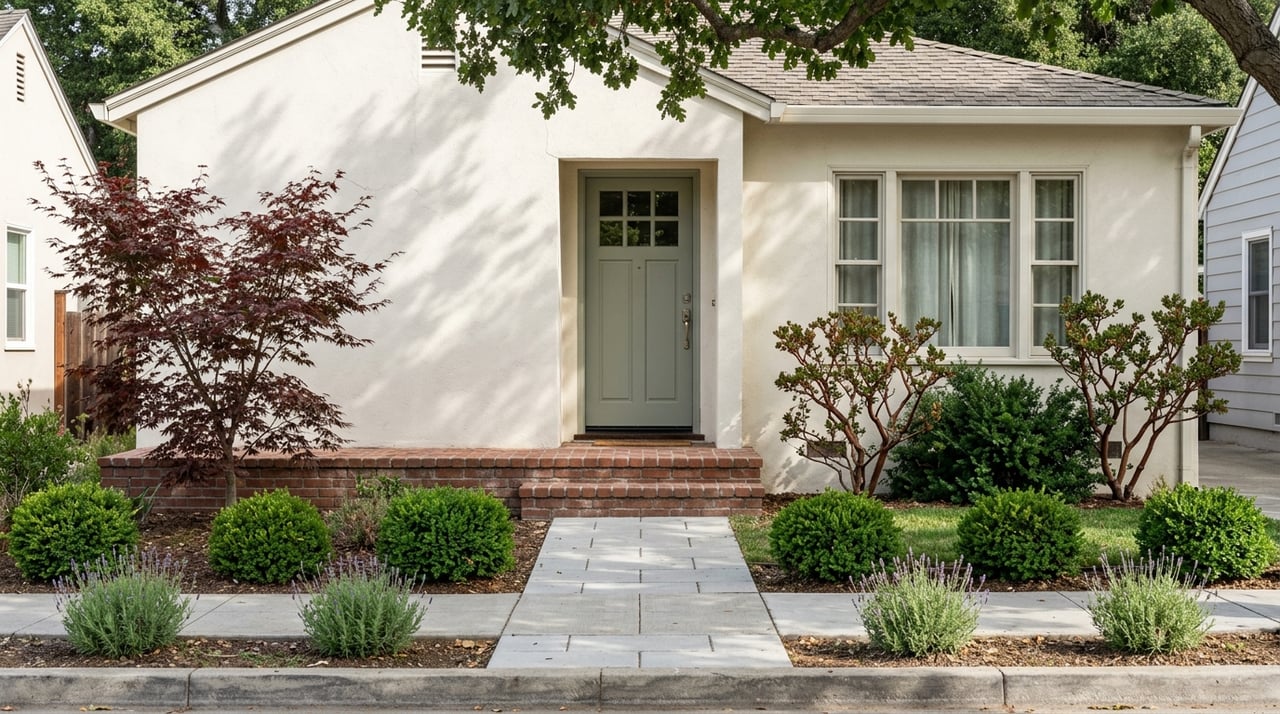
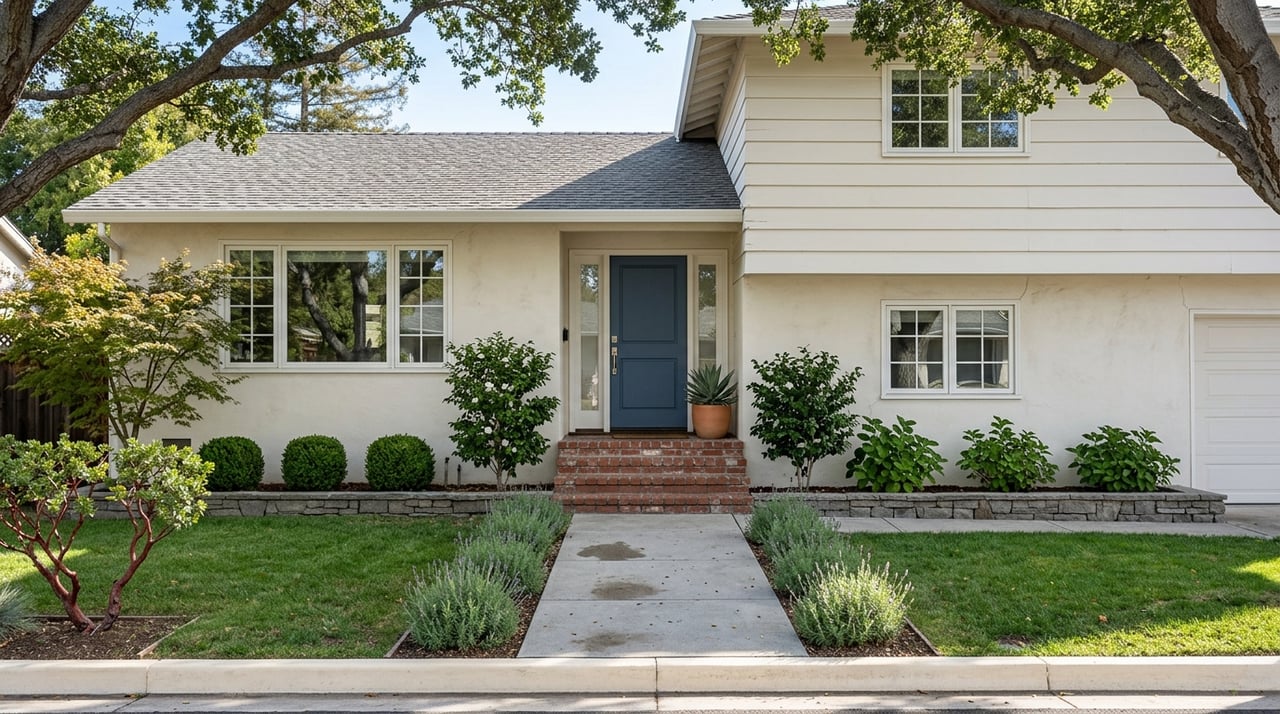
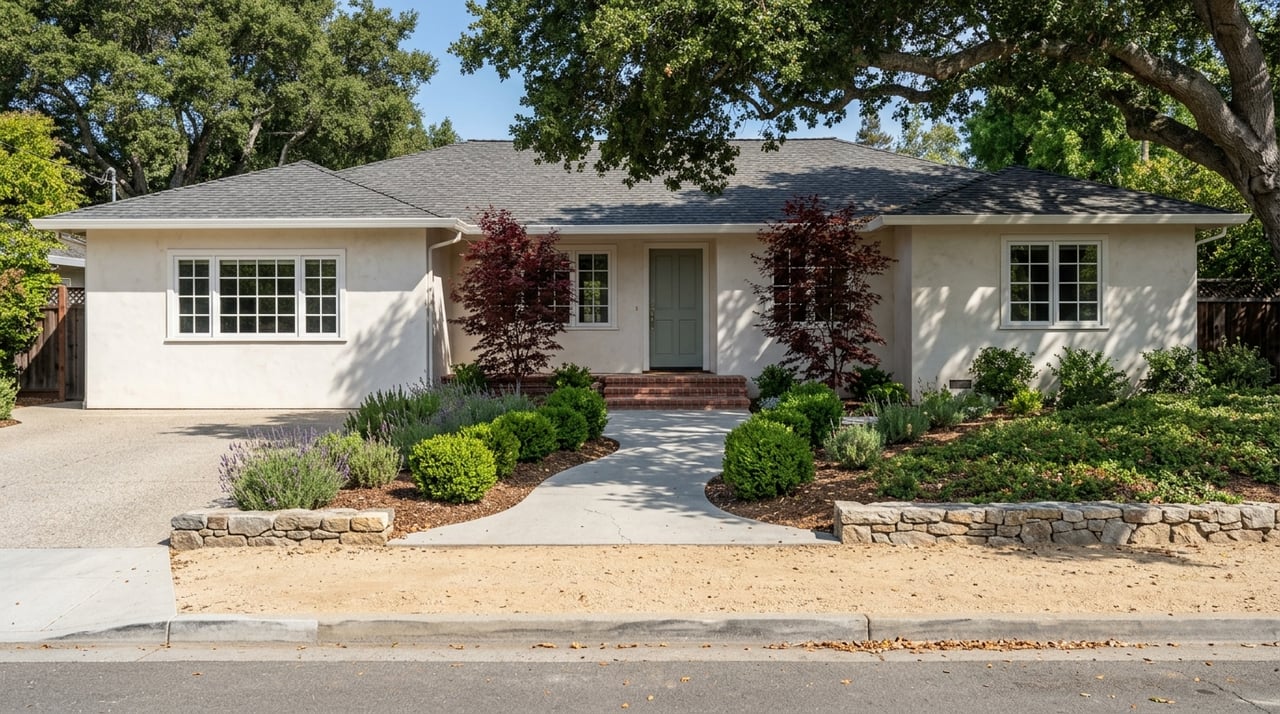
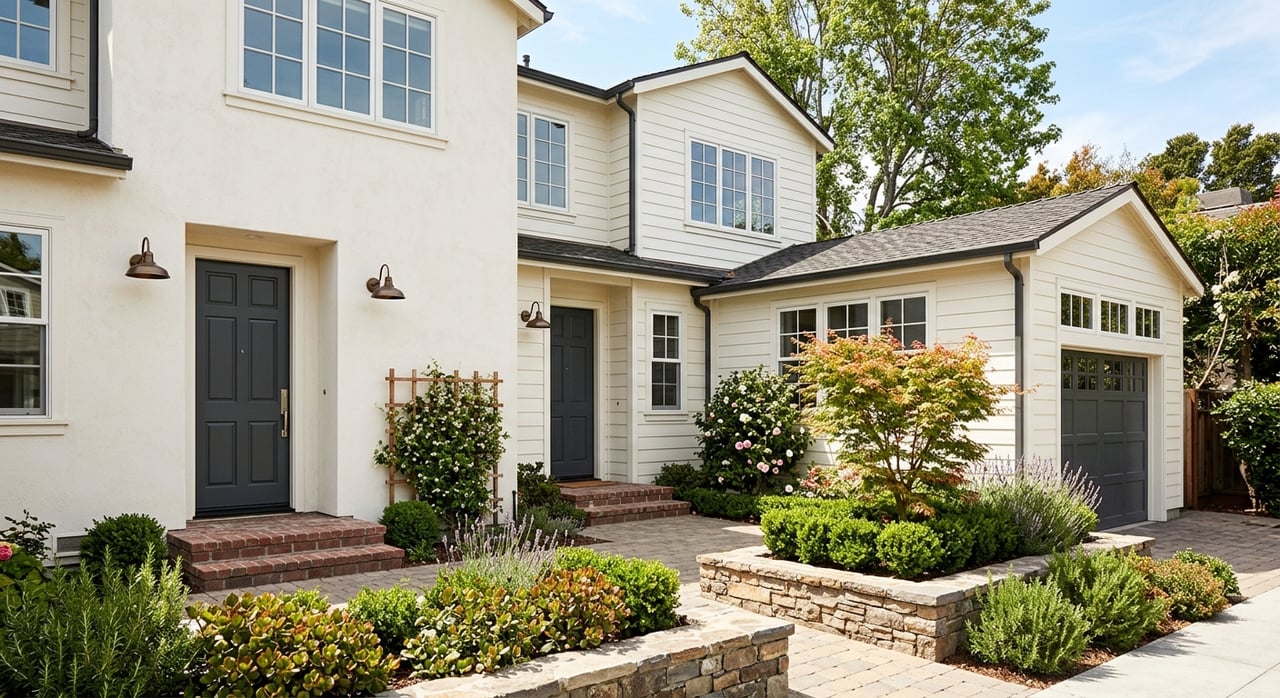
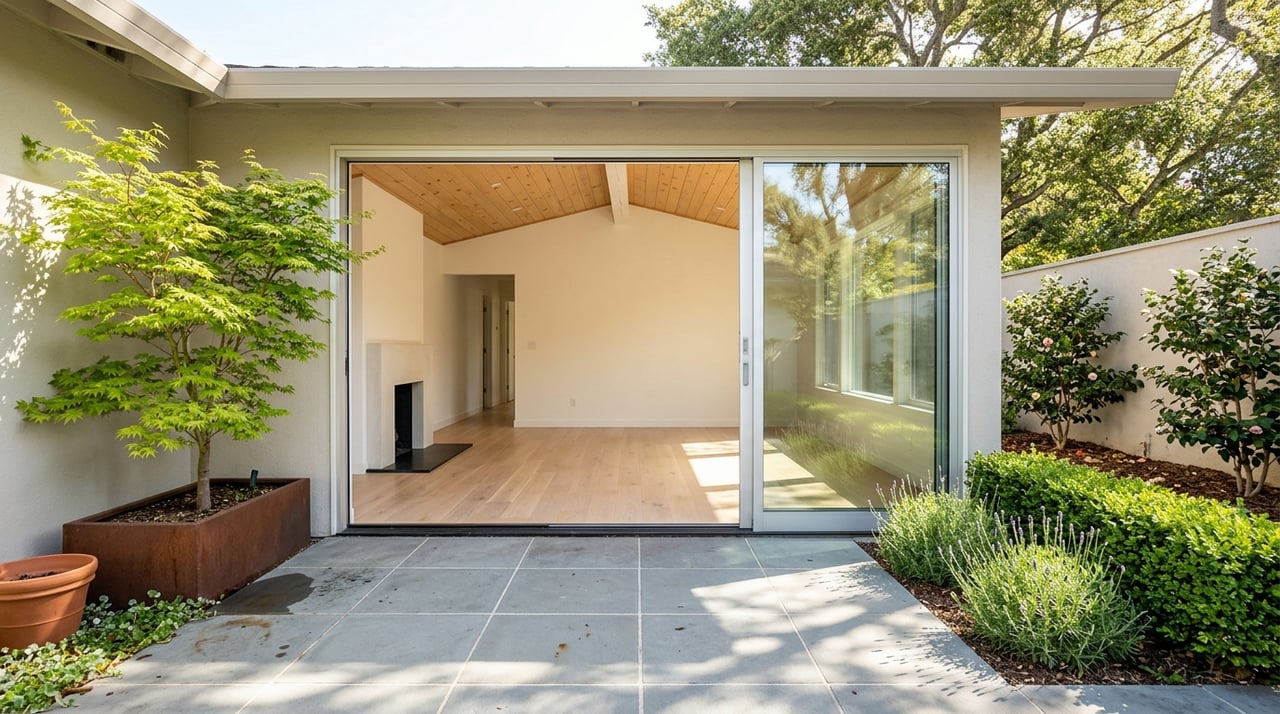
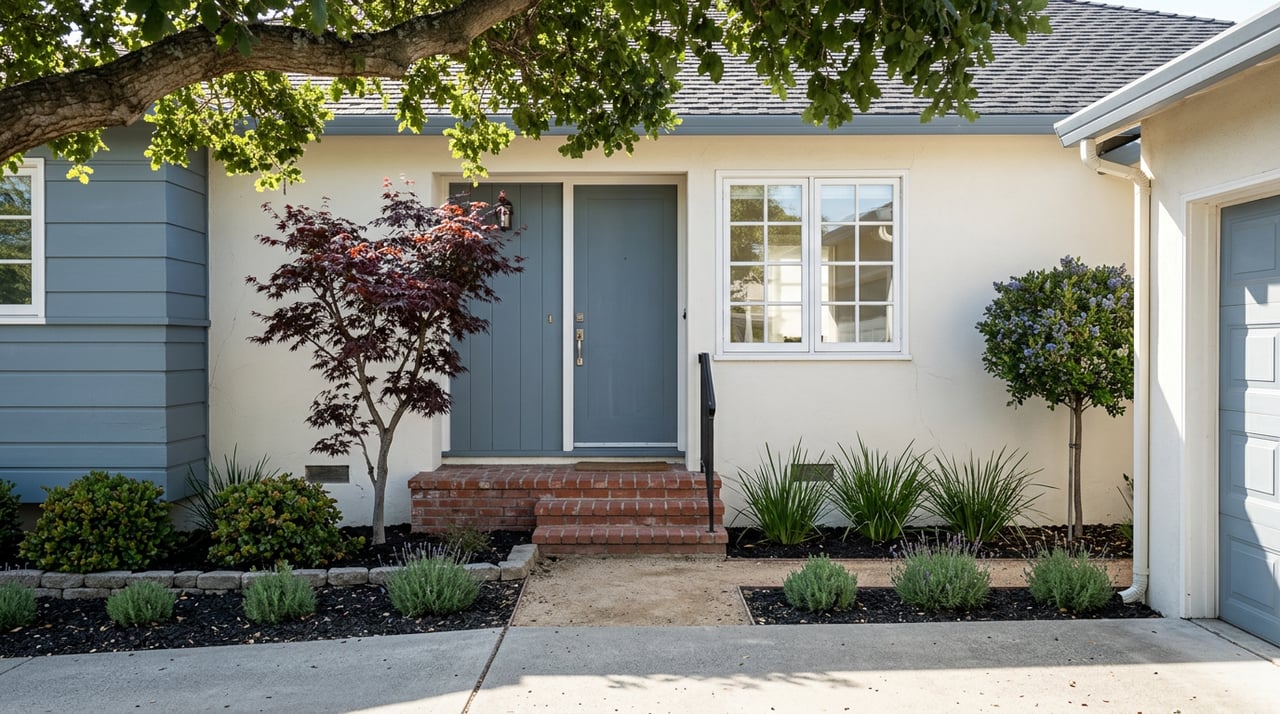
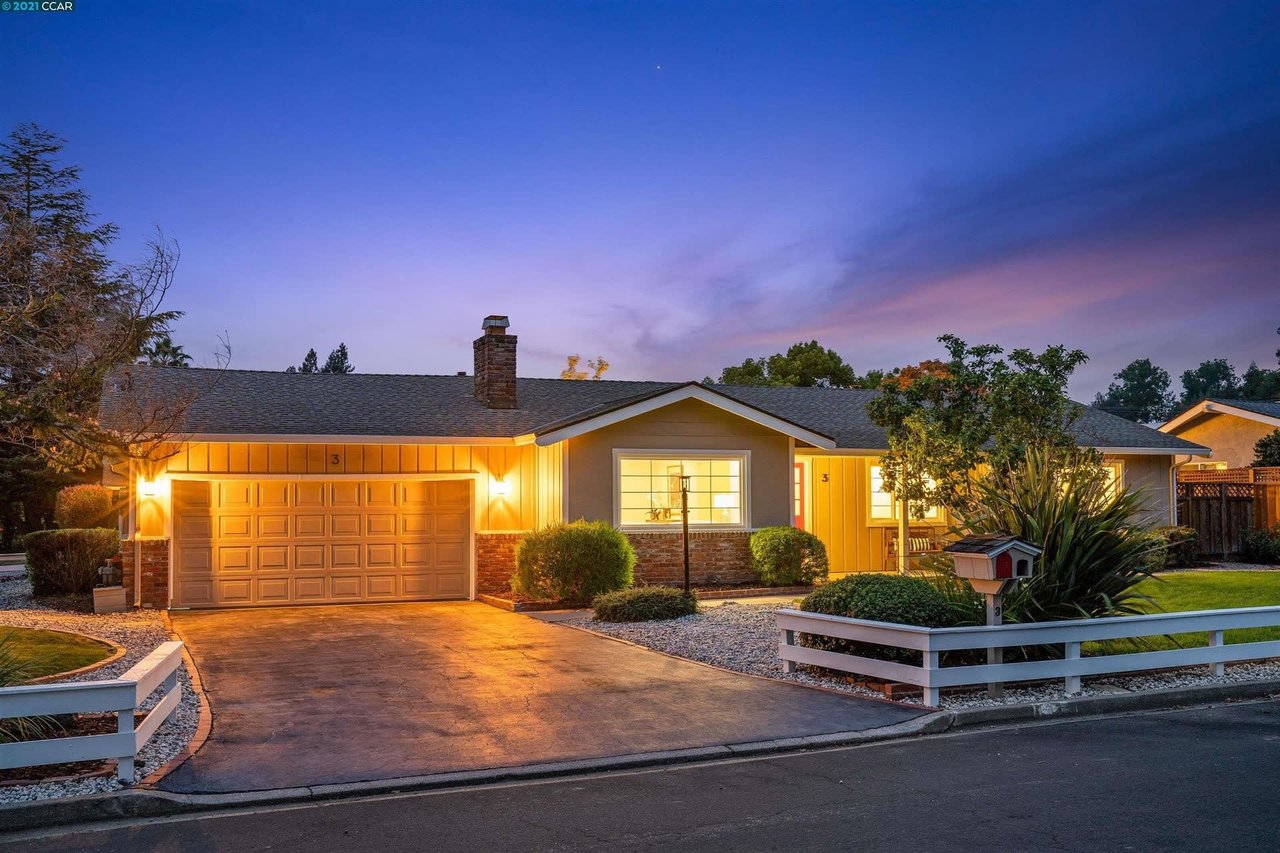
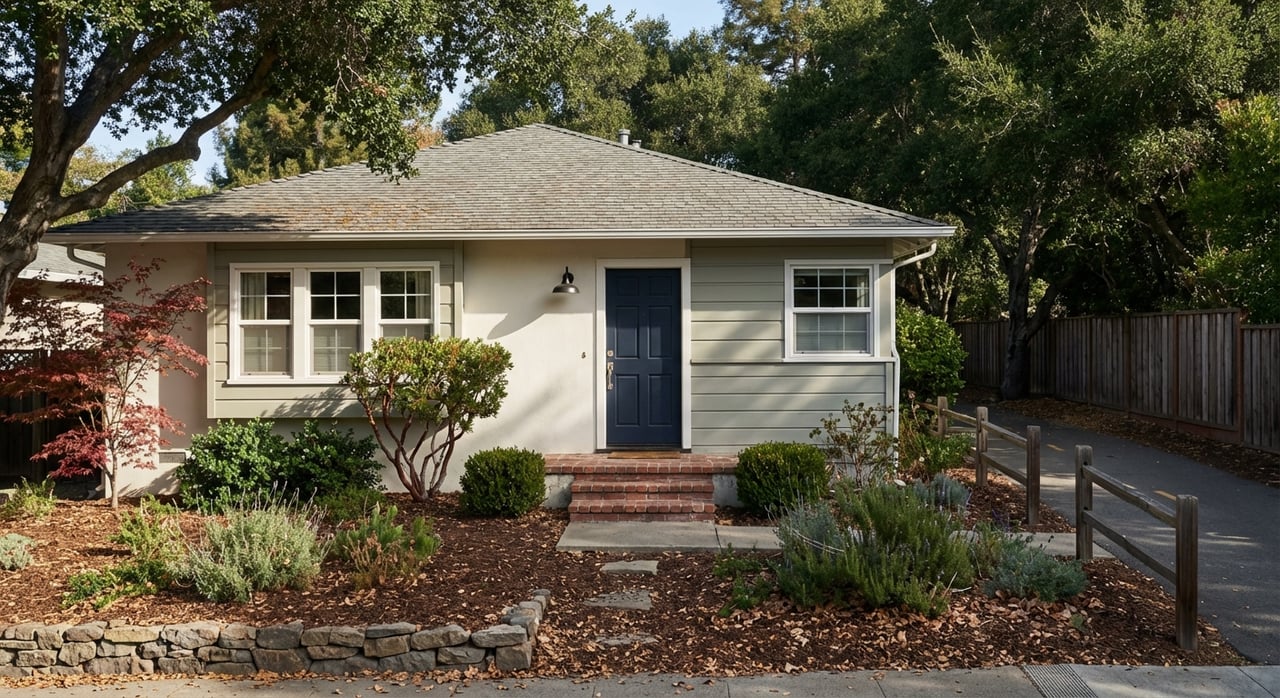
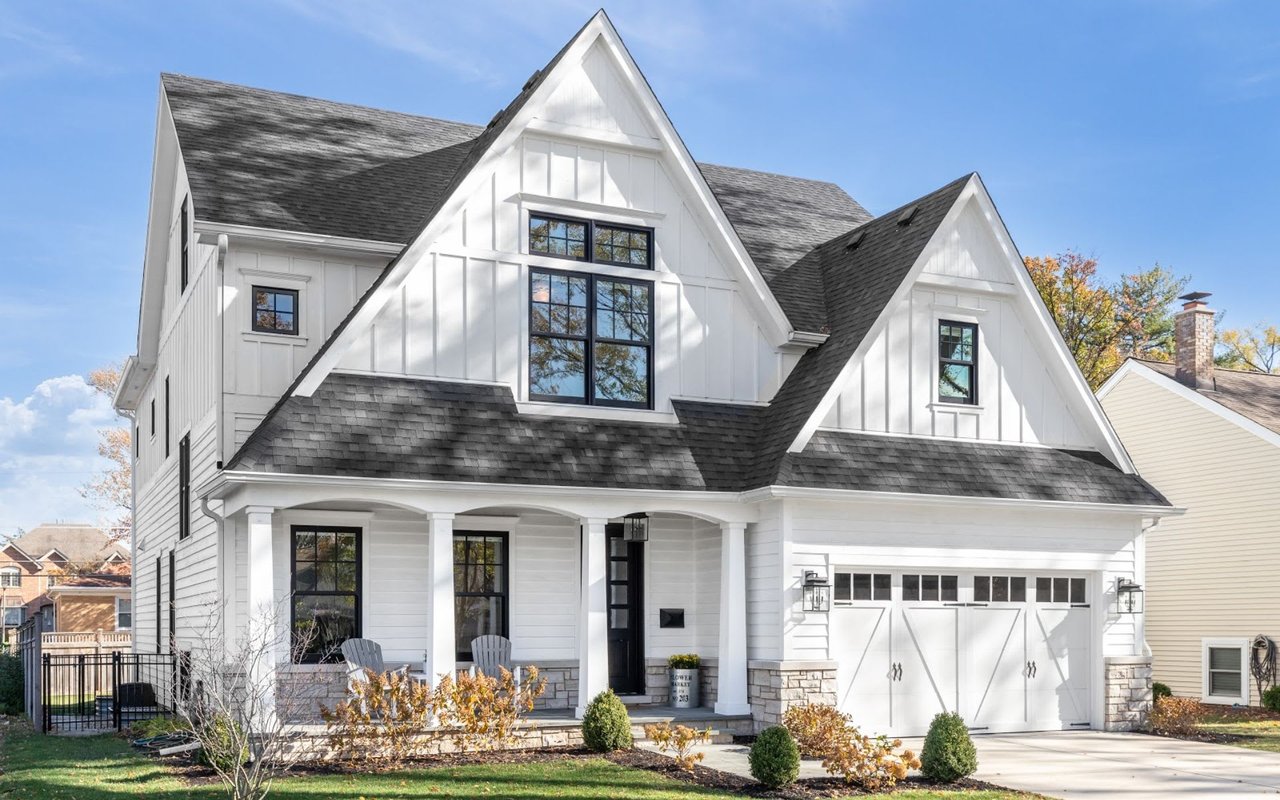
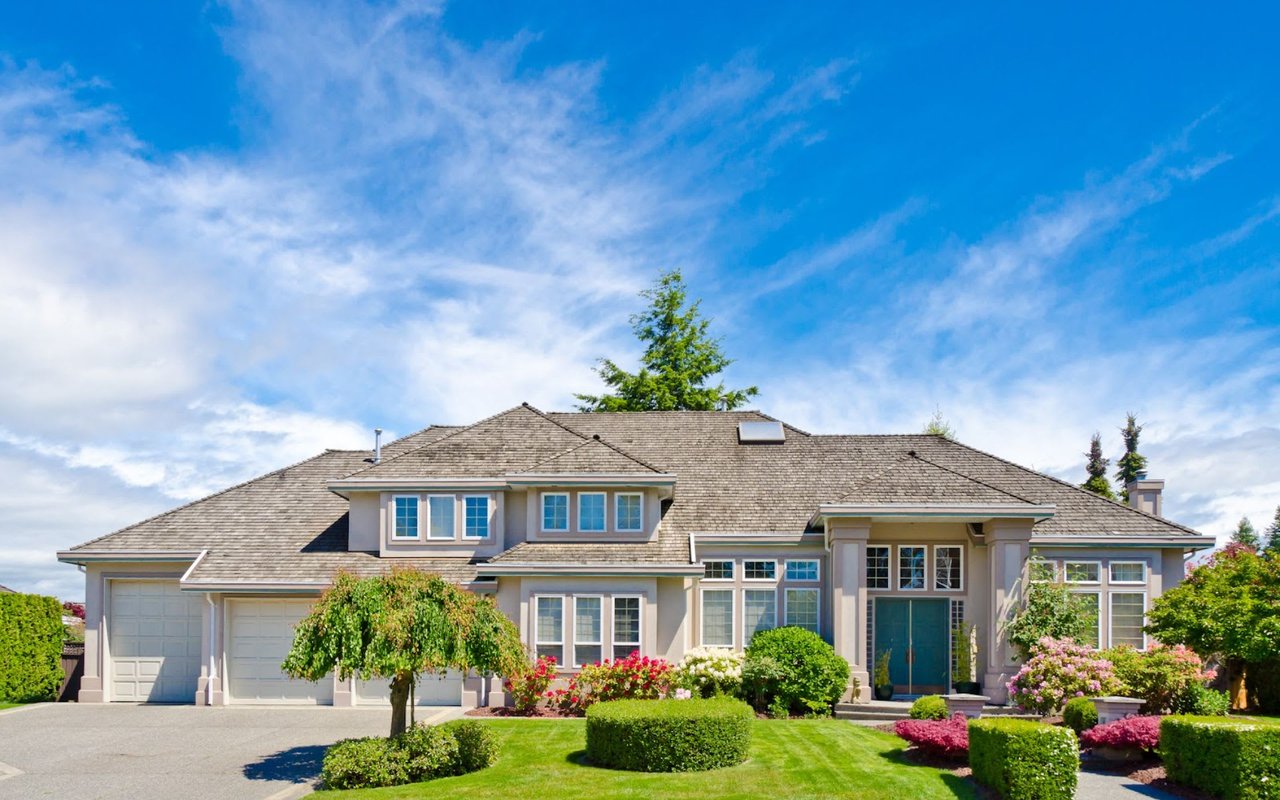
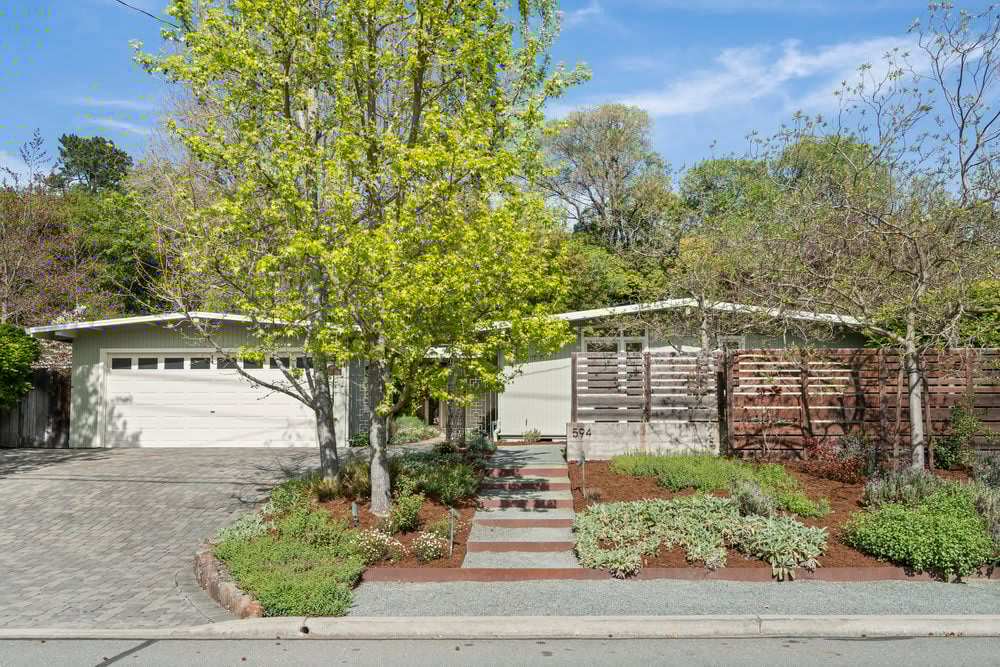
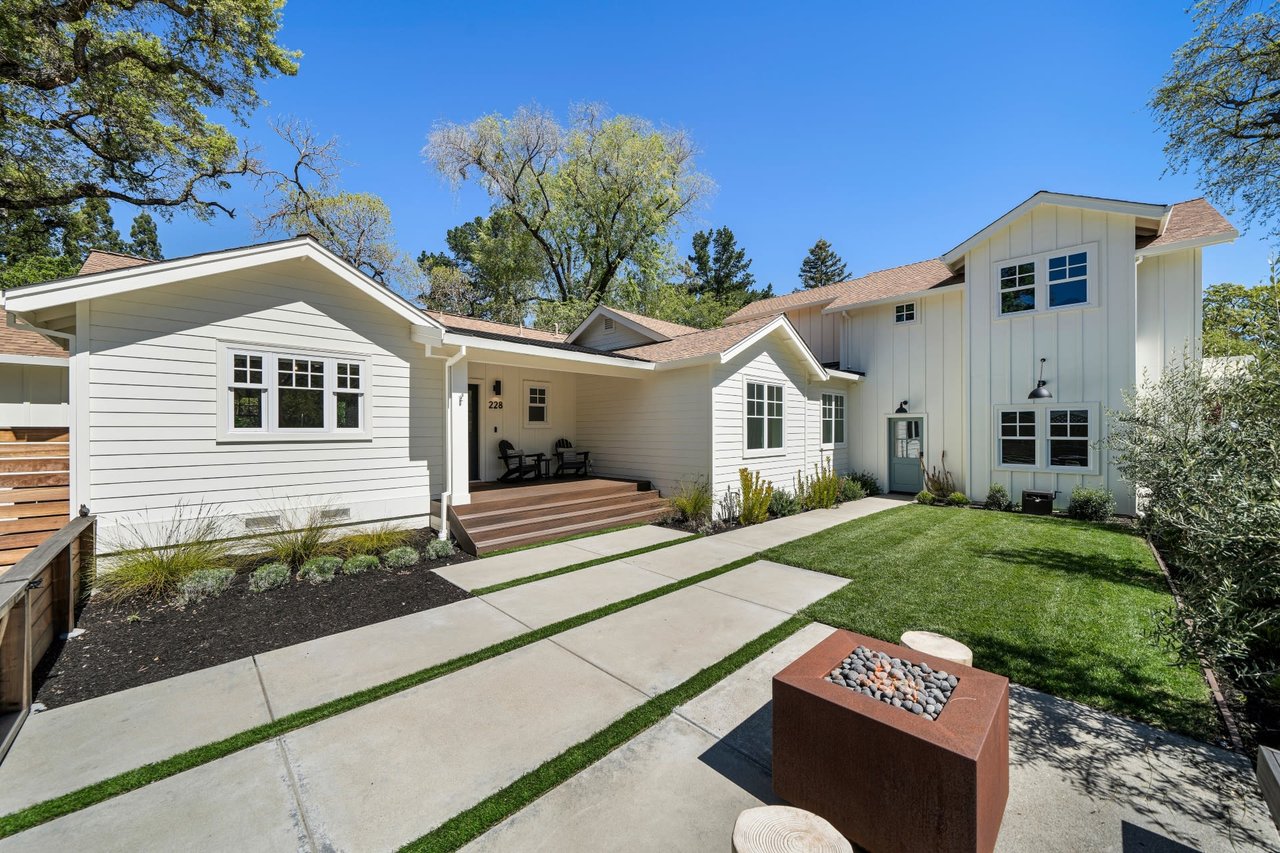
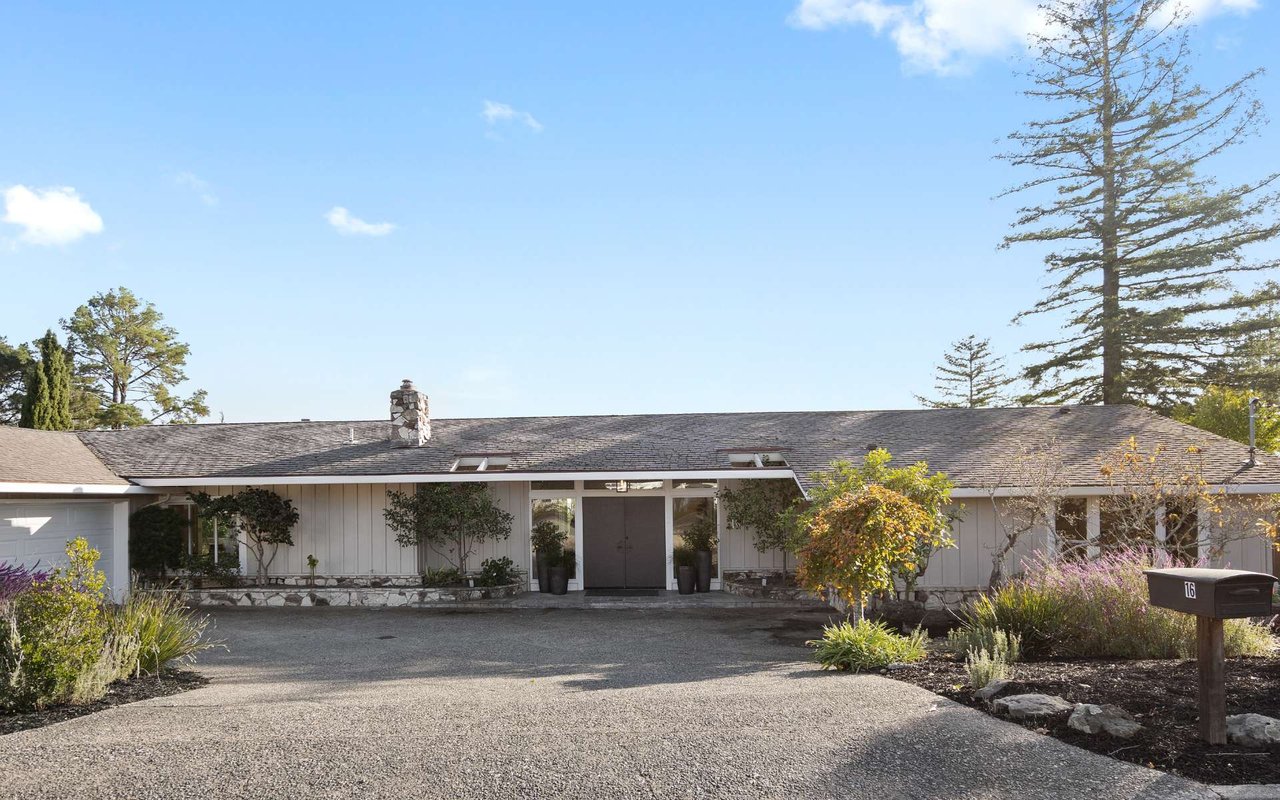
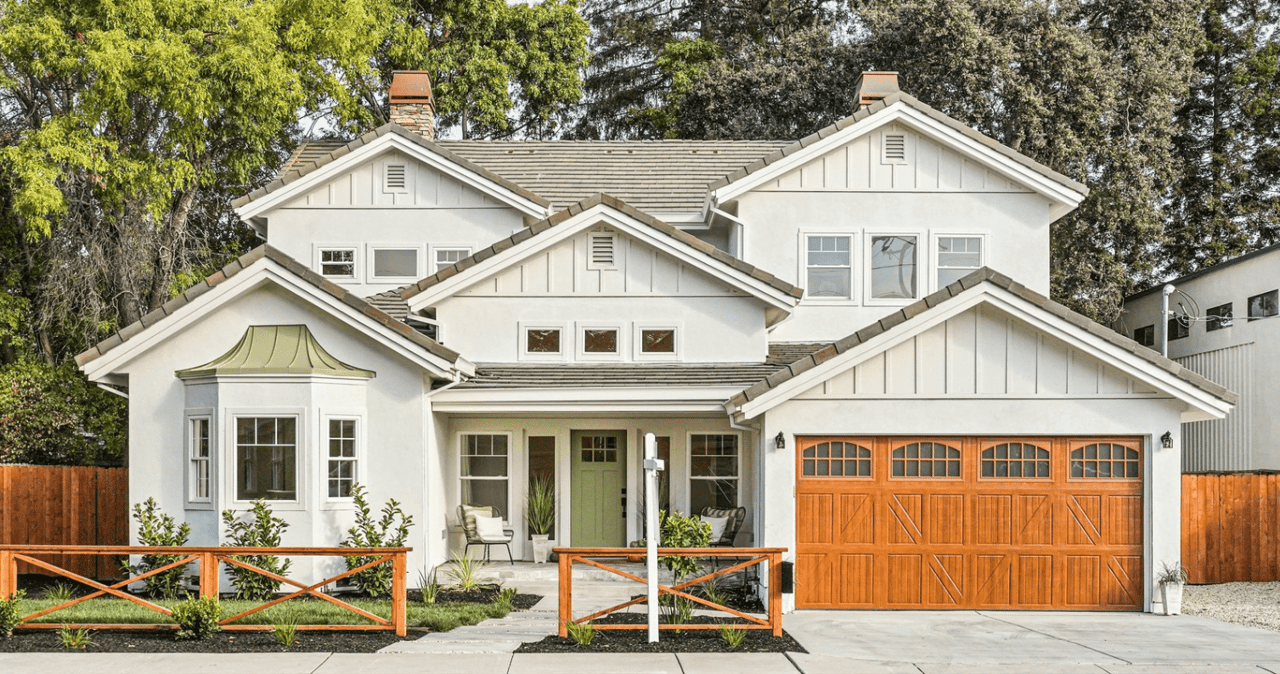
That does not mean every Happy Valley estate needs a new garage door or stone veneer. It does mean that visible curb appeal usually deserves attention before you commit to a major interior overhaul. Buyers form opinions quickly from the driveway, the front walk, and the first few listing photos.
Exterior Work With Strong Visual Impact
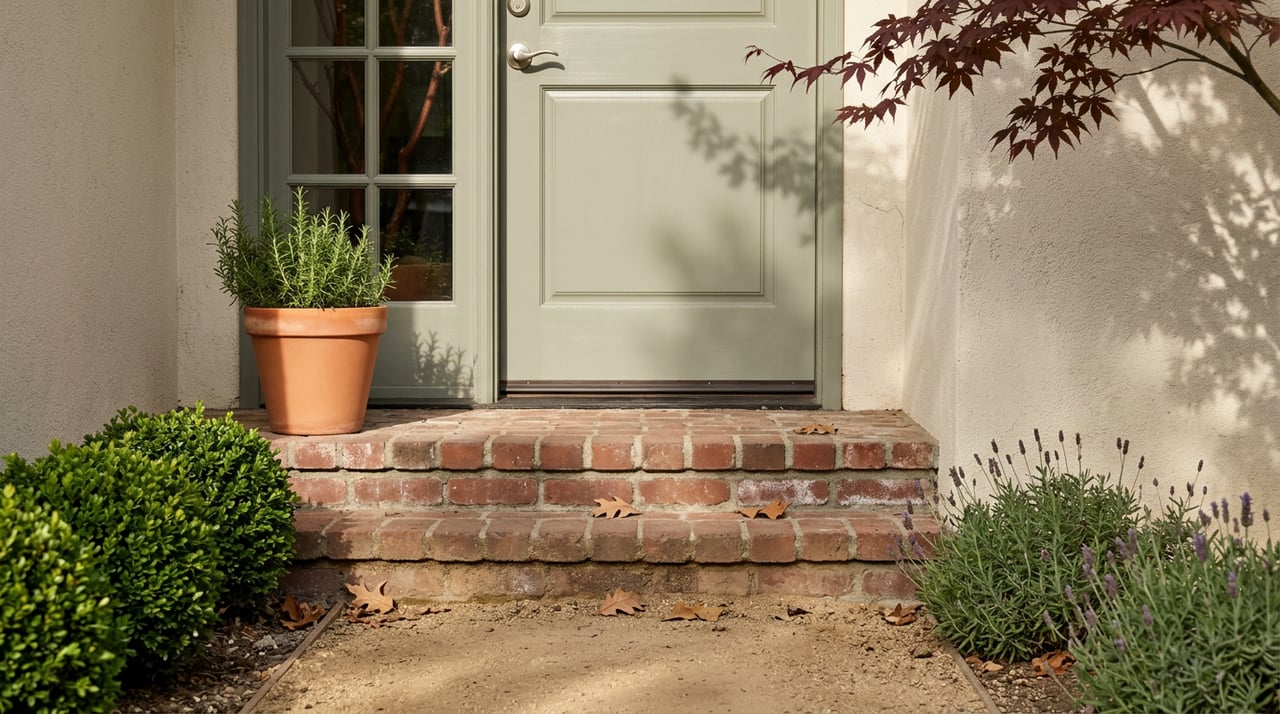
For many estate properties, the best pre-listing exterior work includes:
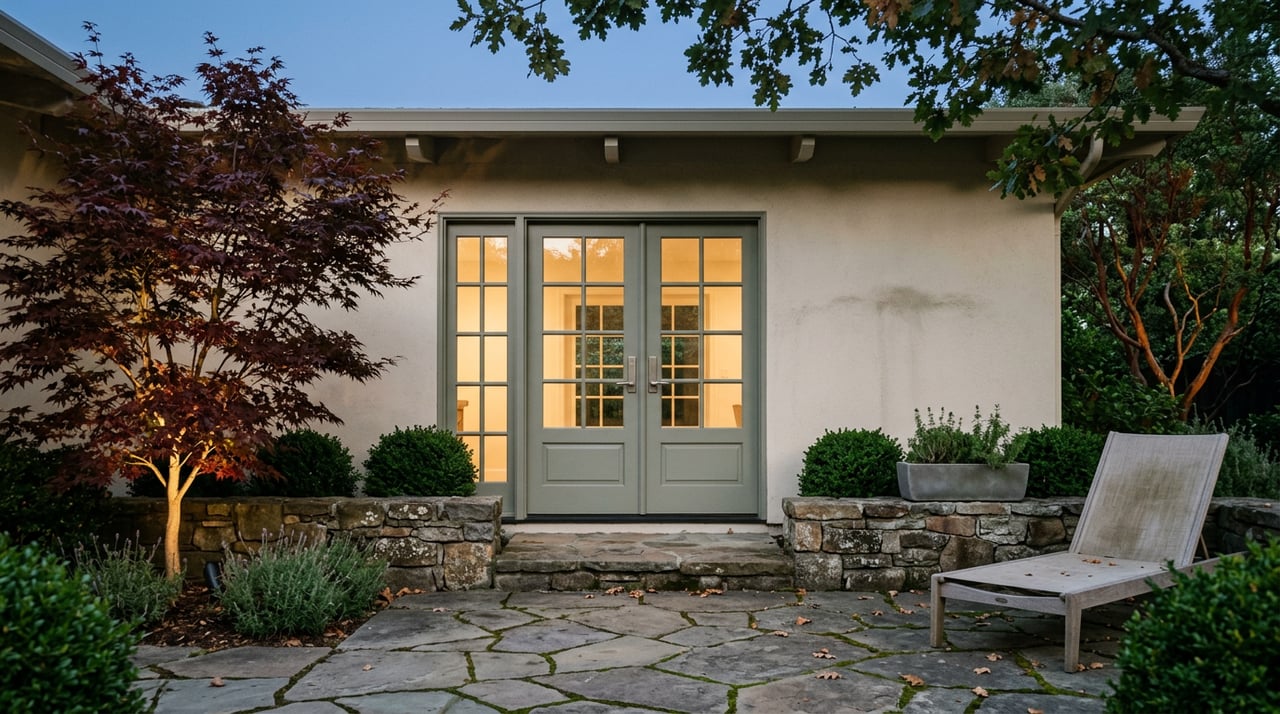
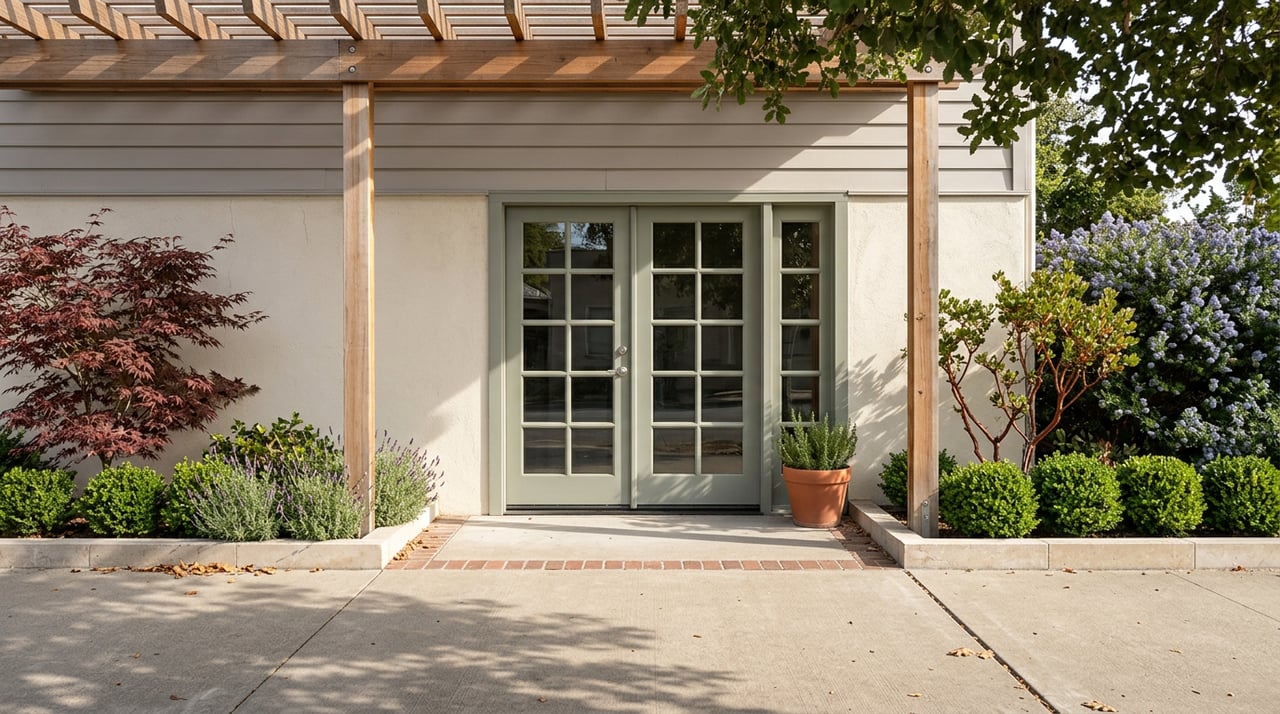
- Refreshing the front entry
- Repairing or repainting trim and siding
- Updating exterior lighting
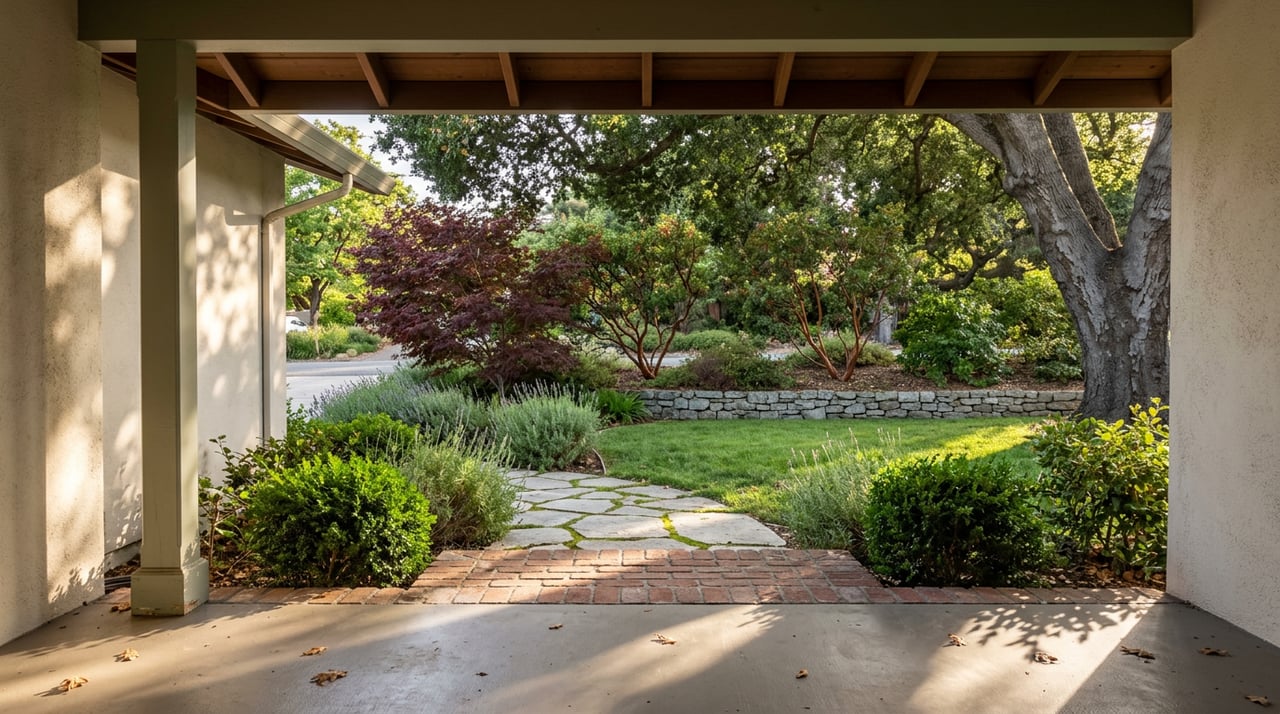
- Improving landscaping and cleanup
- Repairing the front walk or approach
- Addressing an aging or dated garage door
- Making the façade look neat, bright, and consistent
This type of work supports both photography and in-person showings. It also signals that the home has been cared for, which matters in a market where buyers are sensitive to condition.
Modernize Interiors Selectively
Inside the home, the goal is usually not a full reinvention. In many legacy or custom homes, a selective refresh is the smarter play because highly specific finishes do not appeal to every buyer. JLC’s trend analysis notes that more complex discretionary projects often produce lower returns because the choices are less universal.
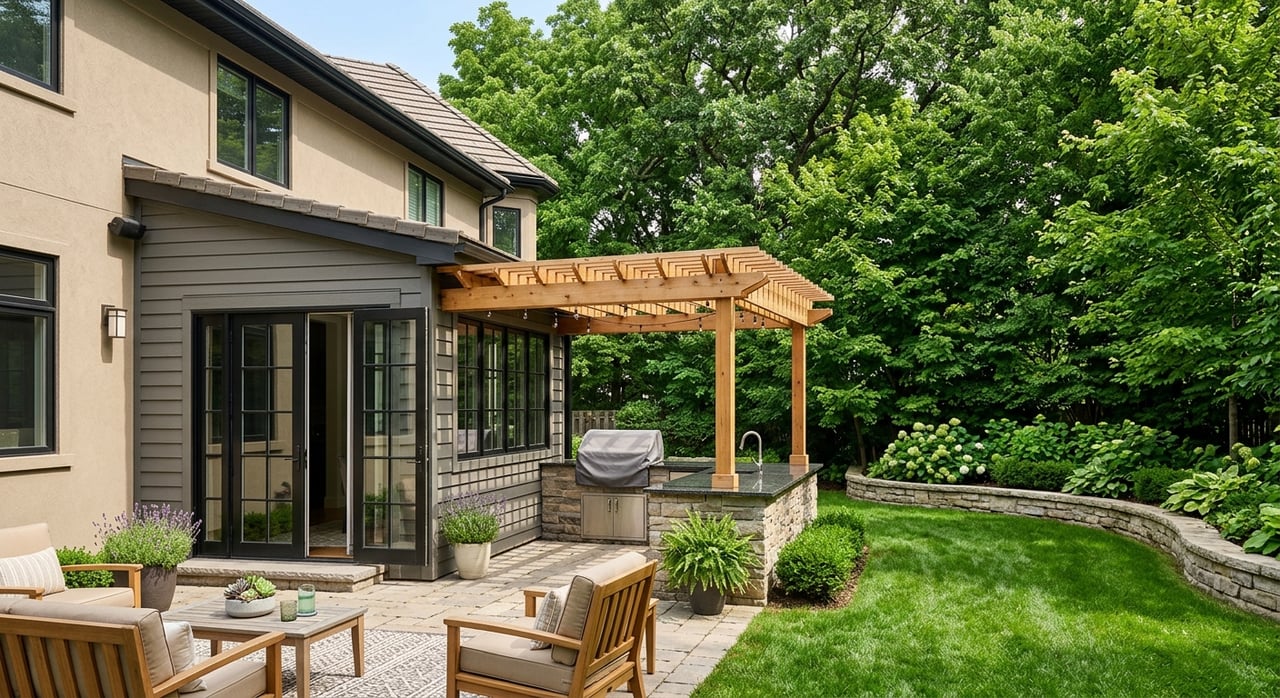
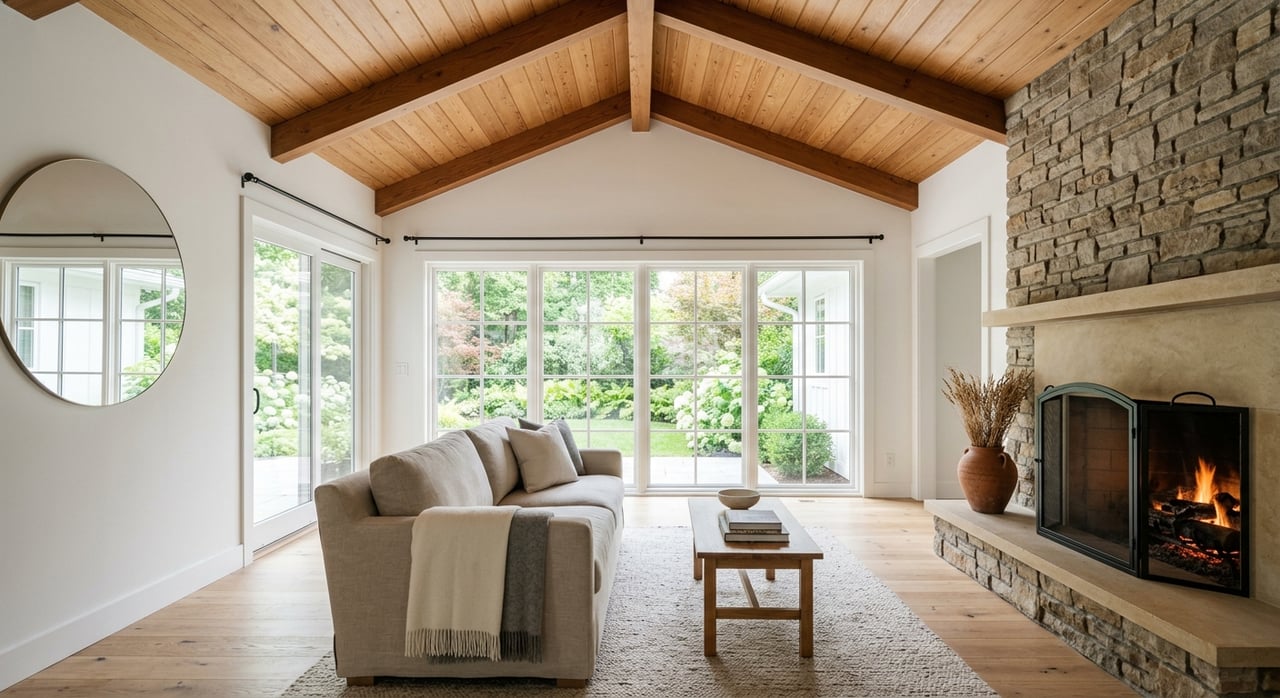
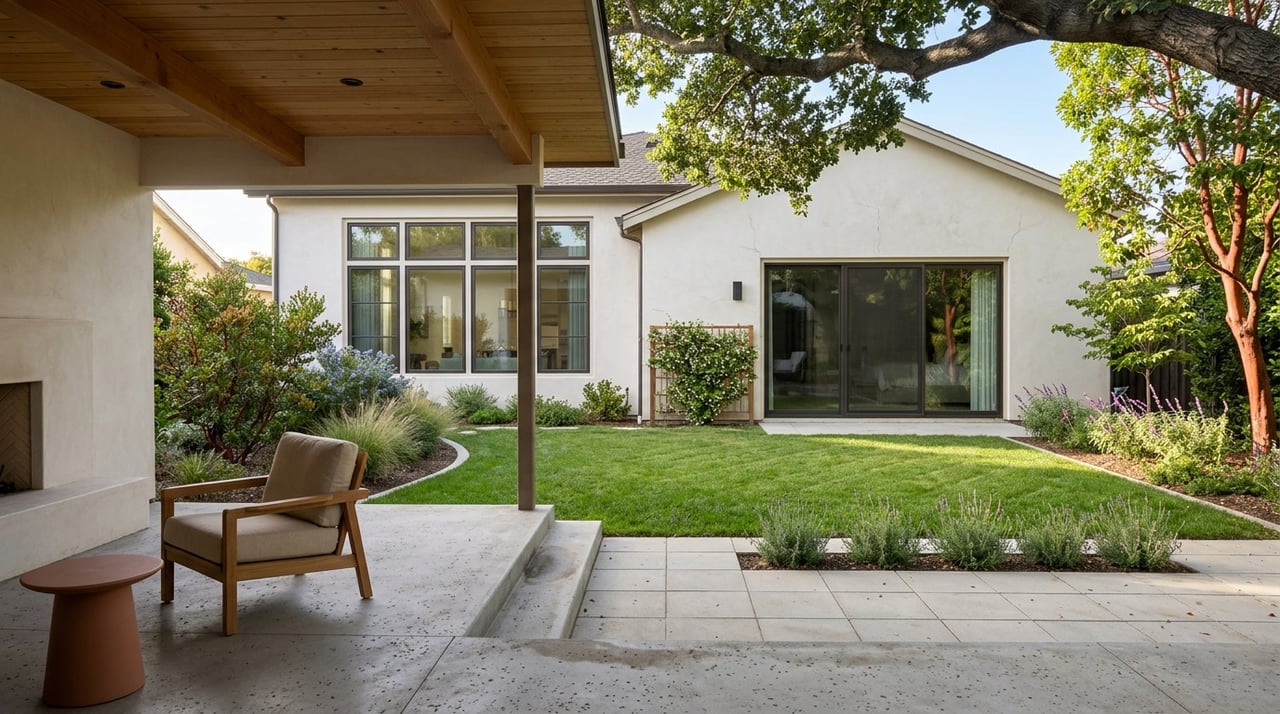
That is especially true in estate properties with strong bones. If the home already has good scale, natural light, architectural detail, or indoor-outdoor flow, you often get more value by sharpening the presentation than by erasing the personality.
Interior Updates Buyers Notice Most
The safest middle ground is to update the decision points buyers see and use every day. That often includes:
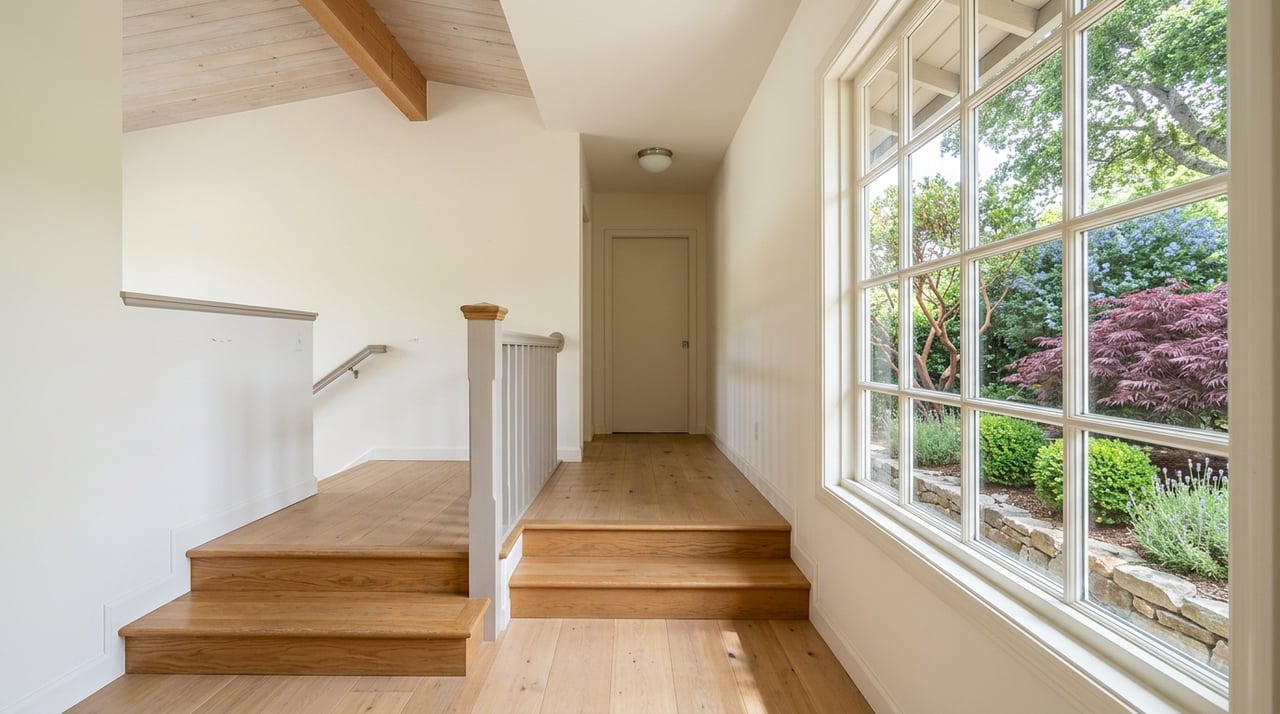
- Fresh, neutral paint
- Updated lighting
- New cabinet hardware
- Repaired or refinished flooring
- Cleaner flooring transitions
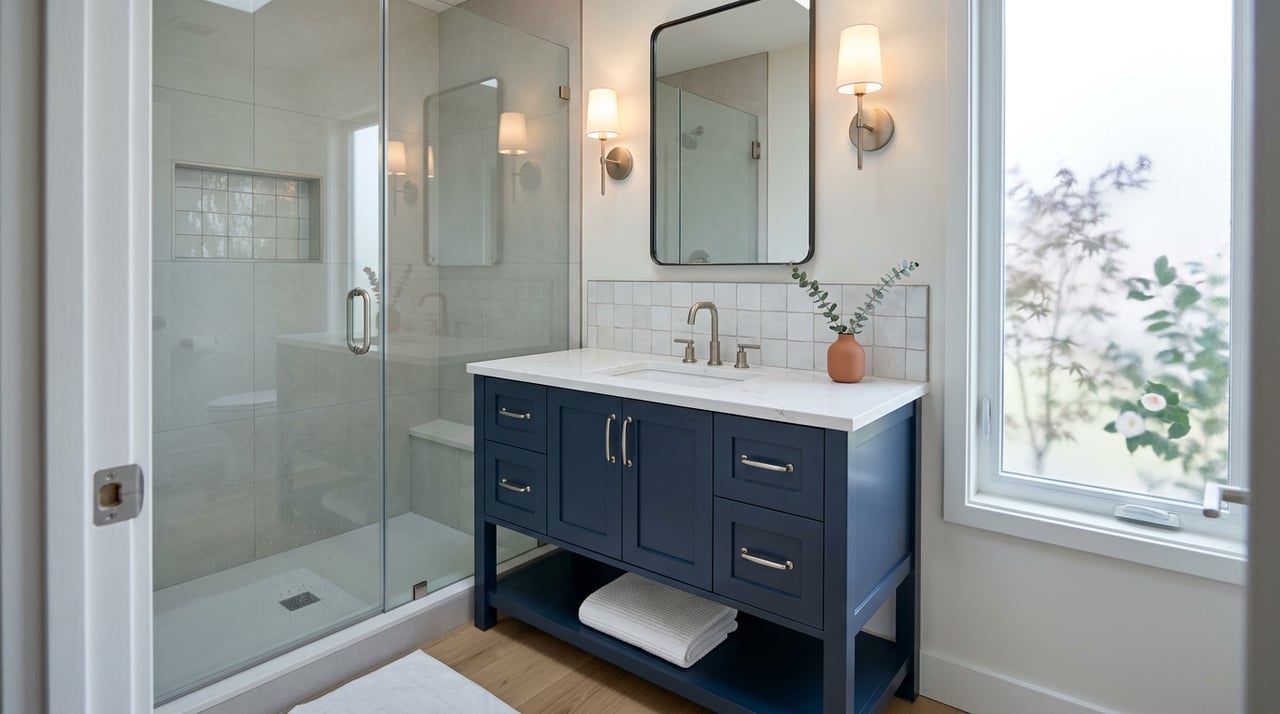
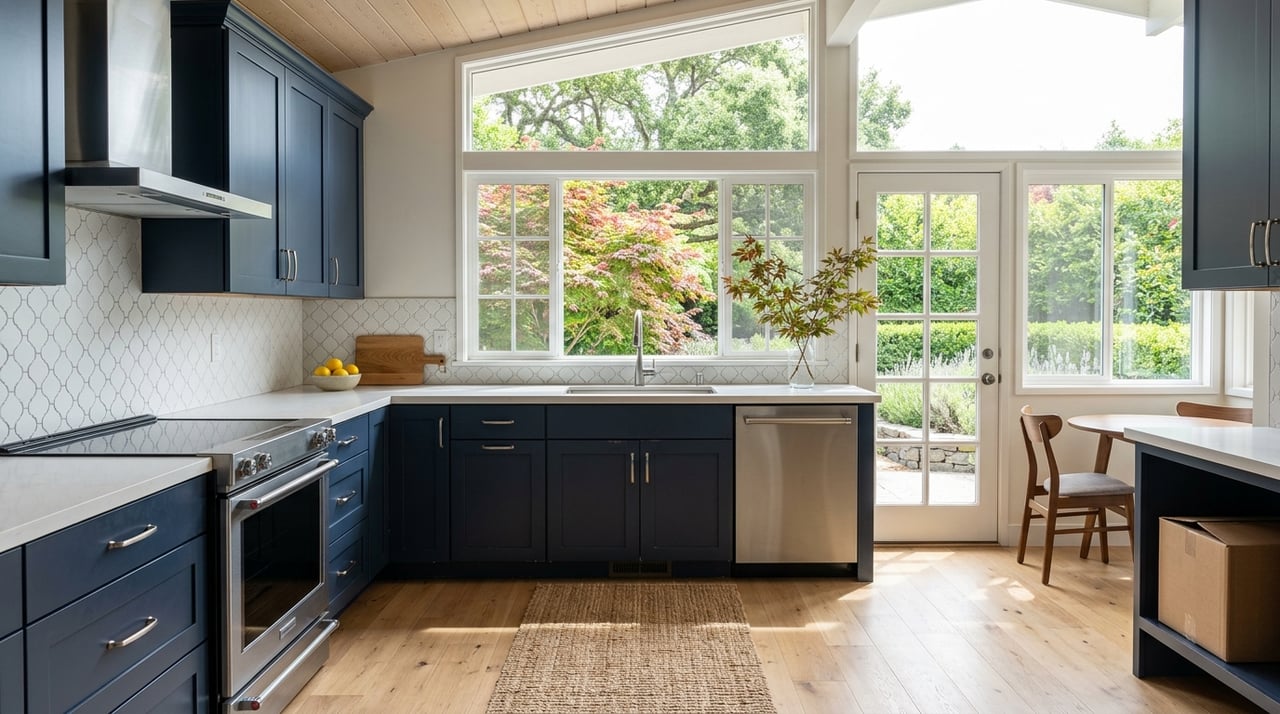
- Kitchen and bath touch-ups that read current in photos
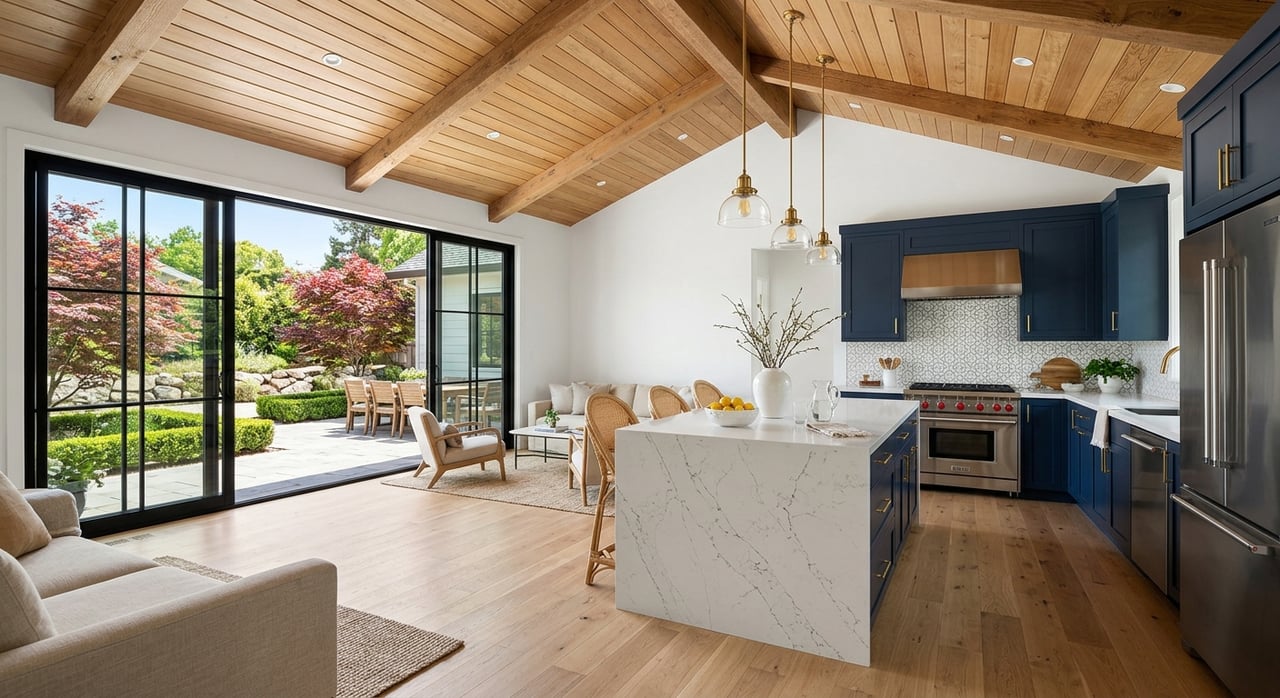
- Neutral surfaces that make rooms feel brighter and larger
This approach lets you preserve original character where it helps the home stand apart. At the same time, it removes distractions that can make a property feel dated or more work-intensive than it really is.
Do Not Ignore Energy and Operating Costs
Even in the luxury and move-up market, buyers think about comfort and monthly costs. NAR’s 2025 sustainability research found that heating and cooling costs mattered to 82% of buyers, while 77% said windows, doors, and siding were at least somewhat important. Buyers also showed interest in energy-efficient appliances, lighting, and solar.
For a Happy Valley estate, that means practical performance upgrades can support the sale story. Older windows, drafty doors, worn weather sealing, and inefficient lighting do not just affect utility costs. They can also make a large home feel less comfortable and less current during showings.
You do not need to chase every green feature. Instead, focus on improvements that are easy for buyers to understand and appreciate, especially when they improve comfort, appearance, and maintenance at the same time.
Prepare for a Digital-First Search
Most buyers will meet your home online before they ever step inside. According to NAR buyer data, internet searchers found photos, detailed property information, floor plans, and virtual tours especially useful. That means your home should be prepared for cameras before it is prepared for an open house.
This matters even more for large custom homes. Estate properties often have room count, scale, and layout advantages that do not read clearly unless the home is edited, staged, and photographed well. If the online presentation feels busy, dark, or inconsistent, buyers may never reach the showing stage.
What to Fix Before Photography
Before photo day, make sure you have addressed:
- Burned-out or mismatched light bulbs
- Overfilled shelves and surfaces
- Extra furniture that shrinks room scale
- Personal items that distract from architecture
- Patchy landscaping visible from key exterior angles
- Minor cosmetic flaws that will stand out in high-resolution images
In a premium market, the listing presentation is part of the product. Clean visuals, a clear floor plan, and a home that feels turnkey online can make a meaningful difference in early buyer interest.
Stage for Scale, Flow, and Light
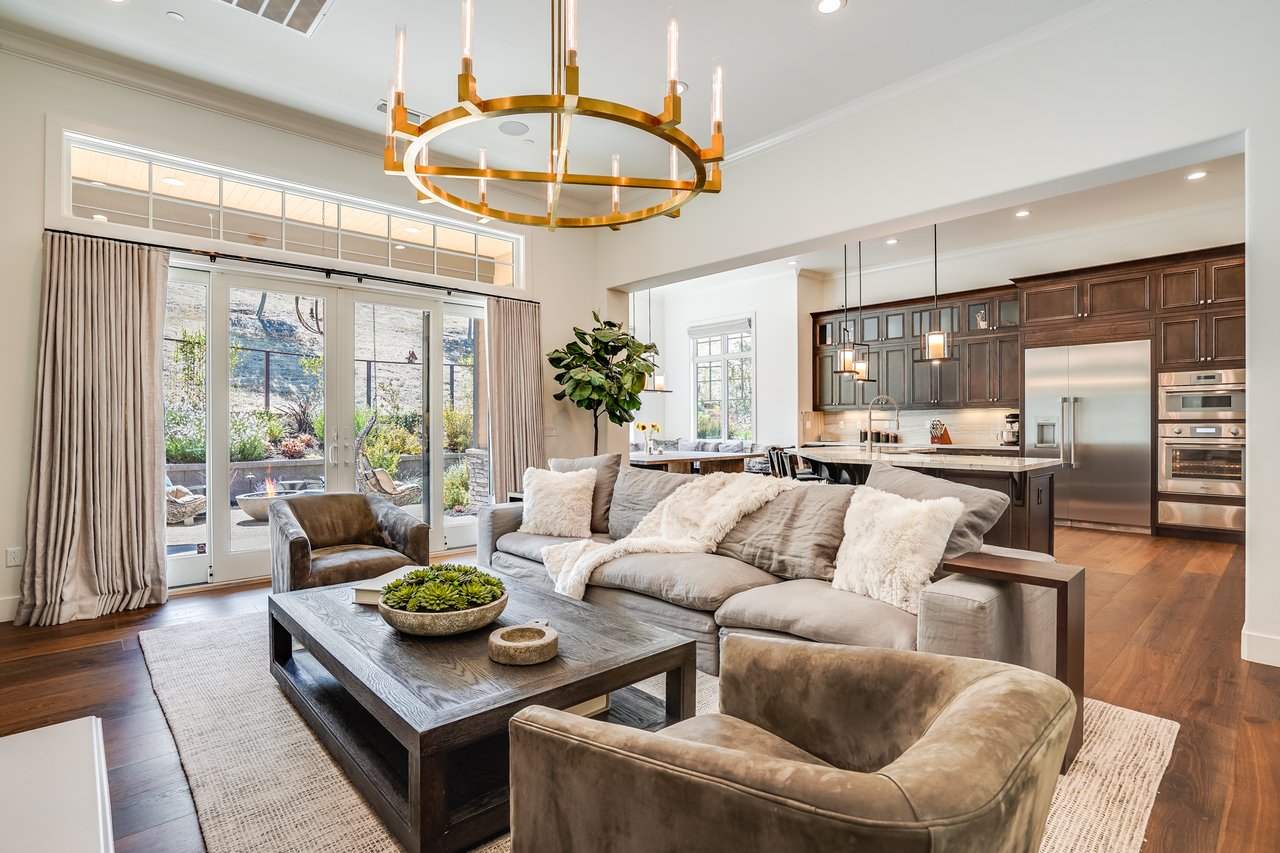
Staging is not about making an estate home look generic. It is about helping buyers understand how the spaces live. NAR’s 2025 staging report found that 83% of buyers’ agents said staging made it easier for buyers to visualize the property as a future home, while 49% of sellers’ agents said staging reduced time on market.
The rooms that matter most are the living room, primary bedroom, and kitchen. In many homes, the dining room also deserves attention. These spaces tend to anchor the emotional and functional story of the property.
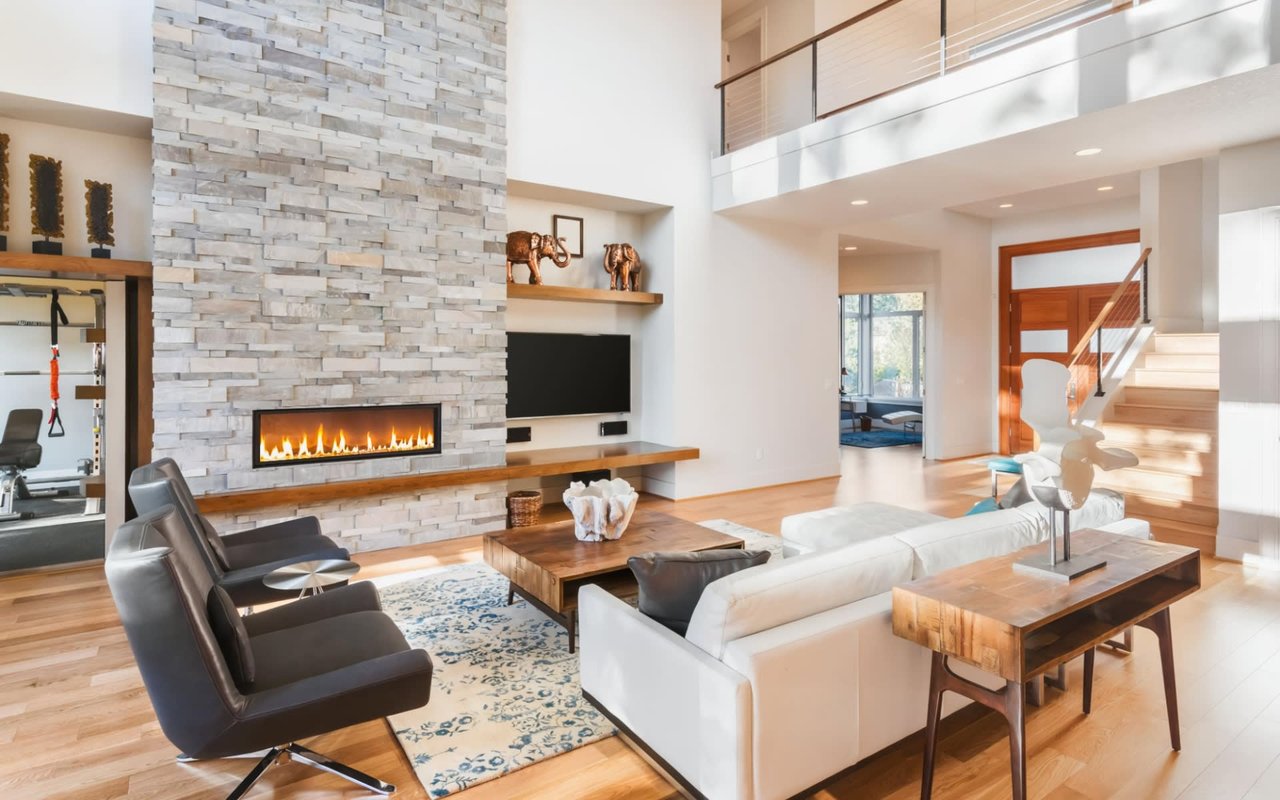
For occupied Happy Valley homes, the staging goal is usually scale and flow. That may mean reducing visual clutter, simplifying furniture layouts, and letting the volume of the rooms, the architectural details, and the views come forward.
Preserve Character Without Dating the Home
One of the biggest mistakes sellers make is assuming that every older estate needs a full modernization. Often, the better strategy is to keep the elements that give the home identity while updating the places where buyers feel age most directly.
In practice, that usually means preserving strong architectural bones and modernizing kitchens, primary baths, lighting, hardware, and performance features. Buyers tend to respond well when a home feels authentic but also easy to live in today.
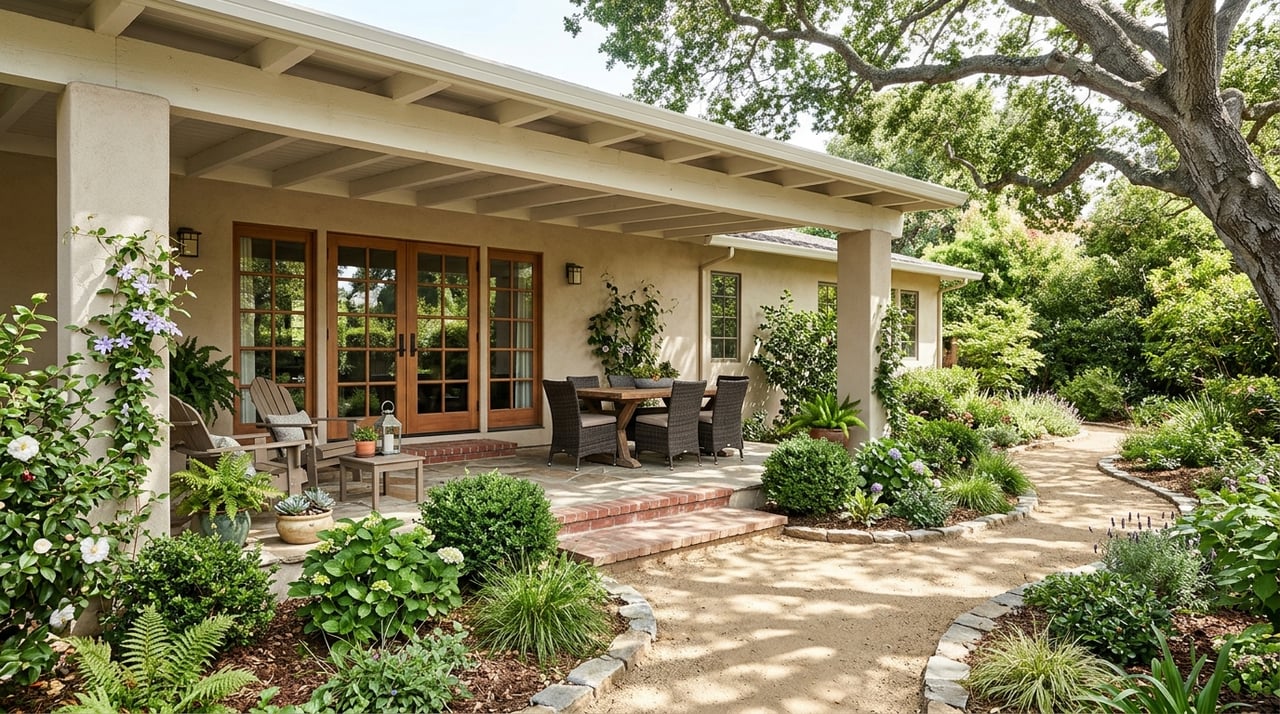
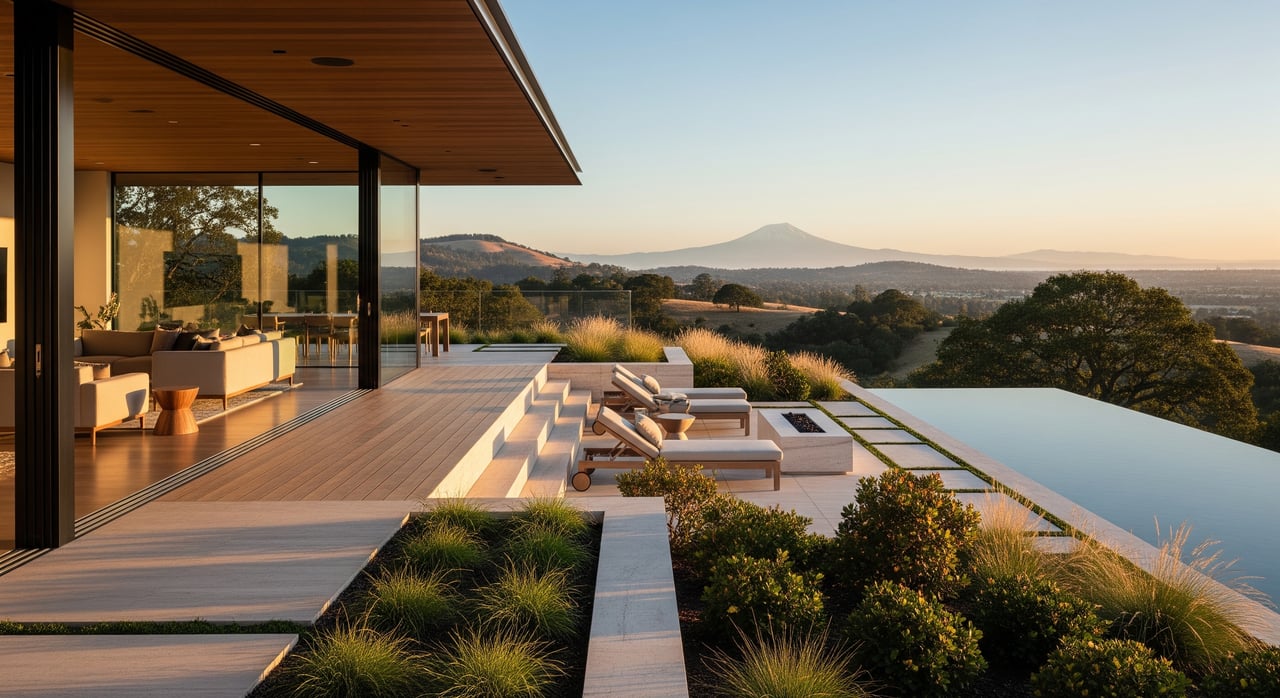
That balance matters in Happy Valley, where many homes have custom design, mature landscaping, and a sense of place. The goal is not to turn a distinctive property into a copy of everything else on the market. The goal is to make it feel polished, functional, and broadly appealing.
Know the Wildfire Sale Requirements
Some pre-listing work is optional, and some of it may be tied to disclosure or inspection requirements. California Civil Code 1102.6f requires a wildfire disclosure notice for certain properties in a high or very high fire hazard severity zone if the home was built before January 1, 2010.
Contra Costa County Fire Protection District says it provides defensible-space and AB38 compliance inspections during property sales. CAL FIRE also says that when a property in a high or very high fire hazard severity zone is sold, the seller will need documentation of a compliant defensible-space inspection.
Because requirements depend on the property and zone, it helps to identify these issues early. Common vulnerabilities noted by CAL FIRE include larger vent openings, untreated wood roof coverings, combustible materials within five feet of the home, single-pane or non-tempered windows, missing roof flashing, and gutters without metal or noncombustible covers.
A Smart 6 to 18 Month Plan
If you have time before listing, sequence matters. The best results usually come from making decisions in the order buyers will experience the home and in the order that protects value.
A practical pre-sale sequence looks like this:
- Inspect and repair safety issues and deferred maintenance.
- Complete high-impact exterior and entry updates.
- Refresh visible interior surfaces and performance items.
- Stage, photograph, and launch only when the home feels cohesive.
This approach helps you avoid spending heavily in the wrong places. It also creates a smoother path from repair planning to marketing, which is especially important when you are managing a larger property with more moving parts.
The best pre-listing strategy for a Happy Valley estate is rarely about doing everything. It is about doing the right things in the right order so buyers see care, quality, and ease from the first photo to the final showing. If you want a practical plan tailored to your home, the Paddy Kehoe Team can help you map the work, prioritize the spend, and bring the property to market with confidence.
FAQs
What updates matter most before selling a Happy Valley estate?
- The highest-impact updates usually start with safety and deferred maintenance, then move to curb appeal, entry improvements, selective interior refreshes, and staging.
Should you remodel the kitchen before listing a Happy Valley home?
- Not always. Regional ROI data suggests exterior improvements often outperform major interior remodels, so a selective kitchen refresh may make more sense than a full renovation.
How should you stage a larger custom home in Happy Valley?
- Focus on the living room, primary bedroom, kitchen, and sometimes the dining room, while reducing clutter and simplifying furniture so scale, flow, and light are easier to see.
Do wildfire issues affect a home sale in Contra Costa County?
- They can. Depending on the property and fire hazard zone, sellers may need wildfire disclosure documentation and a compliant defensible-space inspection during the sale process.
What do buyers notice first when shopping for estate homes online?
- Buyers place a high value on strong photos, detailed property information, floor plans, and virtual tours, so preparation for photography should happen before showings begin.