Wondering whether it makes more sense to remodel your Burton Valley home or move to another one nearby? You are not alone. In a neighborhood with older ranch homes, limited inventory, and strong demand, that choice is often less about preference and more about where your money, time, and stress will go furthest. This guide walks you through the trade-offs so you can make a smarter decision with clear local context. Let’s dive in.
Why This Question Comes Up in Burton Valley
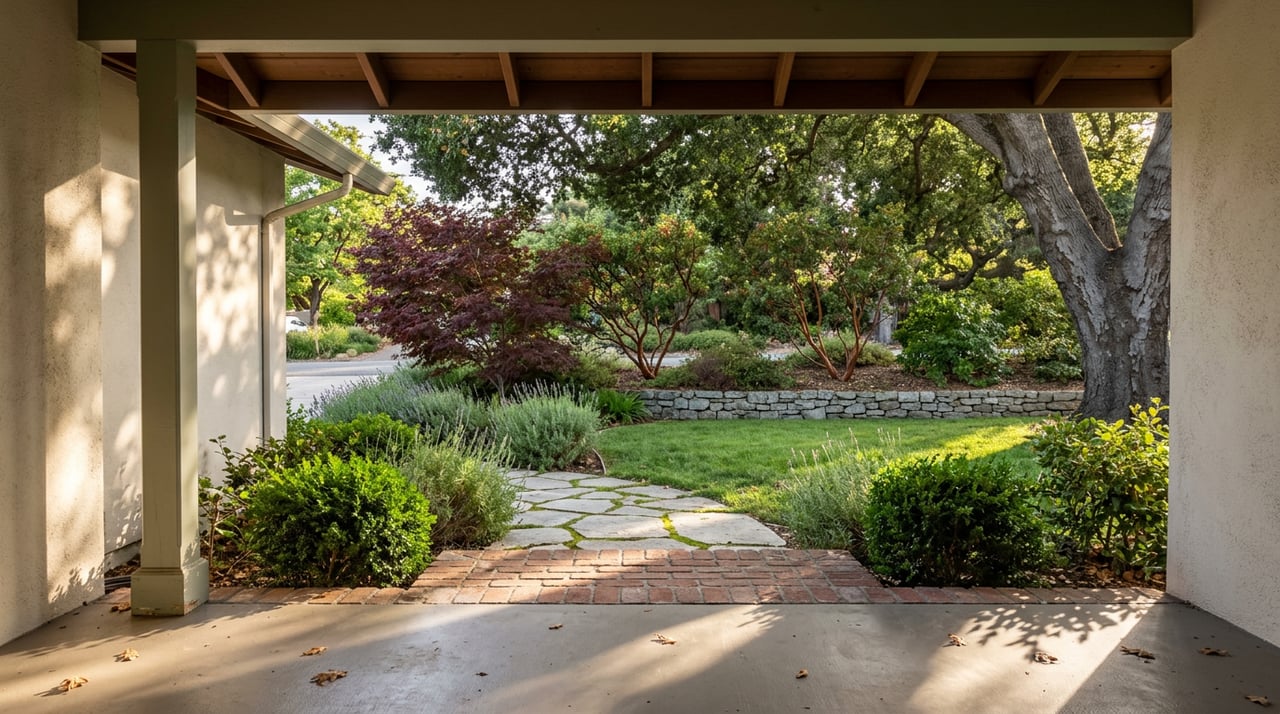
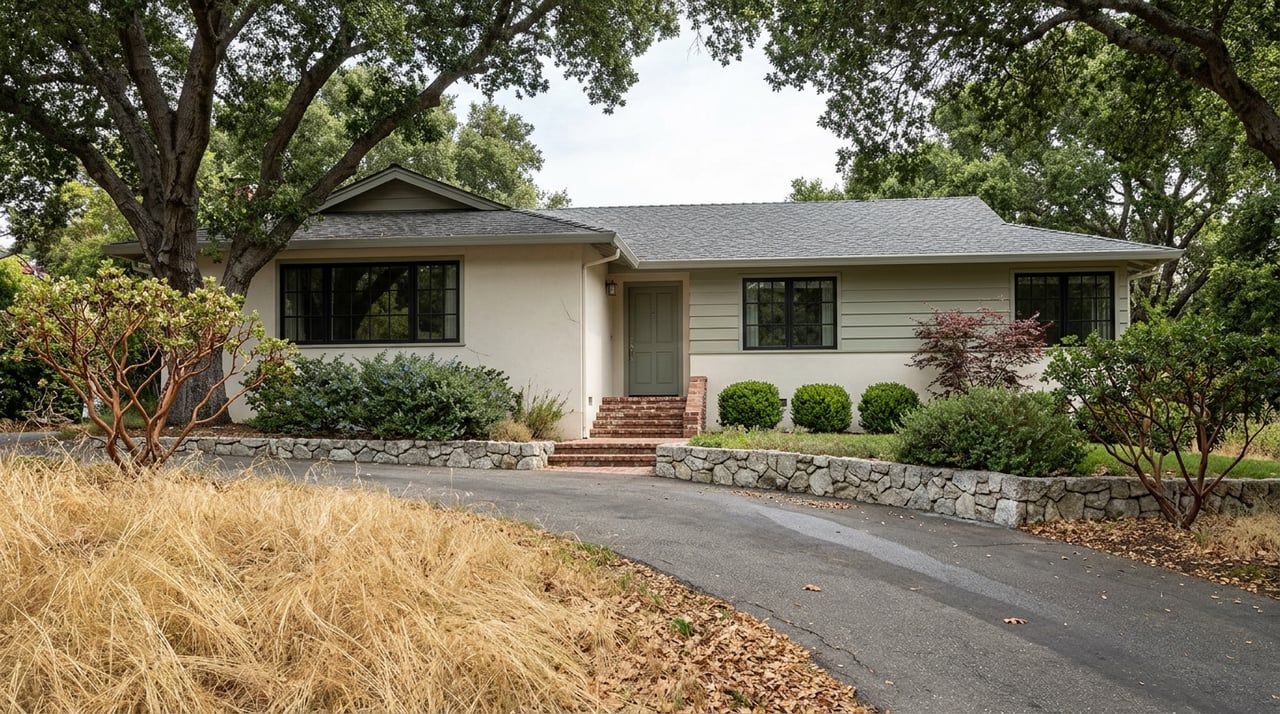
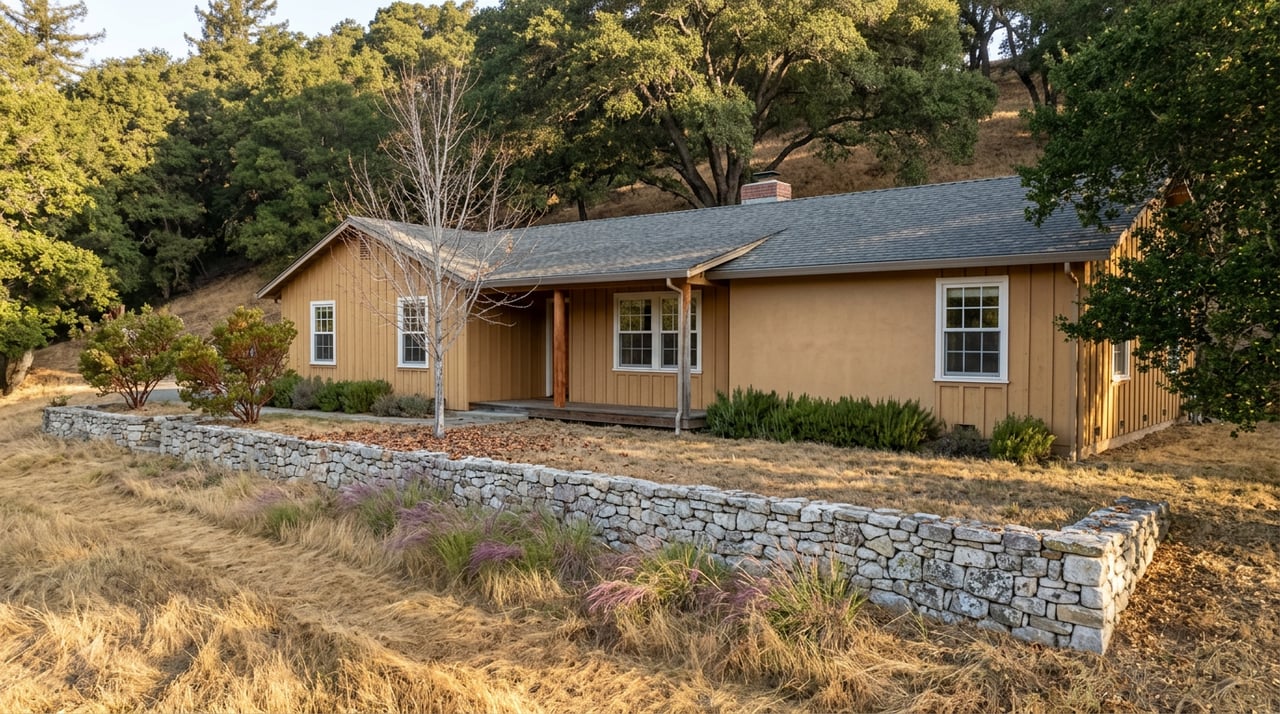
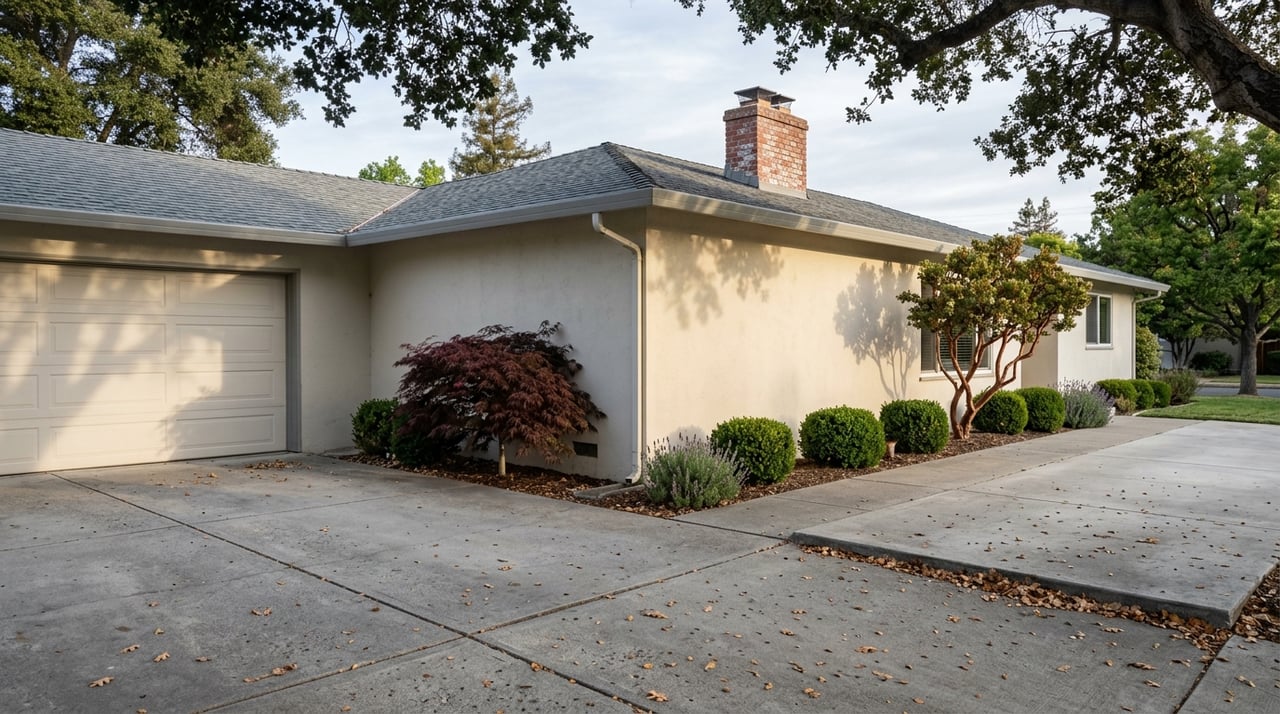
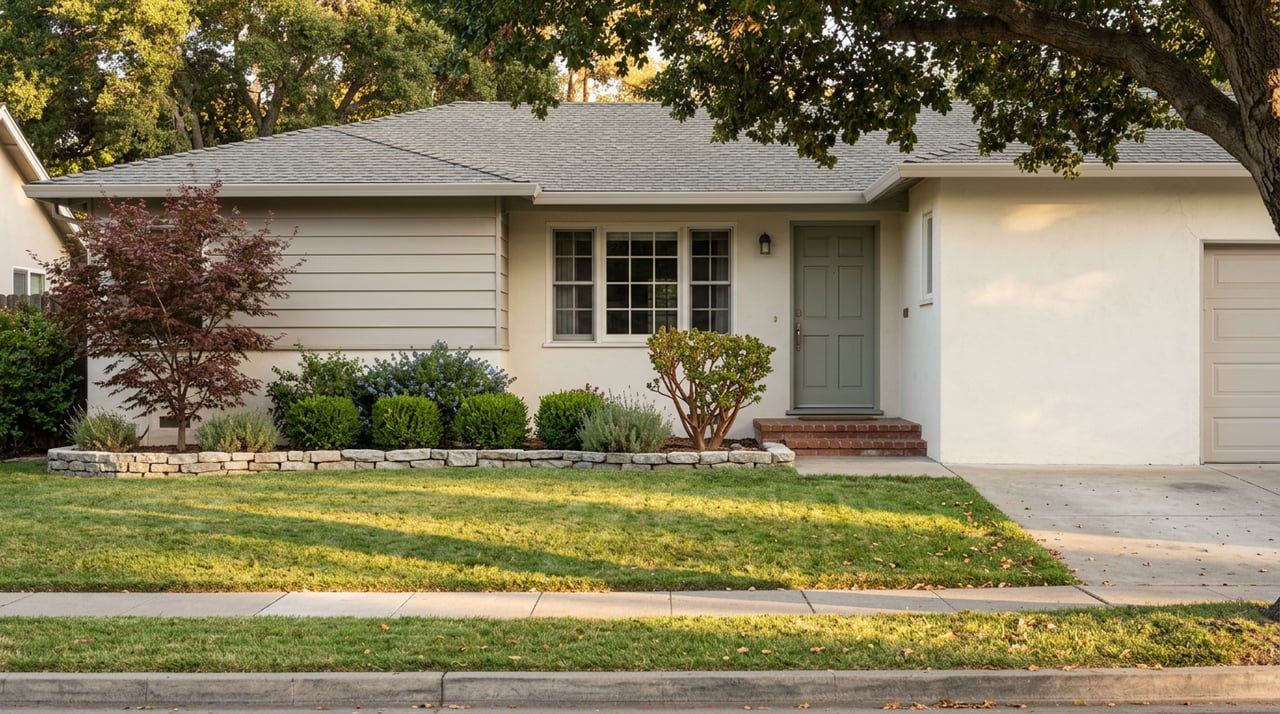
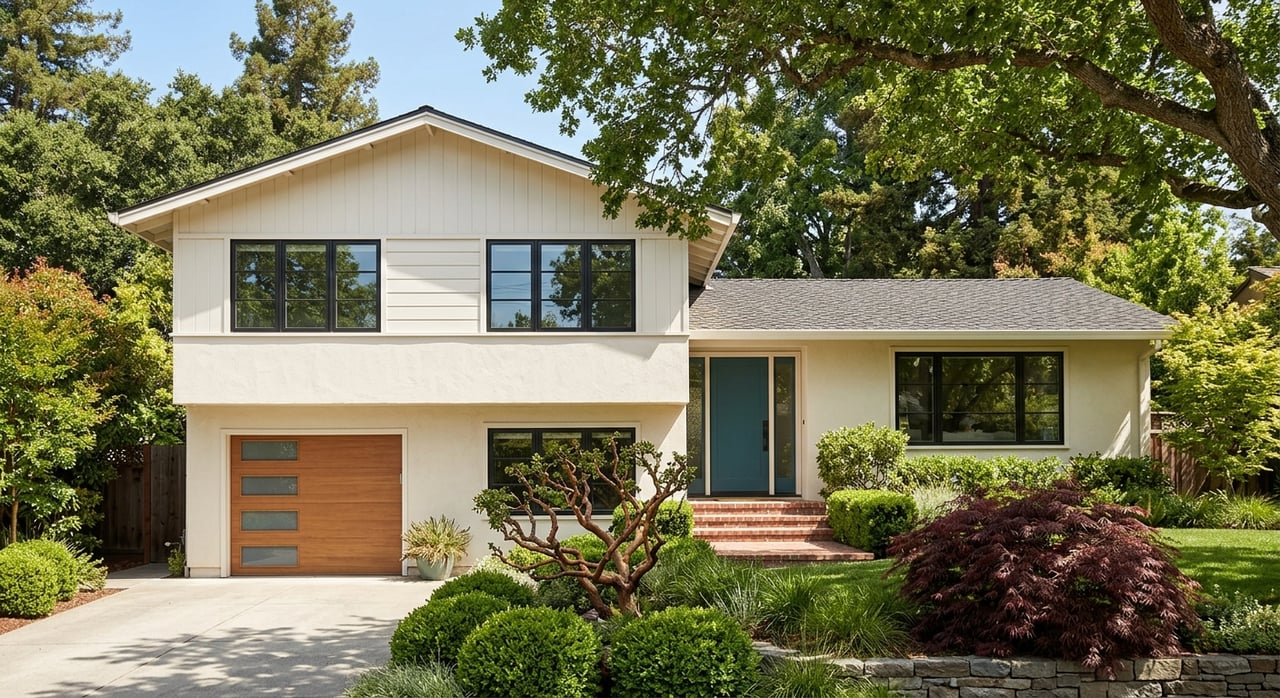
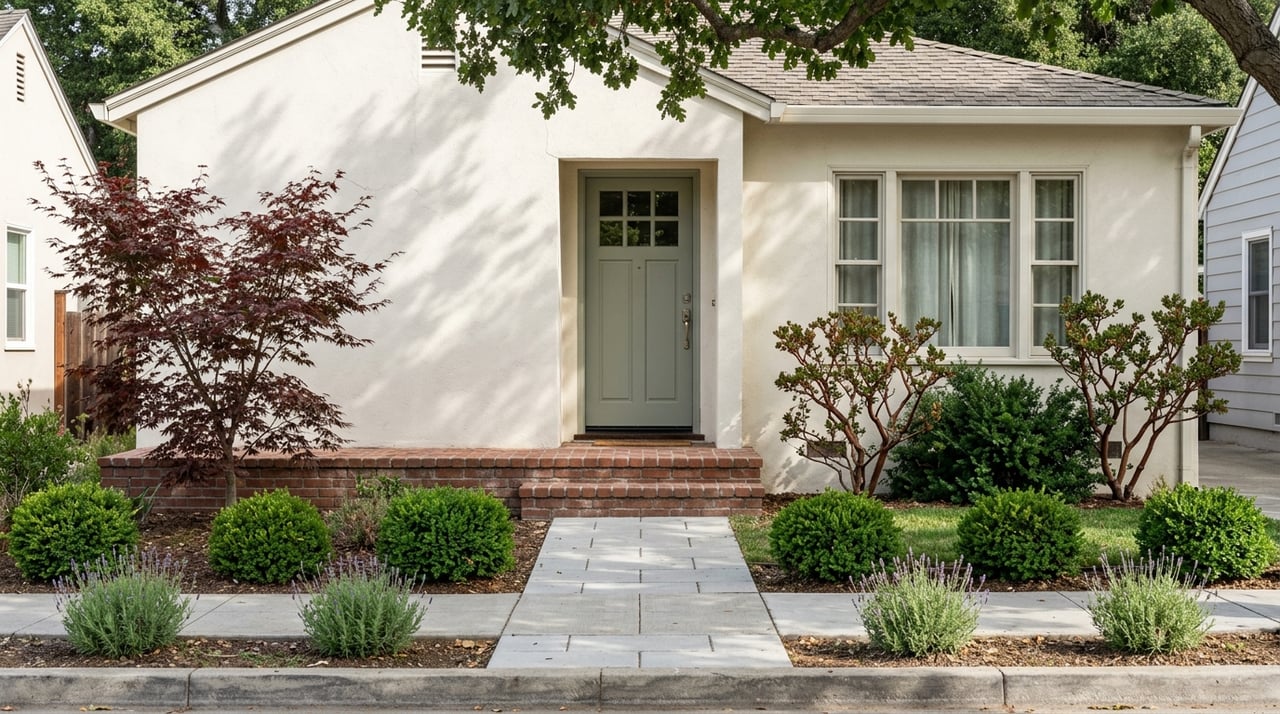
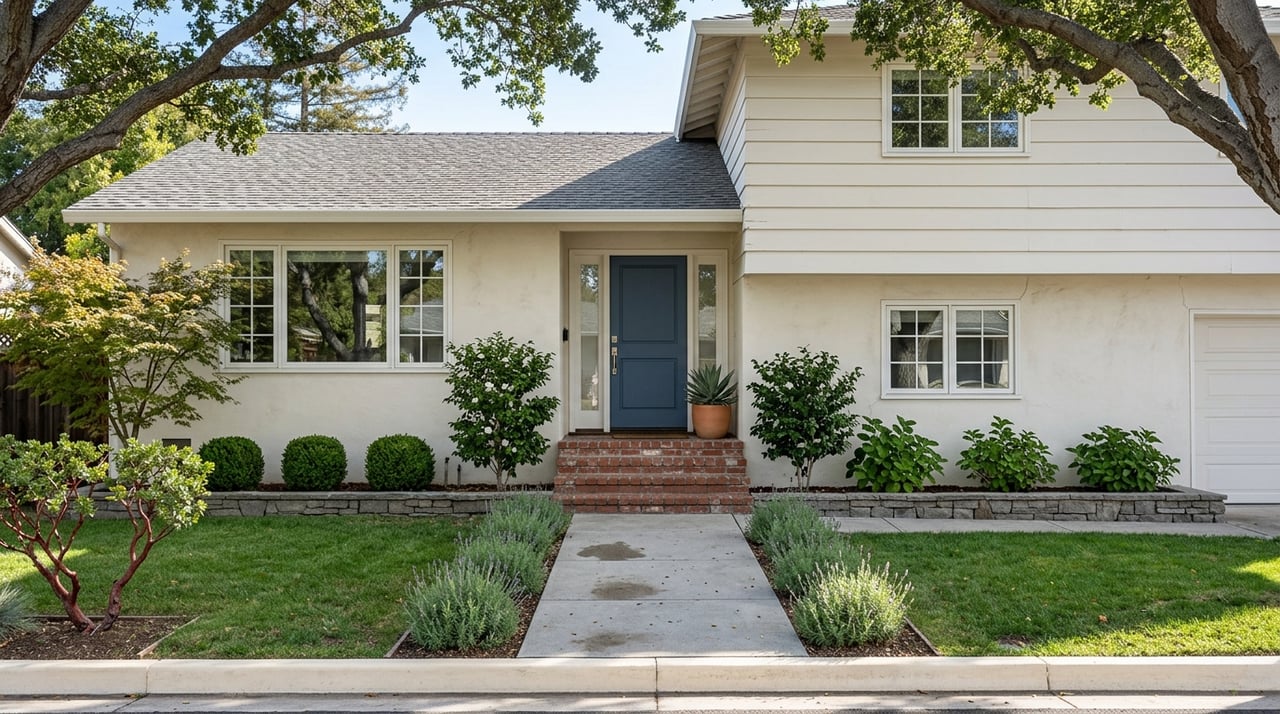
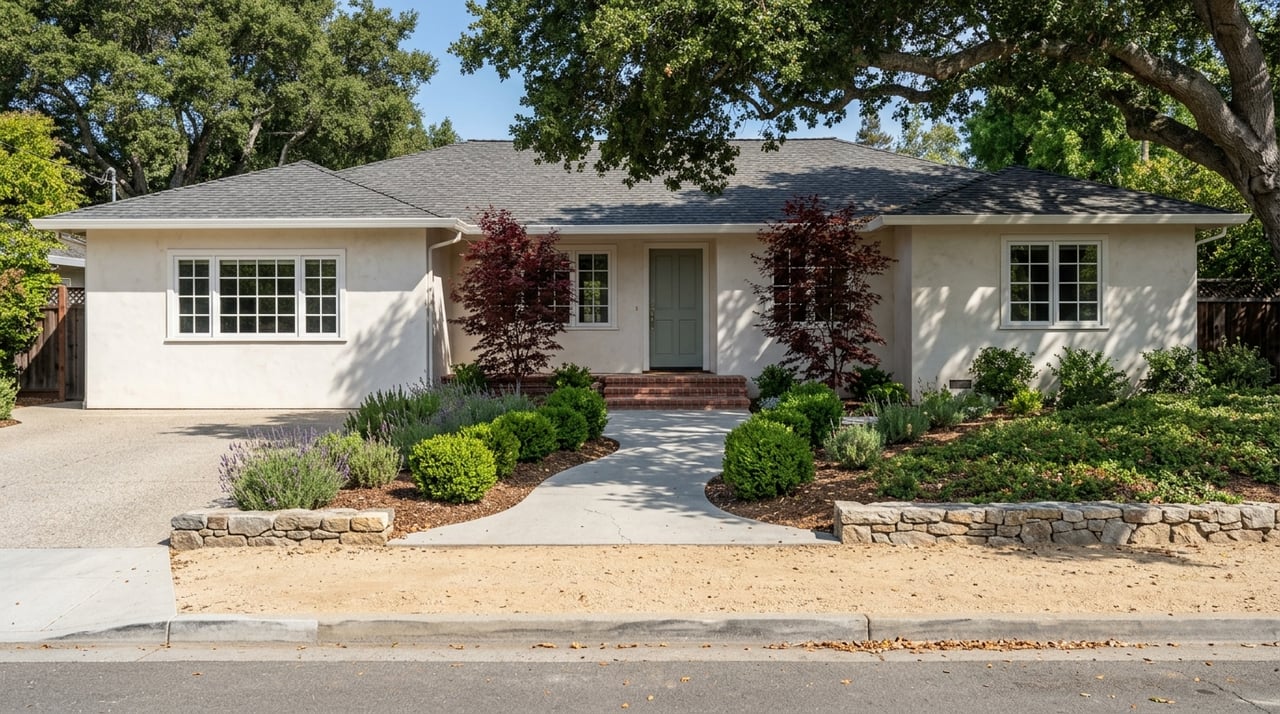
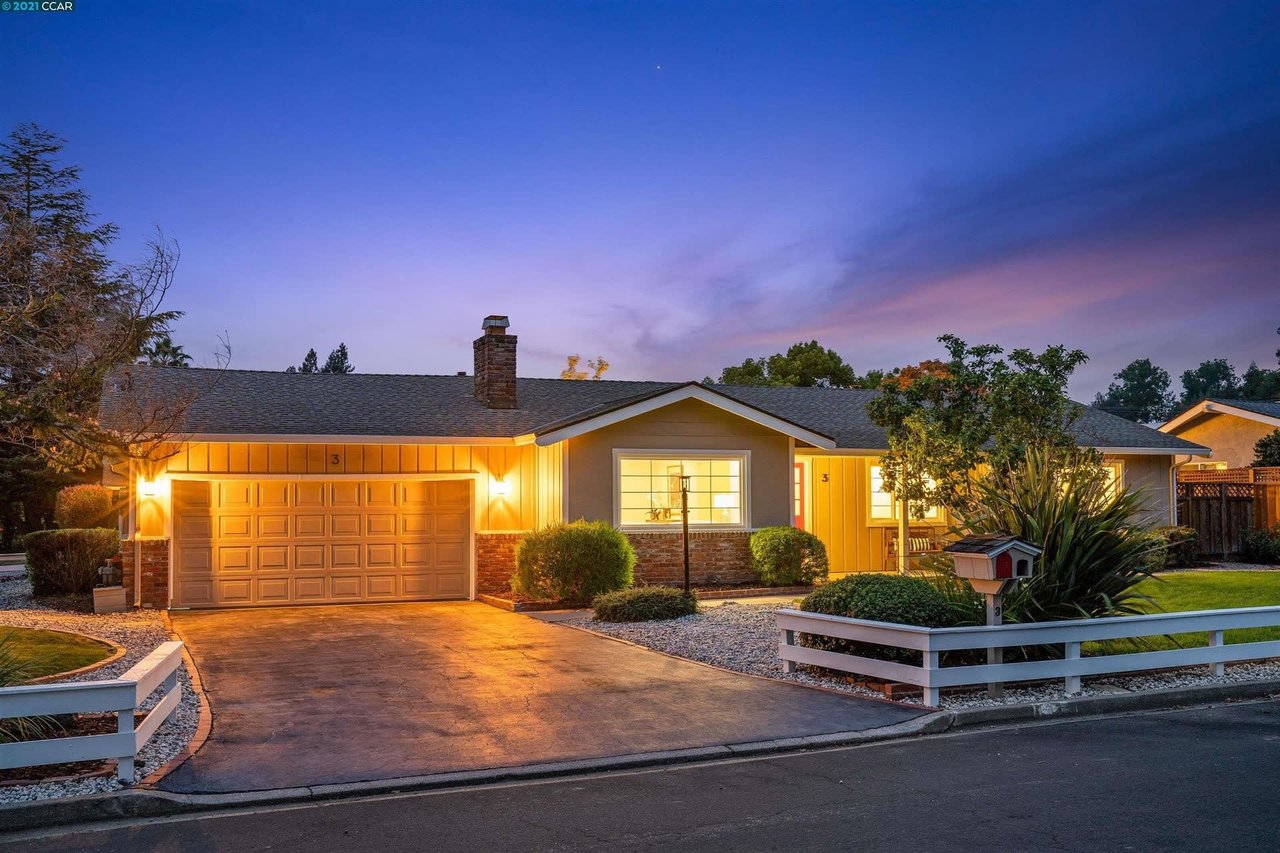
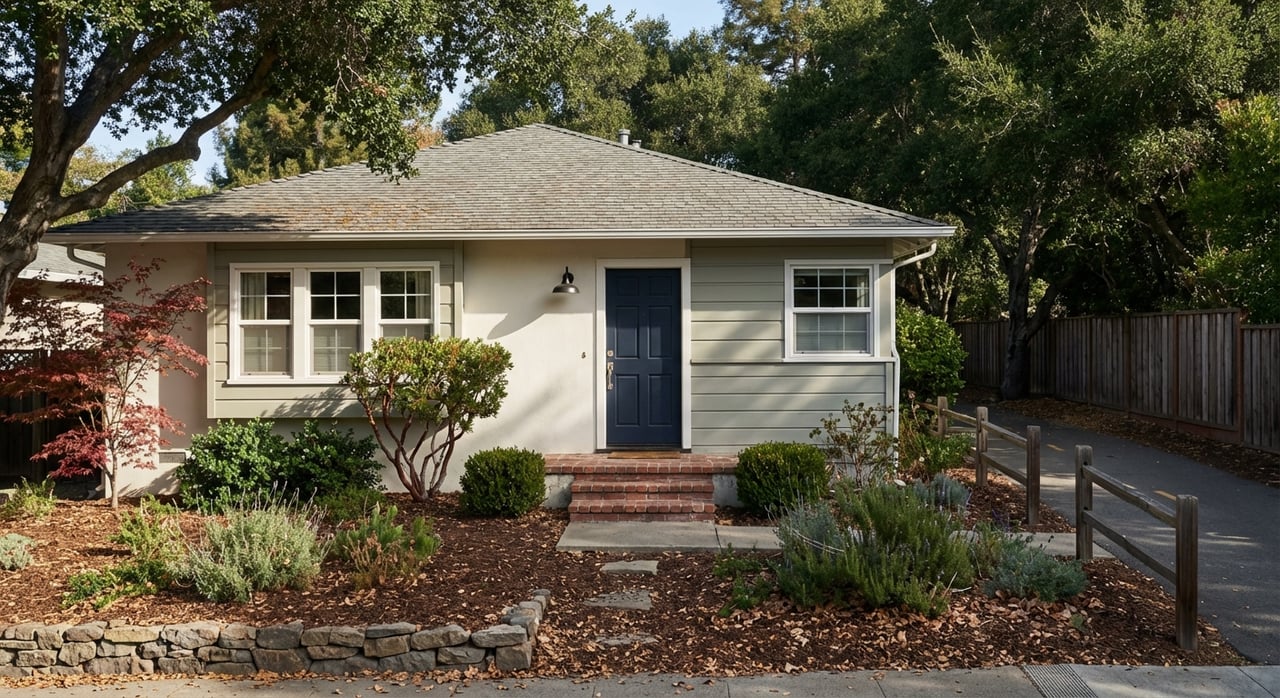
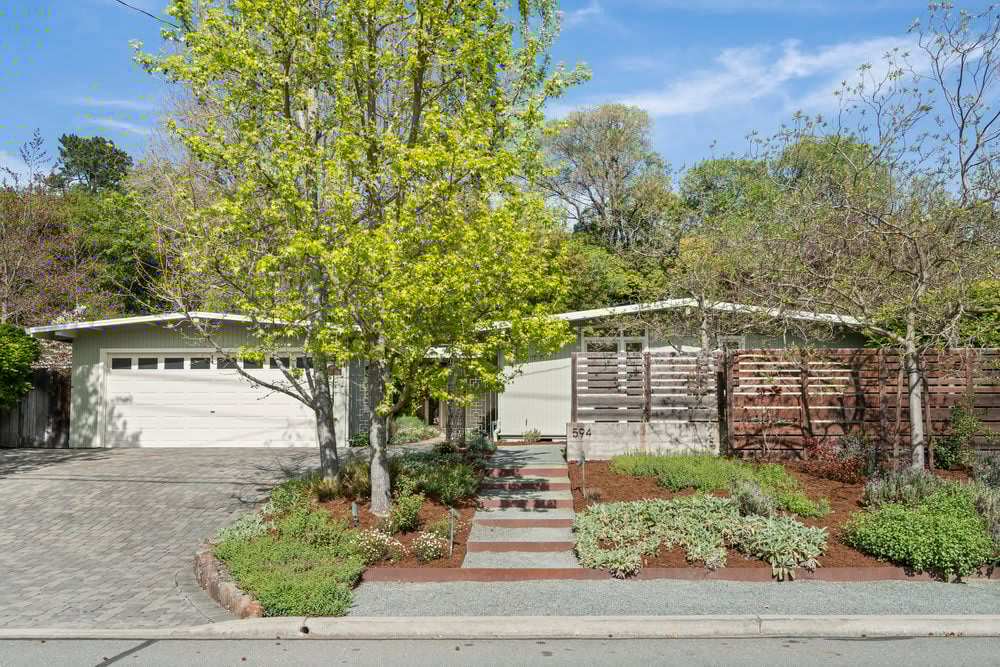
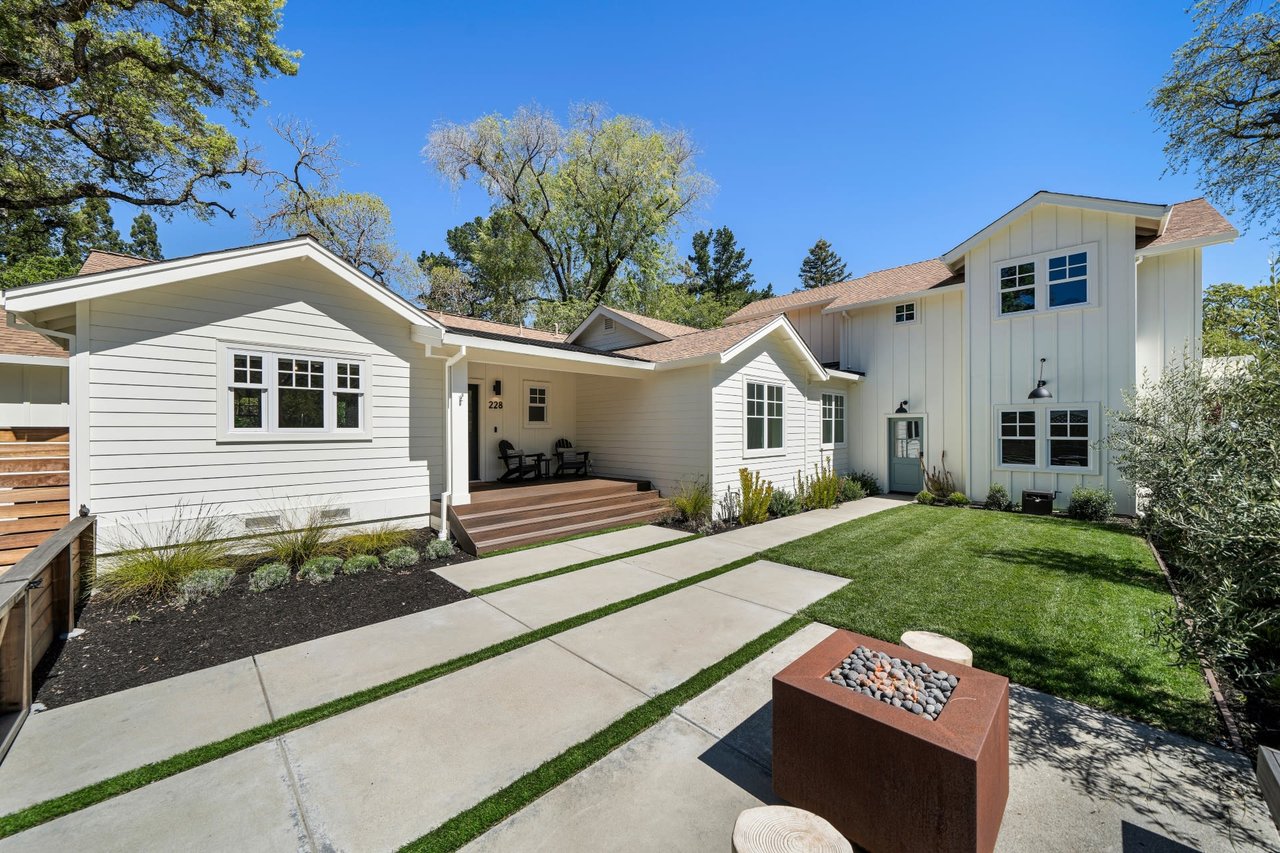
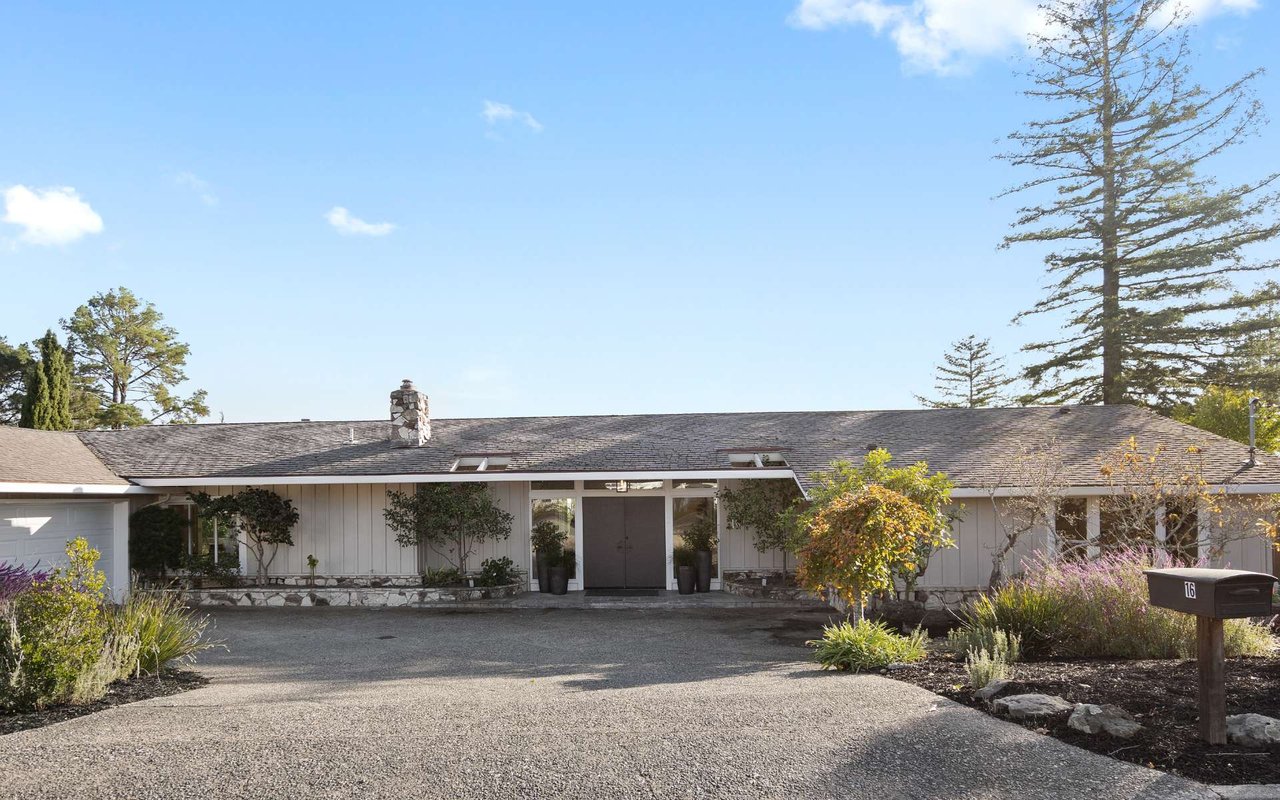
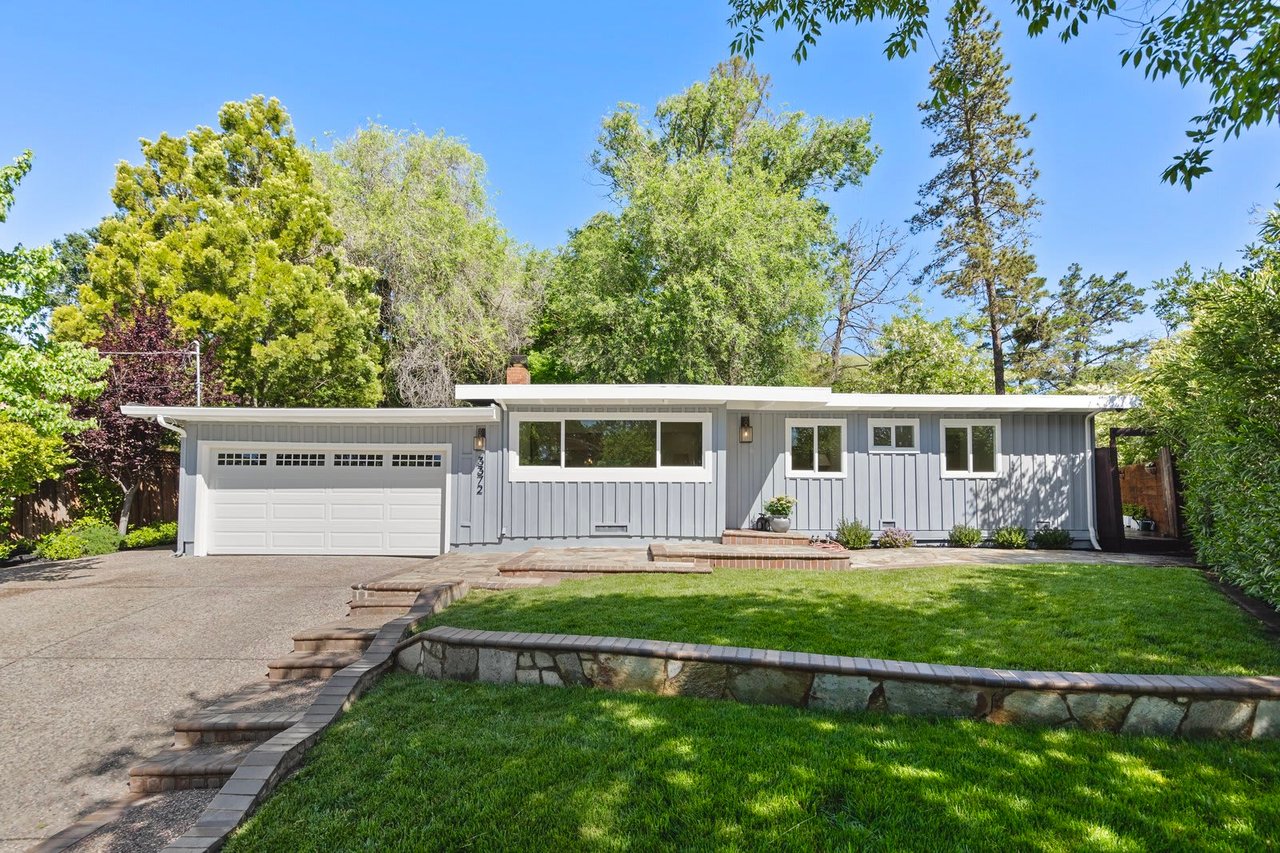
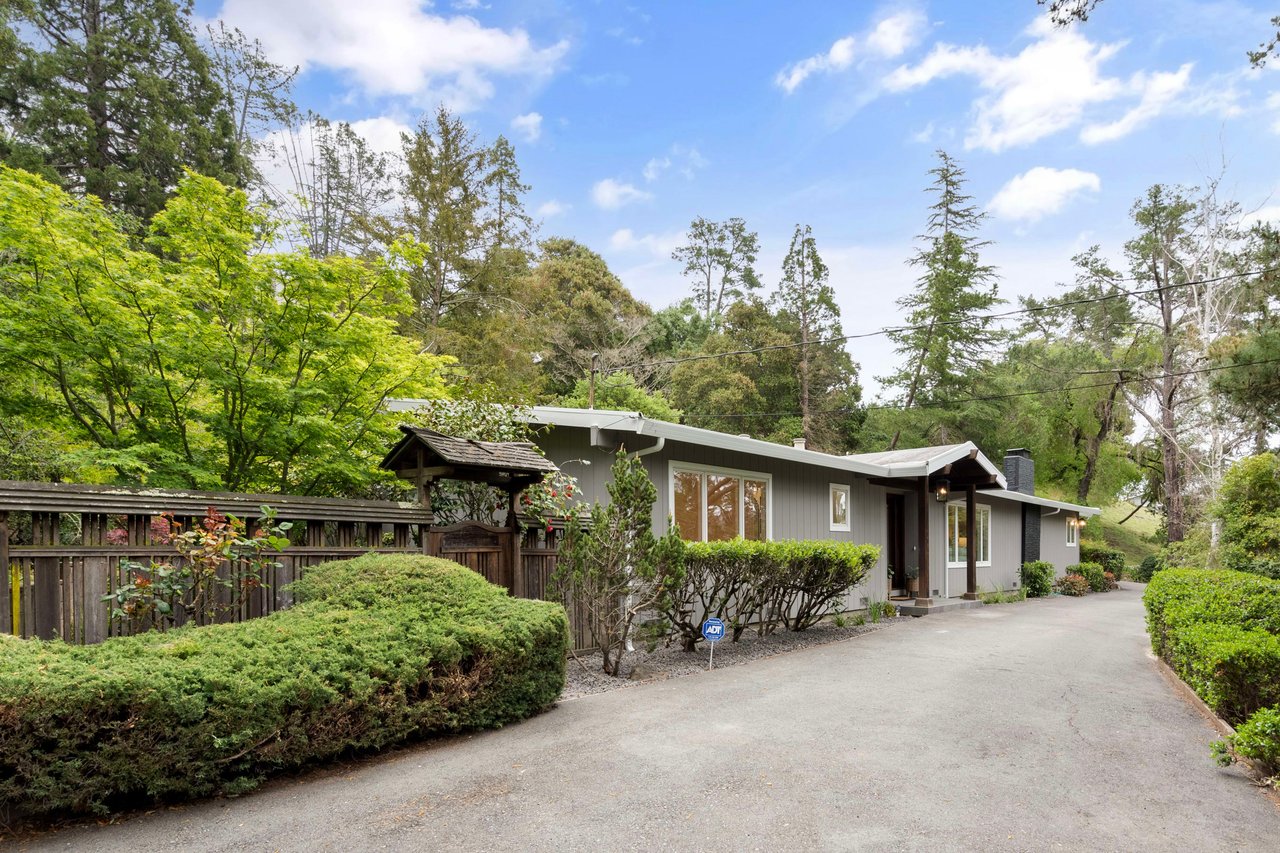
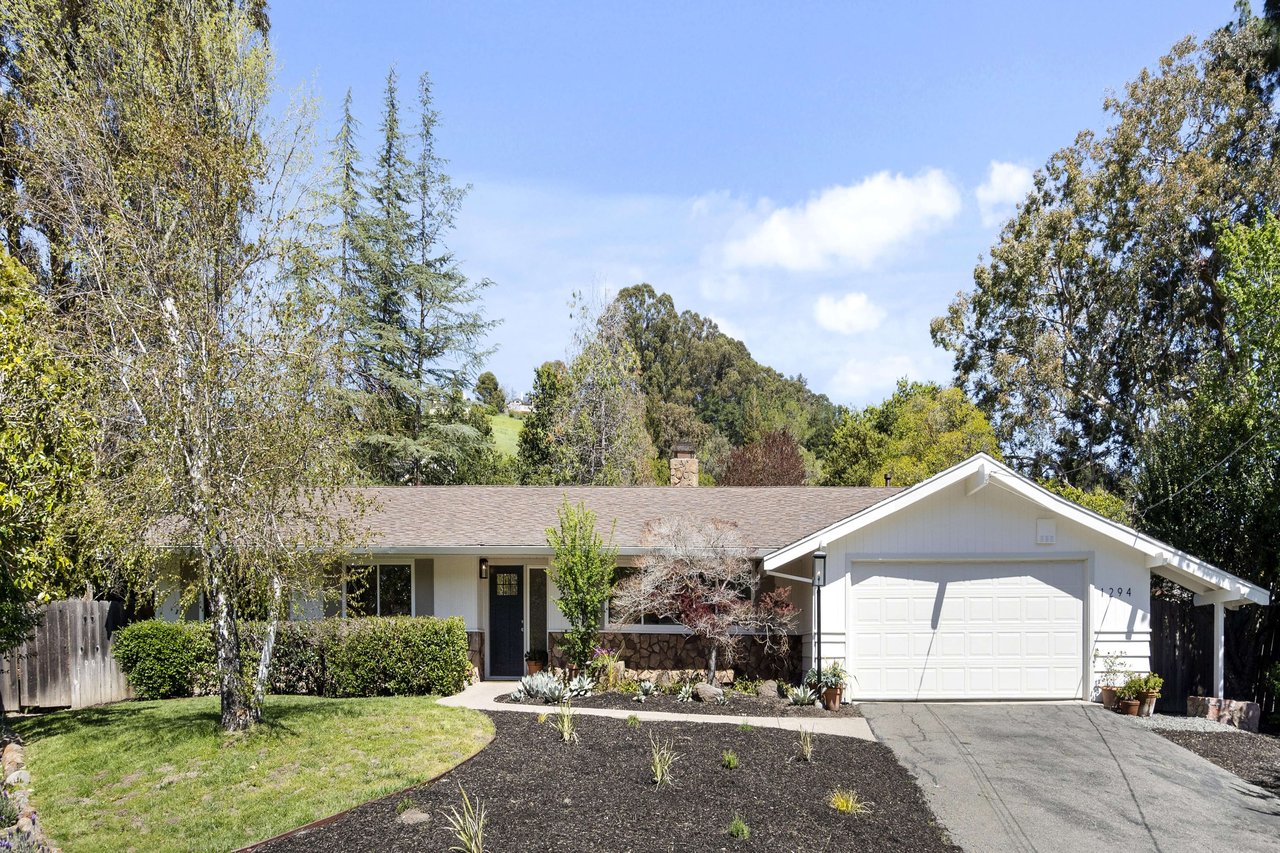
Burton Valley’s housing stock naturally creates this decision. Lafayette city history notes that many Burton Valley homes were built in the post-World War II era, including low-slung ranchers developed by Marchant with footprints around 1,700 square feet, plus porches, family rooms, and garages. That means many homes have good bones, but they may not match how you want to live today.
Because these are not new-construction homes, owners often look at reworking the layout, updating kitchens and baths, or adding square footage instead of starting over somewhere else. If you already like your lot, your street, and your daily routine, remodeling can feel like the more practical path.
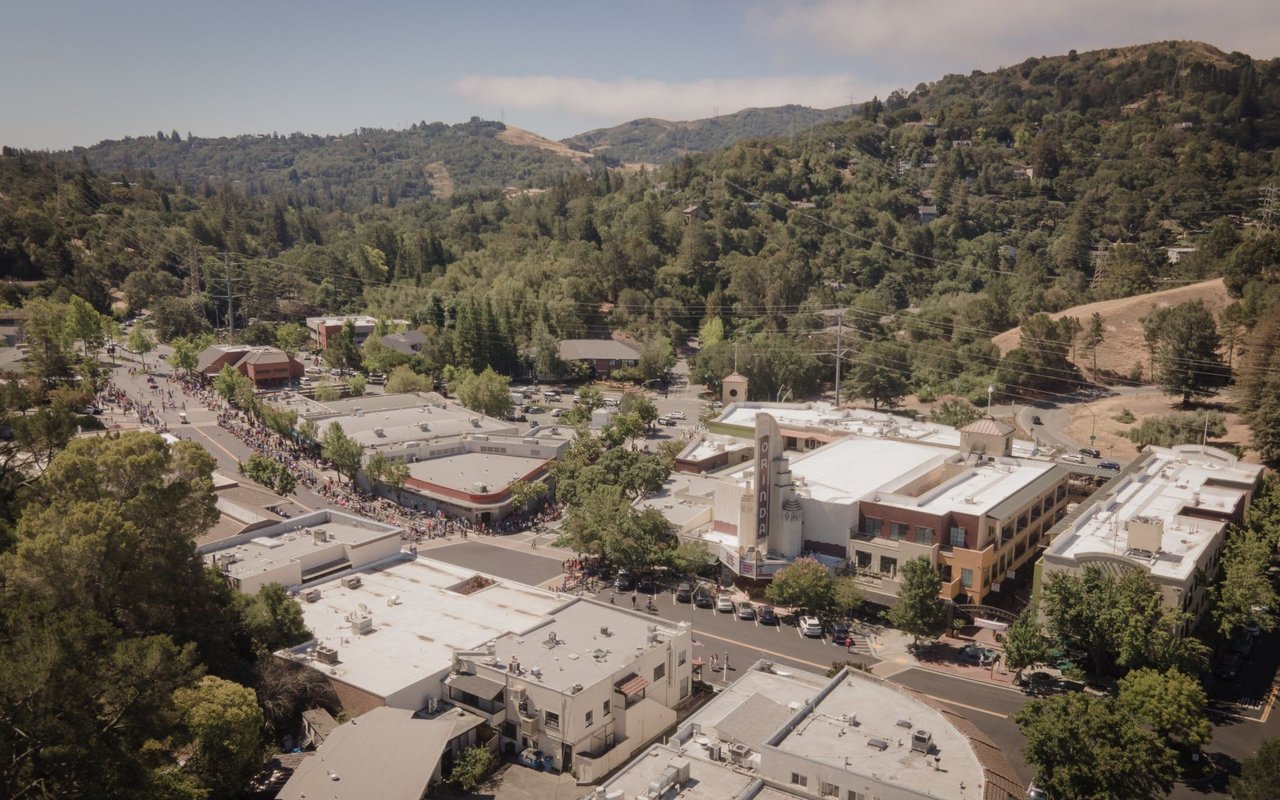
Burton Valley also supports long-term living. The area includes the city-owned Community Center, which was formerly Burton Elementary School, and Community Park, a 68-acre site. In May 2026, the city also said Burton Valley became a Firewise community with more than 900 homes, which adds another point in favor of staying put and investing where you already are.
What Relocating Within Burton Valley Looks Like Now
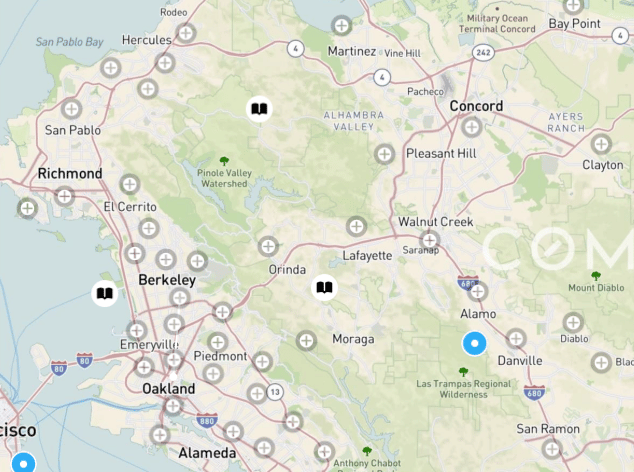
Moving within the same neighborhood sounds simple, but the current market adds pressure. In May 2026, Realtor.com showed 3 Burton Valley homes for sale, while Redfin showed 2 homes for sale on its neighborhood page. That kind of limited supply can make a local move harder than expected.
Pricing also matters. Redfin reported a median sale price of $1,599,462 and 43 median days on market over the three months ending May 2026. Realtor.com noted that Burton Valley homes sold for about the asking price on average in May 2026, which suggests buyers are still meeting the market.
Lafayette-wide conditions reinforce the same theme. Realtor.com reported a $1.845 million median listing price, a $1.74 million median sold price, 128 active listings, 21 median days on market, and a 100% sale-to-list ratio in May 2026, calling Lafayette a seller’s market. If you plan to relocate within Burton Valley, you may need to compromise on price, condition, or size.
Burton Valley inventory spans a wide range
The few available listings also show that not every move is a lateral move. Redfin’s snapshot included a 3-bedroom, 1.5-bath, 1,380-square-foot home listed at $1.395 million, a 5-bedroom, 3.5-bath, 3,570-square-foot home at $2.85 million, and a 4-bedroom, 3.5-bath, 3,364-square-foot home with a separate ADU at $3.299 million.
That spread is important. If your goal is more space or a turnkey finish, relocating may quickly become a trade-up decision instead of a simple swap to a similar home nearby.
What Remodeling Looks Like in Lafayette
Remodeling in Burton Valley can range from simple cosmetic upgrades to a full expansion. The key difference is usually the permit path. Contra Costa County says most construction, remodeling, and repair work requires a permit, and Lafayette says the process starts with city zoning plan check, then any needed sanitary district or fire district approvals, and then county building review.
For larger projects, the process can become fairly involved. The county says many jobs require architectural, structural, electrical, mechanical, and plumbing plans, along with Title 24 energy calculations. If you are considering an ADU, the application also requires a title report prepared within the last six months.
Cosmetic updates are much simpler
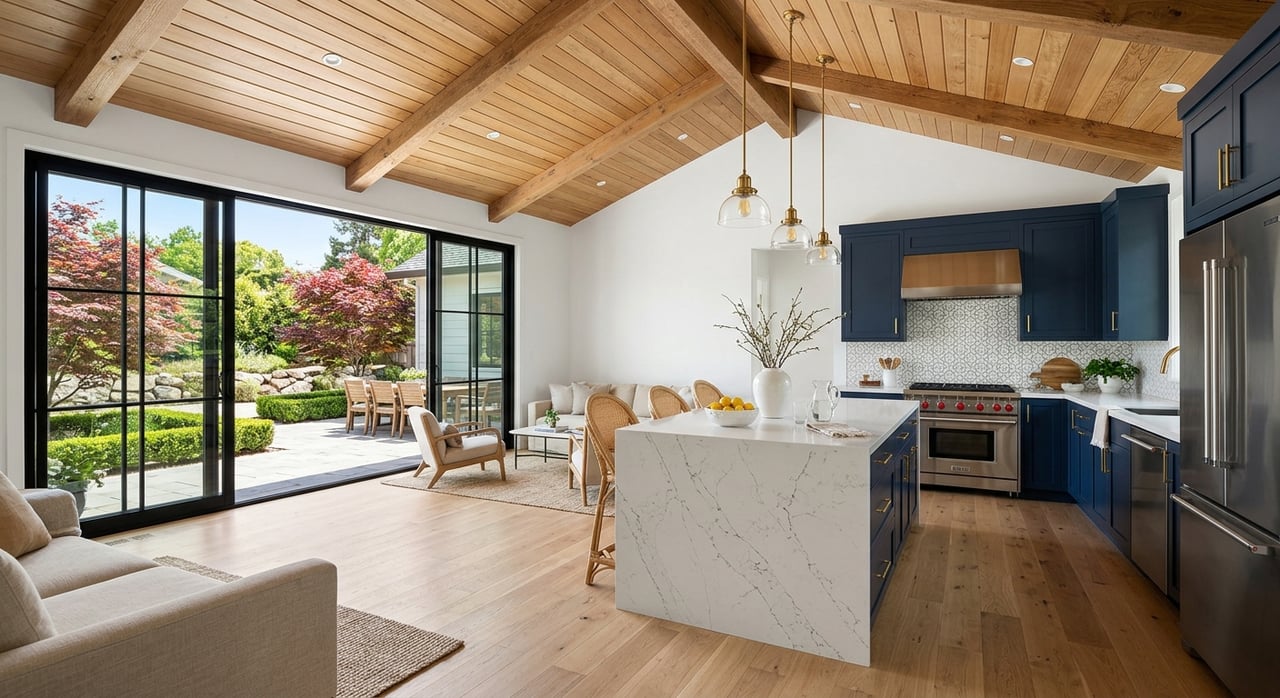
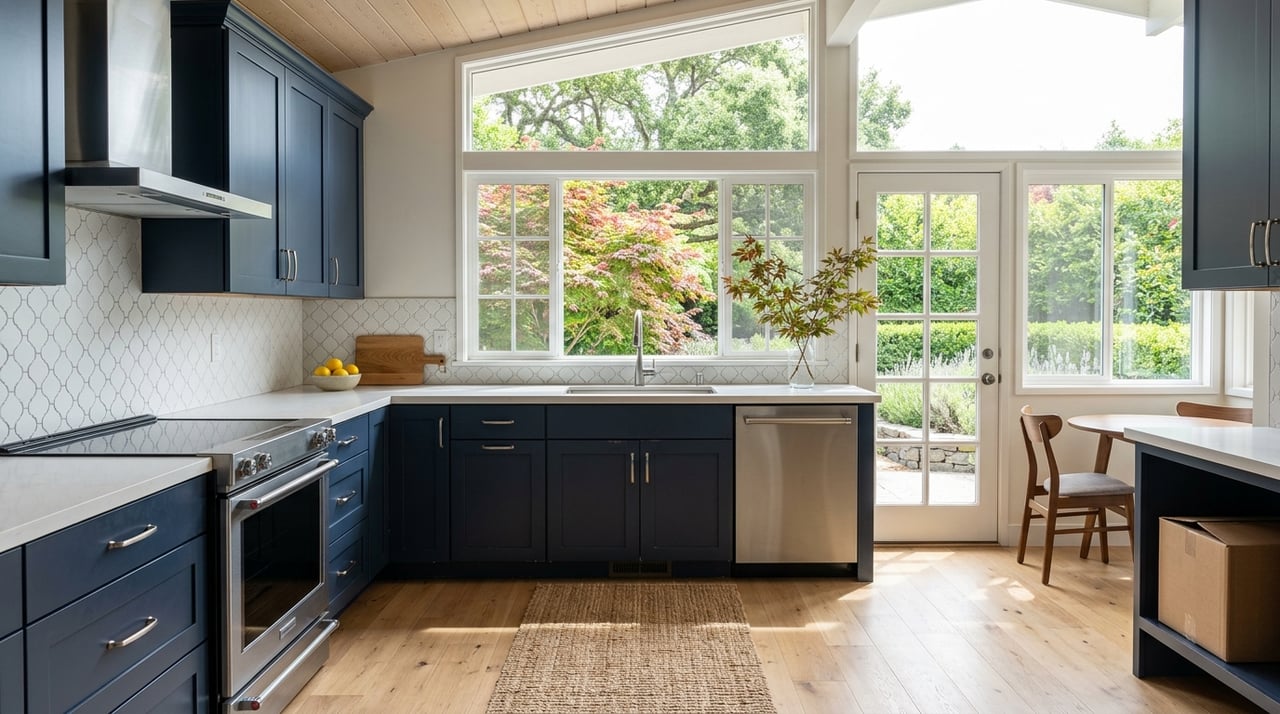
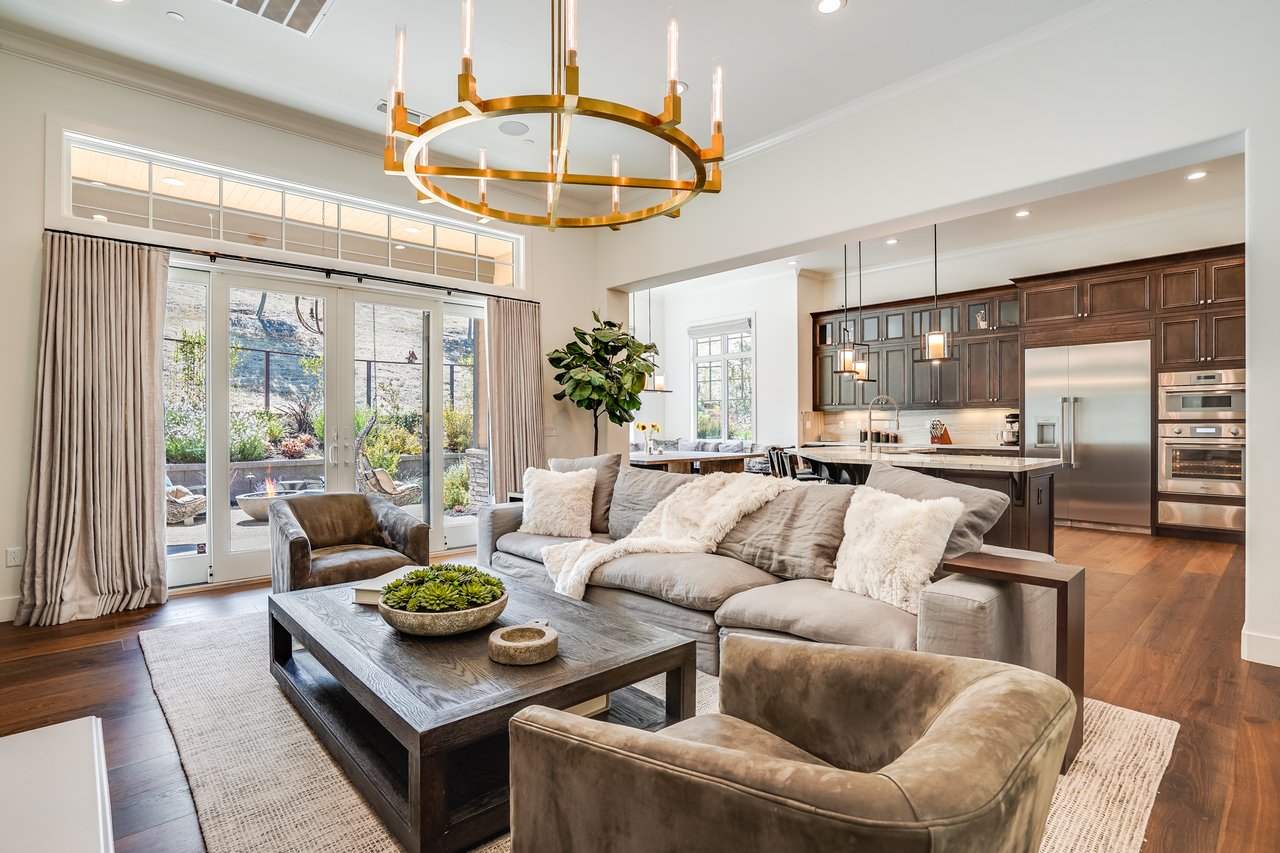
Not every project is heavy lifting. Contra Costa County says painting, carpeting, cabinets, countertops, and similar finish work do not require a building permit. Lafayette also says a kitchen remodel can go directly to county building inspection unless you are adding a second kitchen.
That distinction matters. If your home mainly needs a visual refresh, better function, or a modernized kitchen or bath, remodeling may be more manageable than you think.
Local ADU policy may change the math
If your goal is more usable space, local policy may help. Lafayette said in May 2026 that ADU development impact fees were temporarily reduced by 50% through 2026. The city also said projects completed by September 30, 2026 may qualify for a rebate through the ADU Accelerator Program.
For some owners, that makes adding space more attractive than moving. It does not eliminate the approval process, but it may improve the value equation if you want flexibility without leaving Burton Valley.
The Financial Trade-Off: Construction vs. Transaction Costs
At a high level, this decision often comes down to where you want to spend your equity. Remodeling puts your money into the house you already own. Relocating puts more of that money into transaction costs, market competition, and a new tax basis.
One of the biggest moving costs is closing costs on the purchase. The CFPB says closing costs, not including the down payment, typically run 2% to 5% of the purchase price. On a home around Burton Valley’s recent median sale price of about $1.6 million, that works out to roughly $32,000 to $80,000 before moving expenses.
Property taxes also deserve a close look in California. The California State Board of Equalization says a change in ownership or completed new construction can trigger a supplemental assessment. Contra Costa County also explains that reassessment is tied to the value at purchase or at completion of new construction.
This is where the choice gets nuanced. A move may reset your tax picture based on a new purchase price, while a remodel may trigger reassessment only on the value of the new construction portion. The right answer depends on the scope of your project and the type of replacement home you would buy.
When Remodeling Usually Makes More Sense
Remodeling is often the better fit when you already like the location and the home’s basic structure. In Burton Valley, many homes were built in an era that supports layout changes, kitchen updates, bath modernization, and modest additions. If the shell is workable, a renovation can preserve what you love while fixing what no longer works.
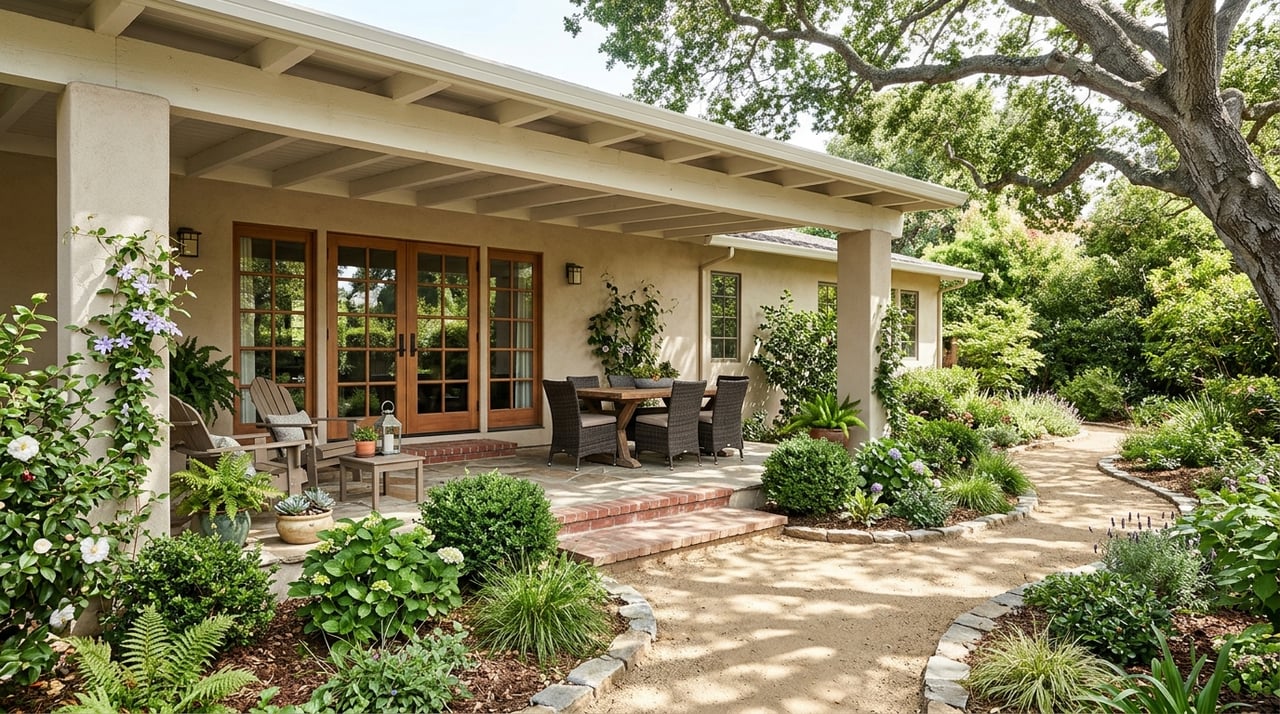
This option is especially appealing when your priorities are practical rather than dramatic. If you want a better primary suite, improved flow, more storage, refreshed finishes, or an outdoor upgrade, remodeling may solve the real problem without the stress of a move.
National remodeling data also supports the emotional side of this choice. NAR’s 2025 Remodeling Impact Report found that 64% of owners had a greater desire to stay in their homes after remodeling. The same report found high homeowner joy from a new primary bedroom suite, a kitchen upgrade, and new roofing.
Projects that often fit Burton Valley homes
In this neighborhood, the projects that tend to make the most sense include:
- Kitchen upgrades
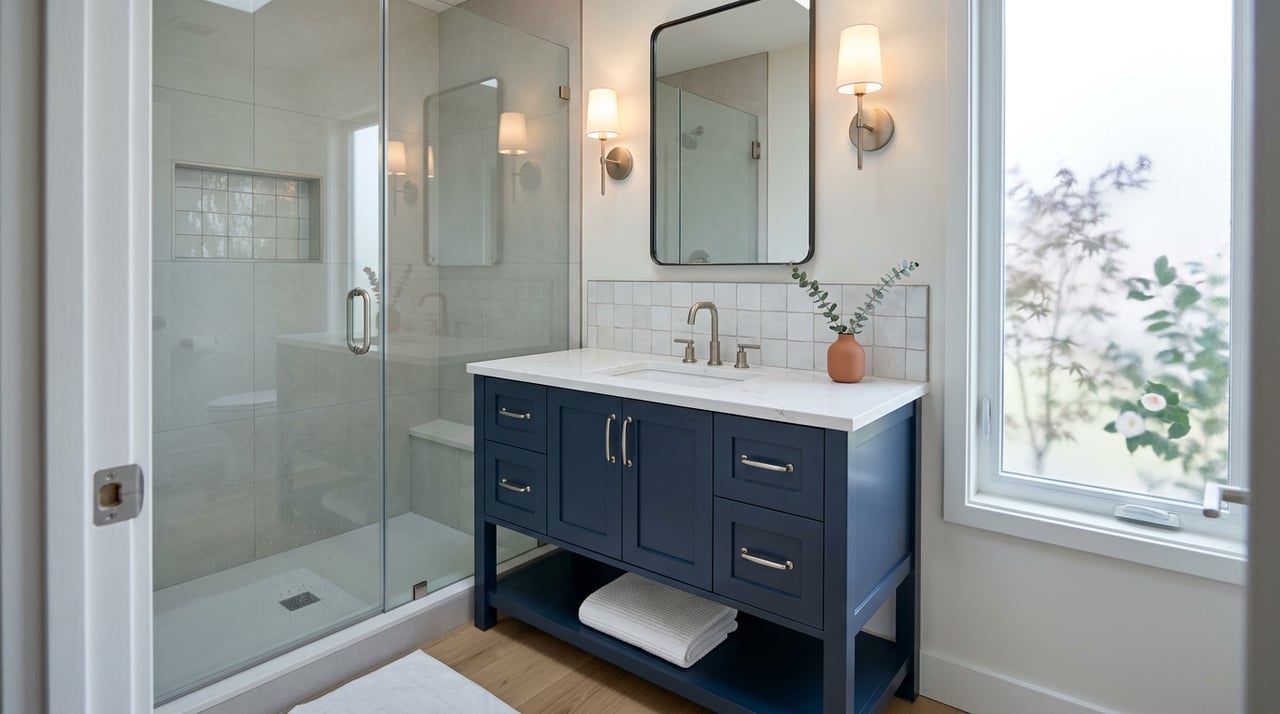
- Bathroom remodels
- Interior layout reconfiguration
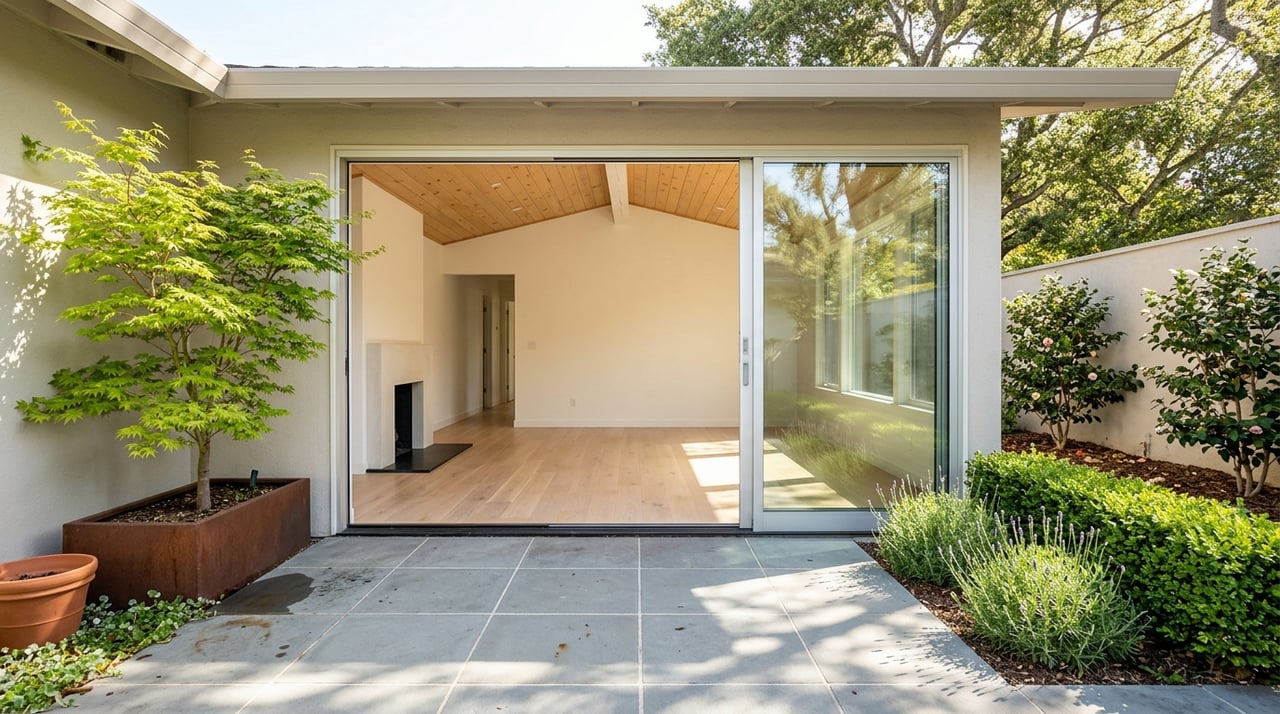
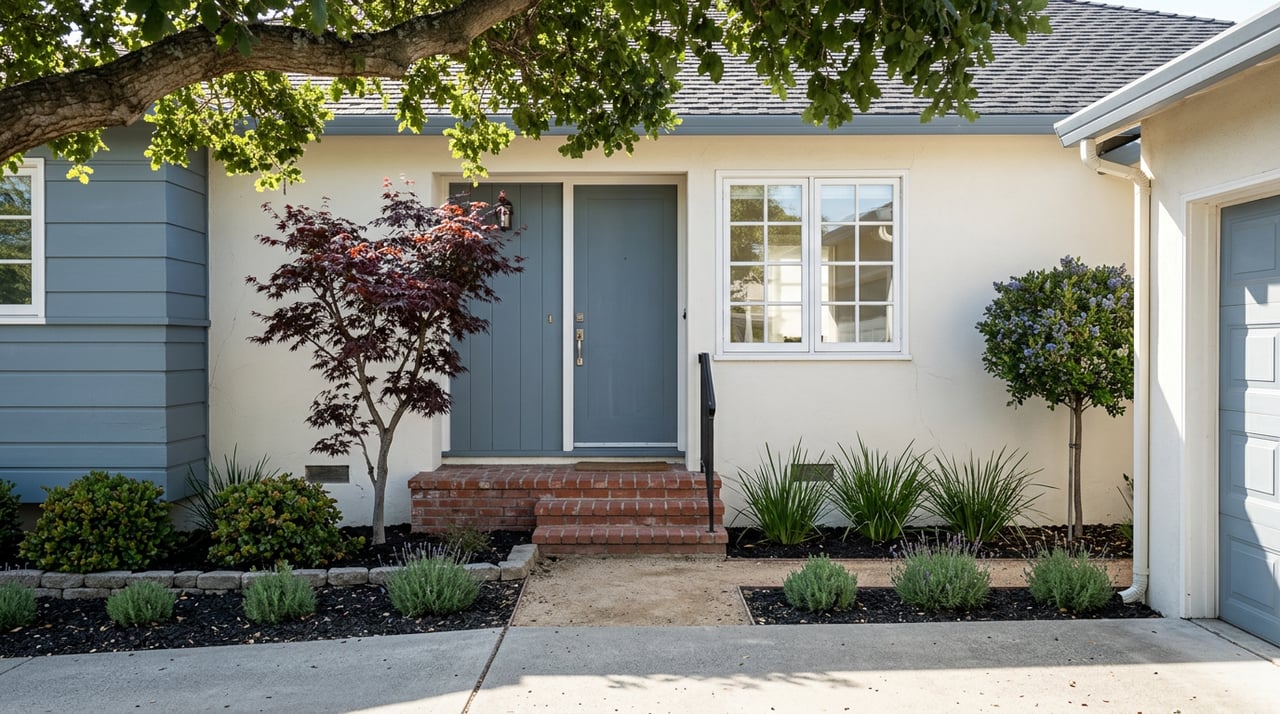
- Exterior refreshes
- Modest square footage additions
- ADUs where site and budget support them
These are the kinds of improvements that can bring an older ranch-style home closer to modern expectations without forcing you to leave the neighborhood.
When Relocating May Be the Better Choice
Sometimes the existing house is simply too far from your goal. If you want a very different floor plan, a much larger home, or a turnkey property with major upgrades already finished, relocating may be the cleaner solution.
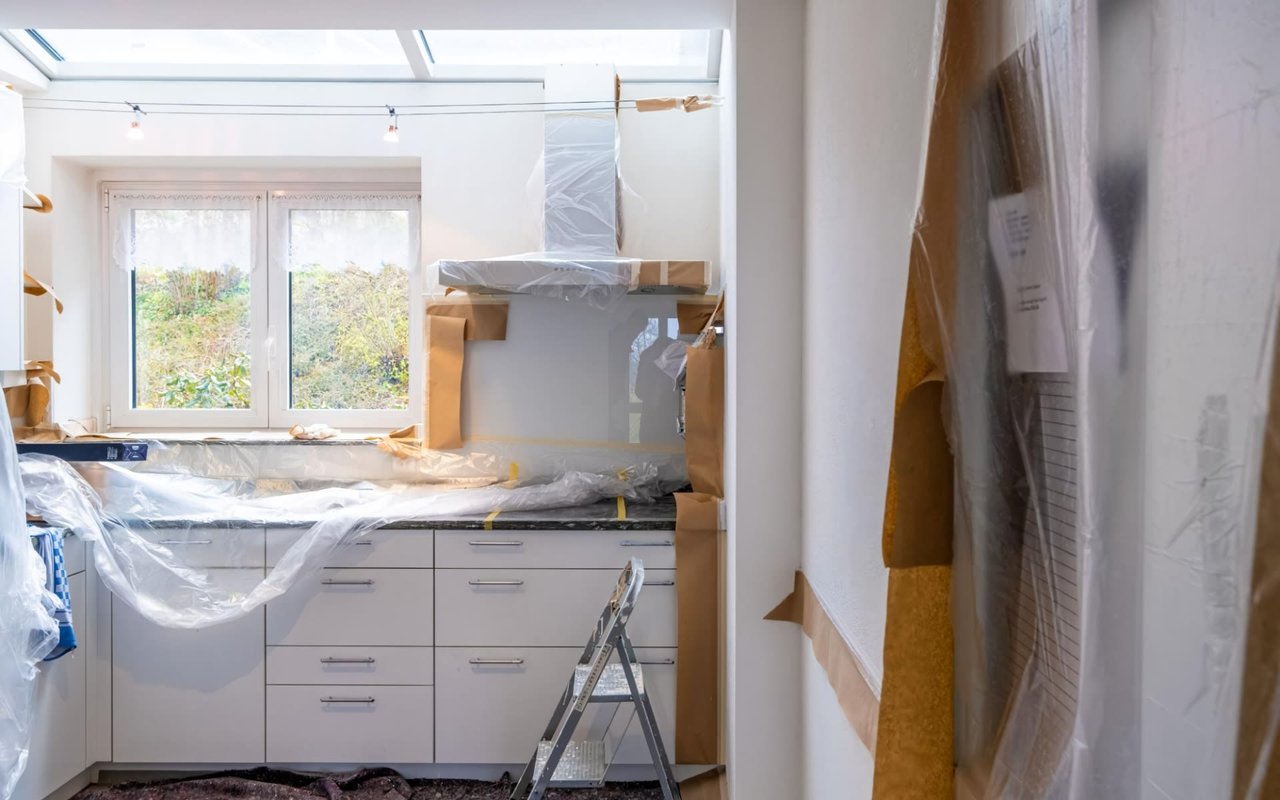
This is also true if you want to avoid the disruption of construction. Even a well-run remodel can bring decision fatigue, noise, schedule uncertainty, and temporary inconvenience. If that trade-off feels too heavy, buying a finished home may be worth the added transaction friction.
The challenge is that Burton Valley does not offer many choices at once. With limited inventory and homes selling close to asking on average, the right replacement property may take time to find, and it may come with compromises.
A Simple Burton Valley Decision Framework
If you are deciding between remodeling and relocating, start with these questions:
- Do you like your current lot, street, and location within Burton Valley?
- Is your home’s existing structure workable with updates or modest expansion?
- Are your needs mostly about layout, finishes, or function?
- Would moving force you into a much higher price point?
- Do you want to avoid construction, even if moving costs more?
- Are there very few available homes that truly match your goals?
If your answers lean toward liking the location and improving a workable home, remodeling may be the stronger option. If your answers point toward a near-total rework or a major jump in size and finish level, relocating may be the better path.
How to Make the Right Call With Less Guesswork
The smartest way to approach this is to compare both paths side by side before making a decision. That means looking at your home’s current value, the likely cost and complexity of the work you want to do, and what realistic replacement options exist in Burton Valley right now.
This is where local market knowledge and renovation literacy matter. In a neighborhood like Burton Valley, you do not just need to know what homes are selling for. You also need to know whether a remodel is likely to solve the problem efficiently, or whether the market already offers a better answer.
If you want help weighing the numbers, the permit path, and the value potential of your specific home, schedule a free Home Strategy Session with the Paddy Kehoe Team.
FAQs
Should you remodel or move if you love your Burton Valley location?
- If you like your lot, street, and neighborhood fit, remodeling is often the better first option, especially when the needed changes are updates, layout improvements, or a modest addition.
How much inventory is available in Burton Valley right now?
- In May 2026 snapshots, Realtor.com showed 3 homes for sale in Burton Valley and Redfin showed 2, which points to limited inventory.
What Burton Valley remodel projects usually need permits?
- Contra Costa County says most construction, remodeling, and repair work requires a permit, while larger projects may also need multiple plans, energy calculations, and local approvals.
What home updates in Lafayette may not need a building permit?
- Contra Costa County says painting, carpeting, cabinets, countertops, and similar finish work do not require a building permit.
Why can moving within Burton Valley cost more than expected?
- Beyond the home price itself, purchase closing costs typically run 2% to 5%, and California property tax reassessment rules can also affect your total cost after a move.
When is relocating within Burton Valley usually the better choice?
- Relocating often makes more sense when you want a much larger home, a very different floor plan, or a turnkey property and do not want to take on construction disruption.