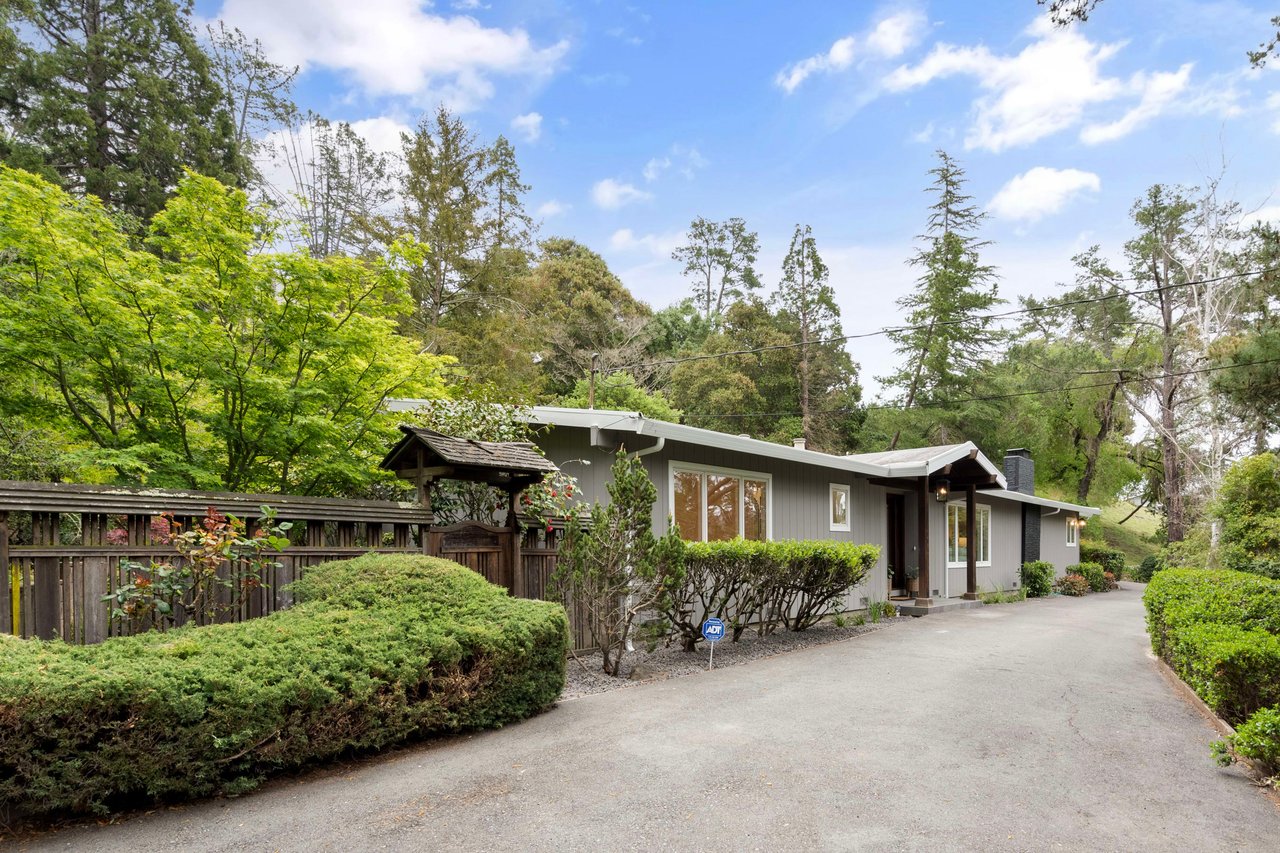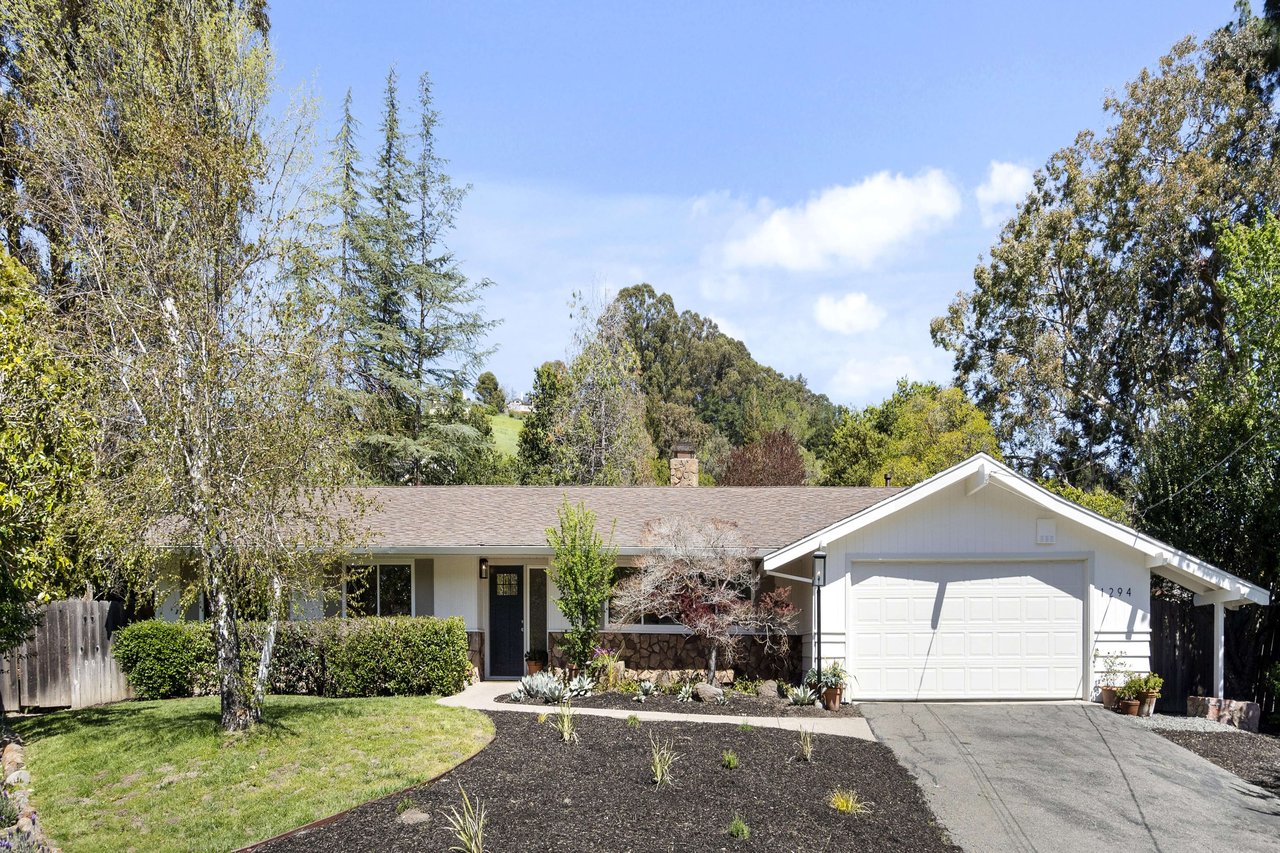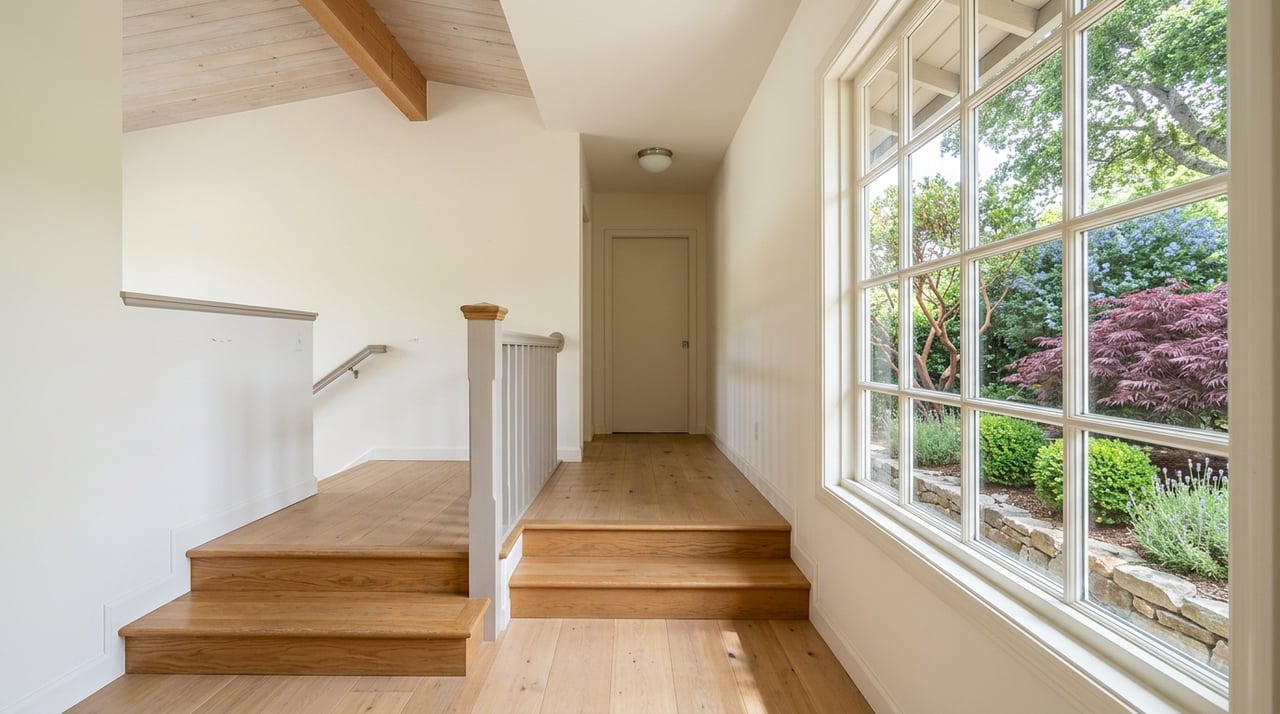
Thinking about buying a fixer in Lamorinda? It can be a smart way to create value, but it can also get expensive fast if you miss what is happening behind the walls, under the site, or in the permit path. If you are looking at homes in Lafayette, Orinda, or Moraga, it helps to know that many properties are older and that the lot itself can shape what is realistic. This guide will help you evaluate a fixer before you buy so you can separate a promising opportunity from a project that may not fit your budget, timeline, or goals. Let’s dive in.
Why Lamorinda fixers need closer review
Lamorinda has a housing stock that is older and mostly single-family. In Lafayette, much of the housing was built from 1940 to 1959, and only a small share was built since 2010. Orinda is made up largely of detached homes, with most built before 1979, while Moraga includes many homes from the 1960s and 1970s.
That matters because older homes are more likely to need repairs. California housing guidance notes that homes older than 30 years may need repairs, and homes older than 50 years are more likely to need major repairs. In practical terms, a dated kitchen may be the least of your concerns if the house also needs electrical, plumbing, foundation, roof, or drainage work.
Start with disclosures and inspection rights
Before you fall in love with finishes or floor plan ideas, focus on what the seller is required to disclose and what you can investigate during your contingency period. In California, buyers are entitled to the seller’s Transfer Disclosure Statement. Natural Hazard Disclosure also matters, especially in Lamorinda, where mapped hazards can affect both renovation scope and long-term ownership.
California also defines a home inspection as a noninvasive physical examination of key home systems and components. That gives you an important framework for your due diligence. A fixer should not be evaluated on looks alone.
Review the disclosure package carefully
Look closely at the Transfer Disclosure Statement and any hazard-related disclosures. Pay attention to anything that suggests past water intrusion, drainage problems, repairs, fire exposure, or known issues with major systems. If the home was built before 1978, lead-based paint disclosures should also be part of your review.
Use inspections to test the real scope
The inspection phase is where a fixer either starts to make sense or starts to unravel. State guidance advises buyers to consider inspections covering:
- Roof
- Foundation
- HVAC
- Plumbing
- Electrical
- Septic, if present
- Solar, if present
- Structural integrity
- Termite or pest issues
For older California homes, seismic retrofit issues also deserve attention. State guidance highlights foundation bolting and cripple-wall bracing as important retrofit measures in older homes.
Look at layout before finishes
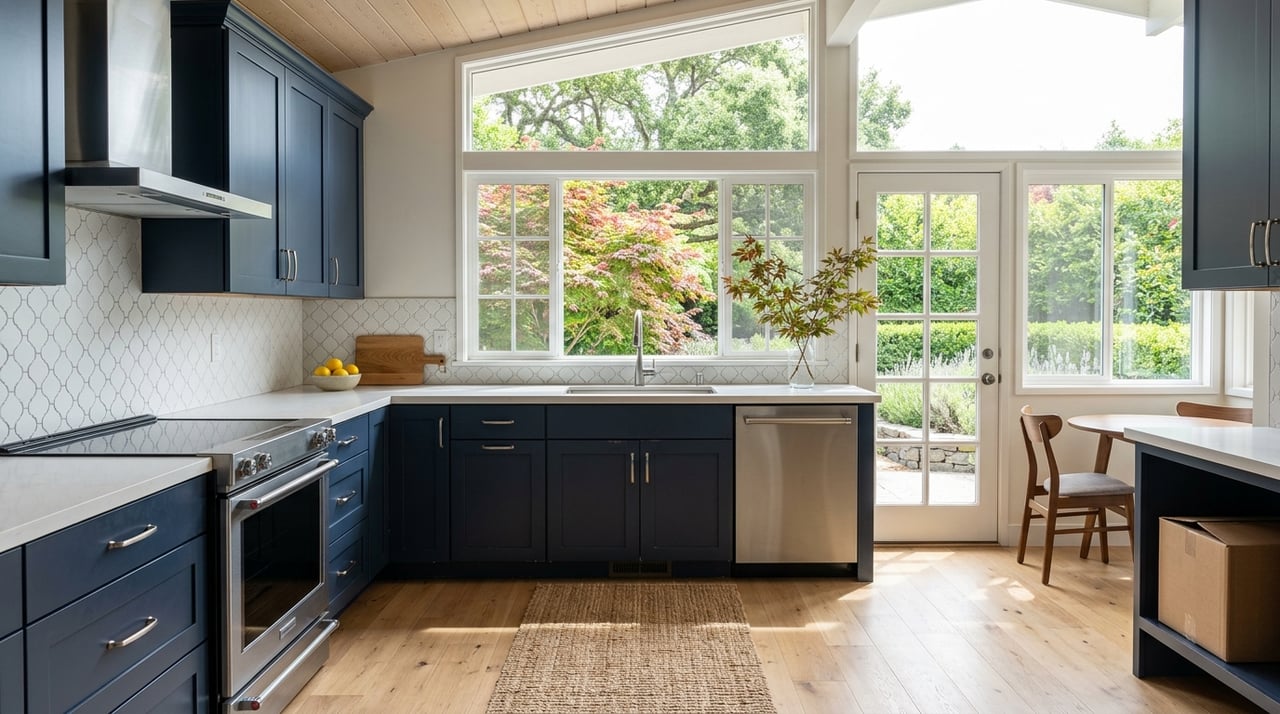
One of the biggest mistakes buyers make is assuming every dated home is an easy cosmetic update. Sometimes the real issue is layout, not décor. A closed-off kitchen, awkward circulation, or poorly placed rooms may be fixable, but only if the site and permit path support the changes you want.
Ask yourself whether the home has a cosmetic problem, a layout problem, or a deeper feasibility problem. Cosmetic updates are generally easier to plan around. Layout changes can trigger a much larger process if they involve additions, exterior changes, grading, or structural work.
Ask what your future plans would require
In Orinda, projects that need a building permit generally also receive Planning Department review. The city notes that plan sets commonly include site plans, floor plans, elevations, sections, grading plans, and landscape plans. In Moraga, exterior changes and new construction such as additions, decks, pools, spas, and gazebos require Planning Department approval before a building permit.
In Lafayette, building and grading permits are handled by Contra Costa County on the city’s behalf. That means your renovation idea may depend not only on the house, but also on how the county and local agencies review the work.
Evaluate the expensive systems first
If you are serious about a fixer, start with the big-ticket systems before you price countertops or tile. Mechanical, electrical, plumbing, and structural components can change the economics of the deal more than any finish choice. This is where practical renovation literacy can save you from overpaying.
A home can look manageable on the surface and still carry major hidden costs. An older panel, aging sewer line, foundation movement, roof wear, or outdated HVAC may not show up clearly in listing photos, but each can materially affect your budget.
Focus on these high-risk categories
When reviewing a Lamorinda fixer, pay close attention to:
- Electrical service and panel condition
- Plumbing supply and drain lines
- HVAC age and performance
- Roof condition
- Foundation and structural movement
- Sewer line condition
- Pest or termite damage
- Seismic retrofit needs in older homes
This order matters. If the systems budget is already heavy, your dream remodel may need to shrink or wait.
Treat the lot like part of the project
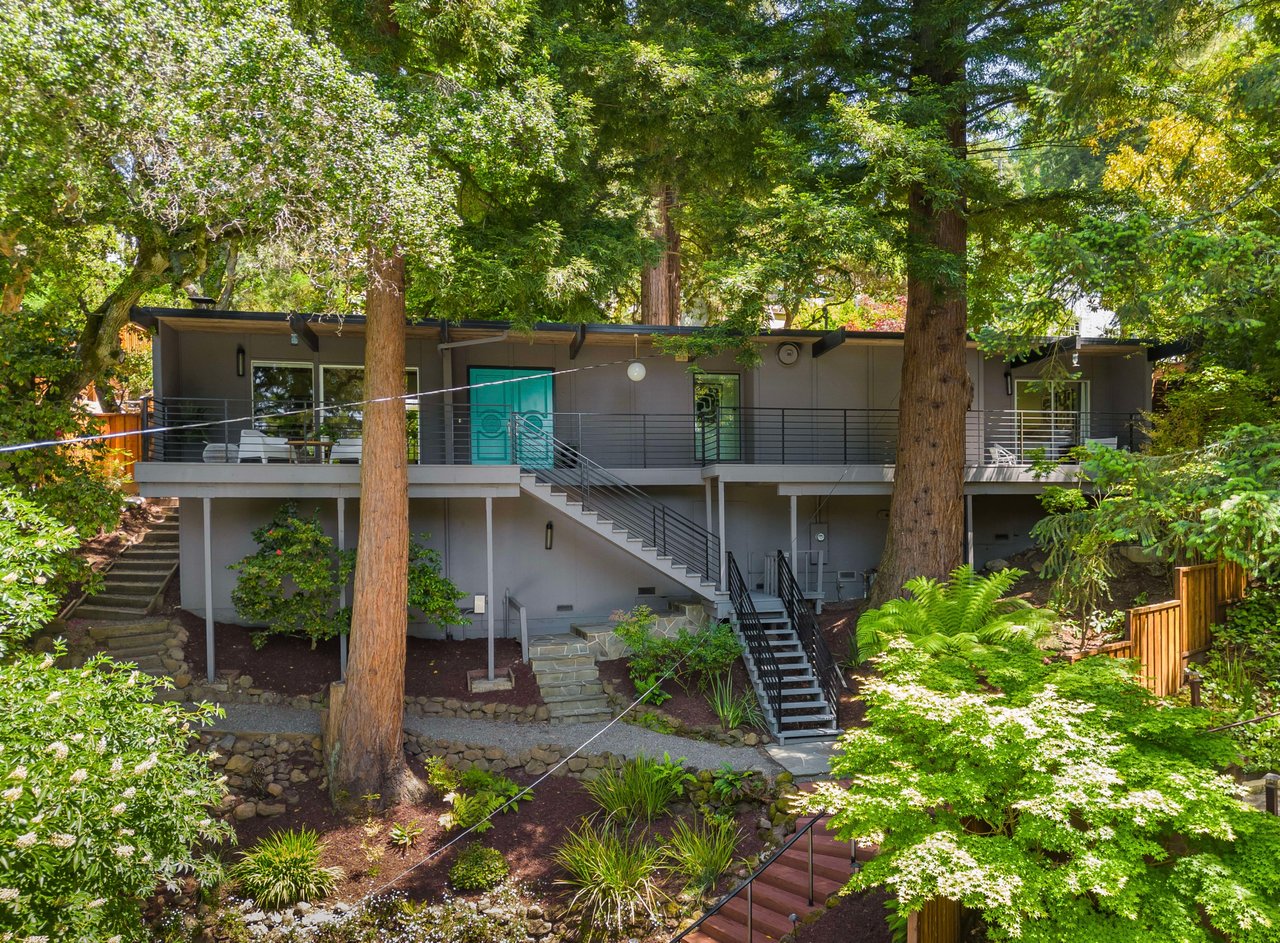
In Lamorinda, the site can matter just as much as the house. Sloped lots, drainage patterns, retaining walls, trees, and access constraints can all affect cost, timeline, and permit complexity. A home that seems like a simple remodel can become much more involved if the lot introduces grading or drainage issues.
Contra Costa County uses a lower grading threshold in Lafayette, Moraga, and Orinda. Excavation over 5 feet or more than 50 cubic yards can trigger grading permit review. If work affects drainage or touches watercourses, separate drainage or flood-control permits may also be needed.
Site questions to ask early
Before you write an offer, try to understand:
- Is the lot steep or difficult to access?
- Does water appear to move toward the house?
- Are there retaining walls, drainage channels, or slope concerns?
- Would your renovation require grading?
- Could exterior work trigger engineering or additional review?
These questions help you see whether your project is really an interior remodel or something much broader.
Don’t overlook sewer and utility issues
Utility work often sounds simple until it crosses agency lines. Sewer work is a good example. In Orinda, sewer permits are issued by the Contra Costa Central Sanitary District before any work on the sewer line from the property to the main line.
That means a sewer issue is not just a contractor problem. It may involve a separate approval path, extra coordination, and more time than buyers first assume.
Factor wildfire exposure into your decision
Wildfire risk is not just an insurance or ownership issue. It can shape how you think about a fixer from day one. Orinda’s hazard-map information notes that the Moraga-Orinda Fire District is a Wildland Urban Interface community.
Local wildfire-mitigation guidance emphasizes fuel management, defensible space, and home hardening measures such as ember-resistant zones, vent mesh, and gutter covers. If you are buying a fixer in a wildfire-prone area, these items may belong on your must-fix list, not your someday list.
Wildfire-related items to review
As you evaluate the property, consider:
- Vegetation close to the home
- Roof and gutter condition
- Vulnerable vents or openings
- Defensible space needs
- Exterior areas that may need hardening work
A lower price does not always mean better value if the home also needs significant wildfire-mitigation upgrades.
Know which fixer projects get friction
Not every renovation category carries the same level of risk. Bathrooms and kitchens are among the most common remodel projects nationally, and they are often the first place buyers see opportunity in Lamorinda’s older homes. That can make sense when the house is structurally sound and the scope stays mostly interior.
The friction usually starts when a project expands beyond finishes. In Lamorinda, the common project buckets include:
- Layout and interior refresh
- Systems refresh
- Site and envelope work
- Expansion projects such as additions, ADUs, or Jr ADUs
Where projects often get more complicated
Projects tend to get harder when they involve:
- New residential units
- New structures
- Exterior changes
- Grading
- Drainage work
- Right-of-way or encroachment issues
- Variances
Contra Costa County requires planning approval for new residential units, including ADUs and Jr ADUs, as well as new structures and exterior changes. Moraga notes that variances are hard to get and relatively few are approved. Lafayette also notes that some exterior or encroachment work can require city engineering review and inspection.
Stress-test the timeline before you buy
One of the smartest ways to evaluate a fixer is to stop asking, “Can I improve this home?” and start asking, “Can I live with the timeline this project requires?” Major remodels are usually measured in months, not weeks.
Recent renovation studies show just how long projects can take. Houzz reported kitchen projects averaging about 9.5 to 9.6 months of planning and about 5.1 to 5.8 months of construction. If your Lamorinda fixer also involves layout changes, permit review, grading, drainage, or wildfire-hardening work, the full project can feel much longer.
Match the project to your ownership horizon
Before you buy, think through:
- How long you plan to own the home
- Whether you can handle renovation delays
- What your carrying costs may be during the project
- Which items are must-fix versus nice-to-have
If the renovation only makes sense under a best-case timeline, that is a warning sign.
Do two smart pre-offer checks
There are two practical checks that can save you time and money before you make an offer on a Lamorinda fixer. First, ask for permit history and original plan information. Lafayette and Orinda direct owners to Contra Costa County records requests because the cities do not keep approved plan sets, and Lafayette says the Lamorinda office can confirm whether a permit exists for a specific property by address or APN.
Second, separate essential repairs from optional improvements. If your plan depends on grading, drainage, sewer work, or a variance, build in a bigger cushion than you would for a cosmetic update.
A good fixer should fit your real goals
The right fixer is not just the one with the lowest price or the most visual upside. It is the one where the scope, site, permit path, and timeline all line up with your budget and plans. In Lamorinda, that usually means looking past finishes and evaluating the whole property as a system.
This is where local knowledge and construction literacy can make a real difference. If you want help assessing whether a Lafayette, Orinda, or Moraga fixer is truly a value-add opportunity, schedule a free Home Strategy Session with the Paddy Kehoe Team.
FAQs
What should you inspect first when buying a fixer in Lamorinda?
- Start with the major systems: roof, foundation, electrical, plumbing, HVAC, sewer, structural integrity, and pest issues. These items can affect your budget far more than cosmetic updates.
Why do older Lamorinda homes need extra due diligence?
- Much of the housing stock in Lafayette, Orinda, and Moraga was built decades ago, and older homes are more likely to need repairs or major system upgrades.
How do permits affect a fixer purchase in Lafayette, Orinda, or Moraga?
- Your renovation plans may require planning review, building permits, grading review, or separate utility-related approvals depending on the city, the scope of work, and the site conditions.
Why does the lot matter when evaluating a Lamorinda fixer?
- Slopes, drainage, retaining walls, and excavation needs can add cost and trigger additional permit review, even if the house itself seems straightforward.
What wildfire issues should you consider before buying a fixer in Orinda or nearby areas?
- Review hazard disclosures and look at defensible space, vegetation, vents, gutters, and other home-hardening needs, since wildfire exposure can affect both cost and project priorities.
How long should you expect a major fixer remodel to take in Lamorinda?
- A major remodel is usually measured in months, not weeks. Planning alone can take many months, and construction adds more time, especially when permits or site work are involved.