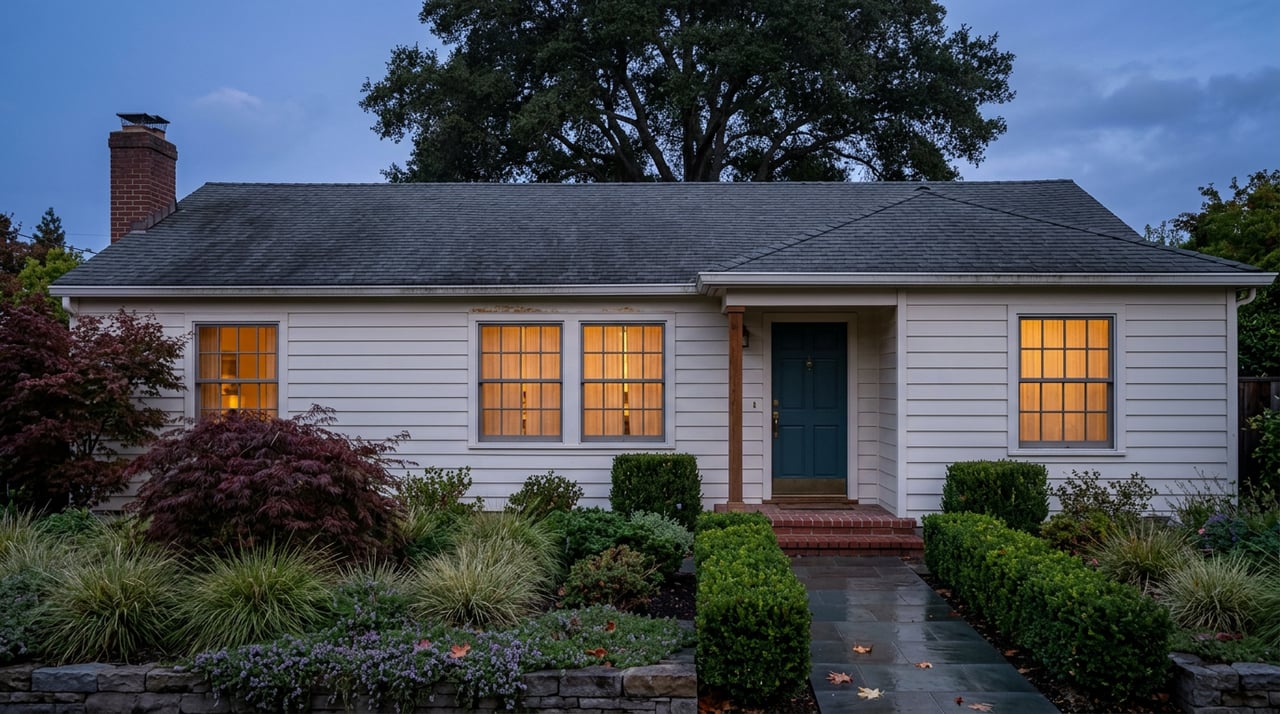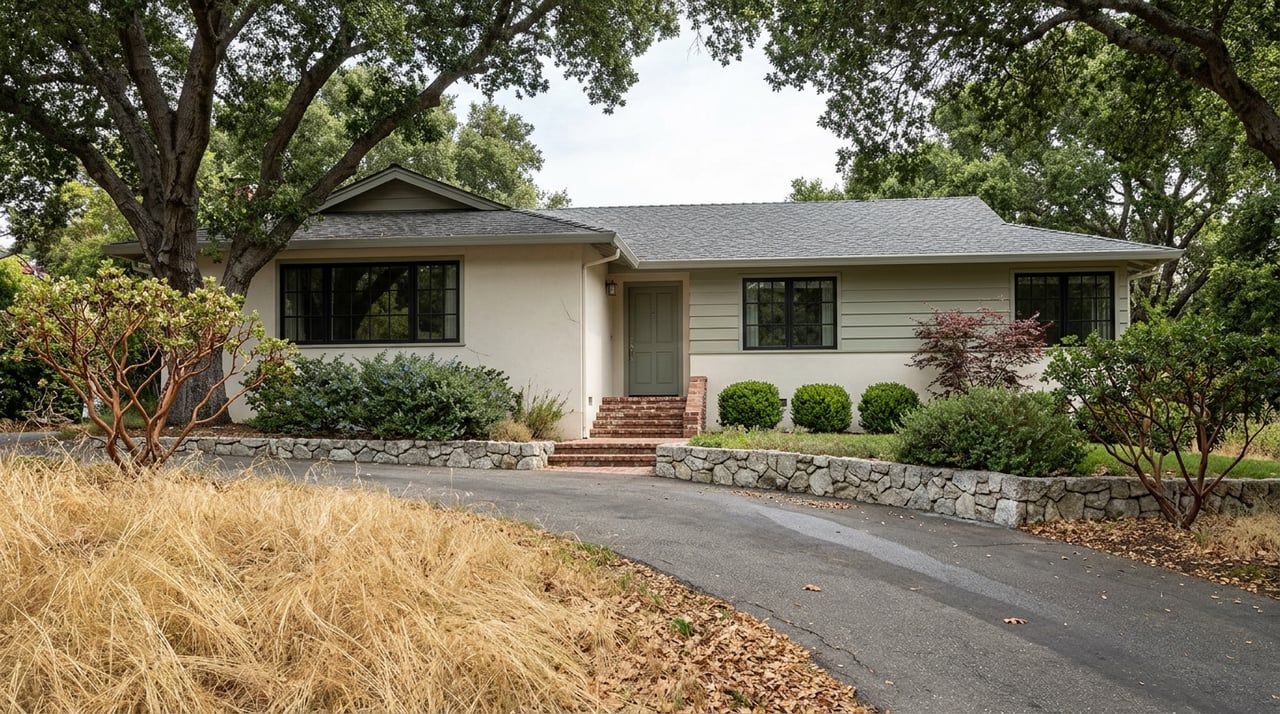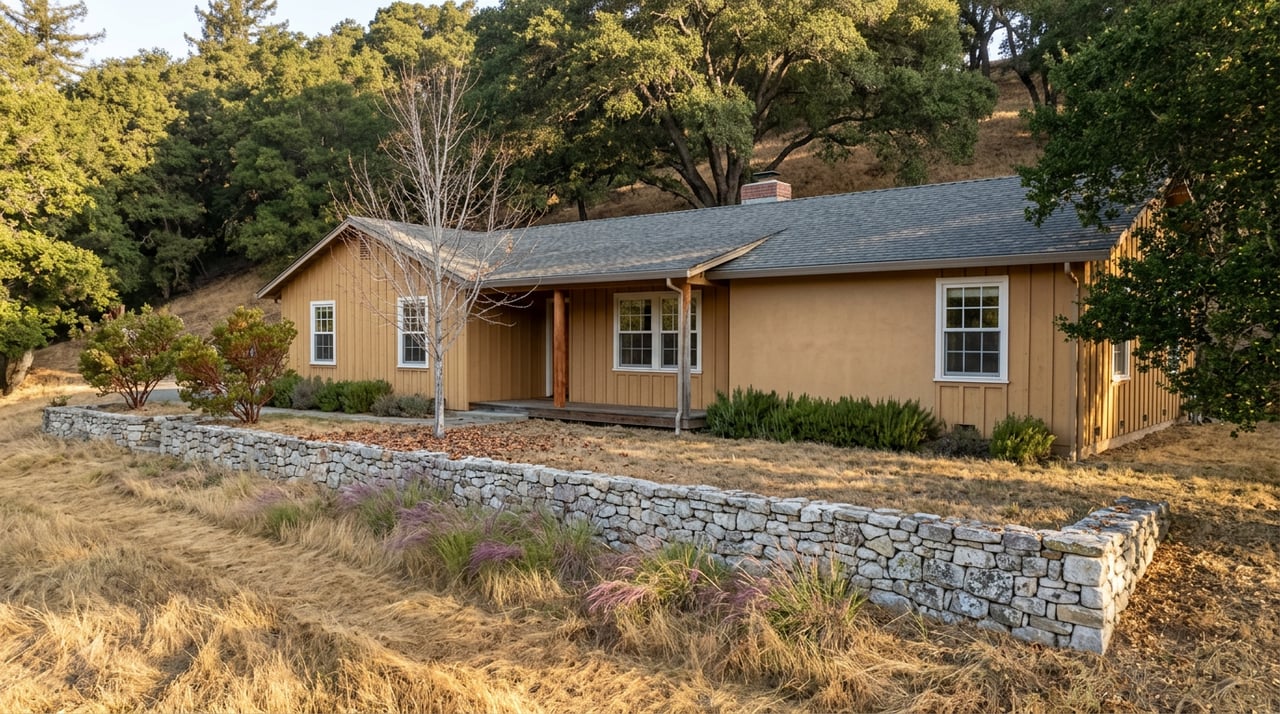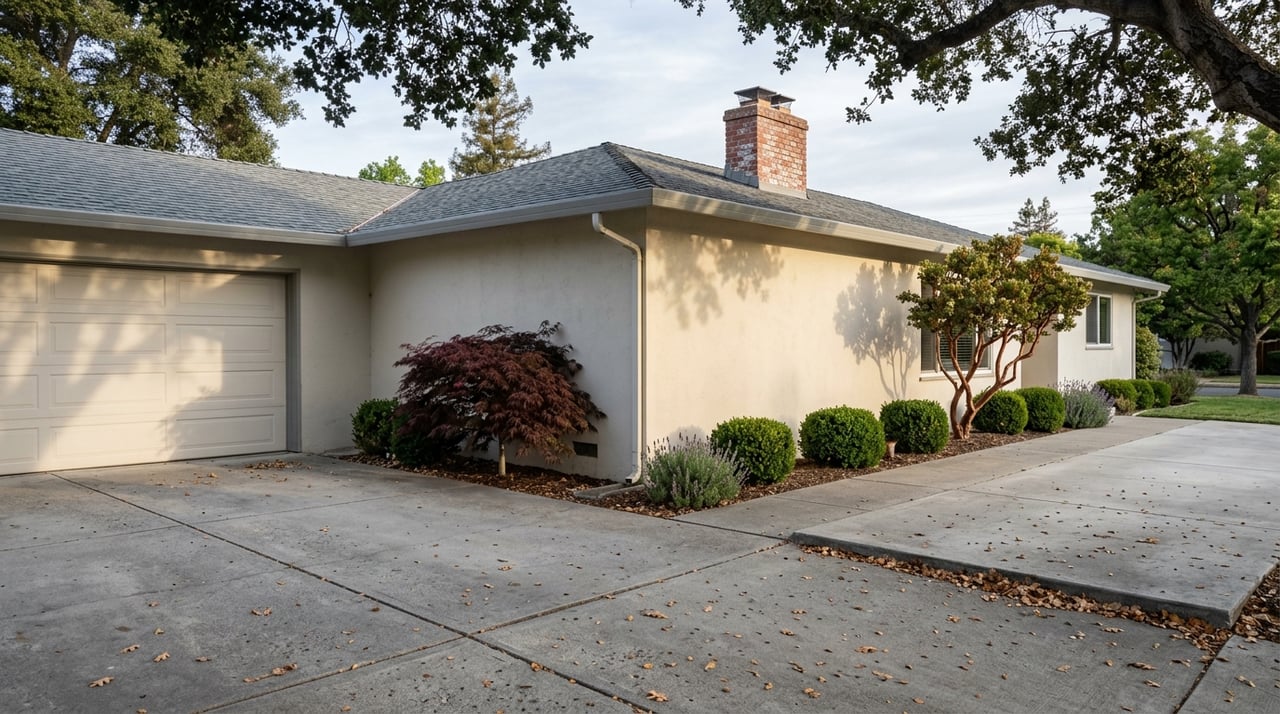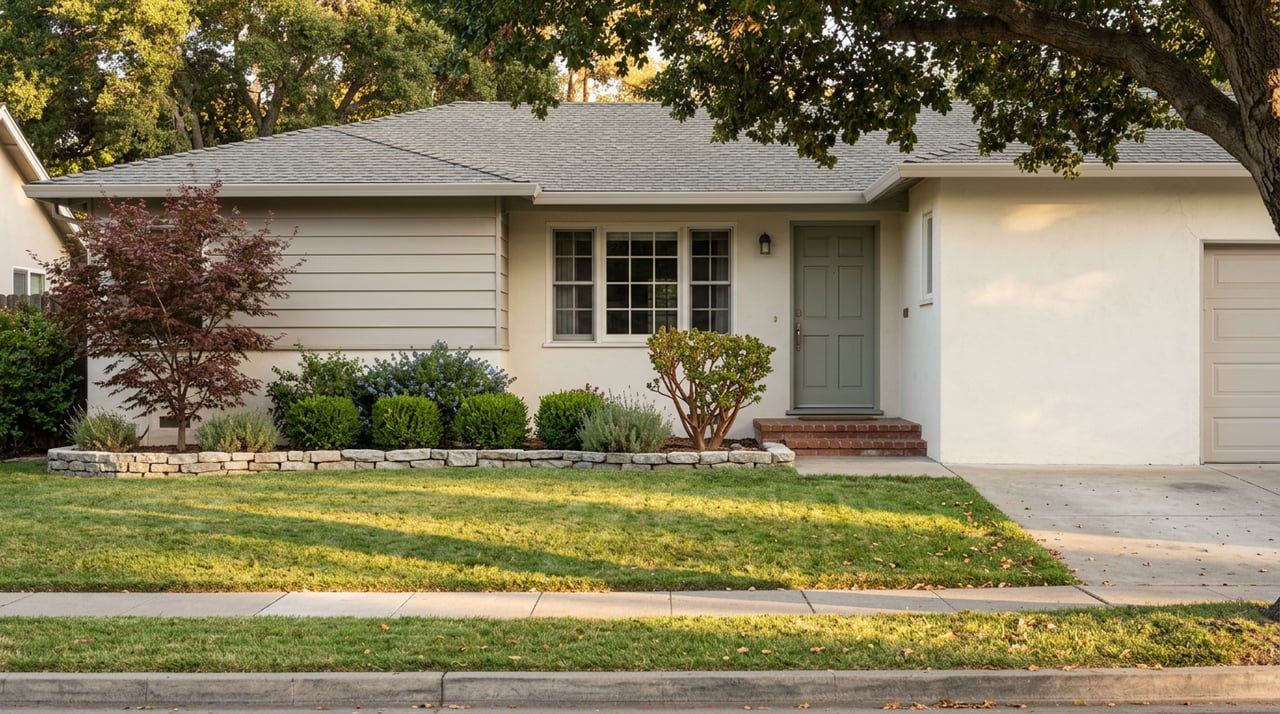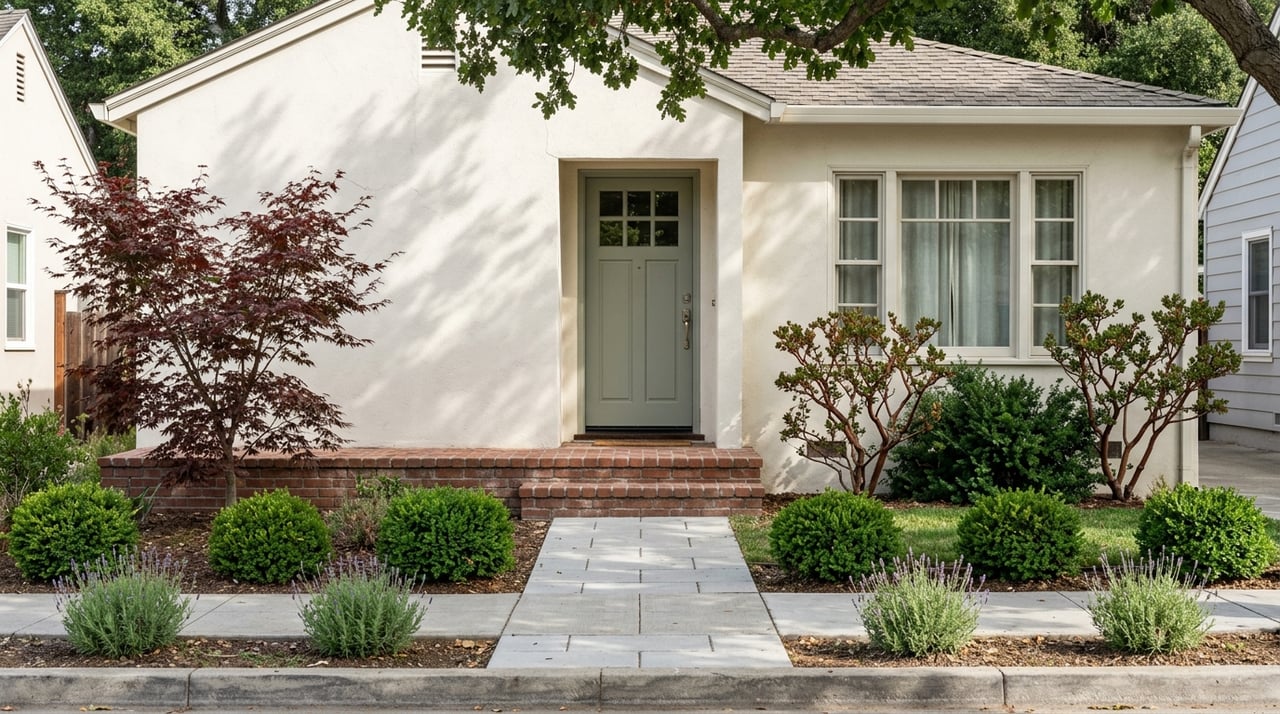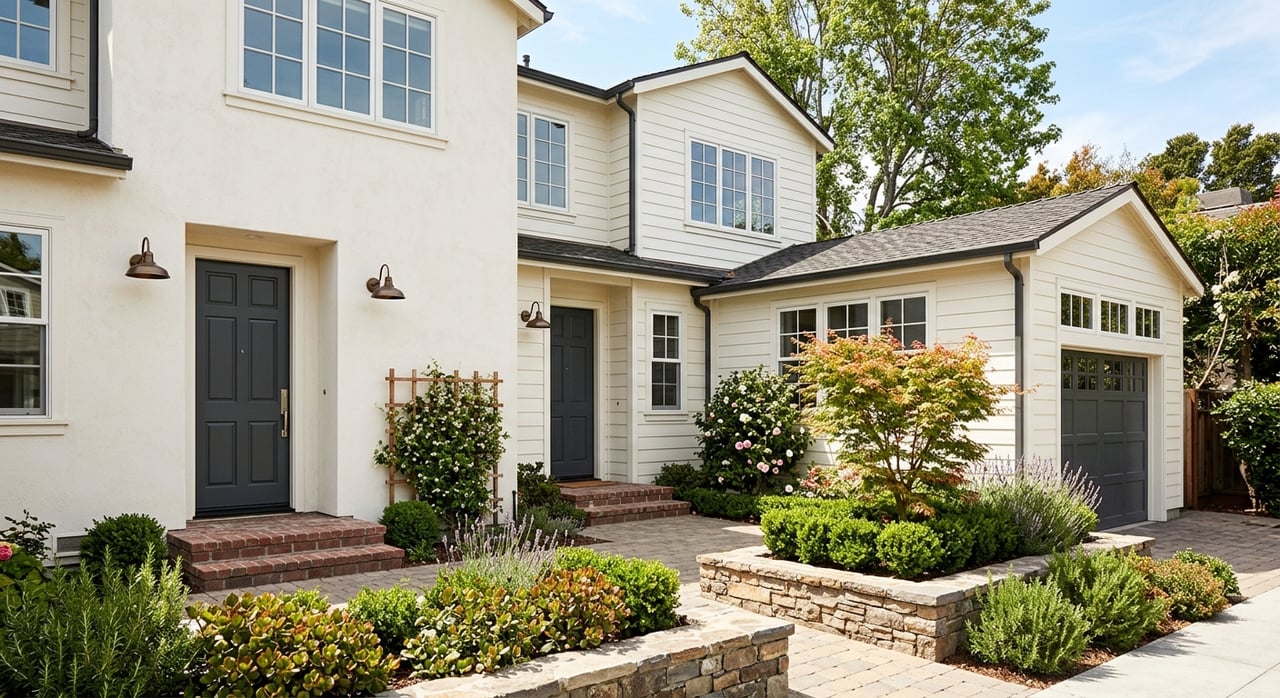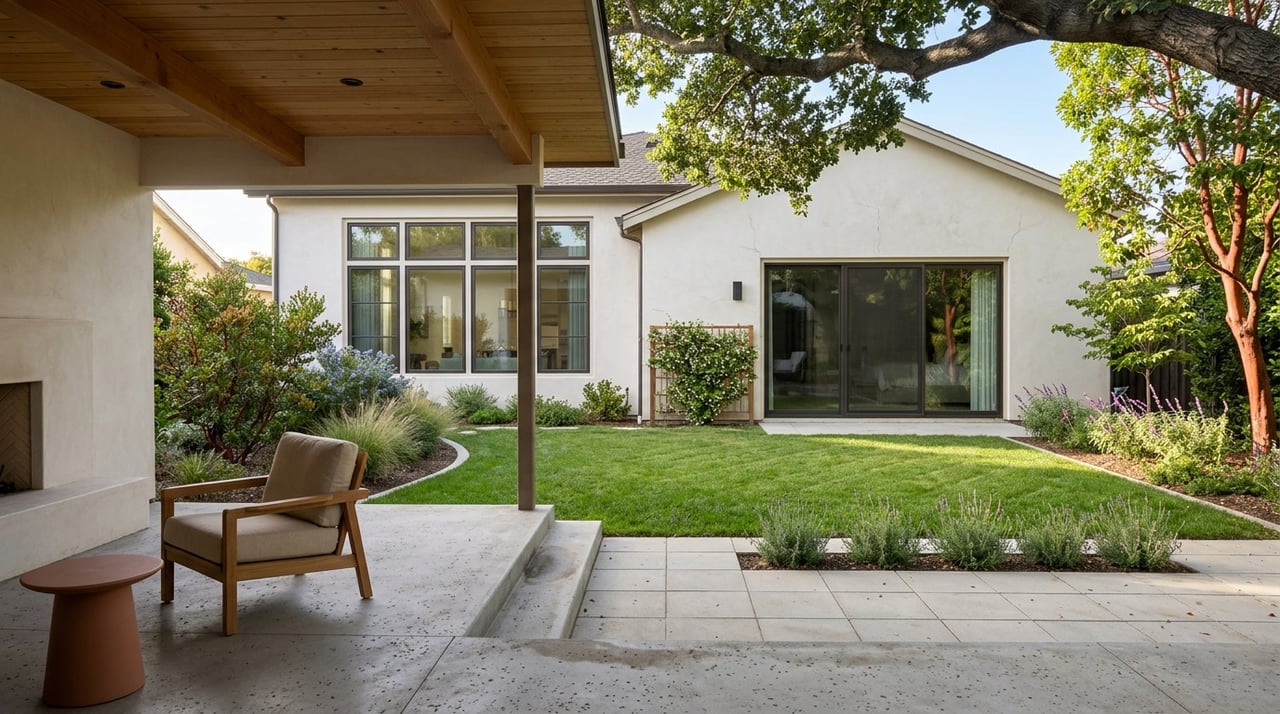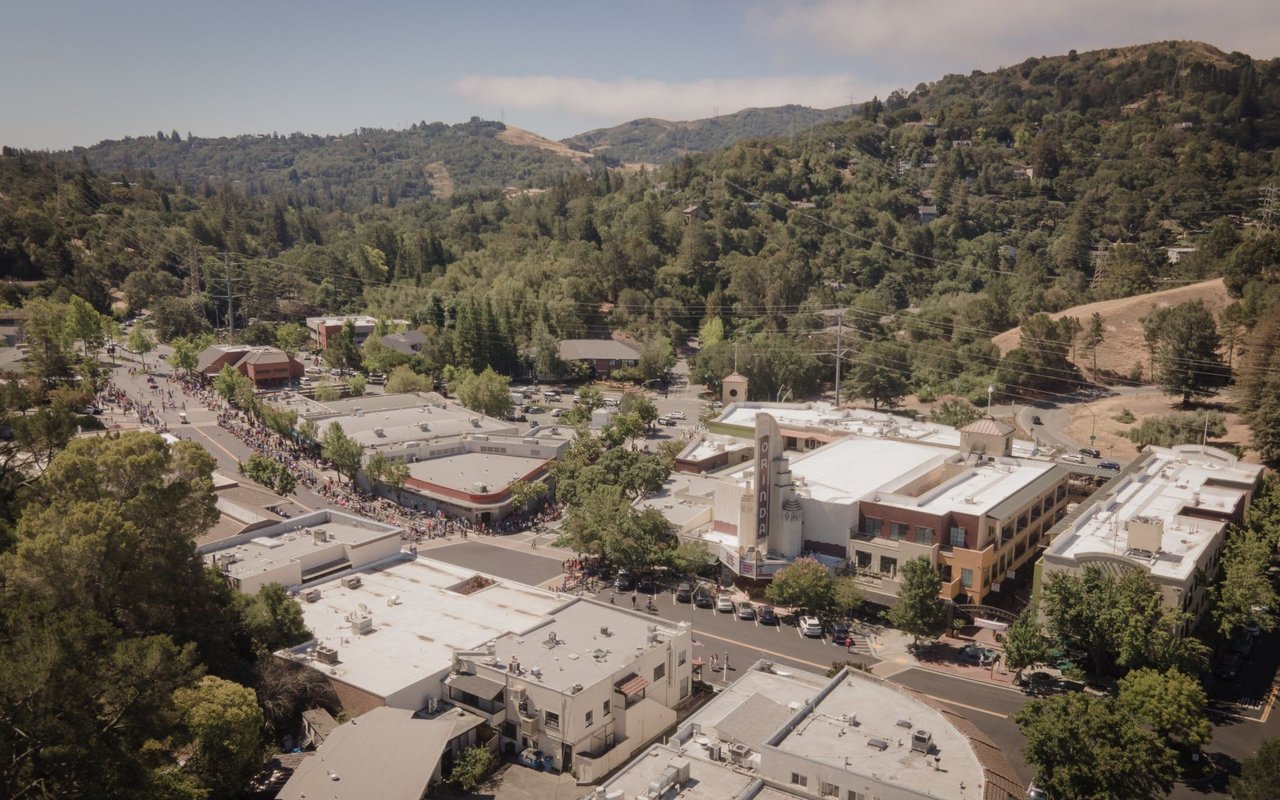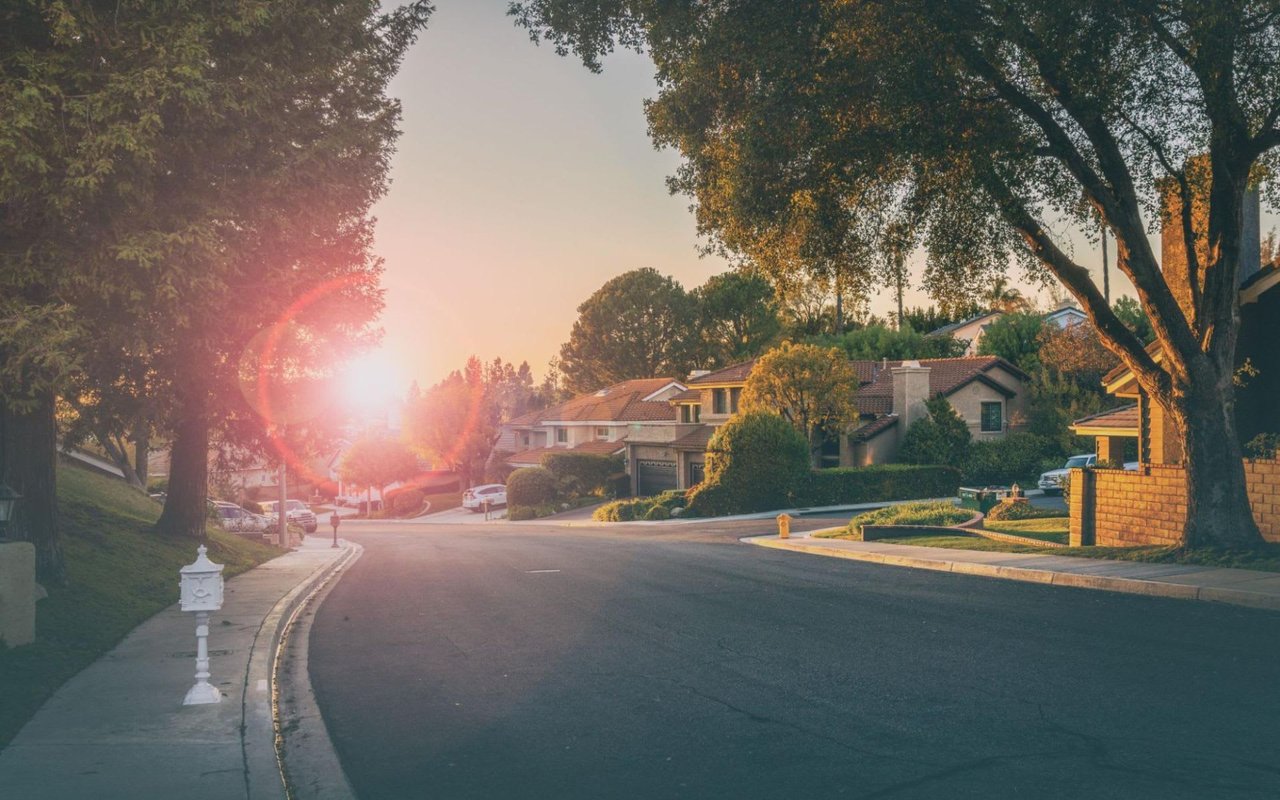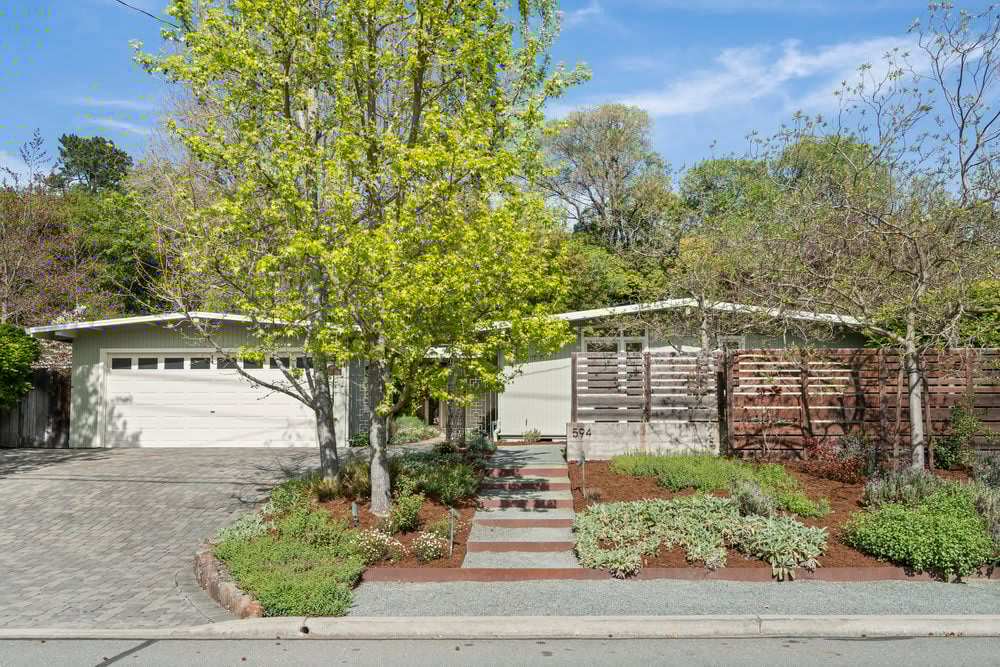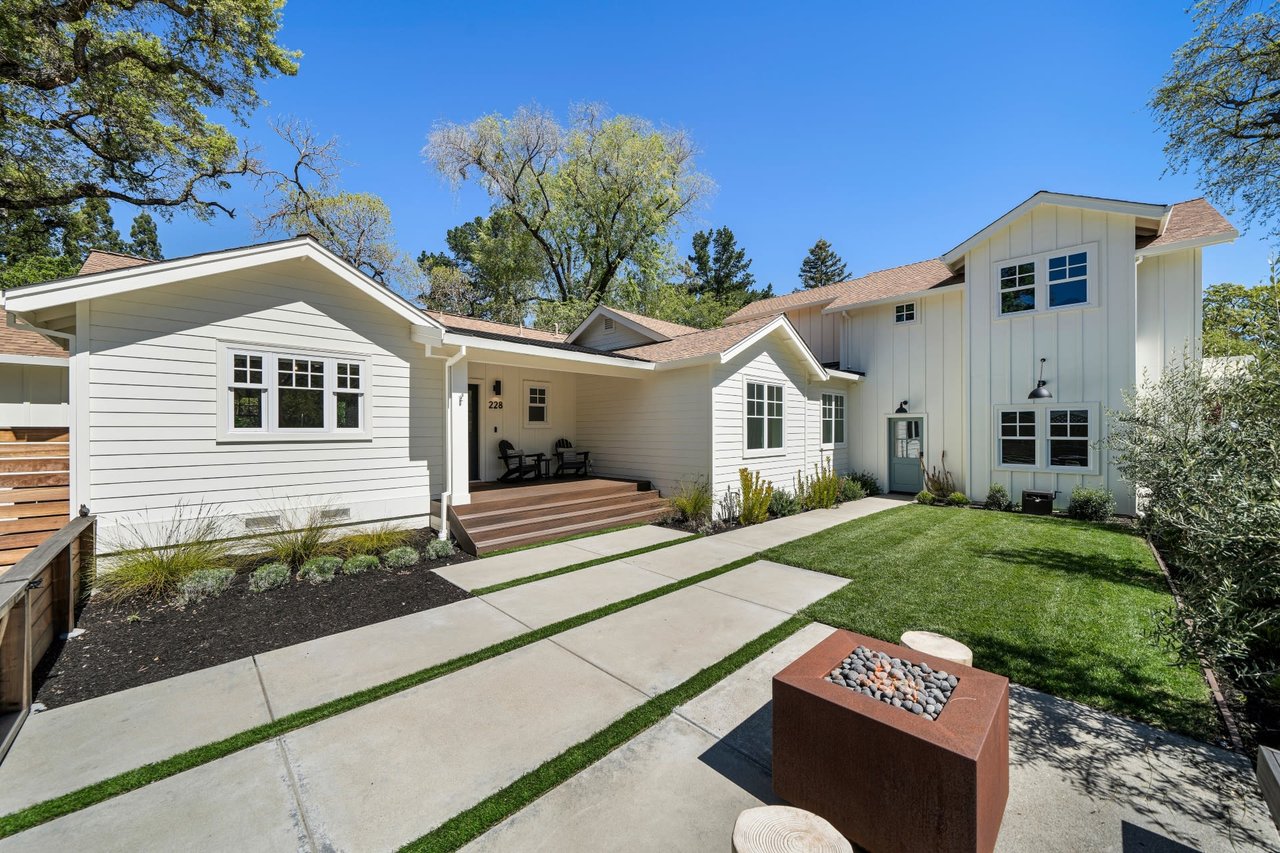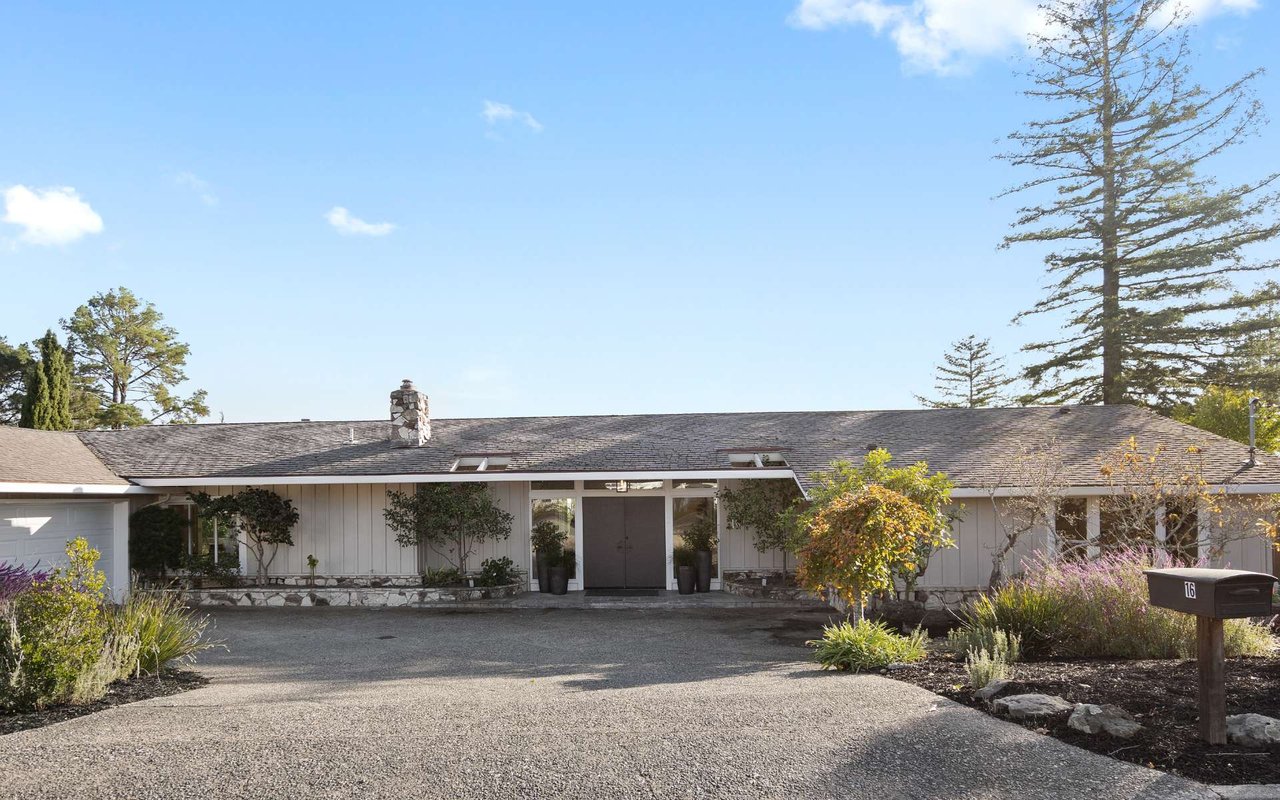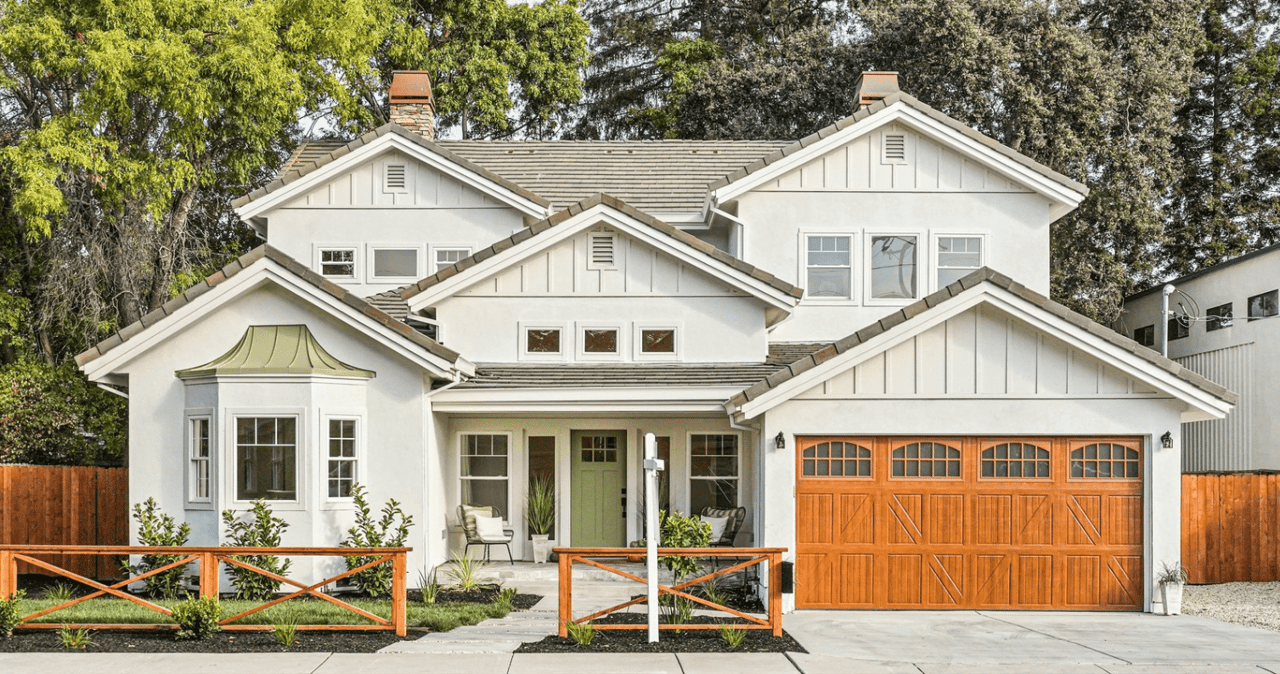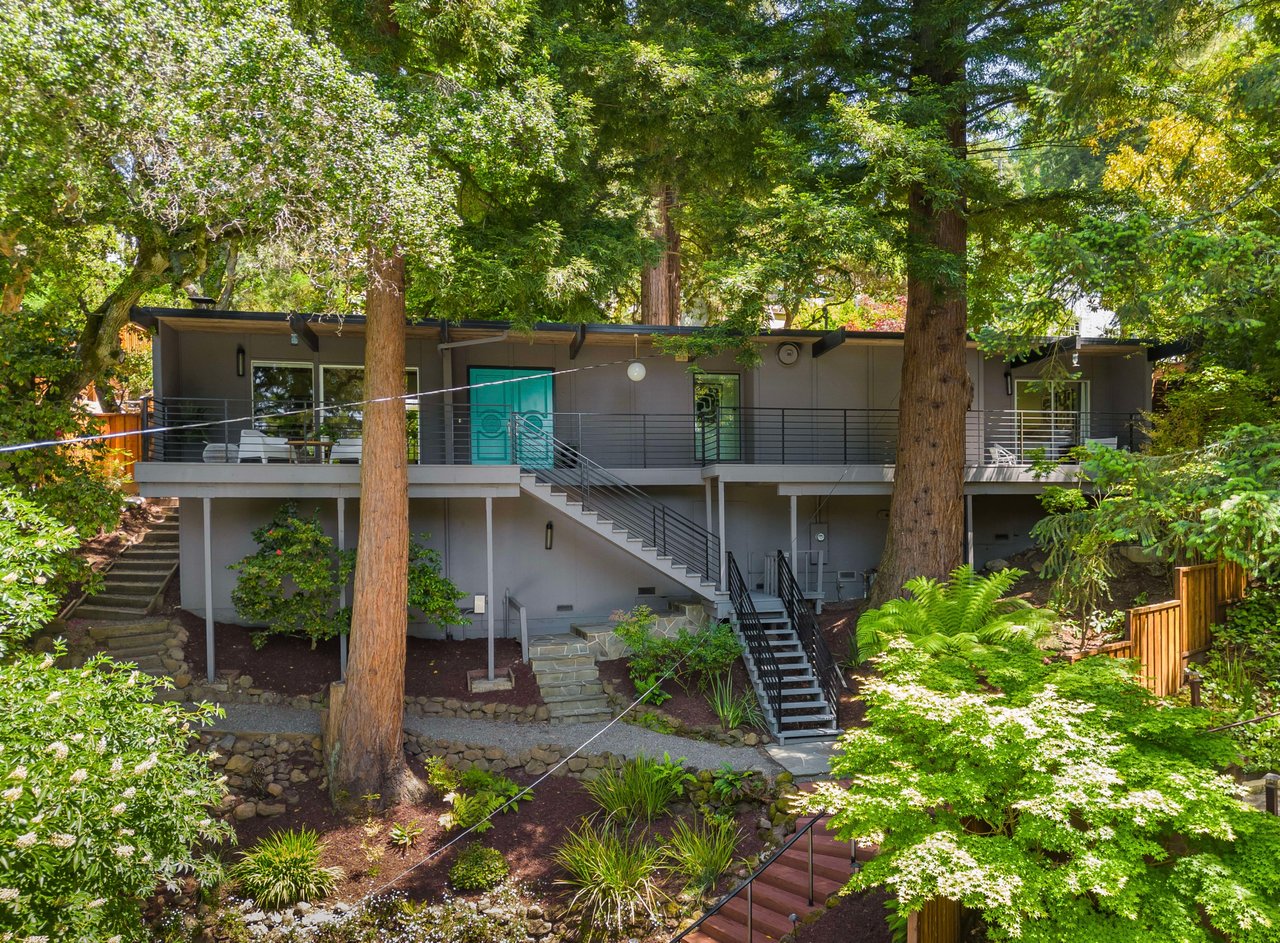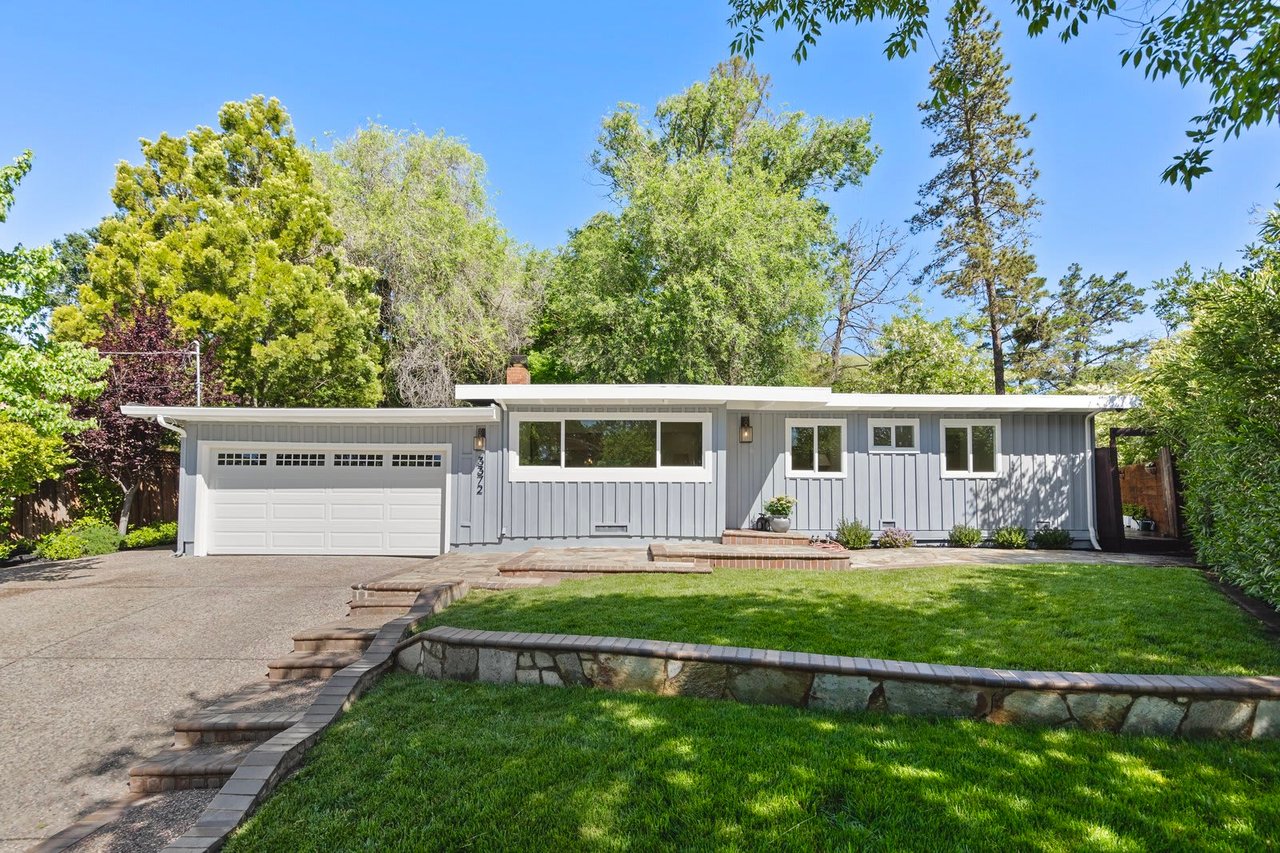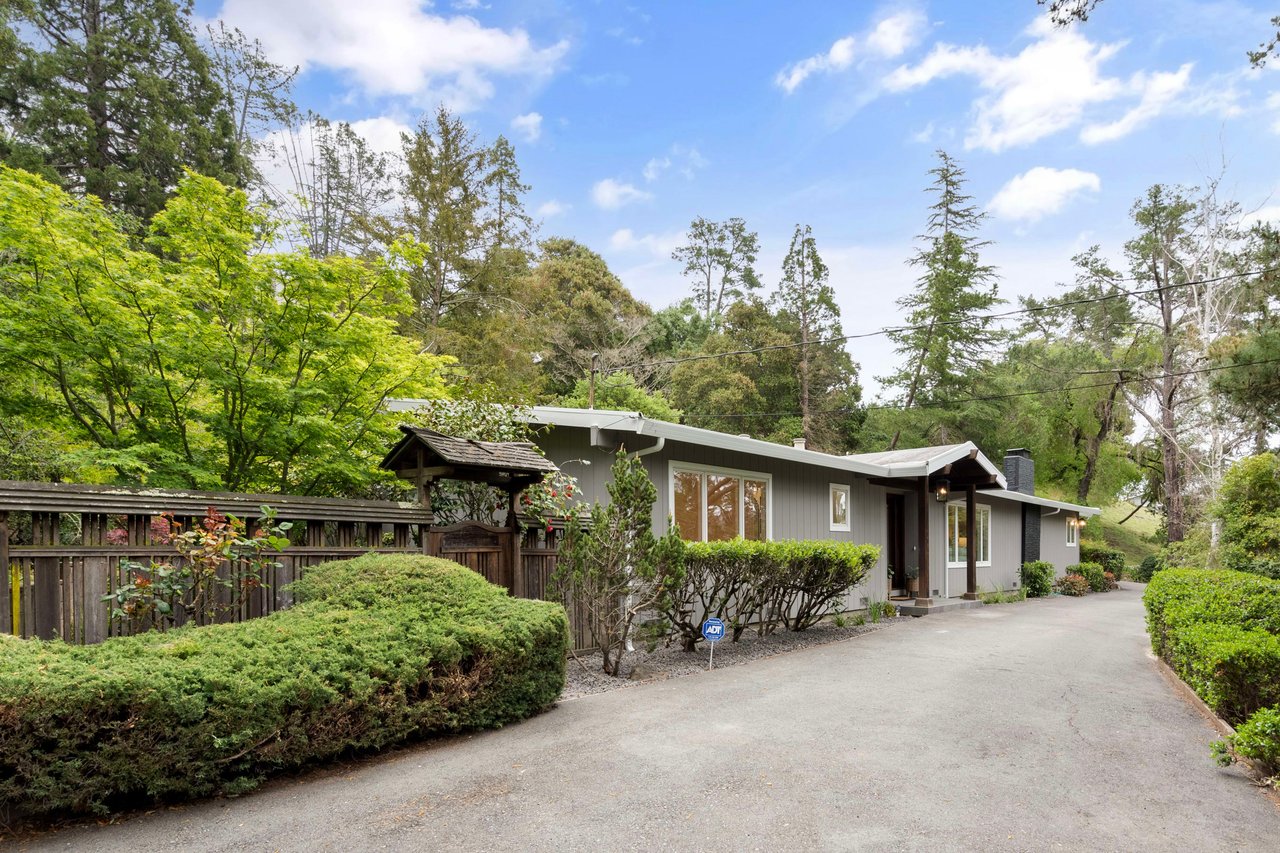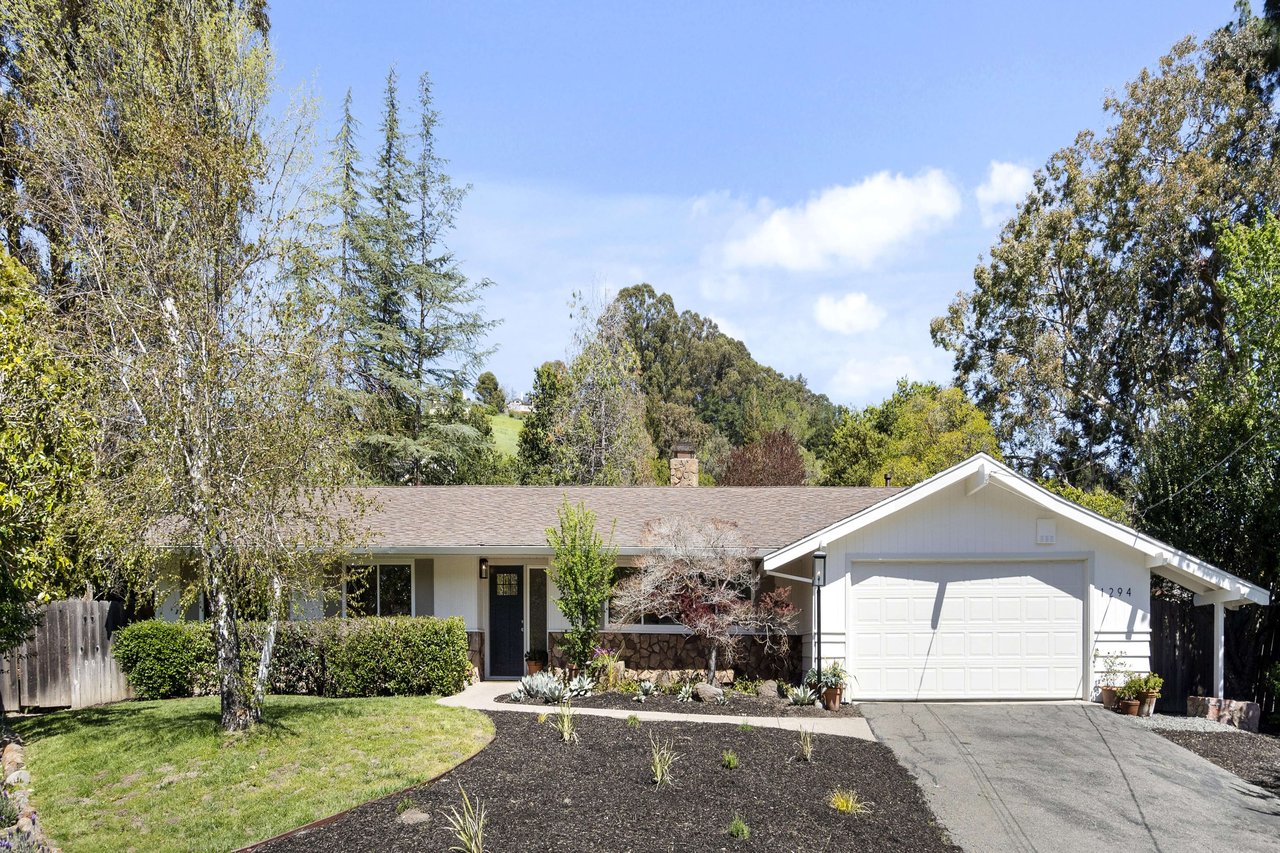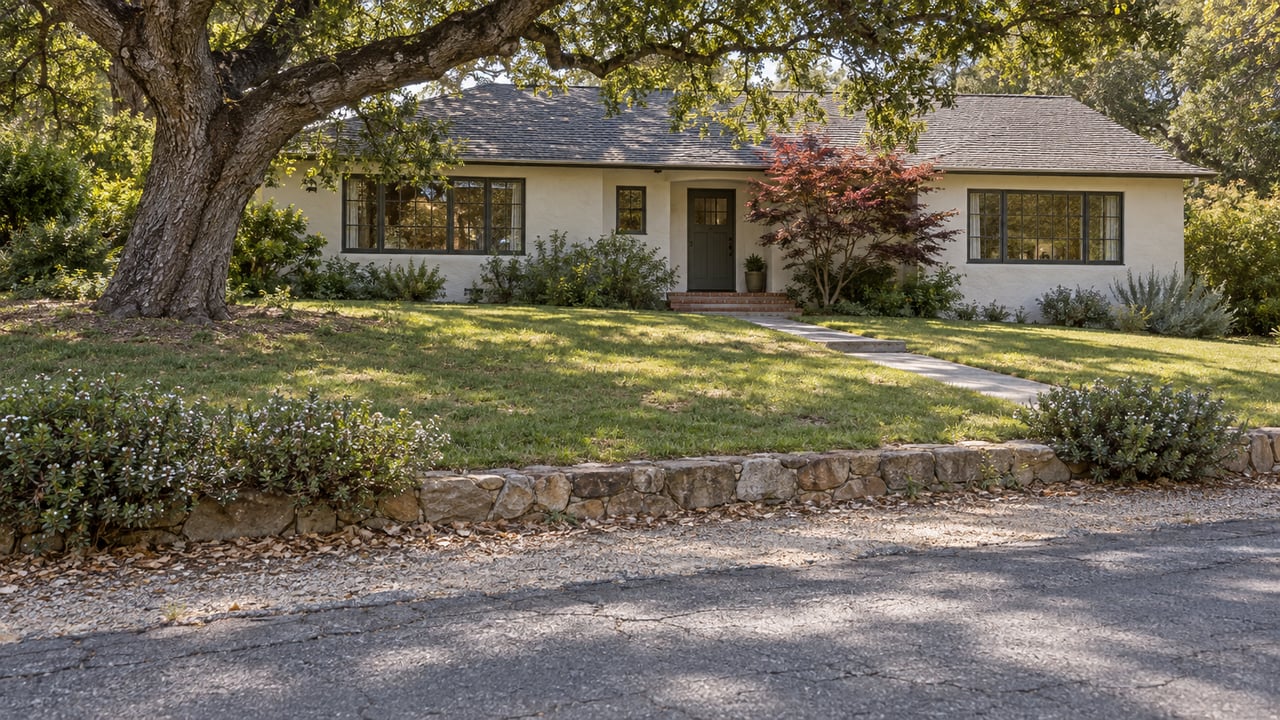
About 22 percent of Orinda's residential properties sit on a road the city has no obligation to repair, plow, patch, or even map with confidence. That figure came from Orinda City Councilmember Hoxie herself, who opened a March 3, 2026 council discussion on the topic with a public recusal notice, since she lives on one of these roads. She wasn't describing a handful of remote driveways. She was describing roughly one in five homes across the city, tucked into ordinary-looking subdivisions with cul-de-sacs, sidewalks, and mailboxes like everywhere else.
For a buyer comparing an Orinda listing to one in Lafayette or Moraga, this is not a footnote. It changes what a title report will show, what a lender will ask for, and how long escrow might take. It also touches sellers who assume their road's status is simple background noise rather than something a buyer's loan officer will flag on day thirty of a forty-five day close.
The Word "Private" Is Doing Less Than You Think
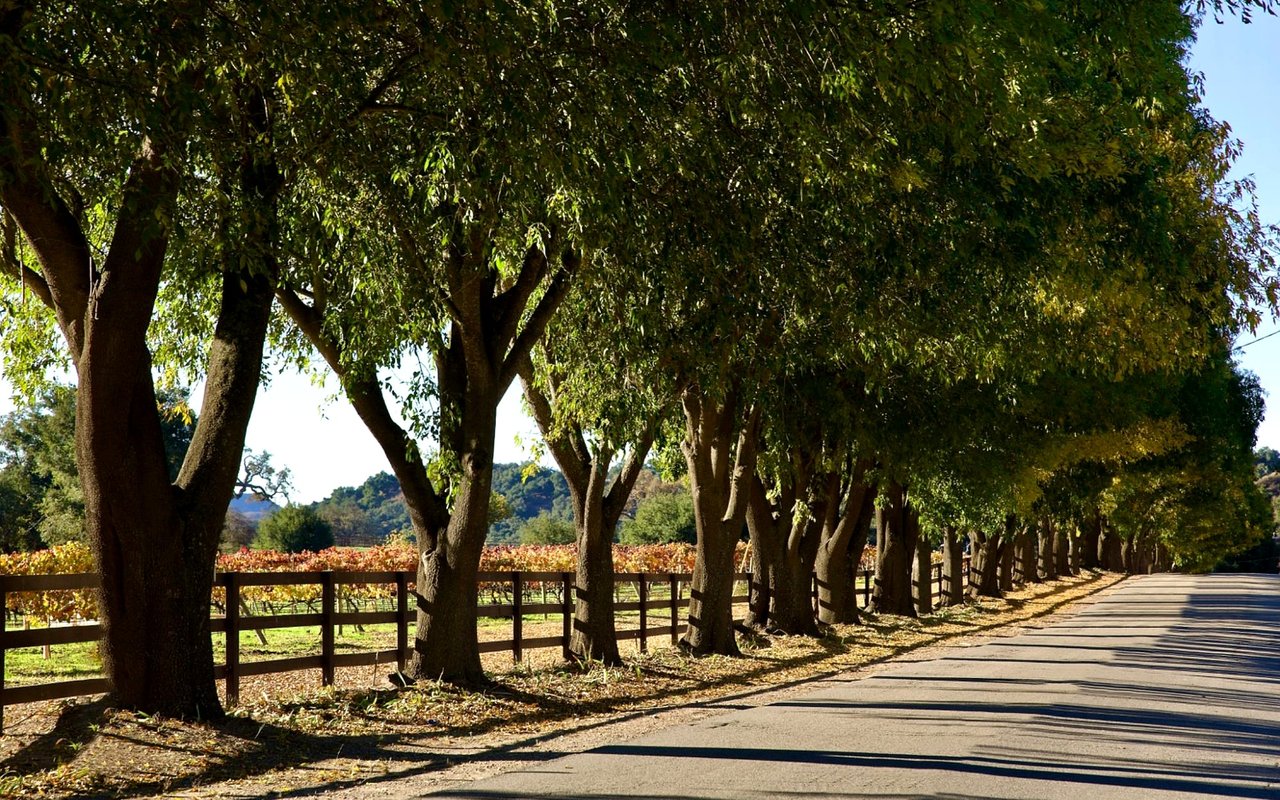
The instinct is to read "private road" as a synonym for gated, exclusive, or restricted. In Orinda, it almost never means that. The city's own Homeowner Guide states plainly that these roads are rarely gated, so they are typically open to and used by the public in the same way a city-maintained street would be. The distinction has nothing to do with who can drive on the road. It has everything to do with who is legally responsible for fixing it when it cracks, floods, or washes out.
Many of these roads trace back to subdivisions where a developer offered to dedicate the street to Contra Costa County, and the county declined to accept it, a pattern the city continued after Orinda incorporated in 1985. The result is about 30 miles of Orinda's 123 total road miles carrying a "private" designation that has nothing to do with the quality of the neighborhood and everything to do with a paperwork decision made decades before most current owners bought their homes.
The condition gap is real, but smaller than the label suggests. At the same March 2026 meeting, city technical staff reported that when they measured privately maintained roads using the same Pavement Condition Index the city applies to public streets, the average came out in the upper 60s. Public roads in Orinda currently average a PCI of 84, a number the city reached after voters approved a half-cent sales tax in 2012 and two road bonds totaling 45 million dollars. Private roads are not falling apart. They are simply not backed by that same public investment, and the gap between the two averages is the practical cost of the "private" label.
What Actually Shows Up at Closing
Ask a title company how a private road appears on paper and the answer is specific: a property's title report should show whether access runs through a recorded easement or a right of way, and whether a formal maintenance agreement is attached to that easement. The city itself tells prospective buyers exactly this in its Homeowner Guide, noting that such easements would not have a recorded city or county acceptance behind them and that buyers should independently verify what the title shows rather than assume the seller's disclosure covers it.
A recorded maintenance agreement typically spells out who pays for grading, resurfacing, and drainage, how costs are split among the parcels that use the road, and what happens if an owner stops paying. Some HOA-run roads in Orinda have this dialed in. Orinda Downs Homeowners' Association, for example, collected 400 dollars a year per property in its most recently published dues notice, covering the fiscal year that ran through May 2026, a fee that funds maintenance of the private road along Dalewood Park along with the park itself, signage, and insurance. That is a clean, working example of what a functioning agreement looks like in practice.
Not every road has that. Where a subdivision was built before agreements became standard practice, or where an HOA dissolved years ago, a road can serve a dozen homes with nothing recorded at all. Owners split costs informally, sometimes for decades, until a neighbor stops contributing or a lender asks for documentation that was never created.
Your Loan Program Decides How Much This Slows You Down
This is the part that catches buyers mid-transaction rather than during the showing. Conventional loans backed by Fannie Mae generally require a legally enforceable, recorded agreement covering payment responsibility, remedies for default, and a term that binds future owners, not just the current ones. VA loans have historically applied similar scrutiny. FHA and USDA loans take a different approach: they typically do not require a maintenance agreement, focusing instead on a recorded easement that establishes legal access to the property.
Two buyers can make offers on the identical Orinda house and hit completely different friction depending on which loan program they're using. A buyer using FHA financing may sail through underwriting with nothing more than a title company confirmation of the easement. A buyer using a conventional loan may need the seller to produce, or help create, a recorded agreement that has never existed on that street. Lending guidelines shift over time and vary by lender, so this is worth confirming directly with a loan officer early, not after an offer is already in.
For sellers, the practical takeaway is straightforward: if your home sits on a private road, know before you list whether a recorded agreement exists. Pulling the title report and confirming the easement language before the first showing removes a variable that otherwise surfaces during someone else's underwriting.
The Ground Is Still Moving Under This Policy
Here is what makes this more than a static disclosure issue. Orinda has spent more than a year actively rethinking how it handles private roads, and the framework isn't settled. The city's Infrastructure Subcommittee, led by Councilmember Darlene Gee, commissioned a resident survey through FM3 Research in 2025, mailing a questionnaire to the roughly 1,600 addresses the city has identified as sitting on private roads. When results were presented at the September 24, 2025 subcommittee meeting, they showed that over half of surveyed homeowners were willing to pay to bring their road up to an acceptable condition if it meant the city would take over ownership afterward.
At the March 2026 council meeting, the debate turned on a specific question: whether HOA-maintained roads should stay categorically excluded from ever qualifying for city acceptance, an exclusion that currently applies to a fifth of the city's housing stock. Bob Finch, speaking for Wilder HOA, one of the larger private-road associations covering streets like Wild Rye Way and Windy Creek Way, urged the council to move forward with the proposed framework as a starting point. The council didn't rewrite its acceptance ordinance that night. Instead it directed staff to return with concrete program options, cost estimates, and funding sources, while agreeing not to keep HOA roads permanently off the table.
There is a real precedent for change, though it's a narrow one. In 1992, the Orindawoods HOA reached an agreement with the city: in exchange for granting public access on three of its internal streets, the city agreed to maintain those three streets going forward. More than three decades later, it remains the only instance where a private Orinda street crossed over into public maintenance. That history is useful context for anyone weighing whether "the city might eventually take this over" is a realistic near-term expectation or a longer conversation still working its way through committee.
None of this changes what a road is worth or how a house should be priced. It does mean that the paperwork a buyer collects this month describes a policy environment that could look different in two or three years, and that's worth factoring into how a buyer or seller thinks about a private-road property, separate from the home itself.
What to Ask For Before You Write an Offer
- A copy of the recorded road maintenance agreement, if one exists, directly from the title company or county recorder
- Confirmation of whether the road is HOA-maintained, covered by an informal arrangement among neighbors, or unaddressed entirely
- The road's condition history, including any recent grading, drainage work, or repairs and who paid for them
- Whether the seller's current lender required a maintenance agreement at the time of their own purchase or refinance, which can hint at what a new buyer's lender might ask for
- Current HOA dues if applicable, and what specifically those dues cover beyond the road itself
A Few Questions Worth Settling Early
Does living on a private road affect a home's insurability? Insurers sometimes ask about road access and condition as part of underwriting, particularly for fire risk assessment in hillside areas. This is worth raising directly with an insurance agent rather than assuming it works the same as a public-road property.
Will Orinda eventually take over these roads? The city has moved one road network into public maintenance in more than three decades of trying, the 1992 Orindawoods exception. The current framework process is exploring broader options, including grants and phased acceptance, but nothing has been adopted as policy as of the most recent council session.
Is a private road a red flag for resale? Not on its own. Plenty of Orinda's most established neighborhoods, including HOA communities with decades of smooth operation, sit on private roads. What matters at resale is documentation, not the label itself.
Private roads touch a meaningful share of Orinda's housing stock, and the difference between a smooth close and a stalled one often comes down to paperwork that was either handled years ago or never addressed at all. If you're weighing an offer on an Orinda property, or getting ready to list one, Paddy Kehoe Team can walk through what the title report actually shows and what to line up before it becomes a closing-week surprise. Schedule a free Home Strategy Session to get ahead of it.